What to Do If Your Car Brakes Fail While Driving
Imagine driving down the highway, the wind in your hair, when suddenly—your foot hits the brake pedal and nothing happens. The sensation is surreal, panic sets in, and your mind races: what should you do if your car brakes fail while driving? Although rare, brake failure is a terrifying emergency that can happen to anyone. According to the National Highway Traffic Safety Administration (NHTSA), about 2% of all road accidents involve mechanical failures, with brakes being a leading culprit. Knowing how to respond calmly, quickly, and correctly can mean the difference between a close call and catastrophe.
This guide delves into everything you need to know about brake failure—from immediate actions to take, to preventive maintenance, legal responsibilities, and real-world case studies. Whether you’re an experienced driver or a novice, these expert-backed strategies could save your life or someone else’s. With actionable advice, authoritative data, and step-by-step instructions, this article ensures you’re prepared for one of the most dangerous scenarios on the road.
Key Takeaways
- Remain calm and avoid panic when facing brake failure.
- Take immediate steps: Downshift, pump brakes, use emergency brake, and steer safely.
- Understand the causes of brake failure to prevent future issues.
- Legal and insurance implications are significant—know your responsibilities.
- Regular maintenance is crucial to minimize brake failure risks.
- Real-world examples show the importance of quick, informed action.
Credit: us.maxbrakes.com
Understanding Brake Failure: Causes And Warning Signs
A sudden loss of braking power can seem random, but most incidents result from identifiable issues. Recognizing the underlying causes and warning signs helps drivers stay vigilant and proactive.
Common Causes Of Brake Failure
- Hydraulic leaks: The brake system relies on hydraulic fluid. A leak reduces pressure, rendering brakes ineffective. These leaks can occur due to deteriorated brake lines, damaged seals, or faulty cylinders. In older vehicles, rust and corrosion are common culprits, while in newer cars, faulty manufacturing or damage from road debris may be to blame. Small leaks may go unnoticed for weeks, gradually compromising braking power until a sudden failure occurs.
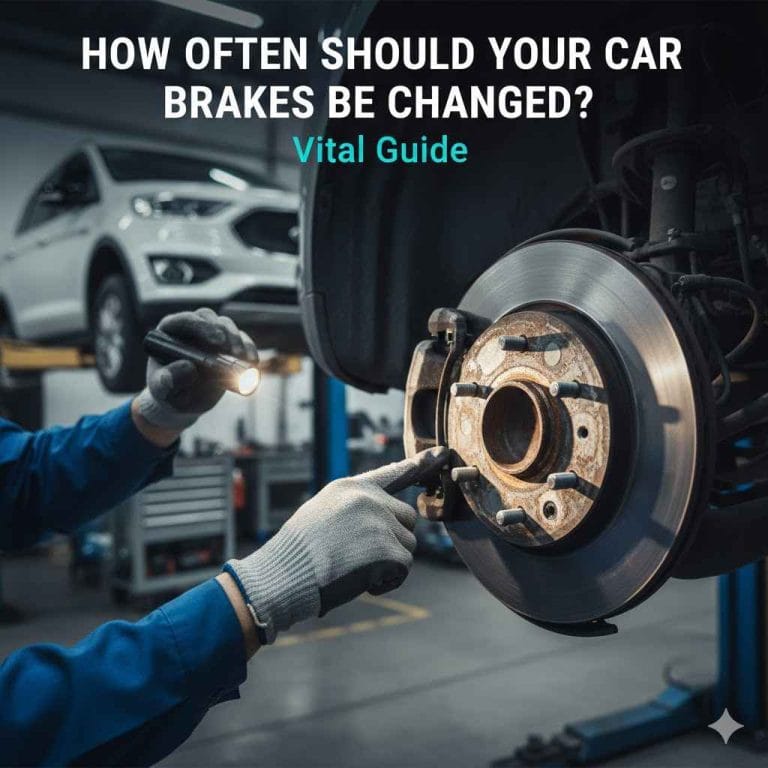
- Worn brake pads: Excessive wear decreases friction, causing longer stopping distances or total failure. Brake pads are designed to wear down over time, but ignoring squealing noises or vibration can result in metal-on-metal contact, severely reducing stopping ability. In severe cases, the pads may be completely worn away, exposing the caliper and causing catastrophic brake loss.
- Master cylinder failure: The heart of the braking system, its malfunction disrupts brake operation. The master cylinder converts foot pressure into hydraulic pressure that operates the brakes. Seals inside the cylinder can wear out or fail, allowing fluid to bypass and reducing braking effectiveness. This issue often presents as a sinking or unresponsive pedal.
- Overheated brakes: Continuous braking (e.g., on downhill stretches) can cause brake fade. Brake fade occurs when excessive heat reduces the friction between the pad and rotor, often resulting in a spongy pedal and reduced stopping power. It’s especially common in mountainous areas or when towing heavy loads.
- ABS malfunction: Modern vehicles rely on anti-lock braking systems; failure can prevent proper braking. ABS is designed to prevent wheel lockup during hard braking, but if the system fails—due to sensor issues, damaged wiring, or control module faults—it can result in unpredictable or ineffective braking, especially on slippery surfaces.
- Mechanical defects: Broken calipers, rusted lines, or faulty connections can cause sudden failure. Mechanical issues can arise from poor maintenance, manufacturing defects, or even improper installation during brake servicing. Sometimes, small components like retaining clips or pins can fail, compromising the entire system.
Warning Signs Before Complete Failure
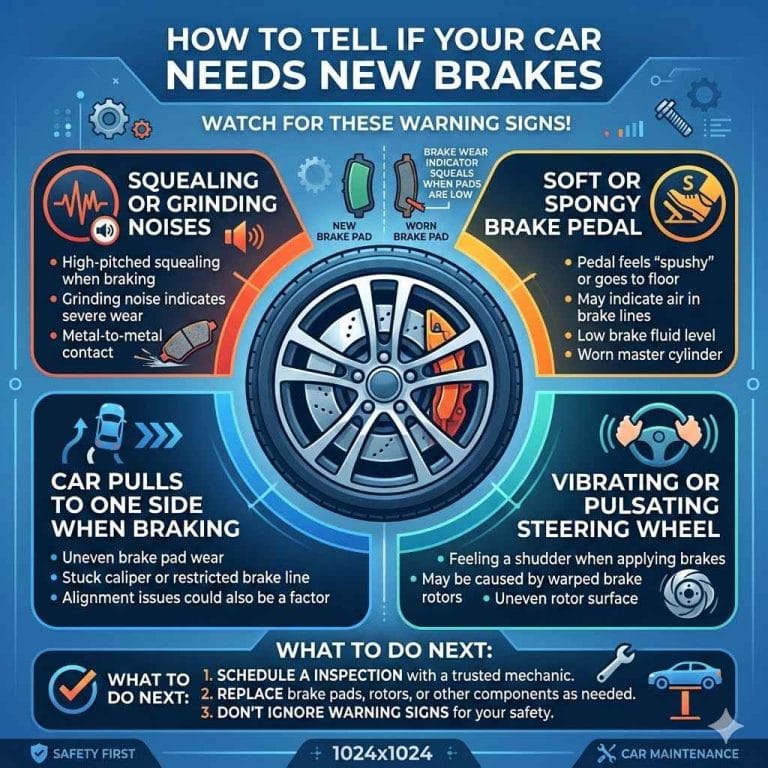
- Spongy or soft brake pedal: Indicates air in the brake lines or fluid leaks.
- Grinding or squealing noises: Suggest worn pads or rotors; often a warning of impending failure.
- Brake warning light: Illuminates for a variety of issues—low fluid, worn pads, or ABS problems.
- Vibration during braking: Can signal warped rotors or uneven pad wear.
- Vehicle pulls to one side: May indicate a stuck caliper or uneven brake application.
Reacting to these symptoms early can prevent emergencies. According to the NHTSA, nearly 22% of vehicles involved in mechanical-failure accidents exhibited warning signs prior to failure. Drivers who heed these warnings and seek prompt repairs dramatically reduce their risk of brake-related accidents.
Additional Warning Signs
- Burning Smell: A sharp, chemical odor after heavy braking often indicates overheated brakes or fluid leaks.
- Unusual Brake Pedal Movement: Sudden changes in pedal height, or a pedal that slowly sinks to the floor when pressed, may signal leaks or internal component failure.
- Visible Fluid Leaks: Puddles or wet spots near the wheels may be brake fluid, which is usually clear to yellowish and feels slippery.
Data Table: Brake Failure Causes Vs. Frequency
| Cause of Failure | Frequency (%) | Preventability |
|---|---|---|
| Hydraulic Leaks | 35 | High |
| Worn Brake Pads | 28 | High |
| Master Cylinder Failure | 15 | Medium |
| Overheated Brakes | 12 | Medium |
| ABS Malfunction | 6 | Low |
| Mechanical Defects | 4 | Medium |
This breakdown emphasizes that most causes of brake failure—especially hydraulic leaks and worn pads—are preventable with regular maintenance and inspection.
Real-world Example: Warning Ignored
In 2020, a driver in California ignored repeated grinding noises and a brake warning light. Days later, the brakes failed during a rush-hour commute, resulting in a multi-car accident. The investigation found worn pads and a leaking brake line—issues that could have been detected and repaired.
Additional analysis of this case revealed that the car had missed two scheduled maintenance appointments. The vehicle’s on-board diagnostics had also recorded multiple brake-related fault codes. Had the driver acted on these warnings, the failure (and resulting injuries and property damage) could almost certainly have been avoided.

Credit: www.brakes-4-less.com
Immediate Actions To Take When Your Brakes Fail
If your brakes suddenly stop working, your response in the next few seconds is critical. Stay calm, follow these steps, and use the car’s systems to minimize risk.
Step 1: Stay Calm And Assess
- Avoid panic: Take a deep breath; panic can lead to rash decisions. Your ability to think clearly and act methodically is your greatest asset in this situation.
- Keep your hands firmly on the wheel: Maintain control and steer steadily. Avoid sudden movements, as overreacting can worsen the situation.
Step 2: Pump The Brakes
- Try pumping the brake pedal rapidly: In many vehicles, especially older models, this can build up enough hydraulic pressure for a temporary stop. Even in modern vehicles, a quick series of pumps may restore partial braking for a few moments.
- If the pedal feels soft or sinks to the floor, it’s likely a hydraulic issue. If you notice any change in resistance or slowing of the vehicle, continue pumping until you come to a stop or until the pressure is completely lost.
Additional Tips For Pumping Brakes
- Don’t pump ABS brakes: In vehicles equipped with ABS, sustained pressure is usually more effective, as the system automatically modulates brake force.
- Listen and feel: Any change in pedal feel, resistance, or feedback may indicate that some braking ability has been restored.
Step 3: Downshift To Lower Gears
- Manual transmission: Shift gradually to lower gears (from 5th to 4th, then 3rd, etc.). This increases engine resistance, slowing the vehicle without relying on the brakes.
- Automatic transmission: Move the gear selector to “L” or “2.” Many automatics allow manual gear selection for increased control.
- Downshifting uses engine braking to slow the car. Be gentle; abrupt downshifting at high speeds may cause loss of traction, especially on slippery roads.
Engine Braking In Practice
Engine braking is most effective at higher speeds and on declines. As you slow, continue shifting to the next lower gear as speed decreases. This method not only reduces speed but helps maintain steering control.
Step 4: Use The Emergency Brake (parking Brake)
- Apply the emergency brake slowly: Sudden application can cause skidding. Most mechanical handbrakes operate only on the rear wheels; use caution to avoid spinning or fish-tailing.
- Modern cars often have electronic emergency brakes; activate as instructed in your owner’s manual. Some require you to hold a button, while others activate with a firm pull or press.
- Be prepared for the car to pull to one side. Compensate by steering gently and gradually.
Special Considerations
If you feel the rear wheels locking up, release the emergency brake slightly, then reapply gently. Practice using the emergency brake at low speeds in a safe area to understand how your vehicle responds.
Step 5: Steer To Safety
- Look for escape routes: Shoulders, open fields, or ramps. Prioritize areas with minimal traffic and no pedestrians.
- Avoid obstacles: Steer clear of pedestrians, vehicles, and fixed objects. If necessary, choose the least hazardous area (e.g., a grassy median instead of a crowded intersection).
Using Terrain To Your Advantage
Uphill slopes, gravel patches, or soft shoulders can help slow your vehicle. If possible, aim for these surfaces, as they increase rolling resistance and help dissipate speed safely.
Step 6: Signal And Alert Others
- Turn on hazard lights: This alerts other drivers to your emergency, reducing the risk of rear-end collisions.
- Honk your horn if necessary to warn nearby drivers. Use short, repeated blasts to attract attention, especially if you are unable to stop at an intersection or are heading toward traffic.
Additional Communication
If you have a passenger, instruct them to wave their arms or a bright object out the window to signal distress.
Step 7: Try To Stop The Vehicle
- Use friction: If possible, rub tires against a curb or roadside barriers to slow down. This technique should be a last resort, as it can damage tires and suspension, but it is effective in emergencies.
- Avoid turning off the engine: Power steering and brakes may be disabled. However, if your car is accelerating uncontrollably (rare, but possible with certain mechanical failures), shutting off the ignition might be necessary—but only if you can do so safely and without locking the steering wheel.
Using Friction Safely
Only attempt to use curbs or barriers if the road is clear and you have enough control to avoid spinning or rolling the vehicle.
Step 8: Once Stopped, Stay Safe
- Remain in the vehicle if in a dangerous area. Exiting your car on a busy highway can be more hazardous than staying inside with seatbelts fastened.
- Call for roadside assistance or emergency services. Clearly communicate your location and the nature of the emergency.
Post-emergency Steps
Once stopped, set the parking brake, turn on your hazard lights, and place reflective triangles behind your vehicle if you have them. Wait for professional help and avoid attempting to drive the car until it has been inspected and repaired.
Case Study: Successful Emergency Response
A 2019 incident in Texas involved a driver whose brakes failed on a busy interstate. By quickly downshifting, pumping brakes, and using the emergency brake, the driver slowed from 65 mph to a stop on the shoulder—avoiding a major accident.
Further investigation revealed the driver had practiced emergency stops in a defensive driving course, which contributed to the calm and effective response. The car was later found to have a ruptured brake line—a failure that could have been catastrophic without proper action.

Credit: www.comedytrafficschool.com
Comparing Brake Failure Responses: Effectiveness And Risks
Different strategies can be employed when brakes fail, each with varying effectiveness and risk profiles. Understanding these options helps prioritize safety.
Comparison Table: Brake Failure Response Methods
| Action | Effectiveness | Risk Level | Recommended For |
|---|---|---|---|
| Pumping Brakes | High (if hydraulic pressure remains) | Low | Older/non-ABS vehicles |
| Downshifting | Medium-High | Low | All vehicles |
| Using Emergency Brake | Medium | Medium | All vehicles |
| Rubbing Tires Against Curb | Low-Medium | High | High-speed emergencies |
| Turning Off Engine | Very Low | Very High | Not recommended |
Additional Analysis
- Pumping Brakes: Most effective when there is a partial hydraulic failure. In full hydraulic loss, pumping may not help.
- Downshifting: Universally safe and effective, but less useful at low speeds.
- Using Emergency Brake: Can lock rear wheels, especially if applied too quickly—use with care.
- Rubbing Against Curb/Barrier: Damages vehicle but can be life-saving in high-speed scenarios.
- Turning Off Engine: Disables power steering and brakes; only consider as a last resort if engine acceleration is uncontrollable.
The Role Of Abs And Modern Safety Features
- ABS (Anti-lock Braking System): Helps maintain steering control during emergency stops. If ABS fails, pumping brakes is more effective.
- Electronic Stability Control (ESC): Assists in maintaining control during evasive maneuvers. ESC can prevent loss of control during emergency steering or if rear wheels lock up due to the emergency brake.
- Brake Assist: Some cars have systems that detect emergency braking and apply additional force. These can help even if the driver does not press the pedal hard enough.
Interplay Of Safety Systems
Modern vehicles often integrate multiple systems (ABS, ESC, Brake Assist, Traction Control) that work together. However, these systems are not infallible. In the event of complete hydraulic loss, none can replace the need for manual intervention and quick thinking.
Example: Modern Safety Systems
A driver in Illinois experienced brake fade in a 2026 vehicle equipped with ESC and ABS. By relying on engine braking and ESC, the driver maintained control until reaching a safe stop.
The ESC system helped correct minor skids caused by the emergency brake, keeping the car pointed straight. Post-incident diagnostics revealed overheated pads from excessive braking on a steep descent, underscoring the need for proper driving techniques even in modern vehicles.
Preventive Measures: Reducing The Risk Of Brake Failure
Prevention is the best defense against brake failure. Routine maintenance and awareness are crucial.
Regular Brake Inspections
- Check brake pads every 12,000 miles or annually. Worn pads are a leading cause of failure and are easily spotted during routine checks.
- Inspect brake fluid level and quality. Low or dirty fluid can indicate leaks or contamination.
- Look for signs of wear: Grooves, discoloration, or thin pads. Rotors should be smooth and free from scoring.
Additional Inspection Points
- Check brake lines and hoses for cracks, rust, or leaks.
- Test the brake pedal: It should feel firm, not spongy or soft.
- Inspect wheel cylinders and calipers for signs of leakage or corrosion.
Fluid Maintenance
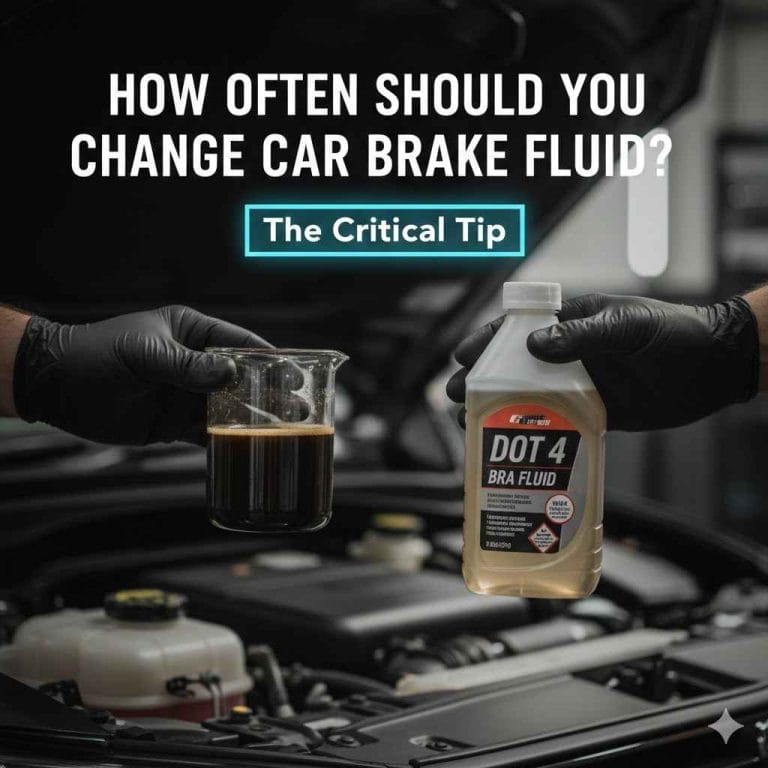
- Replace brake fluid every 2 years (or as recommended by manufacturer). Brake fluid absorbs moisture over time, reducing its boiling point and increasing the risk of vapor lock or corrosion.
- Use only manufacturer-approved fluids. Mixing incompatible fluids can cause seal failure and loss of braking power.
How To Check Brake Fluid
Locate the brake fluid reservoir under the hood. The level should be between the “MIN” and “MAX” marks, and the fluid should be clear or slightly yellow. If it’s dark or cloudy, replace it.
Professional Servicing
- Have brakes professionally serviced at least once a year. Certified technicians can spot issues that DIY checks may miss.
- Address warning signs immediately—never ignore the brake warning light. Modern vehicles record fault codes that can help pinpoint the problem.
Importance Of Documentation
Keep records of all maintenance, repairs, and inspections. In the event of an accident or insurance claim, this documentation can prove your diligence and may protect you from liability.
Driving Habits That Protect Brakes
- Avoid excessive braking, especially on steep declines. Use engine braking and downshift when descending hills.
- Maintain safe following distances to reduce sudden stops. This gives you more time to react and reduces wear on your brakes.
- Don’t overload your vehicle; excess weight strains brakes. Check your car’s gross vehicle weight rating (GVWR) and avoid exceeding it.
Additional Habits
- Anticipate traffic flow: Coast to a stop when possible, rather than braking late.
- Avoid riding the brakes: Especially common on long descents; instead, alternate between brake and engine braking.
Data Table: Maintenance Frequency Vs. Brake Failure Risk
| Maintenance Frequency | Brake Failure Risk (%) | Recommended Action |
|---|---|---|
| Annual (or more frequent) | 2 | Optimal safety |
| Every 2 years | 7 | Acceptable, may miss early issues |
| Irregular/only when issues arise | 21 | High risk |
| Never | 34 | Very high risk |
This table demonstrates the direct correlation between maintenance and safety. Vehicles with regular, documented maintenance are far less likely to experience brake failure.
Trusted Resources For Maintenance
For authoritative guidelines, refer to the Consumer Reports or your vehicle’s owner’s manual.
Legal, Insurance, And Financial Implications
Brake failure isn’t just a safety issue—it carries legal and financial consequences. Understanding your responsibilities can protect you from liability.
Legal Responsibility
- Drivers are legally required to maintain their vehicles in a safe condition. Most states have vehicle inspection laws or require self-certification at registration.
- Failure to repair known brake issues can result in fines or criminal charges. In some cases, drivers have faced manslaughter or reckless endangerment charges after fatal accidents caused by neglected maintenance.
State Laws And Inspections
Many states have mandatory annual or biennial safety inspections. These usually include checks of brake pad thickness, fluid levels, and system performance. Falsifying records or ignoring required repairs can lead to additional penalties.
Insurance Coverage
- Most policies cover accidents caused by mechanical failure, but only if maintenance was up-to-date. Insurers may request maintenance records after an accident.
- If negligence is proven, insurance may deny coverage. Deliberate disregard for warning signs or skipped maintenance can be grounds for denial.
Comprehensive Vs. Liability Coverage
Comprehensive coverage may pay for your own repairs, while liability coverage addresses damages to others. If you are found negligent, you could be sued for amounts beyond your policy limits.
Liability For Accidents
- At-fault determination often hinges on maintenance records. Courts may subpoena repair invoices, inspection stickers, and service logs.
- If brake failure leads to injury or property damage, civil lawsuits may follow. Victims can seek compensation for medical bills, lost wages, and pain and suffering.
Corporate Responsibility
Commercial drivers and fleet operators face even stricter standards. Federal Motor Carrier Safety Regulations require regular brake inspections and detailed logs. Companies can be fined or shut down for repeated violations.
What To Do After An Accident
- Document everything: Take photos of the scene, vehicle, and any warning lights. Include close-ups of damage, skid marks, and road conditions.
- Report the incident to your insurance company promptly. Provide all requested information, including maintenance records.
- Cooperate with authorities: Provide maintenance records if requested. Be honest about any warning signs or issues you noticed before the incident.
Additional Steps
- Seek medical attention for any injuries, even minor ones. Some injuries may not be apparent immediately.
- Contact a legal professional if you are cited or face a lawsuit.
Example: Insurance Denial
A 2018 New York case involved a driver whose brakes failed, causing a collision. The insurer denied the claim after discovering overdue maintenance and ignored warnings. The driver was liable for damages.
In this case, the court found the driver’s negligence contributed to the accident, and the insurance company’s denial was upheld. The driver was forced to pay out-of-pocket for repairs, medical bills, and legal fees.
External Resources
For more details, consult the Insurance Information Institute and NHTSA vehicle maintenance guidelines.
Real-world Examples And Lessons Learned
Examining real incidents helps illustrate the importance of preparedness and proper response.
Case Study 1: Quick Thinking Saves Lives
In 2026, a Florida driver’s brakes failed after descending a bridge. She immediately downshifted, pumped brakes, and used the emergency brake. Her calm response allowed the car to coast safely onto a grassy shoulder, avoiding a pileup. She later learned her brake fluid had leaked—a simple repair ignored for weeks.
The driver credited her defensive driving training with her calm response, and stated that she regularly reviews emergency procedures with her family. Her actions prevented injuries and extensive property damage.
Case Study 2: Catastrophic Outcome From Neglect
A commercial truck in Ohio suffered brake failure due to worn pads. The driver ignored repeated warning lights, resulting in a fatal multi-vehicle crash. The company faced lawsuits and criminal charges for neglecting regular maintenance.
In this case, the company had received multiple citations for maintenance violations in the months leading up to the accident. The crash resulted in millions in damages and prompted stricter enforcement of commercial vehicle regulations statewide.
Case Study 3: Technology-assisted Escape
A driver in California used advanced driver-assist features—adaptive cruise control and lane-keeping—to steer the vehicle safely off the highway after brake failure. The car’s ESC helped maintain control as the driver downshifted and applied the emergency brake.
This example highlights how modern safety technology can assist, but not replace, driver skill and knowledge. The driver’s quick thinking and familiarity with their car’s systems were crucial to a safe outcome.
Lessons Learned
- Preparation and regular maintenance save lives. Most brake failures are preventable with routine checks and timely repairs.
- Quick, informed action reduces risk. Knowing what to do in advance can make the difference in an emergency.
- Modern safety features can assist but don’t replace fundamental driving skills. Drivers must understand their vehicle’s capabilities and limitations.
How To Prepare Yourself And Your Vehicle
Being proactive is crucial—not just for brake failure, but for all road emergencies.
Emergency Kit Essentials
- Reflective triangles and hazard lights: Make your vehicle visible in case of breakdown, especially at night or in bad weather.
- Cell phone charger: Ensure you can call for help.
- First aid kit: Treat minor injuries until emergency personnel arrive.
- Flashlight: Helpful for inspecting your vehicle or signaling for help in the dark.
- Basic tools: Screwdrivers, pliers, and wrenches may allow minor repairs or adjustments on the roadside.
Additional Items
- Blanket or emergency thermal wrap: For warmth if stranded in cold weather.
- Bottled water and snacks: In case you’re waiting for assistance for an extended period.
- List of emergency contacts: Including roadside assistance, insurance, and family members.
Knowledge And Training
- Review your vehicle’s owner’s manual for emergency brake procedures. Every car is different; know where the emergency brake is and how it operates.
- Take defensive driving courses that include mechanical failure scenarios. The National Safety Council offers reputable options.
Practicing Emergency Responses
Find a safe, empty parking lot and practice using the emergency brake and downshifting. Familiarity builds confidence and muscle memory for real emergencies.
Family Education
- Ensure all drivers in your household understand brake failure procedures. Hold regular discussions and share resources.
- Practice emergency stops in safe, controlled environments. This is especially important for teen drivers or those new to driving.
Teaching Children
If you often drive with children, teach them how to call for help and what to do if an emergency occurs while you are incapacitated.
Regular Vehicle Checks
- Schedule annual inspections with certified mechanics. Even if your vehicle seems fine, professional checks can reveal hidden issues.
- Keep records of all maintenance and repairs. Organized documentation can be invaluable for insurance or legal claims.
Monitoring Tire And Suspension Health
Healthy tires and suspension components contribute to effective braking and control. Check tire pressure and tread regularly, and replace worn parts promptly.
External Resources
For further guidance, visit the Wikipedia page on Automobile Safety and the CDC Motor Vehicle Safety section.
Frequently Asked Questions
What Are The First Steps I Should Take If My Brakes Fail While Driving?
Immediately stay calm, try pumping the brakes, downshift to lower gears, and use the emergency brake. Signal your situation by turning on hazard lights and steering to a safe area. If possible, use terrain and friction to slow the vehicle. Once stopped, remain inside and call for help.
Can I Use The Emergency Brake At High Speeds?
Yes, but apply it slowly. Sudden application can cause skidding or loss of control. Modern electronic emergency brakes may have safeguards, but always consult your vehicle’s manual. Practice using your emergency brake at low speeds in a safe area to understand its behavior.
How Often Should I Have My Brakes Inspected?
Experts recommend annual brake inspections or every 12,000 miles, whichever comes first. Check brake fluid every two years, and never ignore warning signs. More frequent checks are advised if you drive in mountainous regions, tow heavy loads, or notice any symptoms of brake wear.
Will My Insurance Cover Accidents Caused By Brake Failure?
Insurance typically covers such accidents if you’ve maintained your vehicle properly. If negligence is proven (e. g. , ignored warning lights), coverage may be denied. Always keep thorough maintenance records and address issues promptly to protect your coverage.
What Are The Legal Consequences Of Driving With Faulty Brakes?
You may face fines, criminal charges, or civil liability if an accident occurs due to neglected maintenance. Always maintain your brakes to avoid legal trouble. In commercial settings, violations can lead to business shutdowns or large financial penalties.
In an emergency, preparedness is your most valuable asset. Brake failure is terrifying, but with the right knowledge and calm response, you can protect yourself and others. Regular maintenance, proactive education, and awareness are key. Remember, your safety starts long before you hit the road—make brake checks a habit, and never ignore warning signs.
Stay vigilant, stay prepared, and drive safely.
Products related to this article
Sponsored / affiliate links. As an Amazon Associate I earn from qualifying purchases. I may earn additional commission from eligible campaigns.