Best Place to Buy Car Brake Pads Online & In-Store
Finding the best place to buy car brake pads can save you money and ensure you get the right quality for your vehicle. With numerous options available, from trusted auto parts retailers to online marketplaces, making an informed decision is key to a safe and reliable braking system. This guide will help you navigate the choices, highlighting where to find great deals, expert advice, and the specific pads your car needs.
In short, for a balance of price, selection, and convenience, online retailers like Amazon and dedicated auto parts sites are often the best place to buy car brake pads. Local auto parts stores offer immediate availability and expert advice, while dealerships provide OEM parts but at a higher cost. Always compare prices and read reviews before purchasing.
Key Takeaways

Alieemo
Alieemo Car Disc Brake Caliper Piston Rewind…
- 【High Quality】: The rear brake pads for cars are made of 45# steel, which is renowned for its exceptional strength, ensuring the t…
- 【Compact and Portable】:This brake piston retraction tool measures 8.27 x 4.53 x 1.97 inches. Its compact design makes it easy to s…
- 【Easy to Use】: The retractable tool for rear brake pads is user-friendly, with retractable pistons on both the left and right spir…
As an Amazon Associate I earn from qualifying purchases.
- The best place to buy car brake pads depends on your priorities: price, speed, selection, or specific part availability.
- Online retailers offer vast selection and competitive pricing, but require waiting for delivery.
- Local auto parts stores provide immediate access and in-person advice, ideal for urgent repairs.
- Dealerships guarantee OEM (Original Equipment Manufacturer) parts, ensuring perfect fit and quality but at a premium.
- Comparing prices and checking reviews is crucial regardless of where you buy your brake pads.
What are Car Brake Pads and Why They Matter
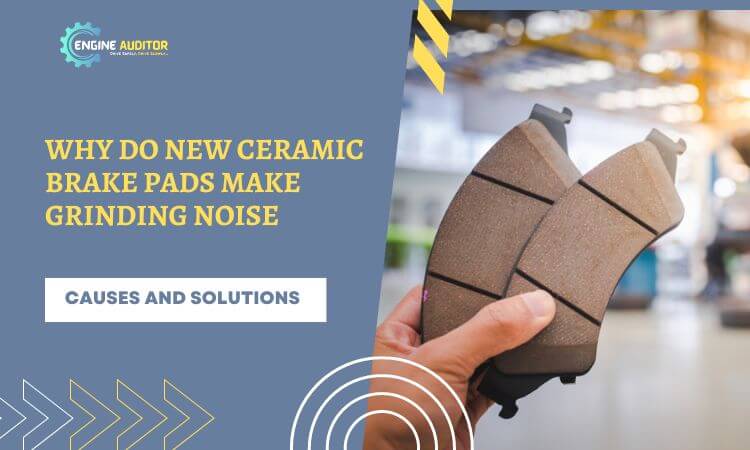
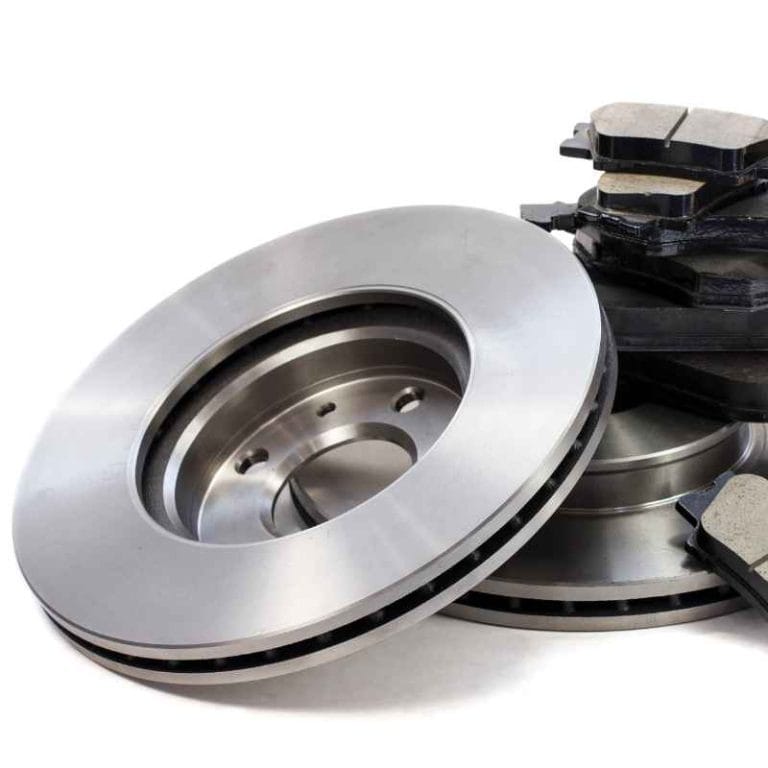
Car brake pads are a critical component of your vehicle’s braking system. They are friction material that presses against the brake rotor when you apply the brake pedal, creating the force needed to slow down or stop your car. The effectiveness of your brakes directly depends on the condition and quality of your brake pads.
Worn-out or low-quality brake pads can significantly reduce your stopping power, increasing the risk of accidents. They can also damage other braking system components, like rotors, leading to more expensive repairs. Therefore, choosing the right place to buy them is as important as choosing the right type of pad.
Brake pads are typically made from several types of materials, each with its own characteristics affecting performance, noise, dust, and longevity. Understanding these differences will help you choose the best option for your driving needs and where to purchase them.
Types of Brake Pads
- Organic (Non-Asbestos Organic – NAO): These are the most common and least expensive. They are quiet and easy on rotors but wear out faster and produce more dust. They offer moderate stopping power, suitable for everyday driving.
- Semi-Metallic: Made from a blend of metal fibers (like iron, copper, steel) and fillers. They offer good stopping power and heat dissipation but can be noisy, produce more dust, and wear rotors faster than organic pads. Ideal for a mix of commuting and spirited driving.
- Ceramic: Composed of ceramic fibers, fillers, and bonding agents. They are quiet, produce very little dust, and are easy on rotors. Ceramic pads offer consistent performance across a wide temperature range and are durable, making them a popular choice for many vehicles and drivers.
- Low-Metallic: Similar to semi-metallic but with a lower percentage of metal. They aim to balance the stopping power of semi-metallics with the quieter operation and less rotor wear of organics, but can still produce moderate dust.
The choice of brake pad material should align with your vehicle’s specifications and your driving habits. For example, if you frequently drive in stop-and-go traffic or tow heavy loads, you might need higher-performance pads that can handle more heat and stress.
Where to Buy Car Brake Pads: An Overview
The automotive aftermarket is flooded with places to purchase brake pads. Each has its own set of advantages and disadvantages, catering to different customer needs and priorities. Whether you’re a DIY enthusiast or prefer professional installation, knowing these options can guide your purchasing decision.
From massive online retailers to your neighborhood garage, the options are diverse. Price, convenience, part availability, and the need for expert advice are all factors that influence the “best” place for you.
Online Retailers: The Convenience Kings
Online platforms have revolutionized how people buy auto parts. They offer an unparalleled selection of brands and types of brake pads, often at competitive prices. With just a few clicks, you can compare options and have them delivered directly to your door.
Some of the most popular online destinations include:
- Amazon: Known for its vast marketplace, Amazon offers a wide array of brake pads from various brands, often with competitive pricing and fast shipping options for Prime members. You can easily search by vehicle make, model, and year to find compatible parts.
- RockAuto: A go-to for DIY mechanics, RockAuto offers an extensive catalog of parts, including brake pads, at deeply discounted prices. They often have multiple brands and price points, making it a great place to find specific or budget-friendly options.
- AutoZone, Advance Auto Parts, O’Reilly Auto Parts (Online Stores): These major auto parts chains also have robust online stores. They offer a good selection of both private label and national brands, and often allow you to order online and pick up in-store, combining online convenience with local access.
- Specialty Performance Parts Retailers: For high-performance or specific racing applications, retailers like Summit Racing Equipment or Jegs offer a curated selection of premium brake pads designed for demanding conditions.
When buying online, always ensure you are purchasing from reputable sellers and verify part compatibility using your vehicle’s specific information. Reading customer reviews can also provide valuable insights into product quality and seller reliability.
Local Auto Parts Stores: Immediate Gratification
For those who need brake pads immediately or prefer to speak with knowledgeable staff, local auto parts stores are an excellent choice. They stock a variety of common brake pad types and brands, and their employees can often provide expert advice on the best fit for your car and driving style.
Key benefits of shopping locally include:
- Instant Availability: No waiting for shipping. You can get your parts and start the repair the same day.
- Expert Advice: Staff can help you identify the correct parts and recommend suitable options based on your vehicle and needs.
- Easy Returns: If you purchase the wrong part, returning it to a physical store is usually straightforward.
- Brand Variety: Stores typically carry several popular brands, allowing for price and feature comparisons.
While local stores might not always match the rock-bottom prices of some online retailers, the convenience and immediate service are invaluable, especially in emergency situations.
Dealerships: The OEM Guarantee
Purchasing brake pads from your car manufacturer’s dealership guarantees you’re getting Original Equipment Manufacturer (OEM) parts. These are the same parts that were installed on your car when it was new, ensuring a perfect fit and adherence to the manufacturer’s exact specifications for performance and safety.
However, this guarantee comes at a cost:
- Higher Price Point: OEM brake pads are almost always more expensive than aftermarket options.
- Limited Selection: You’ll primarily find only the manufacturer’s branded parts, with less variety in terms of material types or performance characteristics compared to the aftermarket.
Dealerships are the best option if you prioritize an exact factory replacement and budget is not a primary concern, or if your vehicle’s warranty requires the use of OEM parts.
Mechanics and Independent Garages: Full-Service Solution
If you’re not a DIYer, your mechanic or an independent garage is the most common place you’ll get new brake pads. They handle the entire process, from diagnosing the need for replacement to sourcing the parts and performing the installation.
When working with a mechanic:
- Convenience: They take the guesswork out of part selection and installation.
- Warranty on Parts and Labor: Most reputable shops offer a warranty on both the brake pads they supply and the work they perform.
- Part Sourcing: They often have established relationships with auto parts distributors, allowing them to source a wide range of quality parts.
It’s always a good idea to ask your mechanic about the brands of brake pads they typically use and the warranty they provide. You can also inquire about the possibility of supplying your own parts, though some shops may charge an extra labor fee or decline this option.
Factors to Consider When Buying Brake Pads
Choosing where to buy is only part of the equation. Selecting the right brake pad itself is crucial for safety and performance. Several factors should guide your decision, ensuring you get the best value and functionality for your driving needs.
Vehicle Type and Driving Habits
The type of vehicle you drive and how you drive it heavily influence the best brake pad choice. A compact sedan used for city commuting has different braking needs than a heavy-duty truck used for towing or a sports car driven on a track.
- Everyday Commuting: For city driving with frequent stops, quiet, low-dust, and rotor-friendly options like ceramic or high-quality organic pads are usually ideal.
- Highway Driving: Long stretches of highway driving with fewer stops mean less demand on brakes, but good durability is still important.
- Towing or Hauling: Vehicles that frequently tow trailers or carry heavy loads require brake pads with superior heat dissipation and higher friction coefficients, such as heavy-duty semi-metallic or performance-oriented ceramic pads.
- Performance/Sports Driving: Enthusiasts who engage in aggressive driving or track days need high-performance brake pads designed for extreme temperatures and maximum stopping power, often semi-metallic or specialized racing compounds.
Always consult your vehicle’s owner’s manual or a trusted mechanic for specific recommendations tailored to your car model.
Budget
Brake pads range significantly in price, from budget-friendly organic pads to premium performance ceramic or semi-metallic options. While it’s tempting to go for the cheapest option, remember that brake pads are a safety component.
A general price breakdown might look like this:
| Brake Pad Type | Typical Price Range (per axle) | Pros | Cons |
|---|---|---|---|
| Organic (NAO) | $20 – $50 | Quiet, inexpensive, easy on rotors | Shorter lifespan, more dust, less effective in high heat |
| Semi-Metallic | $30 – $80 | Good stopping power, better heat dissipation | Can be noisy, produce dust, wear rotors faster |
| Ceramic | $40 – $120+ | Quiet, low dust, long life, rotor-friendly, consistent performance | Higher initial cost |
While budget options exist, investing a bit more in quality semi-metallic or ceramic pads often pays off in terms of longevity, performance, and reduced wear on other components.
Brand Reputation and Reviews
Established brands have built their reputation over years of consistent quality and performance. When choosing where to buy, consider brands known for reliability, such as Brembo, Akebono, Bosch, EBC Brakes, and Hawk Performance, among others.
Always check customer reviews and expert ratings for specific brake pad models. Websites like Consumer Reports, automotive forums, and even product pages on retail sites offer valuable feedback on real-world performance, noise levels, dust production, and durability.
Warranty and Return Policy
A good warranty and a hassle-free return policy are essential, especially when buying online. Look for brands that offer a limited lifetime warranty on their brake pads, covering defects in materials and workmanship.
Understand the return policy of the retailer. Can you return parts if they don’t fit correctly, or if you simply change your mind? Some online retailers have restocking fees, while others offer free returns.
Local stores usually have straightforward return processes.
Comparing Top Online Retailers for Brake Pads
When you decide to buy brake pads online, several platforms stand out for their selection, pricing, and user experience. Each offers a slightly different advantage.
Amazon: The Everything Store for Auto Parts
Amazon’s strength lies in its immense selection and competitive pricing. You can find virtually any brand and type of brake pad imaginable, often with deals and discounts.
- Vast Selection: Thousands of brake pad options from hundreds of brands.
- Competitive Pricing: Prices are often lower than brick-and-mortar stores, especially with sales and Prime membership benefits.
- Customer Reviews: User-generated reviews provide real-world feedback on performance and durability.
- Fast Shipping: Prime members can often receive orders in 1-2 days.
However, it’s crucial to verify fitment carefully using Amazon’s vehicle compatibility checker and to be mindful of third-party sellers who may not be as reputable.
RockAuto: The Budget Enthusiast’s Choice
RockAuto is legendary among DIY car enthusiasts for its incredibly low prices. They operate with a no-frills approach, which translates to significant savings.
- Deep Discounts: Prices are consistently lower than most other retailers.
- Extensive Catalog: Offers a massive range of parts, including many obscure or less common options.
- Detailed Part Information: Often provides manufacturer part numbers and specifications.
The downside is that RockAuto’s website can be less user-friendly, and shipping costs can add up depending on your location and the size of your order. Returns can also be more complex.
Auto Parts Chains (Online): Best of Both Worlds
Retailers like AutoZone, Advance Auto Parts, and O’Reilly Auto Parts offer a hybrid approach. Their online stores provide the convenience of browsing and ordering from home, while their physical stores allow for immediate pickup.
- Buy Online, Pick Up In-Store (BOPIS): Ideal for urgent needs.
- Quality Brands: Stock a good mix of well-known brands and their own private labels.
- In-Store Expertise: You can often get advice from staff if you pick up parts in person.
- Loyalty Programs: Many offer rewards programs for repeat customers.
Prices might be slightly higher than specialized online-only retailers, but the convenience factor is significant.
Tips for Buying and Installing Brake Pads
Whether you’re buying online or in-store, and whether you’re installing them yourself or having a mechanic do it, a few tips can ensure a smooth process and optimal results.
DIY Installation Tips
If you’re comfortable with basic car maintenance, installing brake pads yourself can save a significant amount on labor costs. Here are a few pointers:
- Gather the Right Tools: You’ll typically need a socket set, wrenches, a C-clamp or brake caliper spreader, a wire brush, and brake cleaner.
- Always Replace in Pairs: Brake pads should always be replaced on both wheels of an axle (e.g., both front wheels or both rear wheels) to ensure even braking.
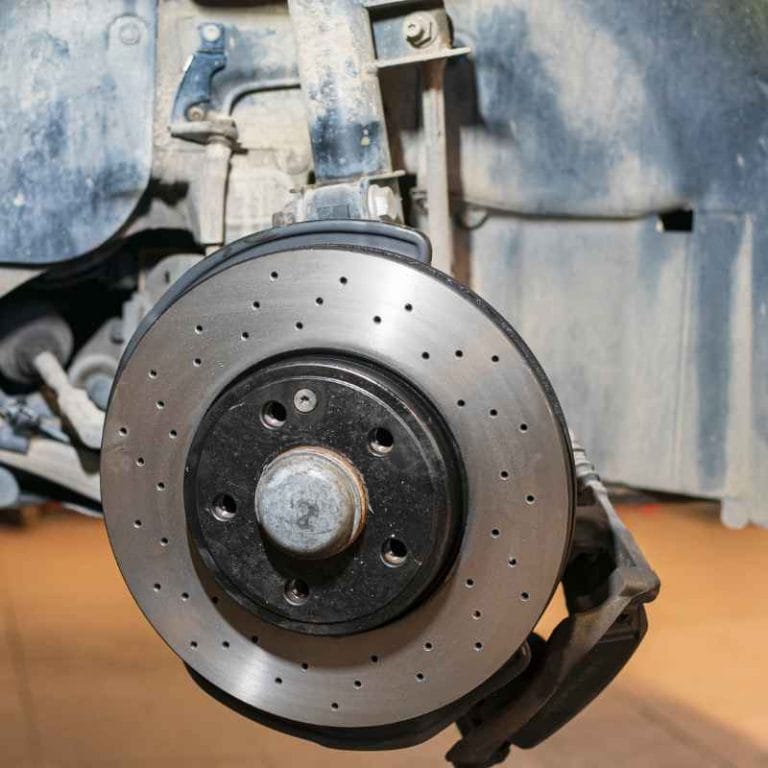
- Inspect Rotors: While you have the wheel off, check your brake rotors for any scoring, warping, or excessive wear. If they are damaged, they should be replaced or resurfaced.
- Clean Components: Use brake cleaner to remove old dust and debris from the caliper bracket and any other accessible parts.
- Bed-In New Pads: Follow the manufacturer’s instructions for “bedding in” the new pads. This process is crucial for optimal performance and longevity. Typically, it involves a series of moderate stops followed by cooling periods.
When to Replace Brake Pads
Knowing when to replace your brake pads is crucial for safety. Most pads have a wear indicator that will make a high-pitched squealing sound when the pads are getting low. You can also visually inspect them through the wheel spokes.
- Listen for Squealing: A constant high-pitched squeal when the brakes are applied usually means the wear indicators are making contact.
- Check Pad Thickness: If the friction material is worn down to 3mm (about 1/8 inch) or less, it’s time for replacement.
- Feel the Brakes: If you notice a spongy feeling in the brake pedal, reduced stopping power, or if the pedal goes lower than usual, it could indicate worn pads or other brake issues.
- Visual Inspection: Look at the brake pads through the wheel. You should see a substantial amount of friction material. If it looks very thin, they need replacing.
Ignoring these signs can lead to complete brake failure or damage to the rotors, resulting in more costly repairs.
Frequently Asked Questions
Where is the absolute cheapest place to buy car brake pads?
The absolute cheapest place is often specialized online discount retailers like RockAuto. However, remember to factor in shipping costs, as these can sometimes offset initial savings. Always compare the total cost, including shipping, with other retailers.
Can I buy brake pads online and have a local mechanic install them?
Yes, you absolutely can. Many people choose this option to save money. Just be sure to communicate with your mechanic beforehand to ensure they are willing to install customer-provided parts, and confirm the parts you’ve purchased are the correct ones for your vehicle.
Are OEM brake pads always better than aftermarket?
Not necessarily always better, but they are designed to meet the exact specifications of your vehicle. Aftermarket brake pads, especially from reputable brands, can sometimes offer superior performance, durability, or specific characteristics (like less dust) that might be preferable for your driving needs. However, OEM parts offer guaranteed compatibility and adherence to manufacturer standards.
How long do brake pads typically last?
Brake pad lifespan varies greatly depending on the material type, your driving habits, and the conditions. Generally, organic pads might last 20,000-30,000 miles, semi-metallic pads 30,000-50,000 miles, and ceramic pads can last 40,000-70,000 miles or more. Aggressive driving, heavy braking, and towing will significantly reduce lifespan.
Is it okay to mix brake pad brands on the same axle?
No, it is not recommended to mix brake pad brands or types on the same axle. This can lead to uneven braking, premature wear of one set of pads or rotors, and unpredictable braking performance. Always replace brake pads in complete sets for each axle.
Final Thoughts
Choosing the best place to buy car brake pads involves balancing cost, convenience, and the need for specific part quality. Online retailers offer incredible selection and pricing, while local stores provide immediate access and expert advice. No matter where you buy, prioritizing reputable brands, understanding your vehicle’s needs, and checking reviews will ensure you make a safe and sound purchase for your braking system. See also how to make car brake pipes at home is it even safe . See also why do car brakes suddenly fail warning signs to know.
Related pick: Check today's price on Amazon