Why Do Car Lights Bother Me At Night? Causes & Fixes
It’s late. You’re driving home, or maybe just trying to relax, and then it hits you. Those car headlights seem brighter than usual.
They’re glaring, annoying, and even a little painful. You might even feel a bit stressed just seeing them. If this sounds familiar, you’re not alone.
Many people find car lights at night to be a real bother. It can make driving feel unsafe and relaxing feel impossible. Let’s dive into why this happens and what we can do about it.
Car lights bothering you at night often stems from issues like glare, reduced night vision, or underlying eye conditions that affect how you perceive light after dark. Addressing these can significantly improve comfort and safety when driving or being outdoors at night.
Understanding Nighttime Light Sensitivity
Nighttime light sensitivity, also called nyctalopia, is when your eyes have trouble seeing in low light. This can make things like driving at night very difficult. It’s not just about seeing less; it’s about how light behaves when it hits your eyes in the dark.
Bright lights can seem way too strong. They might seem to spread out too much. This is often called glare.
Glare happens when bright light scatters inside your eye. This scattering bounces off the back of your eye and then back again. It can make it hard to see clearly.
Think of it like a fuzzy halo around lights. This makes it tough to focus on the road or other things you need to see. It can also make you squint or even feel a bit of pain.
Our eyes have special cells for seeing in dim light. These are called rods. They work differently than the cells we use in bright light, called cones.
When it’s dark, rods take over. But if something isn’t quite right with these rods, or how your eye processes light, you can have problems seeing well at night.
Several things can affect how your eyes handle light at night. These range from simple things like needing a new glasses prescription to more complex eye conditions. Understanding these causes is the first step to finding relief.
It’s like knowing why a door is stuck before you try to open it. We need to know the root of the problem.
Most people experience some glare or reduced vision at night. This is normal as our eyes adjust to less light. But when it becomes a significant bother, affecting your daily life or safety, it’s worth exploring.
The good news is that often, there are ways to manage or fix the issue. We’ll cover those later.
My Own Struggle with Headlights
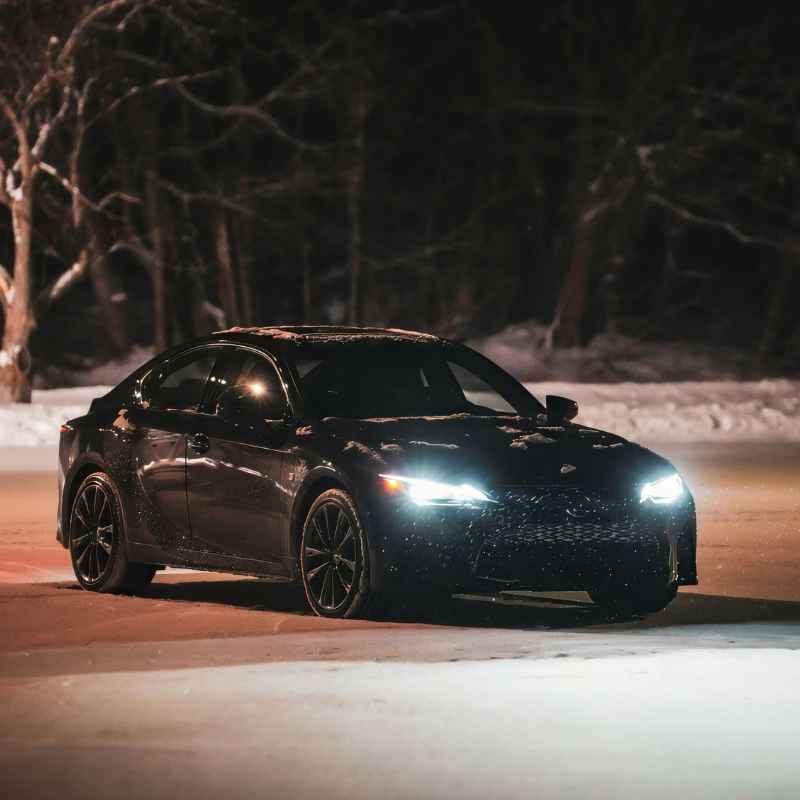
I remember one evening vividly. I was driving back from visiting my parents. It was a clear night, but the moon wasn’t out much.
Suddenly, car headlights felt like laser beams. Each oncoming car seemed to flash directly into my eyes. I found myself squinting so hard my forehead ached.
My hands gripped the steering wheel tighter.
I felt a knot of anxiety tighten in my stomach. Driving, which was usually easy for me, suddenly felt risky. I started to worry I’d miss a turn or drift into another lane.
I’d always been a bit sensitive to light, but this was new. It felt like my eyes were screaming in protest. I wanted the drive to be over.
I pulled over at one point, just to give my eyes a break. The darkness was a relief, but I knew I had to get home. I wondered if my eyes were changing.
Was I getting old? Was this just how it was going to be now? That night really stuck with me.
It made me realize how much I rely on being able to see clearly.
After that drive, I started paying closer attention. I noticed it wasn’t just headlights. Streetlights seemed brighter too.
Even reflections off wet roads felt intense. It was clear something was going on. It wasn’t just a minor annoyance anymore.
It was impacting my confidence and safety.
That experience pushed me to research and talk to people. I learned that many common things could cause this. It wasn’t necessarily a sign of something terrible.
Often, it was something simple that could be fixed. It made me feel less alone and more hopeful. That journey is what led me to share this information.
Common Causes of Bothering Car Lights
Glare: This is a big one. Light scattering in your eye makes bright spots fuzzy and intense. Modern LED and HID headlights can be much brighter than older ones.
This makes glare a bigger issue now.
Vision Changes: Your eyesight changes over time. If your prescription for glasses or contacts is out of date, it can affect how well you see in low light. Blurriness at night is a common sign.
Eye Conditions: Certain eye problems can make light sensitivity worse. Things like cataracts, dry eyes, or even issues with your cornea can affect how light enters your eye.
Pupil Size: In low light, your pupils get bigger to let in more light. If your pupils are large naturally, or if they don’t constrict properly in response to bright lights, it can increase glare.
Specific Reasons Why Lights Bother You
Let’s break down the main culprits behind that bothersome glare. Understanding these specific issues can help you pinpoint what might be affecting you. It’s like a detective case for your eyes.
1. Glare and Your Eye’s Structure
When light hits your eye, it goes through the cornea and the lens. These parts are supposed to focus the light onto the retina at the back. But if the surface of the cornea isn’t smooth, or if the lens is cloudy, light can scatter.
This scattering is glare. It’s like looking at a light through a dirty window.
The cornea is the clear front part of your eye. The lens is behind it, like the lens in a camera. If either of these gets uneven or cloudy, the light rays don’t focus perfectly.
They spread out. This spread-out light is what makes those bright lights seem so harsh and fuzzy.
Sometimes, astigmatism plays a role. Astigmatism happens when your cornea or lens is shaped more like a football than a basketball. This causes light to focus at multiple points, not just one.
This can lead to blurry vision and increased glare, especially at night when light sources are single points.
What it feels like: A starburst effect around lights. Things look fuzzy or less sharp. You might see halos or rings of light.
Driving can feel like you’re trying to see through a misty screen.
2. The Impact of Aging and Eye Health
As we get older, our eyes change. The lens inside your eye can become less flexible. It doesn’t focus as easily on things that are close up.
This is called presbyopia. While it mainly affects reading, it can also change how your eyes handle light overall.
The cornea can also change slightly with age. Its surface might not be as smooth as it once was. This can lead to more light scattering.
The tear film on your eye can also become less stable. This can make your eyes feel dry and irritated. Dry eyes can make glare much worse.
They can make light seem blurry and painful.
We often hear about cataracts. These are cloudy areas in the lens of your eye. They form slowly over time.
Cataracts are a very common cause of increased glare and difficulty seeing at night. They block and scatter light. If you notice your vision becoming dimmer or your colors less vibrant, especially at night, a cataract might be the reason.
What it feels like: Colors seem less bright. Driving feels harder than it used to. You might need brighter lights to read.
You notice more glare than you used to.
3. Modern Headlights: Brighter and Bluer
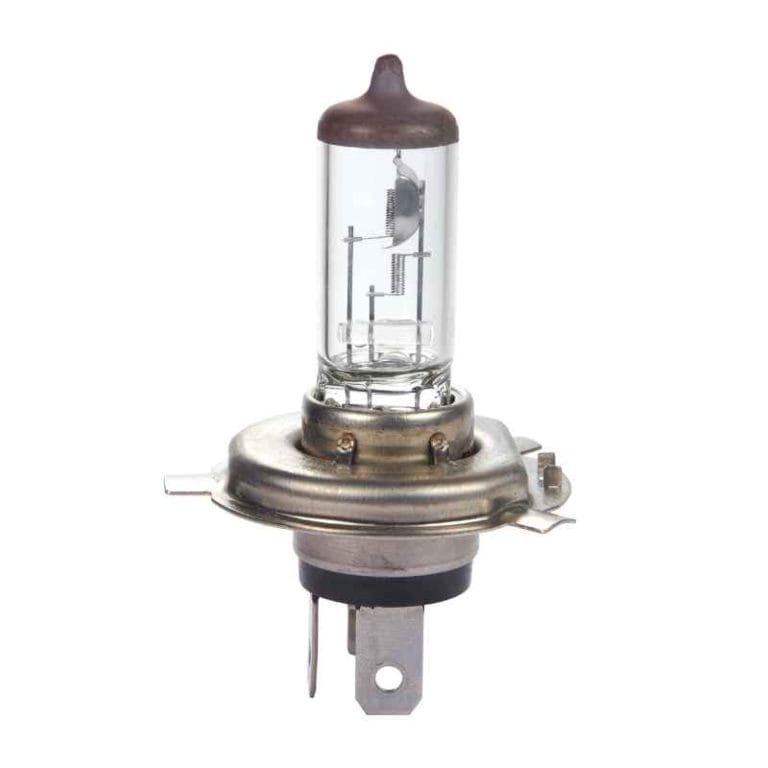
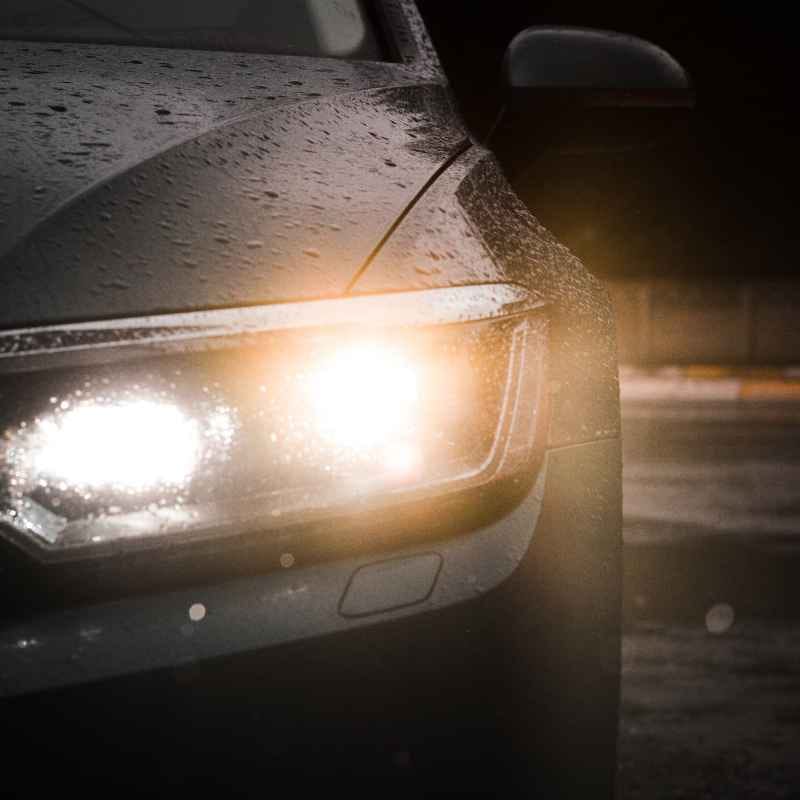
Car technology has changed a lot. Many new cars use LED (light-emitting diode) or HID (high-intensity discharge) headlights. These lights are much brighter than the old halogen bulbs.
They also tend to have a bluer tint. This bluer light can be more disruptive to our eyes.
Our eyes are very sensitive to blue light. When these bright, blue lights hit your eyes, they can cause more discomfort. The scattering effect can be more pronounced.
This is why even people who never had issues before might start finding car lights bothersome now. It’s not just you; the lights themselves are different.
The intensity of these new headlights can be overwhelming. They are designed to improve visibility for drivers. But for others on the road, they can be a significant source of glare.
This is a relatively recent change in the automotive world. So, if you’ve noticed this change in the last few years, it makes sense.
What it feels like: Headlights seem like intense white-blue beams. They pierce through the dark. They feel more aggressive than older headlights.
You might feel a sting or discomfort when they pass.
4. Dry Eyes and Eye Irritation
Dry eye syndrome is very common. It happens when your eyes don’t produce enough tears. Or, the tears they do produce evaporate too quickly.
Tears are crucial for keeping your eye surface smooth and clear. They wash away debris and help the cornea refract light properly.
When your eyes are dry, the tear film on the surface of your eye is not smooth. This uneven surface causes light to scatter. This makes glare worse.
It also makes your eyes feel uncomfortable, gritty, or tired. This discomfort can make you more sensitive to light in general.
Several things can cause dry eyes. Age is one factor. So are certain medications, medical conditions like Sjogren’s syndrome, and environmental factors like dry air or wind.
Even spending a lot of time looking at screens can reduce how often you blink, which dries out your eyes.
What it feels like: A gritty or sandy feeling in your eyes. Redness or burning. Eyes feel tired or heavy.
Light seems to have an extra layer of fuzziness or pain on top of the glare.
Quick Scan: Why Lights Bother Me
- Older Eyes: Natural aging changes how eyes focus and handle light.
- Outdated Prescription: Glasses or contacts not up-to-date can blur vision and increase glare.
- Astigmatism: Uneven cornea shape bends light strangely, causing starbursts and blur.
- Cataracts: Cloudy lens scatters light, making everything dimmer and more glaring.
- Dry Eyes: Uneven tear film on the eye surface causes light to scatter badly.
- New Car Lights: Brighter LED and HID headlights are designed for visibility but can cause more glare.
- Blue Light: The blue tint in modern lights is more easily perceived as harsh by the eye.
Real-World Scenarios and What to Do
Let’s talk about where you might notice this and what you can do about it. These are common situations many people face.
Driving at Night
This is the most common and often the most frustrating scenario. Driving at night requires your eyes to work harder. You need to see in low light while also dealing with bright, moving lights from other vehicles.
If you have any of the issues we’ve discussed, driving can become stressful or even feel dangerous.
Habits to Consider:
- Checking your prescription: Are your glasses or contacts current? Even a small change can make a big difference.
- Driving speed: Slowing down gives you more time to react to changing light conditions and other cars.
- Focusing your gaze: When facing oncoming headlights, try to focus on the white line on the right side of the road. This helps reduce direct glare.
- Keeping your windshield clean: A dirty windshield can scatter light and worsen glare.
Design Factors: Modern car headlights are designed for maximum visibility for the driver. However, this design choice can inadvertently increase glare for others. Manufacturers are starting to look at ways to reduce glare while keeping lights bright.
Evening Walks or Spending Time Outdoors
It’s not just driving. Sometimes, even a simple evening walk can be uncomfortable if streetlights or passing car lights are too much. If you’re trying to enjoy your porch or backyard after dark, bright lights from neighbors or the street can be a problem.
Habits to Consider:
- Wearing sunglasses: Even at dusk, wearing tinted glasses can help soften bright lights. Look for ones that reduce glare.
- Avoiding direct light: If possible, position yourself so direct light sources are not in your line of sight.
- Adjusting home lighting: Use softer, indirect lighting around your home. Avoid harsh, direct spotlights.
User Behavior: If you’re out and about, be aware of your surroundings. If a particular lighting situation is very uncomfortable, it’s okay to move away from it or head indoors.
Contrast Matrix: Normal vs. Concerning
| Situation | Normal Experience | Potentially Concerning |
|---|---|---|
| Glare from Headlights | A mild halo effect, slight squinting. You can still see clearly. | Lights are blinding, painful. You can’t see the road. Your vision is significantly impaired. |
| Seeing in Dim Light | Vision is reduced, colors are less vivid. It takes a moment to adjust. | You cannot see at all in dim light. You constantly bump into things. |
| Eye Comfort | Slight eye strain after a long drive. Feels normal. | Constant burning, gritty, or painful feeling in your eyes. Light causes sharp pain. |
What This Means for You
So, what’s the takeaway? Is this a normal part of getting older, or is it something more? Most of the time, increased sensitivity to car lights at night is manageable.
When It’s Normal
It’s normal to notice that lights are brighter at night. Our eyes are naturally less efficient in low light. As we age, these effects can become more noticeable.
Having a slightly outdated prescription can also cause more glare. Even driving in conditions like fog or rain can make lights seem worse than they are.
A mild increase in glare, a bit of squinting, or needing a second to adjust your vision when going from bright to dark areas are all typical. If you’ve always been a bit sensitive to light, you might just be noticing it more as you get older or as car lights become more advanced.
When to Get It Checked
You should see an eye doctor if your sensitivity is severe. If it makes driving feel unsafe or impossible, that’s a big signal. If you experience sudden changes in your vision, like flashes of light, floaters, or persistent blurry vision that doesn’t improve with glasses, seek medical attention immediately.
These could be signs of more serious eye conditions.
Also, if the sensitivity is accompanied by pain, redness, or discharge from your eyes, it’s important to get it checked. Persistent dry eyes that don’t improve with over-the-counter remedies also warrant a visit to the doctor. These could indicate conditions like cataracts, glaucoma, or severe dry eye syndrome.
Simple Checks You Can Do:
- Check your glasses prescription: If it’s been more than a year or two, get your eyes checked.
- Notice your blink rate: Are you blinking less when looking at screens? Try to blink more often.
- Assess your tear film: Do your eyes feel dry or gritty throughout the day?
Quick Fixes and Tips for Comfort
While you should always consult an eye doctor for persistent issues, here are some practical tips you can try right now to make things more comfortable.
Eyewear Adjustments
Anti-reflective (AR) coating: This is a game-changer for many people. AR coating on your glasses lenses reduces reflections. This means less glare from headlights and other light sources.
It makes your lenses appear clearer too.
Yellow-tinted lenses: For some people, yellow or amber tinted glasses can improve contrast and reduce glare from headlights. These tints filter out some of the blue light that can be harsh. You can get them as sunglasses or even as a specific pair of driving glasses.
Polarized lenses: While often thought of for daytime glare off water or roads, polarized lenses can also help cut down on glare from headlights, especially from reflections off wet surfaces.
Lifestyle and Habit Changes
Eye drops: If dry eyes are contributing to your sensitivity, using artificial tears can help. Look for preservative-free options if you use them often. Keeping your eyes lubricated helps maintain a smooth surface for light to pass through.
Take breaks: If you’re driving long distances, stop and rest your eyes. If you’re using screens, follow the 20-20-20 rule: every 20 minutes, look at something 20 feet away for at least 20 seconds.
Clean your car’s windows: Inside and out, a clean windshield and windows make a big difference. Smudges and dirt scatter light and create unwanted glare.
Adjust car settings: If your car has automatic headlight leveling, ensure it’s working correctly. Some cars also allow you to adjust the brightness or color temperature of interior displays.
Tips for Driving at Night
Tip 1: Update Your Prescription: Worn-out glasses or contacts can make night vision much worse. Get an eye exam yearly.
Tip 2: Clean Your Car: A clean windshield and mirrors are essential. Dirt and grime scatter light.
Tip 3: Use Night Driving Glasses: Yellow-tinted or anti-reflective lenses can really help cut glare.
Tip 4: Slow Down: Give yourself more time to see and react to things in the dark.
Tip 5: Look Ahead (Safely): Focus on the road ahead and the right-hand line, not directly into oncoming headlights.
Frequently Asked Questions
Why do my eyes hurt when I see car lights at night?
Eye pain from car lights at night can be due to several reasons. It might be increased glare scattering light inside your eye, making it feel intense. If your eyes are dry, this can worsen the discomfort.
Conditions like astigmatism or early cataracts can also make light feel painful because it’s not focusing correctly on your retina.
Is it normal for car headlights to seem brighter now than before?
Yes, it’s common for car headlights to seem brighter than they used to. Modern cars often use LED and HID bulbs that are much more intense than older halogen bulbs. Also, as our eyes age, they can become more sensitive to bright lights, especially those with a bluer tint.
So, a combination of newer technology and natural eye changes can make headlights seem more bothersome.
Can dry eyes cause problems with seeing car lights at night?
Absolutely. Dry eyes can significantly worsen your sensitivity to car lights at night. Tears form a smooth, clear layer over the surface of your eye.
When this layer is disrupted by dryness, light scatters unevenly. This scattering creates glare and can make lights appear fuzzy and uncomfortable. Treating dry eyes often helps improve night vision comfort.
What is the best type of glasses for driving at night?
For driving at night, glasses with an anti-reflective (AR) coating are highly recommended. This coating reduces glare from headlights and streetlights. Yellow or amber tinted lenses can also be very helpful, as they can improve contrast and filter out some of the harsh blue light from modern headlights.
Polarized lenses can also help reduce reflections.
How do I know if my night vision problem is serious?
If your night vision problems are severe, making driving unsafe, or if you experience sudden changes like flashes, floaters, persistent blurry vision, or pain, it’s time to see an eye doctor. While many night vision issues are due to normal aging or correctable vision problems, they can also be early signs of more serious eye conditions like cataracts, glaucoma, or retinal issues.
Are there specific eye exercises that help with light sensitivity?
While there aren’t specific eye exercises proven to reduce light sensitivity itself, focusing on general eye health can help. Exercises that improve focus and eye coordination, or techniques to manage dry eyes (like the 20-20-20 rule and conscious blinking), can indirectly make your eyes more comfortable and better able to handle varying light conditions. Always discuss specific exercises with your eye care professional.
Conclusion
It’s completely understandable to feel bothered by bright car lights at night. Our eyes are complex, and many factors can influence how we see in low light. From the natural changes that come with age to the technology in our cars, there are many reasons why this happens.
The most important thing is not to ignore it. Pay attention to how your eyes feel and function. Often, simple steps like updating your glasses, using AR coating, or managing dry eyes can make a huge difference.
If you have any concerns, always reach out to your eye doctor. Taking care of your vision is crucial for your safety and well-being.
See also how to increase car light brightness fast and safely.
Products related to this article
Sponsored / affiliate links. As an Amazon Associate I earn from qualifying purchases. I may earn additional commission from eligible campaigns.