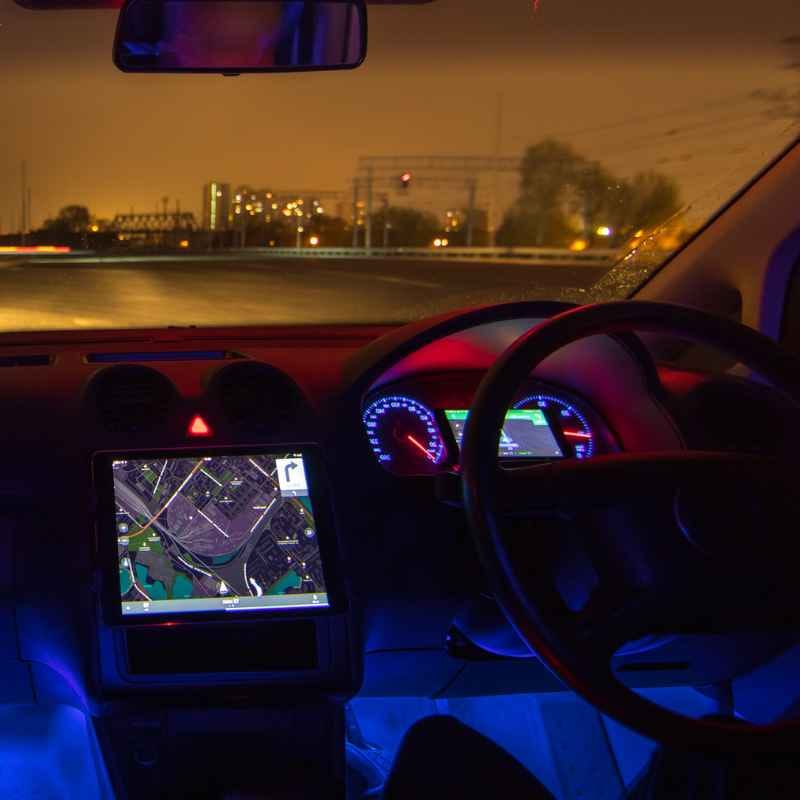
Why Can’T You Drive With The Interior Light On? Explained
It seems like a simple thing. You’re fumbling for something in your car at night, and you flip on the dome light. Easy, right?
But then you remember hearing that old rule: “Never drive with the interior light on.” It sounds a bit like a spooky story, but there’s actually a good reason behind it. Let’s dive into why this seemingly harmless habit can cause more trouble than you think.
Driving with your car’s interior light on at night is often advised against. It can attract unwanted attention from law enforcement. It can also drain your car battery over time, especially if left on for extended periods. Plus, it can make it harder to see the road.
Why Is Driving With Your Interior Light On a No-Go?
Let’s break down the main reasons people say to avoid this. It’s not just an old wives’ tale; there are solid practical and legal points to consider. Many drivers are unaware of the potential downsides until something happens.
The most common reason you hear is that it can attract the police. This might sound strange. Why would a simple light cause that?
Well, think about it from a police officer’s perspective. When they see a car with the interior lit up, especially late at night, it stands out.
It makes them wonder what’s happening inside. Are people having an argument? Is something illicit going on?
Or is the driver having trouble? It’s a beacon that says, “Look at me!” This increased attention can lead to them pulling you over. Once pulled over, they’ll check to see if everything is okay.
This can be inconvenient. Sometimes, it can lead to further questions about your driving or other matters.
This is especially true if the light is the only light on inside the car. It paints a picture that might not be accurate, but it’s how law enforcement officers are trained to observe things. They are looking for anything unusual that might indicate a problem.
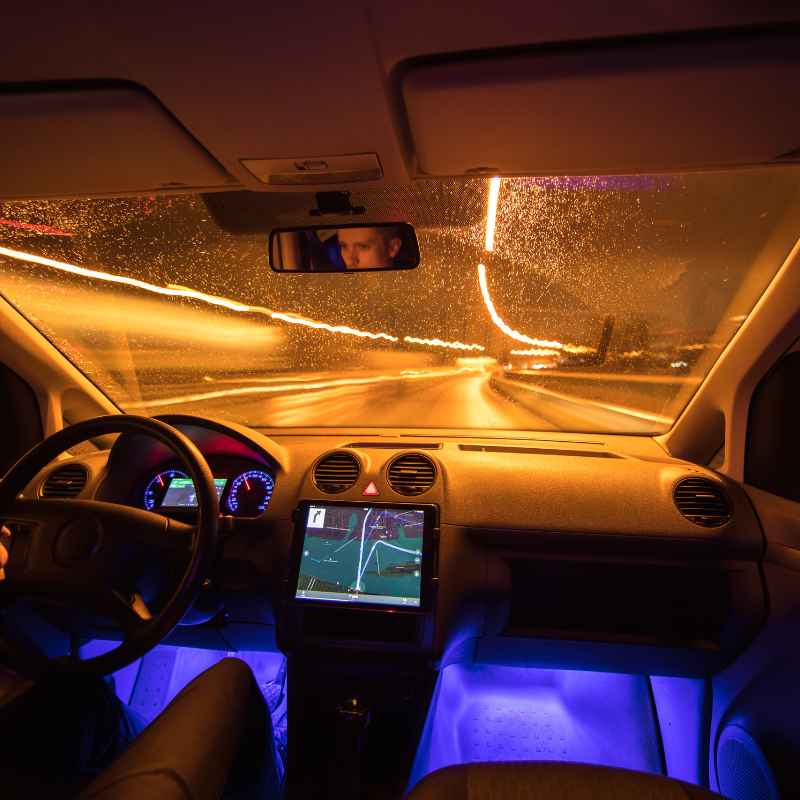
The Battery Drain Factor
Another big reason is battery drain. Your car’s battery is what powers everything when the engine is off. This includes the dome light, map lights, and any other interior lighting.
While a small LED dome light doesn’t use much power, older bulbs can. Even LEDs use some energy.
If you drive for a long time with the interior light on, it’s like leaving a small appliance plugged in. It’s constantly taking a little bit of power. Over an hour or two, this might not be a problem.
But if you forget about it, or if your battery is already getting old, it can start to weaken.
In the short term, it might just make your car a little harder to start the next morning. In the long term, especially with frequent use, it can shorten the lifespan of your battery. Batteries aren’t cheap to replace, so anything you can do to make yours last longer is a good idea.
This is more of a concern for older vehicles or those with weaker batteries. A healthy, new battery can handle a lot more. But why risk it?
It’s an easy habit to avoid. Most cars today have features to prevent complete battery drain from lights left on, but it’s still not ideal.
Visibility Issues: The Road Ahead
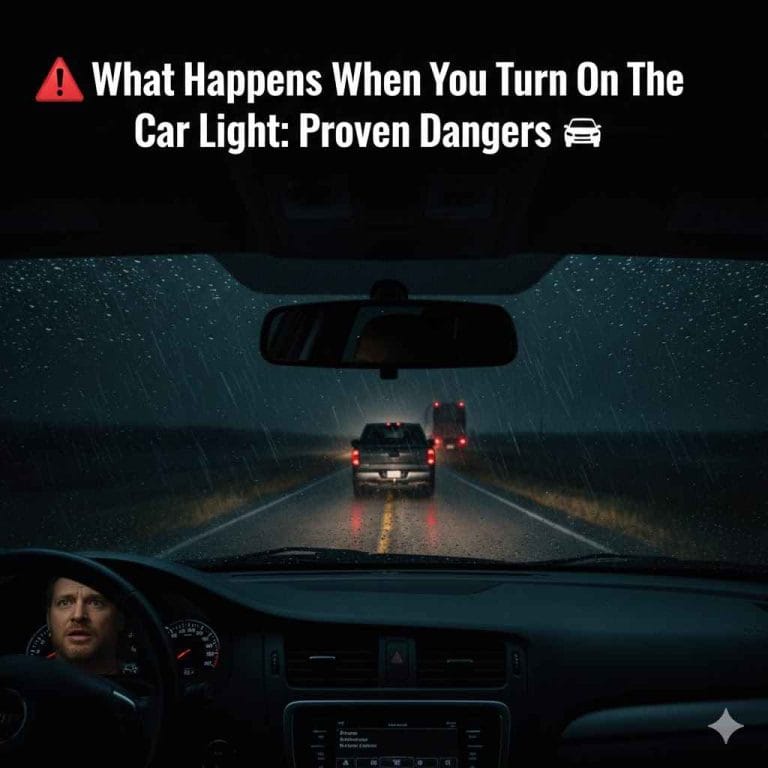
This is a point that often gets overlooked. When your car’s interior is brightly lit, it creates a contrast with the dark outside. This contrast can actually make it harder for your eyes to adjust to the darkness outside the car.
Your pupils will dilate to let in more light from the outside world. But the bright light inside your car tells your brain, “It’s bright in here.” This can affect your night vision. It’s like looking out a window on a sunny day from a dark room.
You can’t see as well outside.
When you’re driving, especially on roads without streetlights, good night vision is crucial. You need to see animals that might dart into the road. You need to spot potholes or debris.
You need to see other cars clearly. Any hindrance to your ability to see the road ahead is a safety risk.
Think about when you’re walking outside at night and someone turns on a bright porch light. For a moment, you can’t see anything beyond that light. It creates a “glare” effect, even though it’s not a direct glare from headlights.
The bright interior light can do the same for your perception of the external environment.
Quick Scan: Interior Light Risks
Police Attention: Makes your car stand out. Can lead to traffic stops.
Battery Strain: Uses power when the engine is off. Can weaken or drain the battery.
Reduced Visibility: Affects your night vision. Makes it harder to see the road.
Distraction: Light can bounce off surfaces. Might distract the driver.
When It Might Be Okay (But Still Risky)
Are there ever times it’s okay? Well, perhaps in a very well-lit parking lot, or when you’re parked on a private driveway. Even then, it’s usually brief.
Most modern cars have a setting for the dome light that turns it off automatically after a few minutes. This is a great feature designed to prevent battery drain. But this doesn’t remove the other risks, like attracting police attention or affecting visibility.
If you need to find something in your car, it’s better to pull over safely and turn on the light for a moment. Or use a flashlight. This way, you eliminate the driving risks entirely.
Safety should always come first. Even small risks add up.
Consider that many police officers are trained to look for specific behaviors. A car that’s moving slowly with the interior light on might be perceived differently than one parked. It adds an element of uncertainty for them, and uncertainty can lead to an investigation.
Real-World Scenarios and Experiences
I remember a time when I was helping a friend move late one evening. We were loading boxes into the trunk of my car. It was dark, and we kept turning on the interior light to see.
We were tired and not thinking much about it. We probably drove for about 20 minutes with the dome light on.
Suddenly, I saw flashing blue and red lights in my rearview mirror. My heart jumped! I immediately thought, “What did I do wrong?” I pulled over, and a police officer approached my car.
He asked if everything was okay.
I was confused and a little nervous. I explained we were just moving stuff. He said, “I saw your interior light on while you were driving.
It made me curious.” He was polite, checked my license and registration, and then let me go. He kindly advised me that it’s best not to drive with the interior light on.
That experience stuck with me. It wasn’t a serious issue, but it was an unnecessary interaction and a moment of real panic. I learned firsthand how a simple light can draw attention.
It’s a lesson I don’t forget, especially on late-night drives.
Another time, I was on a country road, very dark. I had a passenger who dropped their phone. They turned on the overhead light to find it.
I immediately felt a change in how I was seeing the road. The light inside felt like it was blinding me to what was outside.
I asked them to turn it off. The difference was noticeable. The darkness outside became clearer.
It made me realize how sensitive our eyes are at night. That brief moment of distraction and potential reduced visibility was a clear warning.
Myth vs. Reality: Interior Lights
Myth: The interior light uses almost no battery.
Reality: It uses battery power. Older bulbs use more. It can contribute to drain over time.
Myth: Police never care about interior lights.
Reality: It can be a reason for them to investigate or pull you over.
Myth: It doesn’t affect your vision at night.
Reality: It creates a contrast that can reduce your ability to see the road clearly.
How It Affects Your Car’s Electrical System
Your car’s electrical system is a delicate balance. The battery is the heart of it all. When the engine is running, the alternator charges the battery and powers everything.
But when the engine is off, it’s all on the battery.
Every electrical component draws power. Headlights, radio, interior lights, the clock – they all consume energy. The more things drawing power, the faster the battery drains.
For older cars with incandescent bulbs, the dome light could draw a significant amount of power. If you left it on for hours, it could certainly drain the battery enough to prevent the car from starting.
Modern cars have more efficient LED lighting. These use much less power. However, they still use power.
And while a modern battery is robust, constantly drawing power from it unnecessarily can still reduce its overall lifespan. It’s like running your phone at 100% all the time; it can degrade its capacity over years.
Some cars have a “load shedding” system. This system can automatically turn off non-essential items like interior lights if it detects the battery voltage is getting too low. This is a great safety feature.
It ensures you can still start your car. But it doesn’t eliminate the initial drain or the potential for shorter battery life.
Interior Light Usage: Normal vs. Concerning
Normal: Briefly turning on the light to find keys or a dropped item when parked.
Concerning: Driving for extended periods with the interior light on, especially at night.
Normal: Using map lights briefly to read directions while stopped.
Concerning: Leaving any interior light on while the engine is off for long durations.
What This Means for You and Your Driving Habits
So, what’s the takeaway? It’s pretty simple. Avoid driving with your interior light on whenever possible.
If you need to see something, pull over safely first. This is the safest and most responsible approach. It removes all the risks associated with driving with the interior light on.
Think about it as an extra layer of safety and care for your vehicle. It’s a small habit change that can prevent minor annoyances or even bigger problems down the road.
For example, if you’re searching for a dropped pen or trying to adjust the radio at night, your instinct might be to flip on the dome light. Instead, make it a habit to use your phone’s flashlight, or wait until you’re stopped.
This simple act shows respect for the road, for law enforcement, and for your car’s battery. It’s about being aware of your surroundings and how your actions affect them.
Quick Tips to Avoid Interior Light Problems
Here are a few easy ways to handle needing light inside your car without the risks:
- Use a small flashlight: Keep a small, pen-sized LED flashlight in your glove box or center console. It’s perfect for finding things without lighting up the whole car.
- Check your settings: Many cars allow you to adjust how long the interior lights stay on or if they turn off automatically. Consult your owner’s manual.
- Pull over safely: If you absolutely need to find something, find a safe spot to park. Then, turn on the interior light for as long as you need.
- Phone flashlight is key: Your smartphone is a powerful tool. Use its flashlight function for quick searches.
- Be mindful of others: Even if you don’t care about police attention or battery drain, bright lights can distract other drivers if they are close by.
Quick Checklist: Is Your Interior Light Okay?
| Situation | Recommended Action |
|---|---|
| Need to find dropped keys while driving | Pull over safely, then use light or flashlight. |
| Reading a map at a red light | Use a map light or phone if needed, but turn off when moving. |
| Interior light stays on too long after engine off | Check car settings or owner’s manual. |
| Car battery feels weak | Avoid unnecessary electrical drain. Get battery checked. |
Frequently Asked Questions
Can driving with the interior light on really get me pulled over?
Yes, it can. While it’s not a traffic violation in itself in most places, it can make your car stand out to law enforcement. They may approach your vehicle out of curiosity or concern, which could lead to a stop.
It’s best to avoid drawing unnecessary attention.
How much battery power does an interior light use?
It varies. Old incandescent bulbs use more power than modern LED lights. Even LEDs use some power.
If left on for a very long time, especially with an older or weaker battery, it can contribute to a drain significant enough to make starting the car difficult.
Will my car automatically turn off the interior light?
Many modern cars have a feature that automatically turns off interior lights after a set period if the engine is off. This is to prevent battery drain. However, it’s not universal, and older cars might not have this function.
Always check your owner’s manual.
Does it affect my vision more than just a little?
Yes, it can. When you’re trying to see in the dark, your eyes adjust. A bright light inside the car creates a strong contrast.
This can make it harder for your pupils to adjust to the darkness outside, temporarily reducing your ability to see the road and its surroundings clearly.
Is it bad for the car if I leave the interior light on overnight?
Leaving it on all night is not recommended. It will drain your battery. Depending on the bulb type and the battery’s condition, you might not be able to start your car in the morning.
It also puts unnecessary wear on the battery.
What’s the best alternative to using the interior light when I need to see something?
The best alternatives are to pull your car over to a safe, legal spot and then use the interior light. Alternatively, keep a small LED flashlight or use your smartphone’s flashlight feature. These methods are safer and don’t risk your battery or attract unwanted attention.
In Conclusion
So, there you have it. Driving with your car’s interior light on isn’t just an old driver’s tale; it has practical reasons behind it. From avoiding unwanted police attention to protecting your car’s battery and ensuring your own clear vision of the road, it’s a simple habit to adjust.
By pulling over or using a flashlight, you keep your drive safe and your car running smoothly.
See also how far can you drive on empty when the gas light is on .
Products related to this article
Sponsored / affiliate links. As an Amazon Associate I earn from qualifying purchases. I may earn additional commission from eligible campaigns.