How Many Light Vehicles Are In The Us? Latest Numbers
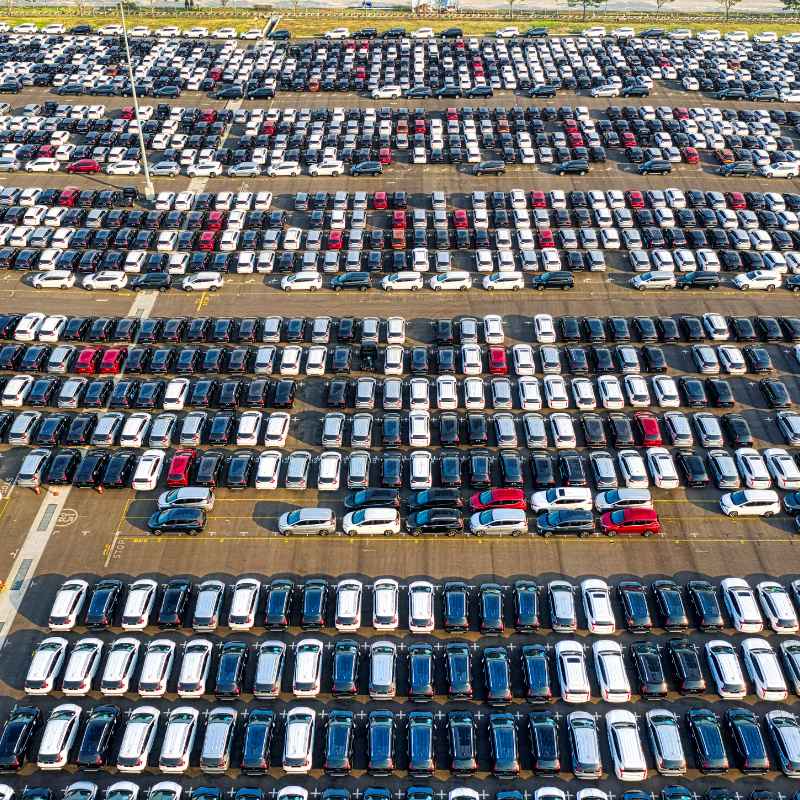
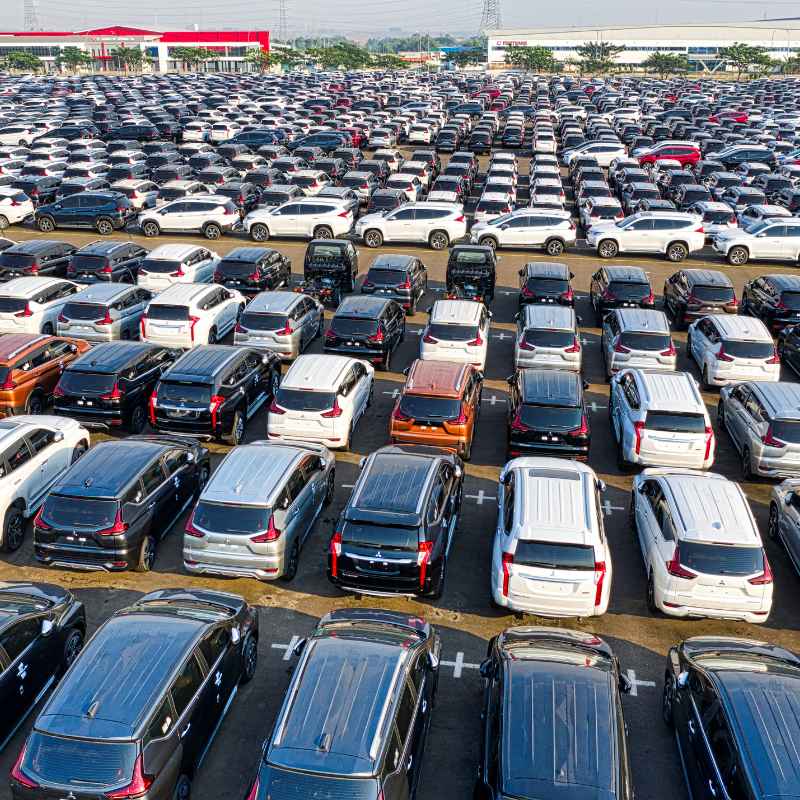
It’s a question that pops into your head when you’re stuck in traffic or seeing those endless rows of cars at a dealership. How many light vehicles are actually out there on American roads? It feels like a staggering number, and for good reason.
Understanding this figure helps us grasp a lot about our country’s habits, economy, and even our environment. Let’s dive into the latest data and see just how big this number is.
The United States has over 280 million registered light vehicles. This vast fleet includes cars, SUVs, and light trucks, representing a significant portion of the nation’s transportation infrastructure and economy.
The Big How Many Cars Are We Talking About?
When we talk about “light vehicles,” we’re usually talking about cars, SUVs, and light trucks. These are the everyday rides most people use. Think about your own commute, your neighbor’s driveway, or the parking lot at the grocery store.
It all adds up, and fast. The numbers are truly impressive. They tell a story about how Americans move and live.
The most recent figures show a massive number. We’re looking at figures that are constantly shifting, of course. New cars are bought, old ones are retired.
But the general trend is clear: the number of light vehicles on U.S. roads is huge. It’s not just a few million; it’s hundreds of millions.
The exact number can vary slightly depending on the source and when the data was collected. Government agencies and industry groups track these numbers closely. They use data from states and registration records.
This helps us get a clear snapshot. Let’s look at the most reliable figures we have.

Understanding “Light Vehicles”
It’s helpful to know what exactly falls into the category of a “light vehicle.” This term is key. It usually covers passenger cars, sport utility vehicles (SUVs), minivans, and light trucks. These are vehicles typically weighing less than 10,000 pounds (about 4,500 kilograms).
This definition is important because it excludes larger trucks, buses, and heavy-duty vehicles.
Why does this distinction matter? It helps us focus on the personal transportation aspect. These are the vehicles most households own and operate.
They are the backbone of daily commutes, errands, and family trips across the country. They are what most of us think of when we picture American roads.
The variety within this category is also vast. From tiny compact cars to roomy SUVs and versatile pickup trucks, the American garage is diverse. Each type serves different needs.
But they all contribute to the total count of light vehicles that are registered and in use.
This broad category reflects changing consumer preferences over the years. Once, sedans dominated. Now, SUVs and trucks are incredibly popular.
All these shifts are captured in the overall numbers of light vehicles we see today.
The Latest Official Numbers
So, what are the actual numbers? Based on the latest available data, often from sources like the U.S. Department of Transportation and the Bureau of Transportation Statistics, the figure is quite striking.
We are talking about well over 280 million registered light vehicles in the United States.
This number represents the total count of cars, SUVs, and light trucks that are legally registered to operate on public roads. It’s a dynamic figure, but it gives us a solid benchmark. Think about that number: 280 million!
It’s a testament to the centrality of personal vehicles in American life.
This figure includes vehicles that are actively driven and those that might be registered but used less frequently. It’s the grand total of personal and light commercial vehicles that contribute to the traffic we see every day. It also reflects the sheer scale of automotive manufacturing and sales in the U.S.
The number has been steadily increasing over the decades. This growth mirrors population increases and economic development. More people means more households needing transportation.
More economic activity often means more commercial use of light trucks as well. It’s a connected system.
Historical Trends: How Did We Get Here?
It’s fascinating to look back and see how the number of light vehicles has grown. In the early days of the automobile, having a car was a luxury. Now, it’s often a necessity for many Americans.
This shift didn’t happen overnight. It’s the result of many factors.
Think about the post-World War II era. That was a boom time for car ownership in America. The economy was strong, and the interstate highway system was being built.
Suburbs grew, and people needed cars to get around. This led to a massive increase in vehicle registrations.
Over the years, factors like increased disposable income, advancements in car technology making them more reliable, and changes in urban planning all played a role. Fuel prices, environmental concerns, and shifts in lifestyle have also influenced the types of vehicles people buy, but the total number has generally climbed.
Even during economic downturns, while new car sales might dip, the overall number of registered vehicles often remains high. People tend to hold onto their cars longer. This means the fleet size can be quite resilient.
The trend has been a consistent, upward march in the number of light vehicles.
Vehicle Registration Snapshot
What’s included? Passenger cars, SUVs, minivans, light trucks.
What’s excluded? Heavy trucks, buses, motorcycles, RVs (sometimes).
Why it matters: This count reflects personal mobility and economic activity.
Breakdown by Vehicle Type
The total number of light vehicles is impressive, but it’s also broken down into different types. Passenger cars, SUVs, and light trucks all make up significant portions of that 280 million-plus figure. Each category tells a part of the story of American drivers.
For a long time, passenger cars were the dominant type. They were efficient and relatively affordable. However, in recent decades, SUVs have seen a dramatic surge in popularity.
Their versatility, perceived safety, and often higher driving position appeal to many consumers.
Light trucks, particularly pickup trucks, also represent a huge segment. They are essential for many industries like construction and agriculture. But they’ve also become very popular for personal use, prized for their utility and ruggedness.
This has significantly shifted the mix of vehicles on the road.
The exact percentages shift year by year. However, it’s common to see SUVs and light trucks making up a larger and larger share of new vehicle sales. This trend directly impacts the composition of the total U.S.
light vehicle fleet. It’s a dynamic market driven by consumer choice.
Geographic Distribution: Where Are All These Cars?
It’s not just about the total number; it’s also about where these vehicles are located. Naturally, states with larger populations have more registered light vehicles. California, Texas, Florida, and New York, for example, consistently have the highest numbers.
However, it’s also interesting to look at vehicle ownership per capita. Some states, often with more rural areas and longer driving distances, tend to have higher rates of vehicle ownership per person. This highlights how geography and lifestyle influence our reliance on cars.
Rural areas often depend heavily on personal vehicles because public transportation options are limited. In contrast, densely populated urban centers might see slightly lower per-capita ownership as more people rely on public transit, carpooling, or ride-sharing services. Though even in cities, cars are very common.
The infrastructure also plays a role. States with extensive highway systems and readily available parking tend to support higher vehicle ownership. The climate can also be a factor, with areas experiencing harsh winters sometimes seeing different vehicle preferences or usage patterns.
Top States by Vehicle Registration (Illustrative)
| State | Approx. Registered Light Vehicles |
| California | Over 30 million |
| Texas | Over 20 million |
| Florida | Over 17 million |
| New York | Over 11 million |
Note: Figures are approximate and for illustration based on general trends.
The Economic Impact of So Many Cars
The sheer number of light vehicles in the U.S. has a massive economic impact. Think about the entire automotive industry: manufacturing, sales, maintenance, fuel, insurance, and financing.
It’s a huge part of the U.S. economy.
Car manufacturing alone supports millions of jobs. The sales and dealership networks are significant employers. Then there’s the aftermarket: mechanics, parts suppliers, tire shops, car washes, and detailing services.
All these industries thrive because of the millions of vehicles on the road.
Fueling these vehicles is another massive economic activity. Gas stations, oil refineries, and the entire energy sector are closely tied to vehicle usage. The insurance industry is also a giant, providing necessary coverage for drivers.
Beyond direct industry jobs, the availability of personal vehicles enables other economic activities. People can commute to jobs further away. Businesses can distribute goods and services more easily using light trucks.
It makes the economy more mobile and accessible for many.
The constant cycle of buying, selling, and maintaining vehicles creates ongoing economic activity. Even the disposal and recycling of old vehicles contribute to the economy. It’s an ecosystem that touches almost every aspect of our financial lives.
Environmental Considerations
With so many light vehicles, environmental impact is a crucial consideration. The emissions from millions of cars and trucks contribute to air pollution and greenhouse gas effects. This is a major challenge that requires ongoing attention and solutions.
Governments and manufacturers are working to address this. Stricter emissions standards have been put in place over the years. The development and adoption of hybrid, electric, and more fuel-efficient vehicles are key strategies to reduce the environmental footprint.
The types of vehicles people choose also matter. The shift towards SUVs and trucks, while driven by consumer preference, can sometimes lead to lower overall fuel efficiency for the fleet compared to a dominance of smaller cars. This is a complex balance.
Beyond emissions, there are other environmental concerns. Tire wear contributes to microplastic pollution. Runoff from roads can carry pollutants into waterways.
The manufacturing process itself, from resource extraction to assembly, has an environmental cost.
Awareness is growing, and consumer choices are increasingly influenced by environmental factors. Government incentives for electric vehicles and investments in public transportation aim to create a more sustainable future. But the sheer volume of existing gasoline and diesel vehicles means this is a long-term effort.
Environmental Focus Areas
Emissions Reduction: New technologies and cleaner fuels are key.
Fuel Efficiency: Encouraging more miles per gallon.
Electrification: Shifting towards electric vehicles (EVs).
Infrastructure: Charging stations and public transit support.
Lifecycle Impact: Considering manufacturing and disposal.
The Future of Light Vehicles in the US
What does the future hold for the number and type of light vehicles in the U.S.? It’s likely to be a period of significant change. The trend toward electric vehicles (EVs) is undeniable.
As battery technology improves and charging infrastructure expands, we can expect to see a growing percentage of the fleet being electric. This will gradually reduce reliance on fossil fuels and lower tailpipe emissions. Government policies and consumer demand are pushing this transition.
Autonomous driving technology is also developing. While widespread adoption is still some way off, it could change how vehicles are used. We might see more shared autonomous vehicles, potentially reducing the need for individual ownership for some people.
However, the desire for personal mobility and the convenience of owning a vehicle are deeply ingrained in American culture. It’s unlikely that the total number of registered vehicles will drop dramatically in the near future. Instead, we might see a shift in the types of vehicles and how they are powered.
The demand for SUVs and trucks may continue, but with more electric and hybrid options available. The challenge will be managing the transition from the current gasoline-powered fleet to a more sustainable future. This involves not just new vehicle sales but also managing the vast number of existing vehicles.
Personal Experience: The Car in My Life
I remember my first car. It was a used sedan, nothing fancy. But it felt like freedom.
I could go anywhere, anytime. It was essential for getting to my part-time job after school and visiting friends who lived across town. That car represented independence and possibility.
It was a small, old machine, but it felt like the world opened up.
Later, when I moved to a bigger city for work, my relationship with cars changed. Public transport was good, and I often walked. Owning a car felt less necessary, almost like a burden with parking costs and traffic.
Still, when I visited my family back home, having a car to drive was crucial. It highlighted how our needs and environments shape our reliance on vehicles.
Now, in my own home, I see the mix. We have one car that gets used daily for commutes and errands. It’s a practical SUV, good for hauling groceries and occasional weekend trips.
We also have a newer electric vehicle that’s mostly used for local driving. It’s exciting to see the technology evolve, and it feels good to reduce our fuel stops. But the sheer number of cars around us, even in our neighborhood, is a constant reminder of the scale of this topic.
Quick Scan: Vehicle Trends
Trend: Rise of SUVs and Light Trucks.
Trend: Growing interest in Electric Vehicles (EVs).
Trend: Focus on Fuel Efficiency.
Trend: Aging vehicle fleet (people keeping cars longer).
When is a Lot of Cars Too Much?
So, with over 280 million light vehicles, when does it become “too much”? This is a complex question with no easy answer. It touches on sustainability, infrastructure, and quality of life.
From an environmental standpoint, more vehicles often mean more pollution and resource consumption. This is a clear indicator that the current number, and how we power them, needs continuous improvement. The push for cleaner energy sources is driven by this concern.
From an infrastructure perspective, roads, bridges, and parking facilities are constantly strained by traffic. Congestion costs time and money. Maintaining and expanding this infrastructure is a huge undertaking.
When roads are perpetually crowded, it can impact the efficiency of businesses and the daily lives of citizens.
Quality of life is also affected. Excessive traffic can lead to noise pollution, stress, and reduced safety. The amount of land dedicated to roads and parking lots can also shape the character of our communities, sometimes at the expense of green spaces or pedestrian-friendly areas.
However, it’s also important to remember that for many Americans, personal vehicles are essential for access to jobs, education, healthcare, and social connections. A drastic reduction in vehicle availability without robust alternatives could create significant hardship.
The goal isn’t necessarily fewer vehicles, but smarter, cleaner, and more efficient use of them, alongside viable alternatives. It’s about finding a balance that supports mobility without compromising the environment or our well-being.
Simple Checks and What to Watch For
While you don’t need to track the national fleet, understanding the context can be helpful. For your own vehicle, regular maintenance is key. This helps keep it running efficiently, reduces emissions, and can prolong its life.
Are you noticing increased fuel consumption? That could mean it’s time for a tune-up or new tires. Is your check engine light on?
Get it checked promptly; small issues can become big problems.
When considering a new vehicle, think about your actual needs. Do you really need a large SUV for your daily commute? Or would a smaller, more fuel-efficient car, or even an electric vehicle, be a better fit for your lifestyle and budget?
Looking at hybrid or electric options is becoming increasingly practical.
Consider how much you actually drive. If your car often sits parked for days at a time, perhaps explore car-sharing services or ride-sharing for those occasional needs. This isn’t about giving up your car entirely, but about making informed choices that fit your life and contribute to a more efficient system.
Frequently Asked Questions
What is the most recent total number of registered light vehicles in the U.S.?
As of the latest available data, there are over 280 million registered light vehicles in the United States. This figure includes passenger cars, SUVs, and light trucks.
What types of vehicles are included in the “light vehicle” category?
The term “light vehicle” typically refers to passenger cars, sport utility vehicles (SUVs), minivans, and light trucks. These are generally vehicles weighing less than 10,000 pounds (about 4,500 kg).
Which states have the most registered light vehicles?
States with the largest populations, such as California, Texas, Florida, and New York, consistently have the highest numbers of registered light vehicles. Vehicle ownership can also be high per capita in states with more rural areas.
How are electric vehicles (EVs) affecting the total number of light vehicles?
Electric vehicles are a growing segment of the light vehicle fleet. As more EVs are produced and purchased, they contribute to the overall number of registered vehicles, but they represent a shift towards a different power source, aiming to reduce emissions.
Has the number of light vehicles always been this high in the U.S.?
No, the number of light vehicles has increased significantly over time. Following World War II, car ownership surged with economic growth and the expansion of the highway system. The number has generally trended upward for decades.
What is the environmental impact of so many light vehicles?
The large number of light vehicles contributes to air pollution, greenhouse gas emissions, and resource consumption. Efforts to mitigate this include stricter emissions standards, the development of fuel-efficient vehicles, and the transition to electric power.
Final Thoughts on the Numbers
Seeing the number of light vehicles in the U.S. – over 280 million – is quite an eye-opener. It highlights our deep reliance on personal transportation.
This vast fleet drives our economy but also presents significant environmental challenges. Understanding these numbers helps us appreciate the scale of the automotive landscape we navigate daily.
See also why is my car light on most common reasons explained.
Products related to this article
Sponsored / affiliate links. As an Amazon Associate I earn from qualifying purchases. I may earn additional commission from eligible campaigns.