Why Do Tires Catch on Fire? Causes You Need to Know
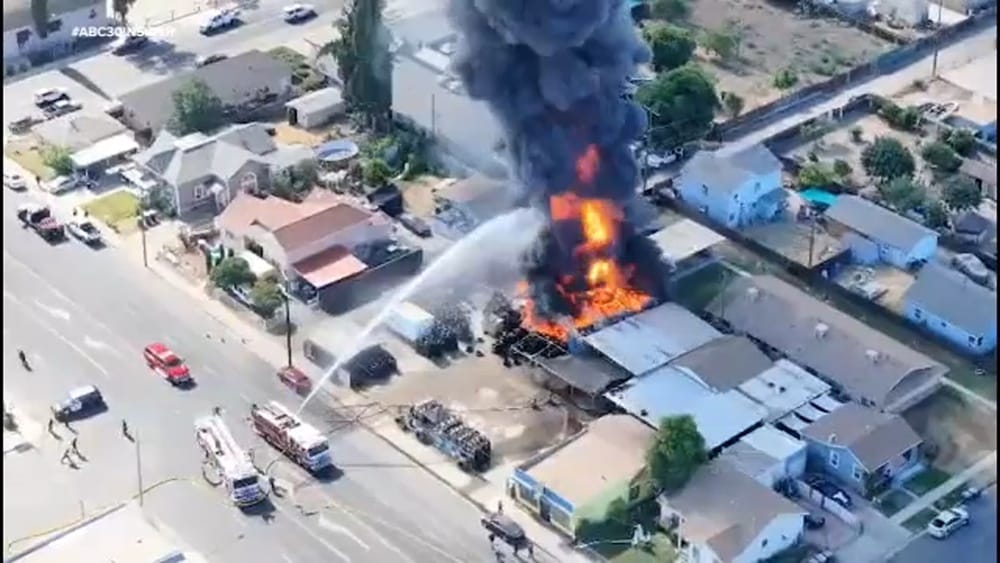
Tires are an integral part of modern transportation, ensuring vehicles move safely and efficiently. Yet, these essential components can pose significant risks when they catch fire—leading to catastrophic accidents, environmental disasters, and hazardous conditions for drivers and communities. Understanding why tires catch on fire, the causes behind such incidents, and the unique properties that make tire fires so challenging is crucial for anyone concerned about safety and environmental health.
Tire fires are notorious for their intensity, persistence, and the toxic smoke they produce. Unlike many other materials, tires can burn for days or even weeks, releasing harmful pollutants into the air. The widespread use of tires, combined with improper disposal and accidental ignition, makes tire fires a global concern.
Whether it’s a highway accident, an industrial mishap, or a landfill disaster, the consequences can be severe and far-reaching. In addition to immediate threats, the aftermath of tire fires often involves long-term environmental remediation and public health monitoring. This article explores the underlying causes of tire fires, the science behind their combustibility, real-world examples, prevention strategies, and the environmental impact, offering a comprehensive guide for professionals, enthusiasts, and concerned citizens alike.
Key Takeaways
- Tire fires are caused by both accidental and deliberate ignition, often exacerbated by improper storage or disposal.
- The composition of tires, including synthetic rubber and petroleum products, makes them highly combustible and difficult to extinguish.
- Environmental and health risks from tire fires are significant, releasing toxic gases and pollutants.
- Preventing tire fires involves proper storage, recycling, and handling of tires, as well as fire safety protocols.
- Real-world case studies highlight the devastating impact of large-scale tire fires globally.
- Understanding the science and causes behind tire fires is essential for effective prevention and response.
Credit: lacrosebike.com
The Science Of Tire Combustion
Tires may seem like simple rubber rings, but their composition and structure make them surprisingly flammable. To understand why tires catch on fire, it’s essential to examine their chemical makeup and the factors that contribute to their combustibility.
Chemical Composition Of Tires
Modern tires are engineered for durability, flexibility, and performance. Typically, they are composed of:
- Natural rubber
- Synthetic rubber (such as styrene-butadiene)
- Petroleum-based compounds
- Carbon black
- Steel and textile reinforcements
- Antioxidants and vulcanizing agents
The balance between natural and synthetic materials is designed to optimize tire performance, but this mix also enhances combustibility. The presence of petroleum products and carbon black means tires contain hydrocarbons, which are highly combustible. When exposed to sufficient heat or flame, these compounds break down, releasing energy and igniting.
Moreover, the additives used in tire manufacturing, such as sulfur (for vulcanization), zinc oxide, and various chemical accelerators, can influence the burning characteristics. As tires age, some of these chemicals may degrade, but the overall combustibility remains high.
Ignition Temperatures And Conditions
Tires require a relatively high temperature to ignite compared to other materials. The auto-ignition temperature of tire rubber ranges between 400°F and 750°F (204°C to 399°C), depending on the specific formulation and environmental conditions. However, under the right circumstances—such as prolonged exposure to open flame, friction, or electrical sparks—tires can catch fire more easily.
Common ignition sources include:
- Open flames (e.g., arson, welding sparks)
- Electrical faults (e.g., malfunctioning equipment)
- Friction and overheating (e.g., locked brakes, under-inflated tires)
- Spontaneous combustion (rare, but possible in large tire piles)
Friction-induced fires are especially common in transportation accidents, where a stuck brake or a blown tire can heat the rubber to ignition point. In storage and landfill scenarios, spontaneous combustion can occur due to heat buildup within compacted piles, especially if organic materials or other combustibles are present.
Why Tire Fires Are So Difficult To Extinguish
Tire fires are uniquely challenging due to several factors:
- Dense stacking: Tires in piles restrict airflow, causing smoldering fires that burn deep within the stack. This makes it difficult for firefighters to reach the seat of the fire, allowing heat to build and combustion to continue.
- Insulating properties: Rubber acts as an insulator, trapping heat and prolonging combustion. Even after the visible flames are extinguished, internal smoldering can persist, leading to re-ignition.
- Toxic smoke: Burning tires release thick, black smoke filled with polycyclic aromatic hydrocarbons (PAHs), benzene, and other carcinogens. This smoke can travel great distances, affecting air quality and health far from the fire site.
- Persistent heat: Tire fires can burn for days, weeks, or even months, making them extremely difficult to control. Firefighters often need to use heavy equipment to break apart tire piles and reach hidden embers.
- Limited water effectiveness: Water can be ineffective, as it may not penetrate deep enough and can create hazardous runoff.
Comparison Table: Tire Vs. Other Combustible Materials
| Material | Auto-Ignition Temp (°F) | Combustibility | Smoke Production | Extinguishing Difficulty |
|---|---|---|---|---|
| Rubber Tire | 400-750 | High | Very High | Very Difficult |
| Wood | 572 | Moderate | Moderate | Moderate |
| Plastic (PVC) | 750 | High | High | Difficult |
| Petroleum | 500 | Very High | Very High | Difficult |
| Paper | 451 | Moderate | Low | Easy |
This comparison highlights why tire fires, while not the easiest to ignite, are among the most difficult to extinguish and manage due to their composition and structure.

Credit: www.capitalone.com
Main Causes Of Tire Fires
Tire fires can be triggered by a variety of factors, ranging from accidental ignition to deliberate arson. Understanding these causes is essential for preventing future incidents.
Accidental Ignition
Many tire fires begin unintentionally, often due to:
- Electrical faults: Malfunctioning equipment or short circuits in storage facilities can spark fires.
- Friction and overheating: Tires subjected to excessive friction—such as from locked brakes or under-inflation—can generate enough heat to ignite.
- Hot work operations: Welding, cutting, or grinding near tire stacks can produce sparks that ignite nearby tires.
- Improper storage: Piles of tires stored outdoors may catch fire from lightning strikes or nearby burning debris.
For instance, in commercial settings, a single spark from maintenance work can smolder unnoticed within a pile of tires for hours before erupting into a full-scale fire. In transportation, overheated wheel assemblies can ignite tires on moving vehicles, especially when brakes are applied excessively or when tires are under-inflated, increasing friction and heat.
Deliberate Arson
Arson is a leading cause of tire fires worldwide. Motivations vary, but can include:
- Insurance fraud
- Protest or demonstration
- Vandalism
In many cases, arsonists target tire piles because they know the resulting fire will be difficult to control and highly visible. Tire fires have been used as a tool for protest and unrest, with large plumes of black smoke serving as a dramatic signal.
Law enforcement agencies often struggle to identify and prosecute arsonists in such cases, especially in remote or unsecured locations.
Improper Disposal And Storage
Improper tire disposal contributes to the risk of fire:
- Unregulated landfills: Large piles of tires in dumps can become ignition sources, especially if exposed to heat or flame.
- Illegal dumping: Tires dumped in forests or vacant lots are at risk of accidental ignition.
- Lack of firebreaks: Poorly managed tire storage facilities without proper spacing or fire barriers increase the chance of fire spreading.
In many developing regions, the lack of recycling infrastructure leads to widespread illegal dumping. These unauthorized dumps are rarely monitored, and the proximity of dry vegetation, trash, or flammable materials heightens fire risks.
Environmental Factors
Certain environmental conditions exacerbate tire fire risk:
- High ambient temperatures
- Drought and dry vegetation
- Lightning strikes
When these factors combine with improper storage or accidental ignition, the likelihood of tire fires increases. For instance, during heatwaves or droughts, even a minor ignition source can result in a rapidly spreading fire, especially in areas with accumulated dry grass or brush.
Case Study: The Hagersville Tire Fire (ontario, Canada, 1990)
One of the most notorious tire fires occurred in Hagersville, Ontario. A pile of over 14 million tires caught fire, burning for 17 days and releasing massive amounts of toxic smoke. The fire was started by arson and required extensive resources to extinguish. The environmental impact was severe, and the cleanup cost exceeded $20 million. The incident prompted stricter regulations on tire storage and disposal in Canada.
This case illustrates not only the dangers of large tire accumulations but also the costly aftermath, both in financial terms and community health. After Hagersville, Canadian provinces enacted tighter controls, such as licensing requirements for tire storage facilities and investments in recycling infrastructure.

Credit: www.wqad.com
Environmental And Health Impacts
Tire fires are not just a safety issue—they pose profound environmental and health risks. The combustion of tires releases hazardous pollutants and creates long-lasting ecological damage.
Toxic Smoke And Air Pollution
Burning tires emit thick, black smoke filled with toxic chemicals such as:
- Benzene
- Styrene
- Polycyclic aromatic hydrocarbons (PAHs)
- Dioxins
- Sulfur oxides
- Heavy metals (e.g., lead, zinc)
According to the U.S. Environmental Protection Agency (EPA), tire fires can release up to 100 times more pollutants than burning wood or paper. These pollutants can linger in the air, affecting communities miles away from the fire site. The particulate matter in tire fire smoke is particularly dangerous because it can penetrate deep into the lungs and enter the bloodstream, exacerbating pre-existing conditions like asthma or heart disease.
epa: Scrap Tire Fires
Soil And Water Contamination
The runoff from tire fires can seep into the soil and contaminate groundwater. Leachate from burned tires contains heavy metals and carcinogens, posing risks to agriculture and drinking water supplies.
- Persistent organic pollutants remain in the environment for years.
- Wildlife and ecosystems suffer long-term damage.
For example, after large fires, local authorities must often undertake costly remediation efforts, such as soil excavation and water filtration, to restore affected areas. Fish kills and die-offs of beneficial insects and plants have been observed in the aftermath of tire fires, further harming local biodiversity.
Health Risks To Humans
Exposure to tire fire smoke can cause:
- Respiratory problems
- Eye irritation
- Skin burns
- Long-term cancer risks
Children, the elderly, and people with pre-existing respiratory conditions are most vulnerable. Short-term exposure may lead to acute symptoms, while long-term exposure increases the risk of chronic health issues, including certain cancers and cardiovascular disease.
Communities near tire fire sites often experience increased hospital admissions and health complaints. Monitoring air quality and health outcomes following major tire fires is essential to protect public health.
nih: Health Effects Of Tire Fires
Comparison Table: Tire Fire Pollutants Vs. Other Fires
| Fire Type | Key Pollutants | Short-Term Health Risk | Long-Term Health Risk |
|---|---|---|---|
| Tire Fire | PAHs, Benzene, Dioxins, Heavy Metals | High | Very High |
| Wood Fire | CO, Particulates | Moderate | Low |
| Plastic Fire | Dioxins, Chlorinated Compounds | High | High |
| Oil Fire | Hydrocarbons, Soot | High | High |
Case Study: Kuwait Tire Graveyard Fire (2026)
The Kuwait tire graveyard is one of the largest tire dumps in the world. In 2026, a major fire engulfed thousands of tires, producing visible smoke plumes from satellite imagery. The incident highlighted the global scale of tire disposal issues and the urgent need for sustainable solutions.
wikipedia: Tire Fire
Real-world Examples And Case Studies
Examining real-world incidents provides valuable insights into the causes, consequences, and responses to tire fires.
Hagersville Tire Fire (canada, 1990)
- Over 14 million tires burned
- 17 days to extinguish
- $20 million in cleanup costs
- Severe air pollution and community health impacts
The Hagersville fire led to new provincial regulations, including the requirement for firebreaks, maximum pile sizes, and increased inspections. It also raised public awareness about the dangers of large, unregulated tire stockpiles.
Westley Tire Fire (california, Usa, 1999)
A massive tire pile in Westley, California, ignited due to a lightning strike, burning for over a month.
- 7 million tires burned
- Extensive use of firefighting foam
- Evacuations and air quality warnings
calrecycle: Westley Tire Fire
This fire demonstrated the importance of multi-agency cooperation and the challenges of air pollution control during extended incidents.
Kuwait Tire Graveyard Fire (2026)
- Millions of tires burned
- Satellite-visible smoke plumes
- Global attention on tire disposal practices
Following the Kuwait fire, international agencies called for more effective global tire recycling and waste management strategies.
Localized Tire Fires
Smaller tire fires are common in urban areas, often linked to illegal dumping or arson. These fires may not garner headlines but contribute significantly to air pollution and public health risks. In cities, these incidents can lead to road closures, school evacuations, and expensive cleanups.
Lessons Learned
- Proper regulation and enforcement are critical for safe tire storage.
- Rapid response and containment can minimize environmental and health impacts.
- Public awareness is necessary to reduce illegal dumping and arson.
- Investment in recycling infrastructure reduces the prevalence of large tire piles and illegal dumps.
Prevention And Safety Strategies
Reducing the risk of tire fires requires a multi-faceted approach, involving regulation, technology, and community action.
Regulatory Measures
Governments and agencies implement regulations to prevent tire fires:
- Strict storage guidelines
- Limits on tire pile height and size
- Mandatory firebreaks
- Regular inspections
For example, in the United States, the Environmental Protection Agency and state agencies have set forth comprehensive tire management standards, while the European Union requires extended producer responsibility for tire manufacturers.
osha: Tire Recycling Safety
Fire Prevention Technologies
Modern fire prevention includes:
- Automated fire detection systems
- Sprinkler and foam suppression
- Thermal imaging for early detection
Some facilities use infrared cameras to monitor tire piles for hot spots, enabling early intervention before ignition occurs. Automated sprinkler systems can saturate piles at the first sign of heat, though care must be taken to manage runoff.
Proper Tire Storage And Handling
Safe storage practices include:
- Stacking tires in small, separated piles
- Maintaining clear access for emergency vehicles
- Avoiding storage near ignition sources
Facilities should ensure that no flammable materials are stored nearby and that all electrical equipment is properly maintained. Storage outdoors should be minimized and, if necessary, piles should be covered to reduce exposure to sunlight and rain, which can degrade tire quality and increase fire risk.
Tire Recycling And Disposal
Recycling tires reduces fire risk and environmental impact:
- Shredding and repurposing tires for rubber mulch, playgrounds, or construction materials
- Energy recovery through controlled incineration in specialized facilities
- Regulated landfill disposal with fire safety protocols
rubicon: Tire Recycling
Efficient recycling not only reduces the number of tires in storage but also transforms a waste problem into valuable resources, such as crumb rubber or fuel.
Community And Industry Education
Educating the public and industry professionals is vital:
- Awareness campaigns about the dangers of tire fires
- Training on proper disposal and storage
- Reporting illegal dumping
School programs, public service announcements, and industry workshops can all help reduce the incidence of illegal dumping and accidental fires.
Table: Tire Storage Safety Checklist
| Safety Practice | Risk Reduction | Regulatory Requirement |
|---|---|---|
| Firebreaks between tire piles | High | Yes |
| Automated fire detection | High | No (Recommended) |
| Regular inspections | Moderate | Yes |
| Proper stacking | High | Yes |
| Safe distance from ignition sources | High | Yes |
| Community education | Moderate | No |
Emergency Response And Firefighting Techniques
When tire fires occur, rapid and effective response is critical to minimize harm. Tire fires require specialized firefighting strategies due to their unique properties.
Firefighting Challenges
- Intense heat and smoke: Firefighters face hazardous conditions, often requiring protective gear and breathing apparatus.
- Access issues: Large tire piles may be difficult to reach, especially when fires burn deep within stacks.
- Water runoff hazards: Using water can produce toxic runoff, contaminating soil and waterways.
Fire departments must be trained in hazardous materials response, and specialized equipment, such as heavy machinery for breaking up piles, is often necessary.
Suppression Techniques
- Foam agents: Specialized foams can smother fires and prevent re-ignition. These foams create a barrier that limits oxygen and cools the fire, but their use must be carefully managed to avoid environmental contamination.
- Soil and sand: Covering fires with earth can help contain flames and reduce oxygen supply. This is often used when water or foam is not practical or when immediate suppression is needed to protect adjacent areas.
- Controlled burns: In rare cases, authorities may allow fires to burn under supervision to prevent spread. This is typically a last resort when suppression is not feasible, and environmental monitoring is required to protect public health.
nfpa: Scrap Tire Fires
Coordinating Emergency Response
- Multi-agency collaboration: Fire departments, environmental agencies, and public health officials work together. This includes coordinating evacuation plans, air quality monitoring, and post-incident cleanup.
- Evacuation and air quality monitoring: Communities near large tire fires may need evacuation and ongoing health surveillance. Mobile air monitoring units and public health advisories are often deployed until the risk subsides.
Case Study: Westley Tire Fire Response
The Westley Tire Fire required extensive coordination between state, local, and federal agencies. Firefighting foam was used, and air quality was monitored for weeks. The incident led to new fire safety regulations in California, including increased funding for tire recycling and improved emergency planning for tire storage facilities.
Tire Recycling And Sustainable Solutions
Addressing the root causes of tire fires involves sustainable tire management and recycling.
Tire Recycling Methods
- Mechanical shredding: Tires are shredded and used for playgrounds, athletic tracks, or road surfaces. Shredded tires are also used as fuel in industrial boilers, though this requires strict emission controls.
- Pyrolysis: Controlled thermal decomposition converts tires into oil, gas, and char. This technology, while promising, is still being scaled to handle global tire waste volumes.
- Energy recovery: Tires can be used as fuel in cement kilns under controlled conditions. This process recovers energy and reduces reliance on traditional fossil fuels, but must be carefully regulated to limit emissions.
wikipedia: Tire Recycling
Benefits Of Recycling
- Reduces fire risk by minimizing large tire piles
- Conserves resources and reduces landfill waste
- Creates jobs in recycling industries
- Provides raw materials for new products, such as rubberized asphalt and construction blocks
Challenges And Opportunities
- Cost and logistics: Tire recycling requires investment and infrastructure. Remote or low-income regions may struggle to implement comprehensive recycling programs.
- Market demand: Demand for recycled tire products fluctuates, affecting the economic viability of recycling facilities.
- Regulatory support: Government incentives and mandates can drive recycling efforts. Extended producer responsibility laws, which hold manufacturers accountable for tire disposal, are gaining traction worldwide.
Innovative Solutions
- Eco-friendly materials: Research into biodegradable tires and new rubber formulations may reduce environmental impact. Some manufacturers are experimenting with natural alternatives, such as dandelion rubber, to decrease reliance on petroleum.
- Smart disposal tracking: Technologies for tracking tire disposal and recycling can improve compliance and reduce illegal dumping. Blockchain and IoT (Internet of Things) solutions are being piloted to monitor tire life cycles and end-of-life handling.
Frequently Asked Questions
What Makes Tires So Difficult To Extinguish Once They Catch Fire?
Tires are challenging to extinguish because their dense stacking, insulating properties, and hydrocarbon-rich composition create smoldering fires that burn deep within piles. Traditional water-based methods often produce toxic runoff, and the heat generated can reignite tires even after initial suppression. Specialized techniques, such as foam application and pile dismantling, are required to fully extinguish tire fires.
Are There Regulations In Place To Prevent Tire Fires?
Yes, most countries have regulations governing tire storage, disposal, and recycling. These include limits on pile size, mandatory firebreaks, regular inspections, and approved disposal methods. Enforcement and compliance are essential to prevent fires, and regulations are continually updated in response to major incidents and advances in fire prevention technology.
How Harmful Is Tire Fire Smoke To Human Health?
Tire fire smoke contains carcinogens, heavy metals, and toxic gases such as benzene and dioxins. Exposure can cause respiratory issues, eye irritation, skin burns, and long-term health risks including cancer. Communities near tire fires face significant health threats, making rapid evacuation and health monitoring critical during and after incidents.
What Should I Do If I Witness A Tire Fire?
If you witness a tire fire, call emergency services immediately and avoid the area. Tire fires produce toxic smoke and can escalate rapidly. Follow any evacuation or safety instructions from authorities, and avoid inhaling smoke or coming into contact with fire runoff.
Can Tire Recycling Completely Eliminate The Risk Of Tire Fires?
While tire recycling significantly reduces the risk by minimizing large tire piles, it cannot completely eliminate it. Proper storage, regulated disposal, and ongoing safety measures are still necessary to prevent fires. Continued innovation in recycling technology and material science can further reduce risks over time.
The risks associated with tire fires underscore the importance of proper tire management, recycling, and safety protocols. By understanding the causes, chemical properties, and environmental impacts, communities and industries can take proactive steps to prevent these dangerous events. Real-world case studies highlight the devastating consequences of tire fires, while advances in recycling and regulation offer hope for safer, more sustainable solutions.
With continued vigilance, investment in technology, and global cooperation, the threat posed by tire fires can be minimized, protecting both people and the planet for generations to come.
Products related to this article
Sponsored / affiliate links. As an Amazon Associate I earn from qualifying purchases. I may earn additional commission from eligible campaigns.