Which Tires Make the Least Road Noise?
Quiet tires are usually touring or grand-touring all-seasons with dense tread blocks, closed shoulders, and fitments that match the vehicle’s placard. The best choice depends on use case: highway commuter, rough-asphalt suburb, crossover/SUV, EV, winter climate, or handling-first driving. Match the tire type to your roads, then compare fitment, load rating, and tread design.
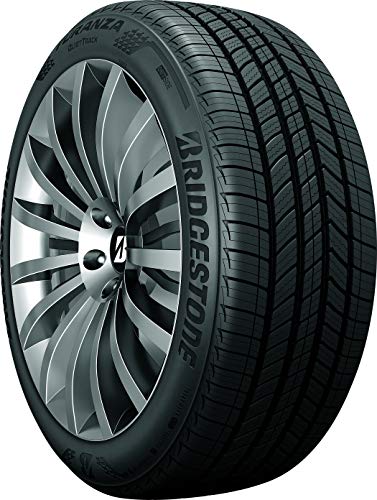
Highway commuter: Bridgestone Turanza QuietTrack is the best starting point when steady freeway hum is the main complaint. Its comfort-focused tread and touring bias make it a strong fit for drivers who prioritize low cabin noise over sharper steering response.
Best quiet tire picks
Rough-asphalt suburb: Hankook Kinergy PT is a sensible value choice when broken pavement, expansion joints, and coarse chipseal matter more than sporty grip. It aims for a calm everyday ride without moving into an overly soft tire.
Crossover/SUV: Continental CrossContact LX25 is a natural match for many crossovers because it balances ride comfort, noise control, and everyday stability. It is especially relevant when the vehicle is used mostly on pavement rather than dirt or trail work.
EV: Michelin Primacy MXM4 is worth considering when cabin silence is important and you want a premium touring feel in a heavier, quieter vehicle. Compare it against the exact EV fitment, because an EV-labeled tire is not automatically quieter than a premium non-EV touring tire in the same size.
Winter climate: choose a winter tire only when temperatures and snow traction justify the added tread noise. Winter designs help in cold conditions, but their deeper blocks and siping often make them louder on dry pavement than all-season touring options.
Handling-first driver: a performance or all-season performance tire will usually give up some quietness for sharper response. If you want precise turn-in and firmer steering, accept more road texture and pattern hum as part of the tradeoff.
For sizing and fitment help, use the tire size calculator before you buy. If you are unsure about ratings, see our load index/speed rating explainer.
Quiet tire decision table
How to read the table
Start with your use case, then match the noise type you hate most. Highway drone, coarse-road roar, and tread pattern hum are different problems, and a tire that quiets one can leave the others alone.
Look at the size, load rating, speed rating, tread pattern, and warranty before you compare reviews. A quiet tire that does not fit your vehicle correctly is the wrong tire.
| tire category | expected noise level | best use case | common noise tradeoff | what to check before buying |
|---|---|---|---|---|
| Grand touring all-season | Low | Comfort-first sedans, crossovers, and drivers who spend time on highways | Softer steering feel than a performance tire | Size, load index, speed rating, tread pattern, treadwear warranty |
| Touring all-season | Low to moderate | Daily commuting and mixed road surfaces | Less grip at the edge than sporty models | Closed shoulder design, tread block spacing, manufacturer placard size |
| EV-focused quiet tire | Low | EVs and heavier vehicles where cabin noise is easy to hear | May cost more and can wear faster if the compound is tuned for low rolling resistance | Load rating, size, speed rating, tread pattern, warranty |
| All-season performance tire | Moderate | Drivers who want better grip with acceptable noise | More pattern hum and firmer ride than touring tires | Shoulder block design, void ratio, treadwear tradeoff |
| Winter tire | Moderate to high on dry pavement | Snow and slush traction | Deeper tread and more siping often add dry-road noise | Cold-weather size fitment, speed rating, tread depth, seasonal use only |
| Performance tire | Moderate to high | Sharp handling and grip | Stiffer sidewalls usually transmit more road texture | Fitment, load index, speed rating, expected noise on your pavement |
What the noise levels mean
Low noise means the tire is less likely to add a steady hum or drone to the cabin. Moderate noise means the tire can still be reasonable, but coarse concrete, grooved pavement, or worn tread may make it easy to hear. High noise usually means the tread pattern and carcass are tuned for grip or winter traction, not quiet.
What to verify before buying
Check the tire size first, then the load index and speed rating, and only then the quiet claims. A tire in 195/65R15 may behave differently from 205/55R16 even when the model name is the same, because section width, aspect ratio, and rim diameter all change the way noise reaches the cabin.
What makes one tire quieter than another?
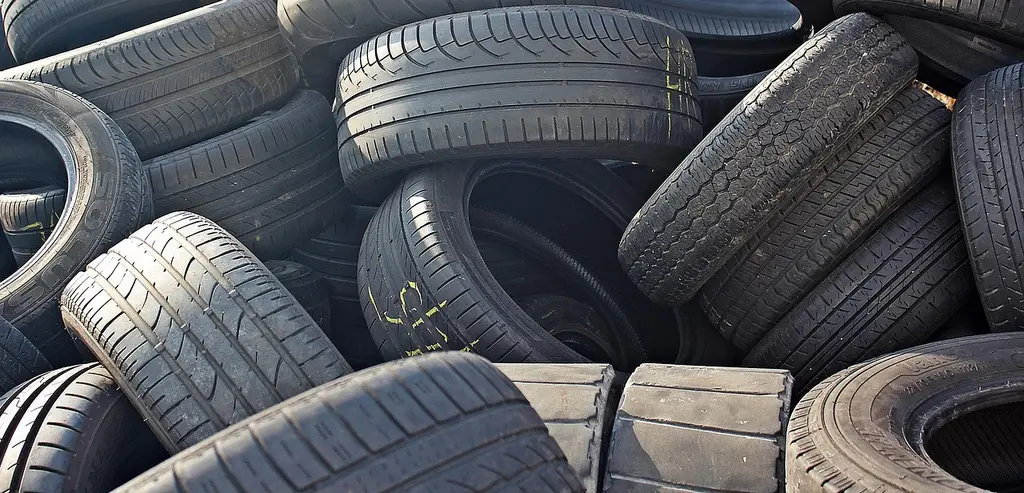
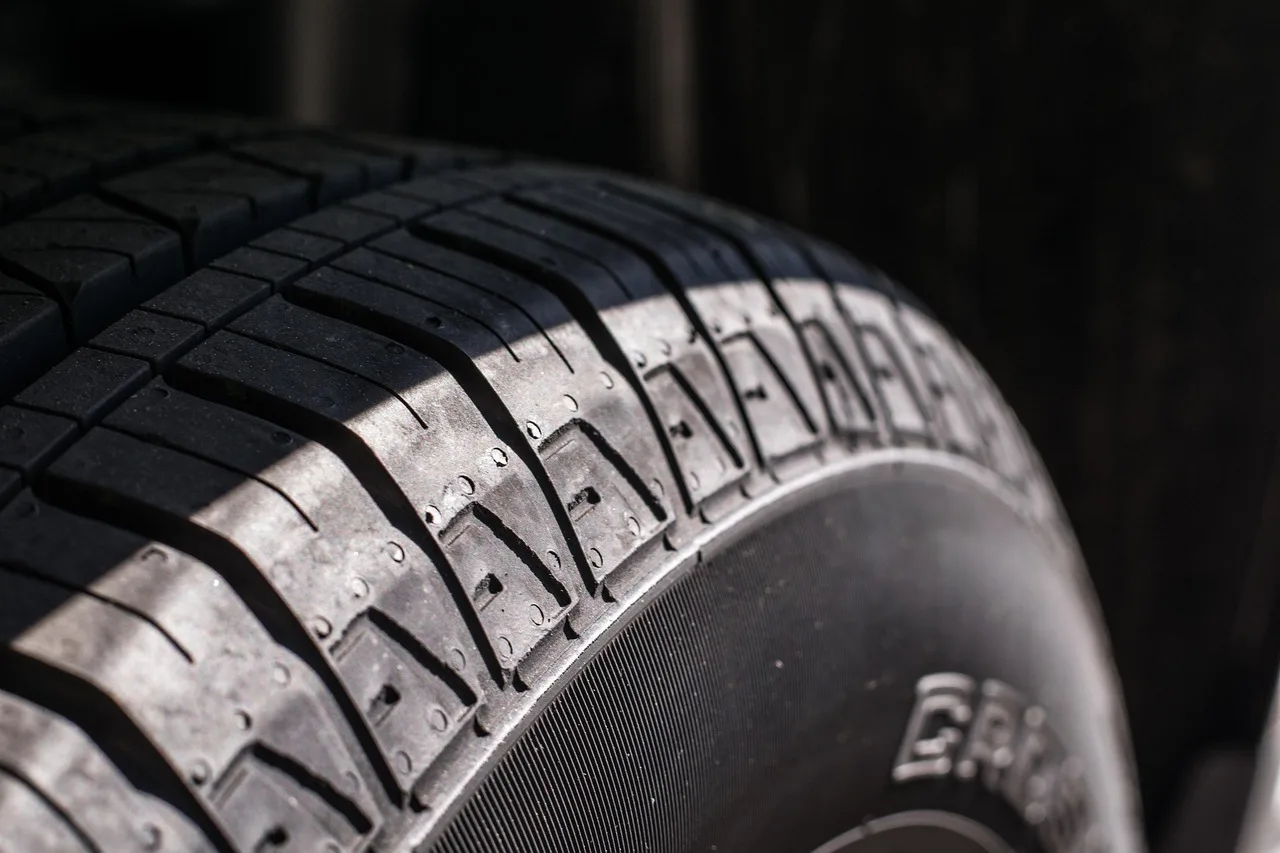
A quiet tire usually combines a calmer tread pattern with a construction tuned to absorb vibration instead of sending it into the cabin. Dense, closed tread blocks tend to make less pattern hum than open designs with large voids, while the wrong compound, stiff sidewall, or aggressive shoulder shape can push more noise into the cabin.
Tread pattern and void ratio
Closed tread patterns generally run quieter because the blocks interrupt airflow and road impact less. Higher void ratio patterns, which leave more open space between blocks, often help wet traction or snow evacuation but can create more humming and coarse-road roar. Sipes help winter grip, but many small sipes can also add texture noise on dry pavement.
Shoulder block design matters too. Continuous or tightly linked shoulders usually sound calmer than large, separated shoulder blocks. That difference shows up most on highways, where a repeating block pattern can turn into a steady pattern hum.
Compound, stiffness, and silica content
Tire compound affects noise through rubber stiffness, silica content, temperature range, and rolling resistance. A softer compound can absorb small road edges better, while a stiffer one may transmit more vibration. More silica is often used to balance wet grip and rolling resistance, but the final noise result depends on the full tread design, not one ingredient alone.
Sidewall and carcass construction
Sidewall and carcass construction change how much road texture reaches the cabin. A stiffer carcass can feel more controlled, especially at higher speeds, but it may also pass more sharp impacts through the body. A comfort-focused touring tire usually uses a more noise-conscious structure than a performance model with a firmer sidewall.
Noise-diagnosis mini-checklist
- Tire roar: steady hum that rises with speed and often changes by pavement type.
- Wheel bearing noise: a growl or rumble that may get louder when steering load shifts side to side.
- Feathering or cupping: uneven tread that creates thump, slap, or a sawtooth sound.
- Alignment pull: vehicle drifts or requires correction; noise often pairs with irregular wear.
- Underinflation: vague, squirmy feel, hotter running, and more wear on the shoulders.
- Overinflation: firmer ride with more sharp-edged noise over cracks and rough pavement.
Why wear changes noise over time matters because some tires are quiet when new and get louder as they wear. Once the pattern becomes cupped, feathered, or scalloped, the tire can thud or hum even if it was quiet on day one.
Suppose a driver fits a 205/55R16 grand-touring all-season tire and hears a low hum on fresh pavement. After about 20,000 miles, the same tire can start sounding rougher if alignment drifts or the rotation schedule slips, because wear can change the block shape and the contact patch may no longer land evenly.
Which tires are quietest by type?
Touring and grand-touring all-season tires are often among the quieter all-season options for everyday driving. Winter tires are often noisier on dry pavement because of deeper tread and more siping, while performance tires may trade some quietness for grip and steering response. For the least noise, match the tire type to the road and weather you actually face.
Touring tires
Touring tires are comfort-first choices. They usually have balanced tread design, lower road noise tuning, and long tread life, which makes them a strong fit for sedans and crossovers that spend most of their time on regular pavement. If you want a calm daily commute, this is the first category to check.
Grand touring tires
Grand touring tires add more high-speed stability and often better cabin control than a basic touring tire. They aim for a comfort bias without feeling soft. That mix makes them a strong answer for highway drivers who want lower drone at speed and still expect predictable handling.
All-season tires
All-season tires are the broad middle ground for everyday use. Their noise level depends on tread design, compound, and intended vehicle class. A passenger all-season with a closed shoulder and dense tread blocks is often quieter than a more open, higher-grip all-season design.
Are all-season tires quieter than winter tires? Usually yes, because winter tires need deeper tread and more siping for snow and slush traction. That extra tread activity helps in cold weather but often adds dry-road noise, especially on warm pavement and concrete.
Winter and performance tires
Winter tires are often noisier on dry pavement because the tread is cut for traction, not hush. Performance tires can also be louder because stiff sidewalls and larger shoulder blocks transmit more road texture. If noise matters more than cornering feel, these are usually not the first categories to choose.
If you are comparing all-season categories, see our touring vs performance tires and winter vs all-season tires guides.
Does tire size change road noise?
Yes. Tire size changes road noise because section width, aspect ratio, and rim diameter all alter how the tire flexes and how much road texture reaches the cabin. Fitment matters too, since a size that fits the wheel well differently can change resonance and make the same model sound louder or calmer.
Section width
Wider tires often make more road noise than narrower tires, because a wider contact patch can generate more tread roar and expose more of the tread pattern to the road. The effect is not absolute, but wider sizes commonly sound busier than narrow ones in the same tire line.
Aspect ratio
A lower aspect ratio usually means a shorter sidewall. That can sharpen response, but it may also pass more impact and texture into the cabin. A taller sidewall can soften small road edges and reduce some harshness, which helps the tire feel quieter on broken pavement.
Rim diameter and fitment
Rim diameter changes the available sidewall height, which changes how much vibration the tire can absorb. A 13-inch to 24-inch shopping range appears in some retail catalogs, but the quiet result depends on the exact vehicle fitment, not the rim number alone. Always stay within the manufacturer’s approved size range.
Say your crossover can take either 225/60R17 or 245/50R19. The wider, lower-profile fit may look sportier, but the taller, narrower size often makes less noise and rides more softly on rough asphalt if both are approved for the vehicle.
To check whether a size swap is sensible, use the wheel alignment guide alongside the tire size calculator.
How road surface changes tire noise
The same tire can sound quiet on one road and loud on another. Asphalt, concrete, and grooved pavement each excite the tread differently, so the noise you hear may be more about the road texture than the tire brand. That is why a test drive on only smooth streets can miss the real answer.
Asphalt versus concrete
Asphalt usually sounds calmer than concrete because its texture is often finer. Concrete can amplify coarse-road roar and make a tire’s pattern hum easier to hear. If your commute includes a lot of concrete freeway, choose a tire with a closed tread pattern and low block noise.
Grooved pavement
Grooved pavement can create a rising drone, especially at highway speed. The grooves interact with the tread blocks and can make a good tire sound worse than expected. If that is your daily road, prioritize quiet-tuned touring or grand-touring tires over aggressive all-season or performance designs.
Why texture matters more at highway speed
At higher speed, the tire repeats each contact event faster, so any block pattern or road texture turns into a more constant sound. That is why a small difference in tread design can matter more on the freeway than around town.
Tire Rack and Consumer Reports both emphasize comparing noise, ride, wet performance, and fitment by size and vehicle use case rather than by brand reputation alone; their public testing and methodology pages are useful reference points when you narrow choices.
Quiet tire buying checks
Before you buy, check load index, speed rating, treadwear tradeoffs, pressure, alignment, and rotation needs. Those items affect both noise and life. A quiet tire that wears unevenly will stop being quiet early.
Load index and speed rating
Load index and speed rating are not noise ratings, but they do shape how the tire is built. A heavier vehicle, especially an SUV or truck, may need a higher load rating that changes sidewall stiffness and noise feel. Use the vehicle placard and the manufacturer’s listing for the exact fitment.
Treadwear and warranty tradeoffs
Longer tread life often comes with a harder compound or a tread design tuned for durability. That can be good for noise, but not always. A tire with a strong treadwear warranty may still hum more than a softer, quieter design if the tread block layout is less controlled.
Pressure, alignment, and rotation
Can tire pressure affect road noise? Yes. Underinflation can make the tire squirm and wear unevenly, while overinflation can make it harsher and louder over sharp edges. Check the manufacturer placard, not the sidewall maximum, and keep pressure at the specified setting for the vehicle.
Alignment and rotation matter too. Regular rotation helps tires wear evenly, and proper alignment reduces cupping and feathering that can turn a quiet tire into a noisy one. Worn or damaged tires can also increase road noise, so inspect tread shape and sidewalls, not just tread depth.
Follow the vehicle maker’s tire-pressure placard and load guidance, and use NHTSA’s tire safety advice for checking inflation, tread condition, and damage. If the vehicle is heavily loaded, confirm the recommended pressures and load capacity before assuming a quiet tire will also be a safe tire.
Picture a full-size truck on all-terrain tires that suddenly develops a steady thump after an uneven wear pattern appears on one axle. The tire may be part of the problem, but the right response is to check alignment, inflation, and damage before assuming the tread design alone is to blame.
Segment-specific notes for EVs, crossovers, and trucks
EVs can make tire noise easier to hear because the powertrain is quiet. That makes tread pattern and compound choice more noticeable, and it is one reason a premium non-EV touring tire may be quieter than a specialized EV tire in the same size. Crossovers usually do well with grand-touring or touring all-seasons. Trucks often need higher load ratings, which can limit how soft and quiet the tire can be.
What should I avoid if I want less tire noise?
Avoid tires with open tread patterns, large voids, and aggressive shoulder blocks if quiet matters more than traction. Skip sizing changes that lower sidewall height without a fitment reason. Avoid ignoring pressure, alignment, rotation, and wear. A quiet model can become noisy fast if those basics are off.
Also avoid assuming the quietest tire on a review list is automatically the right choice for your vehicle. Quietness depends on the approved size, the vehicle’s load needs, and the roads you actually drive.
Frequently asked questions
Which tires make the least road noise?
Passenger touring all-season and grand-touring all-season tires usually make the least road noise for normal driving. The quietest choice often has a dense tread pattern, closed shoulders, and a comfort-focused carcass. For many drivers, Bridgestone Turanza QuietTrack, Continental CrossContact LX25, or Hankook Kinergy PT are more relevant than a brand name alone.
Which tires have the least road noise?
The least noisy tires are usually comfort-focused touring models, especially when the size and load rating match the vehicle well. If you drive on rough asphalt, the quietest pick may be a grand-touring all-season rather than a sportier all-season. The road surface matters as much as the model name.
Are all-season tires quieter than winter tires?
Usually yes. All-season tires generally use a balanced tread design that is quieter on dry pavement than a winter tire with deeper tread and more siping. Winter tires are built for snow and slush traction, so they often make more dry-road noise, especially on highways and concrete.
Do wider tires make more road noise?
Often they do. Wider tires can produce more tread roar and make pattern hum easier to hear, especially at highway speed and on coarse pavement. The effect depends on the specific tread design, but if quiet is the priority, a narrower approved size is often the safer choice.
Can tire pressure affect road noise?
Yes. Underinflation can make a tire sound sloppy and wear unevenly, while overinflation can make it harsher and louder over road texture. Use the manufacturer placard for the correct pressure, check it when the tires are cold, and recheck after temperature swings or long drives.
How do I choose quiet tires for my car?
Start with your vehicle’s approved size, load index, and speed rating. Then choose the quietest category that fits your use case: touring or grand-touring for comfort, winter only if the climate demands it, and performance only if handling matters more than cabin quiet. After that, compare tread pattern and warranty.
Sources
- NHTSA tire safety guidance
- Tire Rack tire testing and comparison resources
- Consumer Reports tire testing methodology
- Bridgestone tire sidewall and fitment guidance
- Continental tire size and rating guide
- Michelin tire size, pressure, and load guidance
- Hankook tire guide
Products related to this article
Sponsored / affiliate links. As an Amazon Associate I earn from qualifying purchases. I may earn additional commission from eligible campaigns.