What Is the Quietest Car Interior for Highway Driving?
At 70 mph, the quietest car interior is usually a large luxury sedan or long-wheelbase EV with laminated glass and active noise control; start with the lowest published cabin reading, then compare tire and wind noise. Most published cabin-noise tests are done at 55 mph, so a car that looks quiet in a fixed-speed test can sound busier at true highway pace. This guide separates measured cabin-noise results from score-based proxies, compares the quietest highway vehicles, and gives a simple segment-by-segment buying rule.
Important speed caveat: Most public cabin-noise tests in this article are measured at 55 mph, not 70 mph. At 70 mph, wind noise, tire roar, and road-surface hum rise faster than engine noise, so the same model can sound noticeably louder even if the published dB number is low. Where no apples-to-apples 70 mph test exists, do not treat any one model as the single quietest winner at true interstate speed.
Top pick for highway quiet
The quietest measured highway cabin in this set is the BMW X7 40i at 49.2 dB, with the Lexus TX 350 Luxury close behind at 49.9 dB. For buyers who want a quiet premium SUV rather than a sedan, the X7 is the strongest measured pick in this article.
That does not mean every EV is the quietest choice at highway speed. Start with the lowest measured cabin noise, then check whether the vehicle also fits the segment you actually want.
What its cabin quietness means at speed
The X7 matters because it gives shoppers a high-end benchmark for a luxury SUV, not just a brand badge. On the highway, that usually means less powertrain sound, but tire and wind noise still set the final impression. The quietest vehicles keep all three in check.
Quick picks
- Best luxury sedan: Mercedes-Benz S-Class, with a strong quiet-cabin reputation and a measured 50.7 dB in Car Confections testing.
- Best electric luxury SUV: 2026 Lucid Gravity, with a 10.0/10 U.S. News Score and 9.8/10 Interior Score.
- Best budget-friendly SUV: 2026 Hyundai Tucson Hybrid, starting at $32,200 with a 9.3/10 Interior Score.
- Best family hauler for quiet cruising: Lexus TX 350 Luxury, measured at 49.9 dB.
- Best compact answer for quiet small-car highway driving: Hyundai IONIQ 6, a compact electric sedan with a measured 51.7 dB and a calm, streamlined shape.
- Best truck option in this set: No truck here leads the overall list, so truck shoppers should use the same cabin-noise measurements and tire setup checks before deciding.
Measured cabin-noise results
| Model | Segment | Test speed basis | Source metric | Likely noise source at 70 mph | Best buyer fit |
|---|---|---|---|---|---|
| BMW X7 40i | Luxury SUV | 55 mph | 49.2 dB | Wind and tire noise on wide bodywork | Shoppers who want near-flagship quiet in a three-row SUV |
| Volvo EX90 Performance | Electric luxury SUV | 55 mph | 49.5 dB | Tire noise and some wind noise at higher speed | EV buyers who want a calm premium cabin |
| Lexus TX 350 Luxury | Luxury SUV | 55 mph | 49.9 dB | Road and tire noise on coarse pavement | Families that want a quiet midsize three-row SUV |
| Mercedes-Benz S-Class (S500) | Luxury sedan | 55 mph | 50.7 dB | Wind noise is usually the main highway factor | Buyers who want the sedan benchmark for quietness |
| Cadillac LYRIQ RWD | Electric luxury SUV | 55 mph | 50.7 dB | Tire and wind noise at freeway pace | EV shoppers who want luxury without a sedan |
| Toyota Sienna XSE | Minivan | 55 mph | 51 dB | Tire roar and some body noise at higher speeds | Families that value quiet space over image |
| Hyundai IONIQ 6 | Electric sedan | 55 mph | 51.7 dB | Wind noise can rise with sedan roofline shape | Drivers who want an efficient EV with a calm cabin |
Editorial and interior-score proxies
| Model | Segment | Score basis | Source metric | Likely noise source at 70 mph | Best buyer fit |
|---|---|---|---|---|---|
| Lucid Gravity | Electric luxury SUV | U.S. News interior score basis | 10.0/10 Score, 9.8/10 Interior Score | Tire noise will likely matter more than powertrain noise | Premium SUV buyers who rank interior quality highly |
| Hyundai Tucson Hybrid | Mainstream hybrid SUV | U.S. News interior score basis | 9.3/10 Interior Score, $32,200 start | Road and tire noise matter most on rough highways | Budget-conscious shoppers who still want a quieter cabin |
What cars are the quietest inside at highway speeds?
Large luxury sedans, three-row luxury SUVs, and top EVs are usually the quietest inside at highway speed because they get more isolation, thicker glass, and more sound control in the cabin structure. The best highway cabins do not simply mute engine sound. They also keep tread noise and wind rush from turning into a steady drone.
Luxury sedans that stay calm on the interstate
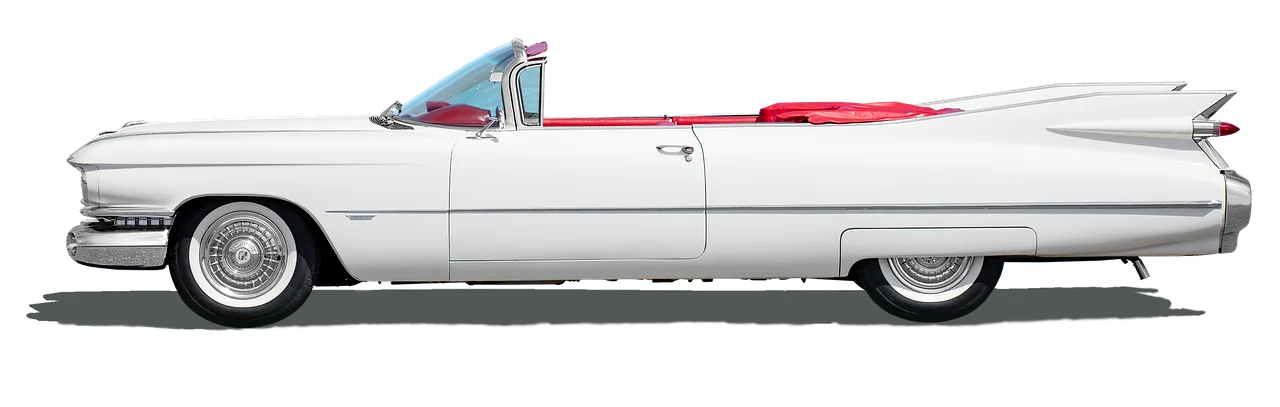
The Mercedes-Benz S-Class is a benchmark for quiet sedan travel. It appears near the top of quiet-car lists because its cabin prioritizes isolation, ride comfort, and low-speed hush that still holds together at highway pace. If your main complaint is wind noise and surface chatter, this segment is often the safest bet.
SUVs and crossovers that limit cabin noise
The BMW X7 40i at 49.2 dB and the Lexus TX 350 Luxury at 49.9 dB show how far premium SUVs have moved. These vehicles can be quieter than expected because they use heavier bodies and more insulation. At 70 mph, though, their larger front area can still make wind noise the main thing you hear.
Trucks that avoid booming road noise
Quiet trucks are harder to find than quiet sedans because open beds, body-on-frame layouts, and all-terrain tires often add more road noise. If you are shopping a truck for long interstate drives, focus on the tire package, cab sealing, and whether the cabin score is reported at a fixed speed. A higher price alone does not guarantee a calm cabin.
Suppose you commute 45 miles each way on patched interstate lanes. A vehicle with a strong 55 mph cabin score may still sound louder at your actual pace if it wears aggressive tires. That is why the quietest highway choice is the one that stays composed when speed rises and pavement gets rough.
Is EV always the quietest highway choice?
No. EVs often rank well for cabin quietness because they remove engine noise from the equation, but highway sound is still dominated by tires, road texture, and wind. A quiet gas sedan can match or beat some EVs once you are cruising above suburban speeds and the pavement gets coarse.
Why electric powertrains help
Without engine combustion noise, EVs can feel calmer at low and moderate speed. That advantage is real, and it is why models such as the Lucid Gravity, Volvo EX90 Performance, and Cadillac LYRIQ RWD land near the top of many quiet-cabin discussions. The cabin still needs good insulation to keep the rest of the noise down.
Why tire and wind noise still matter
At 70 mph, tire roar can overtake powertrain silence very quickly. Large wheels, low-profile tires, and broad body shapes can all add noise even in premium EVs. If your complaint is a constant hum on rough pavement, look at the tire setup first. If the complaint is a rushing sound near the mirrors, wind control matters more.
When a gas luxury model can match an EV
A large gas luxury model can stay competitive when it has excellent sound insulation and a well-tuned chassis. The Mercedes-Benz S-Class is the obvious benchmark here. In this type of comparison, the best answer is not “EV or gas.” It is “which one has the better measured cabin reading and the quieter tires at highway speed?”
What is the quietest budget-friendly SUV?
It is not the quietest vehicle on the whole list, but it gives mainstream buyers a calmer cabin than many rivals at a much lower price than luxury models.
Why the hyundai Tucson Hybrid stands out
The Tucson Hybrid matters because it gives you a quieter-feeling cabin without moving into luxury pricing. That makes it a strong answer for shoppers who want less fatigue on the highway but do not want to pay for flagship badges, oversized wheels, or high-end option packages.
What to check on trims and tires
Quietness can shift by trim. Bigger wheels and more aggressive tire designs often add road noise, even when the interior score is strong. If you are comparing Tucson Hybrid trims, pay attention to wheel size, tire type, and any package that changes the ride. Those details can move the cabin from “calm enough” to “busy on coarse asphalt.”
When a lower price still buys a calm cabin
A lower price can still buy a calm cabin if the vehicle is tuned for daily highway use instead of sporty appearance. The Tucson Hybrid is a good example of a mainstream SUV that shoppers can cross-shop against more expensive models. For many commuters, that is enough quiet without moving into premium territory.
How to choose the quietest cabin
Use measured dB first. Then separate the noise you hate most. If you dislike tire roar, prioritize a vehicle with a lower cabin reading on coarse pavement and a quieter tire package. If wind noise is the problem, pick a body shape and mirror design that keep rush to a minimum.
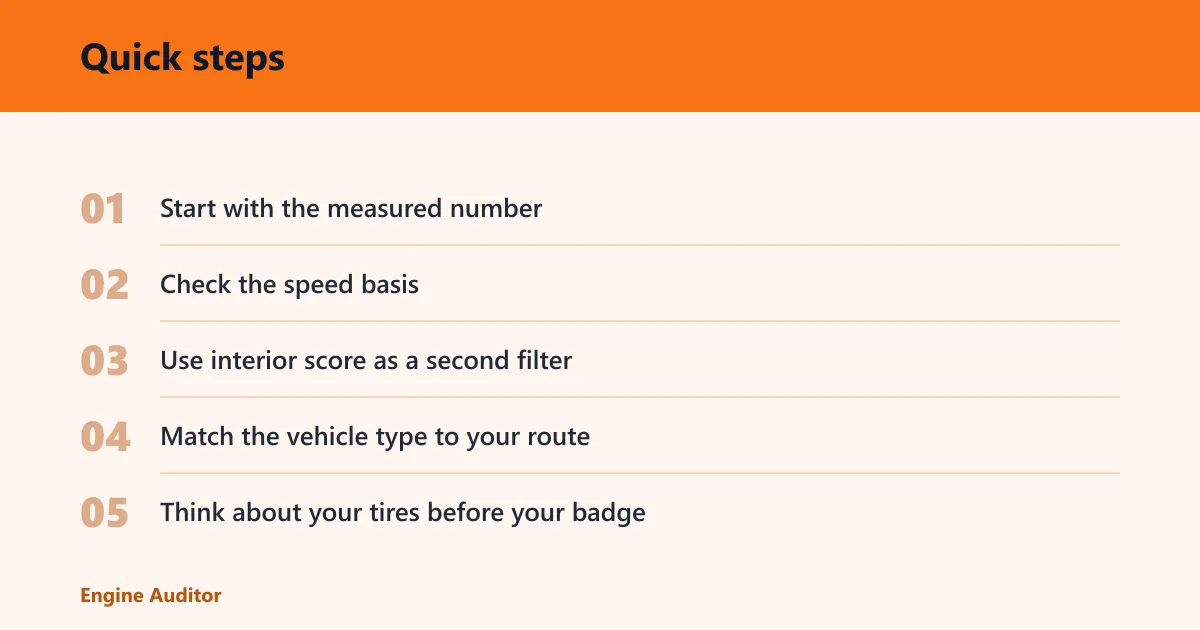
- Start with the measured number. Lower dB means a quieter cabin, and a fixed test speed makes the result easier to compare.
- Check the speed basis. Car Confections tests at 55 mph, while many shoppers are focused on highway use at around 70 mph or faster.
- Use interior score as a second filter. U.S. News interior scores help rank comfort and cabin quality when the measured data is unavailable.
- Match the vehicle type to your route. Sedans usually favor wind quiet, SUVs often balance family space and insulation, and trucks need extra attention to road noise.
- Think about your tires before your badge. Wheel size and tire compound can change the way the cabin sounds on broken pavement.
A common buyer mistake is focusing only on luxury badges and ignoring whether the cabin stays hushed at 70 mph on the freeway. A car that looks quiet at 55 mph can sound more active at 70 mph if it has wide tires or a bluff front end. That is why the right answer is a measured result plus a segment check, not a single number alone.
Say your weekly drive includes one stretch of patched concrete and one smooth freeway. The same SUV can sound pleasant on the smooth section and droney on the rough one. If that is your route, a quieter tire setup may matter as much as the model name.
Frequently asked questions
What is the quietest car interior for highway driving?
The quietest car interior for highway driving in this guide is the BMW X7 40i, which posts the lowest measured cabin reading here at 49.2 dB. The Lexus TX 350 Luxury is close behind at 49.9 dB, and the Mercedes-Benz S-Class remains the sedan benchmark for quiet travel.
What is the quietest car to drive on the highway?
The quietest car to drive on the highway in this set is the BMW X7 40i because it has the lowest measured cabin reading. The Lexus TX 350 Luxury is the next closest result, while the S-Class is the best-known quiet sedan reference. Because most public tests are at 55 mph, treat those readings as a comparison point rather than a direct 70 mph verdict.
What cars have the quietest interior ratings?
The strongest quiet-interior ratings in this guide include the 2026 Lucid Gravity with a 10.0/10 U.S. News Score and 9.8/10 Interior Score, the 2026 Hyundai Tucson Hybrid with a 9.3/10 Interior Score, and models that post low measured dB like the BMW X7 40i, Volvo EX90 Performance, and Lexus TX 350 Luxury.
How do car sites measure cabin noise at highway speed?
Car sites usually use a decibel reader on a consistent road at a fixed speed so readings can be compared across vehicles. Car Confections, for example, tests at 55 MPH and uses a decibel reader. That consistency matters because road surface, speed, and vehicle shape all change the reading.
Are EVs always quieter than gas cars on the highway?
No. EVs often rank well because they remove engine noise, but highway quietness still depends on tires, wind, and road texture. A gas luxury sedan can match or beat an EV if its cabin is better isolated and its tire and wind noise are better controlled at 70 mph.
What speed are cabin noise tests measured at?
Many cabin-noise tests use a fixed speed, and the Car Confections method uses 55 MPH. That is useful for comparison, but it is not the same as real 70 mph highway use. Buyers who drive faster should treat the published number as a starting point, not the final answer.
Products related to this article
Sponsored / affiliate links. As an Amazon Associate I earn from qualifying purchases. I may earn additional commission from eligible campaigns.