Why Does My Car Whine When I Accelerate?
A whine that rises with vehicle speed points first to wheels or drivetrain, while one that follows engine rpm in park points more toward the engine or accessories. Ignore it and you can miss a bearing, pump, or belt problem that turns a small repair into a breakdown. This guide gives a five-minute symptom check to separate engine, steering, wheel, and drivetrain whine, plus urgency cues.
Match the whine to rpm, speed, or turns

Start by asking what the sound follows. If the pitch climbs with engine rpm, even in park, look at belt-driven accessories, the alternator, or the power steering pump. If it rises with vehicle speed instead, suspect a wheel bearing, differential, or tire-related noise. That split matters more than the word “whine.”
Engine-speed whine vs road-speed whine
The most useful test is whether the noise changes with engine revs or road speed. A whine that follows engine revs points to the belt, alternator, power steering pump, or water pump. A whine that tracks road speed points more toward wheel bearings, differential noise, or tire noise.
Park the car, hold the brake, and lightly raise engine speed in neutral or park. If the whine changes there, the source is on the engine side. If it stays quiet until the car moves, focus on the rolling parts under the car.
What a turn-related change means
If the noise changes when turning, the steering and wheel side move up the list. A wheel bearing often gets louder when turning toward its side and quieter when turning away. A power steering pump can also whine during turns, especially if fluid is low or air is in the system.
Picture a sedan that whines only while easing right into a parking space. That pattern fits a left wheel bearing or a steering-system issue better than a belt noise. The turn input is the clue.
What a load-related change means
Load matters. A whine that gets louder under throttle, climbing hills, or carrying passengers can point to the transmission or differential. A differential whine can track road speed and change with load. Turbocharged engines can also add a higher-pitched whine under boost, and some sound is normal.
If the pitch changes when you press the gas but stays tied to speed, the drivetrain sits higher on the list than the accessories. If the pitch changes with engine load while the car is stationary, accessory or engine-side causes move ahead.
Whine diagnosis matrix
| When the noise happens | What changes it | Likely subsystem | Fastest check | Urgency level |
|---|---|---|---|---|
| Acceleration only | Gets louder with throttle, may fade on steady cruise | Transmission, differential, turbocharger, belt-driven accessory | Blip the throttle in park, then compare with a short road test at steady speed | Monitor briefly if mild; inspect soon if it grows |
| Acceleration plus turning | Changes when steering left or right | Power steering pump, wheel bearing, CV joint | Make slow left and right turns in an empty lot and note which direction changes it | Inspect soon; stop if steering feel changes |
| Acceleration plus deceleration | Appears on throttle and lift, sometimes on coast | Differential, transmission, wheel bearing | Compare light acceleration, steady cruise, and engine braking at the same road speed | Inspect soon |
| Whine that follows rpm but not speed | Changes in park or neutral with engine revs | Alternator bearing, serpentine belt, power steering pump, water pump | Raise rpm slightly while parked and listen near the front of the engine | Inspect soon; higher risk if the noise sharpens fast |
Could it be the belt or alternator?

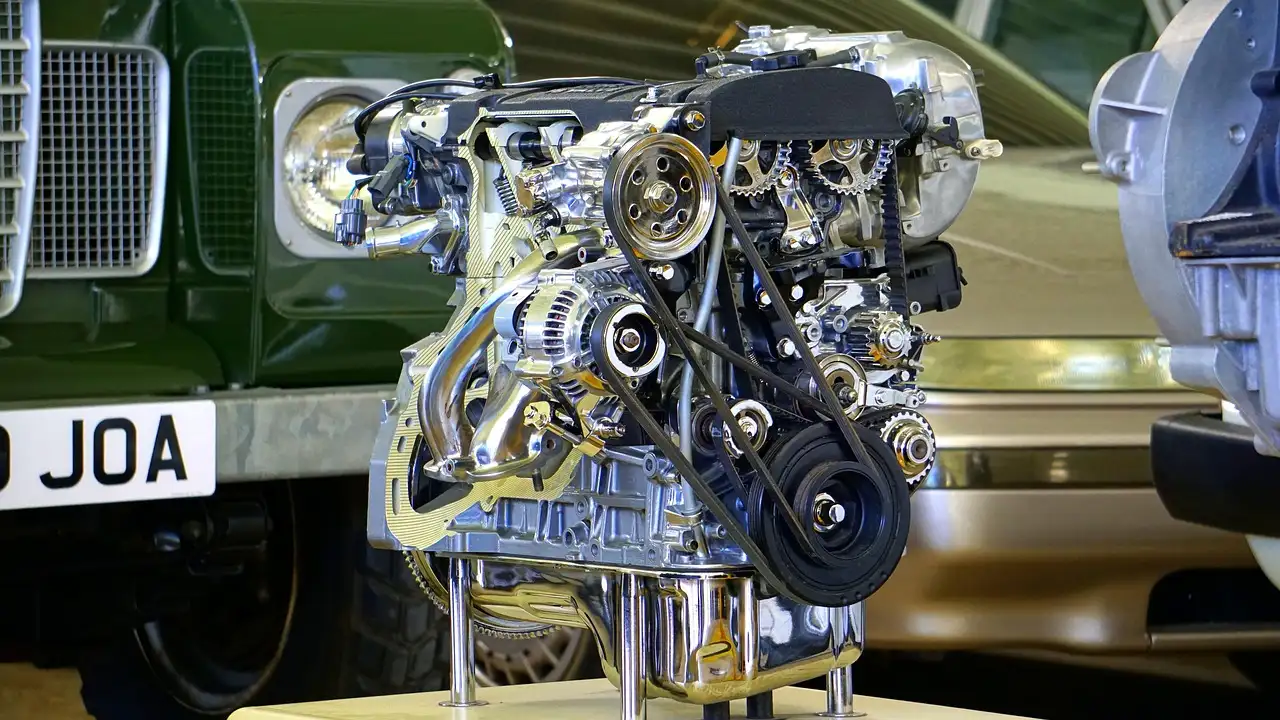
Yes. A serpentine belt, pulley, or alternator bearing can whine with engine rpm, and the sound may get louder as electrical load increases. If the pitch rises while revving in park, the accessory drive becomes a strong suspect before you look at road-speed parts.
Serpentine belt clues
The serpentine belt drives multiple accessories, so a glazed, loose, or worn belt can whine or squeal. The noise may be worst on cold start, then fade as the belt warms. A high-pitched whine that rises with revs can also come from pulleys with too much friction.
Look for shine on the belt ribs, frayed edges, or a chirp that comes and goes with engine speed. A dry, cracked belt is not the only issue, a weak tensioner or pulley can make the same noise.
Alternator bearing clues
An alternator bearing is an engine-driven rotating component, so its whine often rises with engine revs. It can also get louder when electrical load increases, such as with headlights, rear defrost, or the blower motor on high. That pattern points more toward the alternator than the tires.
Suppose the car whines at idle with the headlights off, then the pitch sharpens when the headlights and rear defrost switch on. That load change is a useful clue for an alternator bearing or another accessory driven by the belt.
Fast checks for accessory noise
- Start the engine and listen in park or neutral.
- Raise engine speed slightly and note whether the whine rises with rpm.
- Switch on electrical loads one at a time.
- Listen for changes near the front of the engine, especially the belt side.
- If the sound is worst at cold start, note whether it fades after a few minutes.
These checks do not prove a part is bad, but they help separate accessory noise from wheel or drivetrain noise fast.
Could fluids be the cause?
Yes. Low or degraded fluid can create whining, especially in the power steering system and transmission. The key difference is where the noise appears and whether the reservoir level or fluid condition supports the symptom. A leak-driven problem needs more than a top-off.
Power steering fluid checks
Power steering pump noise is a common cause of whining under acceleration and turns. It can whine under low fluid or air in the system, and a failing power steering pump can cause a whining noise as fluid pressurizes repeatedly. The noise often appears when turning and may worsen with engine rpm.
The power steering reservoir is usually checked by level marks or a dipstick under the cap. If the fluid is low in a sealed power steering system, that points to a leak, not just a refill issue. Check the reservoir level and look for wet hoses, damp fittings, or fresh fluid under the pump.
Transmission fluid checks
Transmission fluid lubricates and cools internal transmission parts, so low, dirty, or degraded fluid can cause whining. Transmission-related whining can come from low transmission fluid. If the sound changes during acceleration and deceleration, the transmission moves higher on the list.
Check the fluid level and condition the way the vehicle manual specifies. Burnt smell, dark color, or a level below the mark deserves attention, especially if the whine appears with gear changes or under load.
Leak clues that change the diagnosis
A leak changes the diagnosis because a refill alone may only hide the problem for a short time. Fresh fluid on the driveway, damp underbody parts, or a repeating low level means the system is losing fluid. That applies to steering and transmission systems alike.
If the whine fades after a top-off but returns within days, treat that as a leak clue, not a solved problem. The source may be a hose, seal, cooler line, or rack issue.
Could it be a wheel or drivetrain issue?
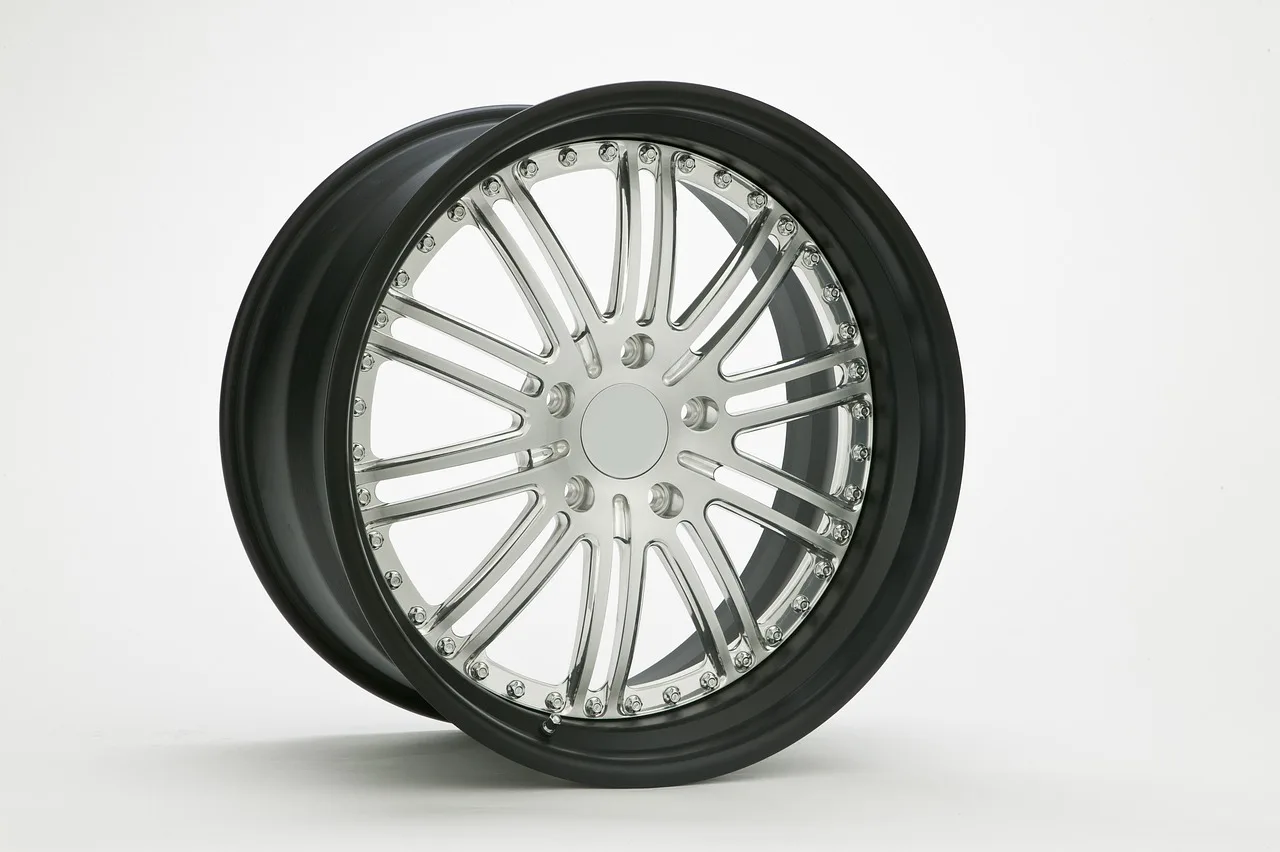
Yes. Wheel bearings, the differential, CV joints, and in some cases the turbocharger can all make a whine that gets louder under acceleration. The best separator is still the same: engine rpm, road speed, steering input, and load tell you where to look first.
Wheel bearing clues
A wheel bearing is a road-speed-dependent noise source, and it often sounds like a hum, drone, or whine. It may change when weaving left or right. Tire noise can be mistaken for a wheel bearing because it also builds with speed.
Try a gentle lane shift on a quiet road. If the whine grows when the car loads one side and fades when it loads the other, a wheel bearing rises on the list. The sound usually does not care much about engine rpm.
Differential whine clues
The differential transmits power to the wheels, and a differential whine can track road speed and change with load. That makes it more likely on rear-wheel-drive, all-wheel-drive, and four-wheel-drive vehicles. The sound may show up on throttle, then change when lifting off the gas.
Noise that stays tied to vehicle speed in one gear, then repeats in another gear at the same road speed, points away from the engine and toward the differential or another road-speed part.
CV joint clues
CV joints are more relevant in front-wheel-drive and all-wheel-drive vehicles. Their noise may worsen during turns, and the sound can be confused with other drivetrain noises. Clicking is more classic, but a worn joint can add a whiny or growly tone under load.
If the symptom is strongest in a tight turn at low speed, especially in a parking lot, the CV joint becomes more likely than a transmission issue. Straight-line road testing helps separate the two.
Turbocharger whine clues
A turbocharger can produce whining under boost, and some whine may be normal. Excessive or new noise can indicate bearing wear. The pitch often follows load more than steering input, and it may rise as boost builds during acceleration.
If the car is turbocharged and the whine appears mainly when the boost builds, do not assume the turbo is failing right away. First compare the sound at idle, light throttle, and stronger throttle. A new metallic whine is more concerning than a light spool sound.
What should you check first?
Begin with the fastest separators: engine rpm, road speed, steering angle, and load. Those four clues usually identify the lane the problem belongs in. After that, a few quick visual checks can confirm whether the issue is fluid, belt, wheel, or drivetrain related.
Five-minute symptom checks
- Rev the engine in park and listen for a whine that follows rpm.
- Drive at a steady speed and note whether the noise follows road speed instead.
- Turn left and right at low speed to see whether the pitch changes.
- Accelerate, then lift off, and compare the sound under load and on coast.
- Switch electrical loads on and off to see whether accessory noise changes.
Quick visual checks under the hood
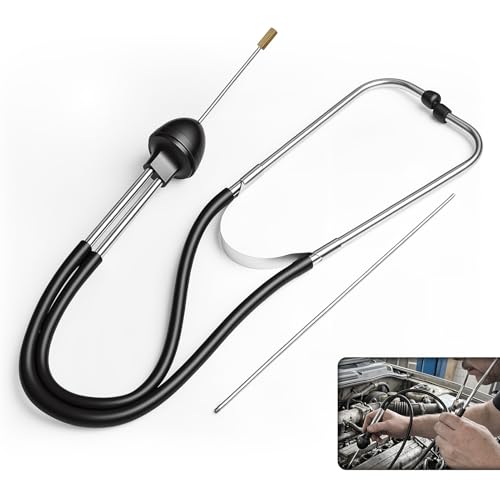
Look at the power steering reservoir level and condition. Check for wet hoses, pump seepage, and fluid stains around fittings. Inspect the serpentine belt for glazing, cracks, or frayed edges, and listen near the alternator and pump pulleys while the engine idles.
If the vehicle has a dipstick-style transmission check, verify level and condition the way the owner information specifies. If access is difficult or the car uses a sealed transmission, a service manual or shop procedure is better than guessing.
When to stop driving
Stop driving or get immediate inspection if the whine is joined by hard steering, slipping gears, a burning smell, warning lights, visible fluid loss, or a sudden change in how the car drives. A loud new wheel bearing noise, a severe power steering whine, or a transmission whine that worsens quickly should be checked promptly.
A common first-timer mistake is ignoring a whine that seems small because the car still moves normally. That can be a mistake with a low-fluid steering pump or a bearing that is already hot and wearing fast.
Frequently asked questions
Why does my car whine when I accelerate and turn?
That pattern often points to the power steering pump, a wheel bearing, or a CV joint. A power steering pump can whine when fluid is low or air is in the system, and a wheel bearing often gets louder when turning toward its side and quieter when turning away.
Why does my car whine when I accelerate and decelerate?
A whine that shows up on throttle and lift can point to the transmission or differential, because both can change noise with load. If the sound follows road speed more than engine rpm, those parts move ahead of accessory drives in the diagnosis.
Why does my car whine when I accelerate?
Acceleration adds load, so a weak bearing, belt, pump, transmission, or differential can become louder then. The first split is simple: if the whine follows engine rpm in park, look at engine-side parts; if it follows road speed, look at wheels or drivetrain.
Why does my car sound like it’s whining?
High-pitched whining usually comes from a rotating part with friction or wear, but the source can be different parts of the car. The fastest way to narrow it down is to compare the noise at idle, in park, while turning, and at the same road speed in a higher or lower gear.
Why is my engine whining when I accelerate?
If the sound rises with engine rpm, the likely sources include the serpentine belt, alternator bearing, power steering pump, or water pump. A bad AC compressor can whine when the air conditioning is turned on, so accessory state matters too.
Is it safe to drive if my car whines when accelerating?
Sometimes, for a short distance, but not always. A mild whine that stays steady may allow brief monitoring, while a noise tied to hard steering, slipping gears, fluid loss, or a sharp rise in pitch needs prompt inspection. If the sound worsens quickly, do not keep driving it.
What does it mean if the whine changes with engine RPM?
A whine that follows engine revs points to the belt, alternator, power steering pump, or water pump. That pattern usually means the source is on the engine side rather than the wheels. It helps rule out road-speed parts before anyone starts replacing them.
Could low transmission fluid cause a whining noise when accelerating?
Yes. Low transmission fluid can cause whining because the fluid lubricates and cools internal transmission parts. If the noise appears with acceleration and deceleration, check the fluid level and condition as soon as possible, and look for signs of a leak if the level is low.
Could the power steering pump or alternator be causing the whine?
Yes. A power steering pump can whine under low fluid or air in the system, and the sound often changes during turns. An alternator bearing can also whine, especially if the pitch rises with engine revs and gets louder when electrical load increases.
Products related to this article
Sponsored / affiliate links. As an Amazon Associate I earn from qualifying purchases. I may earn additional commission from eligible campaigns.