Which Car Is More Expensive? Price Comparison Guide
The cost of a car depends on many things. This includes brand reputation, features offered, engine power, materials used, and how new or rare it is. Generally, luxury brands like Mercedes-Benz, BMW, or Porsche tend to be more expensive than everyday brands such as Toyota or Honda.
High-performance sports cars and large, luxury SUVs often have the highest price tags.
The Price of Prestige: What Makes a Car Expensive?
Thinking about which car is more expensive often leads us down a rabbit hole of options and features. It’s not always about the color or how fast it goes. Many factors play a role.
Let’s break them down so you can get a clearer picture.
Think of it like this: two houses might look similar from the outside. But one could cost a lot more because it has a prime location, high-end finishes inside, or is much bigger. Cars are the same.
The core of why one car costs more than another lies in its design, engineering, and the overall experience it offers.
Brand Reputation Matters
Some car brands have spent decades building a name for themselves. They are known for luxury, performance, or superior quality. This reputation alone can add a significant amount to the price.
Think of brands like Rolls-Royce or Ferrari. You’re paying for the heritage, the craftsmanship, and the status they represent.
These brands often have a long history. They’ve been making cars for a very long time. This history builds trust and desirability.
People know what to expect from them. This trust is valuable. Car makers know this.
So, they can ask for more money for their vehicles.
Features and Technology
Cars today are packed with technology. Many advanced features come with a higher price tag. Things like advanced driver-assistance systems (ADAS) are becoming standard on many cars.
These include adaptive cruise control, lane-keeping assist, and automatic emergency braking.
Other tech features can also drive up the cost. We’re talking about large touchscreens, premium sound systems, heads-up displays, and even features like heated and cooled seats. The more gadgets and gizmos a car has, the more it usually costs.
These systems need complex parts and careful design to work well.
Engine Power and Performance
A car’s engine is its heart. More powerful engines often mean more complex engineering. This also means higher costs.
Sports cars with V8, V10, or V12 engines, or turbocharged engines designed for speed, will cost more than a car with a basic four-cylinder engine.
The performance parts needed for speed and handling also add to the price. Think about specialized brakes, suspension systems, and lightweight materials. All these help the car perform better.
But they also increase the manufacturing cost. This cost is then passed on to the buyer.
Materials Used
What a car is made of plays a big part in its price. High-quality materials are more expensive to produce and use. Leather seats, real wood or carbon fiber trim, and premium metals all add to the cost.
These materials not only look good but feel good too.
Even the paint finish can affect the price. Some special metallic or matte finishes cost more than standard paint jobs. The attention to detail in the interior finishes also matters.
Soft-touch plastics, good stitching on the seats, and a well-designed dashboard contribute to the overall cost and feel of luxury.
Safety Ratings and Engineering
Cars that achieve top safety ratings often have advanced safety structures and many airbags. They are built with stronger materials in critical areas. This extra engineering and rigorous testing to meet or exceed safety standards add to the development and manufacturing costs.
Car companies spend a lot of money on crash tests. They also invest in creating crumple zones and safety cages. These parts help protect people in an accident.
Cars that excel in these areas are usually priced higher. They offer peace of mind along with the ride.
Exclusivity and Rarity
Sometimes, a car is expensive simply because there aren’t many of them. Limited production runs or special editions can command higher prices. This is especially true for collector cars or very high-end performance vehicles.
The idea of owning something rare and special is very appealing to some buyers.
When a car is hard to get, its value goes up. This is basic supply and demand. If many people want a car, but only a few are made, the price will be higher.
This is common for supercars and classic cars that are no longer in production.
My First Real “Oh Wow” Moment with Car Prices
I remember my first time really noticing the price difference between cars. I was about 19, fresh out of high school, and working a pretty basic job. My beat-up Honda Civic was my trusty steed.
It got me from A to B, and that was all I asked of it. Then, one day, my boss pulled up in a brand-new Audi A6.
The car was a deep, metallic blue. It looked so smooth and sleek. I walked around it, just admiring the lines.
The wheels were huge and shiny. The doors closed with a satisfying thud. Inside, the leather seats looked incredibly soft.
There was a giant screen on the dashboard. It felt like a spaceship compared to my Civic.
I casually asked my boss, “That’s a really nice car. What did you get it for?” He just smiled and said, “Oh, this one was about $65,000.” My jaw practically hit the pavement. $65,000!
My Civic, which I bought used for $4,000, seemed like a toy in comparison. It was my first real lesson that cars weren’t just about transportation. They were about status, comfort, and a whole lot of engineering and luxury that came with a hefty price tag.
That moment stuck with me. It made me curious about all the things that made that Audi so much more expensive than my humble Honda. It wasn’t just a brand name; it was the whole package – the quiet ride, the smooth acceleration, the feel of the materials, and all the tech that made driving feel effortless.
It was a tangible difference I could see and feel, and it came with a price that was truly eye-opening.
Understanding Car Price Tiers
Entry-Level Cars: These are the most affordable cars. They focus on basic transportation. Think compact sedans or small SUVs.
They have fewer features and simpler engines. Examples include cars like the Toyota Corolla or Honda Civic.
Mid-Range Cars: These cars offer a step up in comfort and features. They might have more powerful engines or nicer interior materials. They are good all-rounders for families.
Examples include cars like the Toyota Camry or Honda Accord.
Luxury Cars: These vehicles prioritize comfort, performance, and advanced technology. They use premium materials and often have advanced safety features. Examples include brands like BMW, Mercedes-Benz, and Audi.
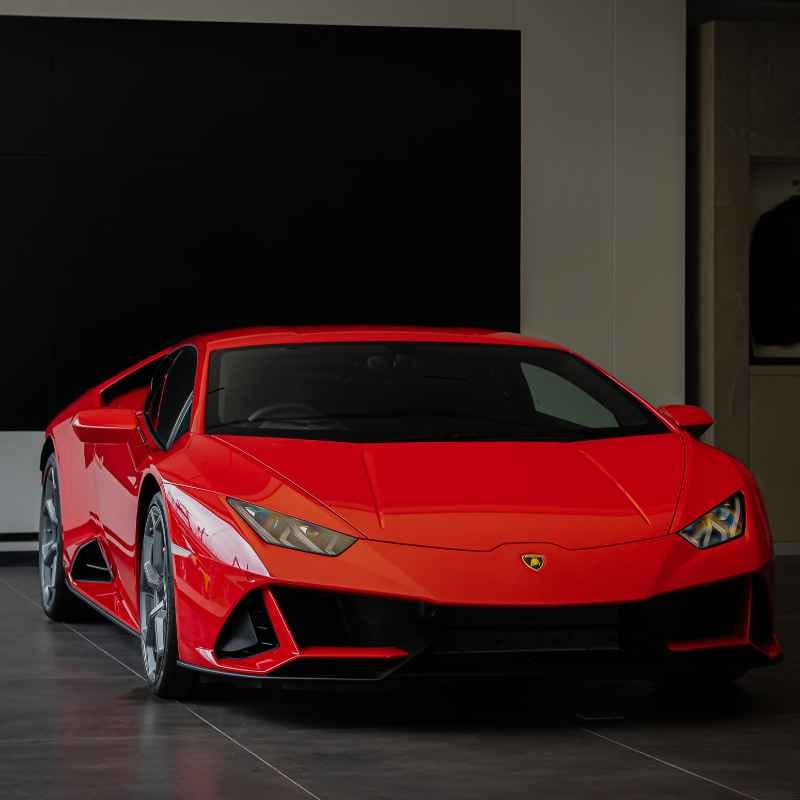
Performance/Exotic Cars: These are the most expensive. They focus on extreme speed, handling, and exclusivity. They use high-performance engines, specialized materials, and are made in limited numbers.
Examples include brands like Ferrari, Lamborghini, and McLaren.
Luxury vs. Budget: A Closer Look
When we ask which car is more expensive, we are often comparing two very different types of vehicles. On one side, we have budget-friendly cars. On the other, we have the luxury models.
The gap between them can be vast. Understanding these differences helps explain the price tags.
Budget cars are designed for practicality and affordability. Their main goal is to get you from point A to point B reliably without costing a fortune. This means they often use more common, less expensive materials.
The focus is on function over form.
Luxury cars, however, aim for a different experience. They offer a premium feel. This includes better performance, more comfort, and the latest technology.
They use higher-quality materials like genuine leather, real wood, or carbon fiber. The engineering is often more advanced, leading to a smoother, quieter, and more powerful ride.
Let’s explore some of the key differences:
Contrast Matrix: Budget vs. Luxury Cars
| Feature | Budget Car Focus | Luxury Car Focus |
| Materials | Durable, cost-effective plastics and fabrics | Premium leather, real wood, metal accents, Alcantara |
| Engine Performance | Adequate power for daily driving, focus on fuel efficiency | Stronger, smoother engines, often turbocharged or V6/V8, quick acceleration |
| Technology | Basic infotainment, essential safety features | Large touchscreens, advanced driver aids, premium audio, heads-up display |
| Ride Comfort | Acceptable comfort for commuting | Exceptional quietness, smooth ride, adaptive suspension |
| Brand Perception | Reliable, practical, economical | Prestigious, high-status, performance-oriented |
Budget Cars: The Practical Choice
Brands like Toyota, Honda, Hyundai, and Kia are known for their budget-friendly options. They offer cars that are reliable and economical. The focus here is on value.
You get a good car for your money.
These cars are engineered for durability and fuel efficiency. They use materials that are easy to clean and maintain. Think about the plastics in a compact car versus the wood trim in a luxury sedan.
The price difference is directly linked to these choices. You also won’t find as many advanced driver aids or high-end sound systems.
Luxury Cars: The Premium Experience
On the other end of the spectrum, we have brands like Mercedes-Benz, BMW, Lexus, and Audi. These cars are designed to offer a superior driving experience. They use premium materials inside and out.
The engineering goes beyond basic needs.
For example, a luxury car might have a suspension system that adjusts to the road surface in real-time. This makes the ride incredibly smooth. They often feature advanced climate control systems, heated and ventilated seats, and ambient interior lighting.
These elements combine to create an environment of comfort and sophistication that budget cars simply don’t aim for. The cost reflects this pursuit of perfection.
Cost Factors: A Quick Scan
- Brand Equity: Reputation and prestige add value.
- Engine Specs: Bigger, more powerful engines cost more.
- Technology Features: Advanced infotainment and safety systems increase price.
- Interior Materials: Leather, wood, and metal are pricier than plastic.
- Build Quality: Higher precision and better materials mean higher cost.
- Safety Innovations: Advanced safety tech requires more investment.
When Does “Expensive” Become “Worth It”?
It’s a common debate: is a more expensive car always better? The answer, of course, is not a simple yes or no. What one person finds “worth it” might be overkill for another.
The value of an expensive car often lies in how well it meets your specific needs and desires.
For some, the “worth” comes from the sheer joy of driving a high-performance machine. For others, it’s about the comfort and luxury for long daily commutes. It can also be about the prestige and image associated with a particular brand.
Let’s look at the situations where a higher price might make sense.
Performance and Driving Dynamics
If you are a car enthusiast who loves to feel connected to the road, an expensive sports car or performance sedan might be “worth it.” These cars are built with precision engineering. They offer sharp handling, powerful acceleration, and advanced braking systems. The experience of driving such a car is often described as exhilarating.
The cost reflects the specialized parts used. These include lighter, stronger materials like aluminum or carbon fiber. The engines are tuned for maximum output.
The suspension systems are sophisticated. All these contribute to a driving experience that a standard car simply cannot replicate. This difference in engineering and feel is what commands a higher price.
Unmatched Comfort and Luxury
For those who spend a lot of time in their car, perhaps for long commutes or frequent road trips, comfort can be paramount. Expensive luxury cars excel here. They offer exceptionally quiet cabins, plush seating, and advanced climate control.
Features like adaptive cruise control and massaging seats can make even heavy traffic feel less stressful.
The attention to detail in luxury cars is a major factor. From the soft-close doors to the premium sound systems that rival concert halls, every element is designed to enhance the occupant’s experience. The materials used, like fine leather and polished wood, add to the sensory pleasure.
This focus on creating a mobile sanctuary is a key reason for their higher cost.
Cutting-Edge Technology and Safety
New advancements in automotive technology often debut on expensive vehicles first. This includes sophisticated infotainment systems, advanced driver-assistance features, and even innovative powertrains like advanced hybrid or electric systems. While these technologies eventually trickle down to more affordable cars, the early adopters pay a premium.
Safety is another area where expensive cars often lead. They may incorporate the latest in crash protection technology, more airbags, and more advanced active safety systems that can help prevent accidents altogether. For some buyers, the peace of mind that comes with having the latest safety innovations is a significant part of the car’s value.
This advanced engineering and research are expensive to develop.
Resale Value and Longevity
Surprisingly, some expensive cars can hold their value better than their cheaper counterparts. This is often true for luxury brands known for their quality and durability. While the initial purchase price is high, the cost of ownership over several years might be more competitive than expected, especially if the car is well-maintained.
Certain luxury vehicles are built to last. They use higher-grade components. This can mean fewer issues down the road.
When it comes time to sell, these cars can still command a respectable price. This is not always the case for very inexpensive cars, which may depreciate more rapidly.
When “Expensive” Might Be Just Right
Daily Commuters: If you spend hours in your car daily, comfort and quietness are valuable. A luxury car might justify its cost through reduced stress and fatigue.
Performance Enthusiasts: For those who truly enjoy driving, the precision and power of a sports car can be an essential part of their lifestyle.
Tech Lovers: If you want the latest gadgets and safety features as soon as they are available, a higher-priced car will get them to you first.
Business Professionals: For some, a prestigious car is part of their professional image. The impression it makes can be considered part of its value.
Common Misconceptions About Car Prices
When people discuss which car is more expensive, there are often some common ideas that aren’t quite right. Let’s clear up a few of these to help you understand car pricing better.
Myth: More expensive cars are always more reliable.
Reality: While many luxury cars are built to high standards, reliability can vary greatly by brand and model. Some more affordable brands consistently rank higher in reliability surveys than some luxury brands. Reliability is about build quality and engineering choices, not just price.
Myth: All cars from a luxury brand are extremely expensive.
Reality: Many luxury brands offer entry-level models that are more affordable than their flagship cars. For example, a BMW 2 Series or an Audi A3 might be priced closer to a fully loaded mainstream car than a BMW 7 Series or an Audi A8.
Myth: The sticker price is the only thing that matters.
Reality: The total cost of ownership includes insurance, fuel, maintenance, and repair costs. Sometimes, a slightly more expensive car with better fuel efficiency or lower maintenance costs can be cheaper to own in the long run than a less expensive car that is a gas guzzler or requires frequent repairs.
Myth: Only the super-rich buy expensive cars.
Reality: Many people save for years to buy a more expensive car. Others lease them, spreading the cost over time. Some buy certified pre-owned luxury cars at a significant discount from their original price.
It’s not always about being “rich,” but about making a choice that fits your budget and priorities.
Myth: All cars with fancy features are expensive.
Reality: As technology advances, features that were once exclusive to luxury cars become more common in affordable vehicles. Basic safety features like backup cameras and Bluetooth connectivity are now standard on many inexpensive models.
Myth: Bigger cars are always more expensive.
Reality: While many large SUVs and trucks are expensive, size isn’t the only factor. A small, high-performance sports car with an exotic engine and premium materials can easily be more expensive than a large, basic family SUV. It’s the quality, performance, and features that drive the price more than just size.
Understanding Your Car Budget
When thinking about which car is more expensive, it’s crucial to bring it back to your own situation. What’s expensive for one person is affordable for another. Setting a realistic budget is key to making a smart car purchase.
How much can you comfortably afford?
This isn’t just about the monthly payment. Consider insurance costs, fuel, and maintenance. Research these factors for the cars you’re interested in.
A car that seems affordable upfront might become very costly to run.
What are your needs?
Do you need a large SUV for a growing family? Or is a small, fuel-efficient sedan enough for your daily commute? Your needs will dictate the type of car you should consider, which in turn will influence the price range.
New vs. Used Market
A new luxury car will be significantly more expensive than a used one. A certified pre-owned (CPO) program can offer peace of mind with a used luxury car. You get a vehicle that has been inspected and often comes with an extended warranty.
This can be a great way to get into a more premium car without the brand-new price tag.
Financing Options
Understand how financing works. Look at interest rates and loan terms. A longer loan term might mean a lower monthly payment, but you’ll pay more in interest over time.
A larger down payment can also help reduce your monthly payments and the total interest paid.
Car Price Factors Explained Simply
Sticker Price: The listed price before any deals or taxes.
Options: Extra features you add that increase the price.
Taxes and Fees: State sales tax, registration, and other government charges.
Dealer Fees: Fees charged by the dealership for things like preparation.
Financing Costs: Interest paid on a car loan.
Insurance Premiums: The cost to insure the vehicle.
Fuel Costs: How much you spend on gas or electricity.
Maintenance and Repairs: Routine servicing and unexpected fixes.
When to Worry About Car Price
It’s not about the number on the price tag alone. When you should worry about a car’s price is when it doesn’t align with its value or your budget. If a car’s price seems way too high for what it offers, that’s a red flag.
Overpaying for Basic Features
If you are looking at a car that costs a lot but only offers very basic features, something is wrong. For example, if a car priced like a luxury vehicle has plastic interior trim and a small, outdated screen, you are likely overpaying for the brand name alone. Compare its features to similarly priced cars from other brands.
Unrealistic Financing Deals
Be wary of extremely low monthly payments that seem too good to be true. Sometimes, dealers will offer these to get you in the door. They might involve incredibly long loan terms with massive amounts of interest, or they could be hiding other fees.
Always read the fine print.
Unexpectedly High Insurance or Maintenance Costs
Some cars, especially high-performance or exotic models, can have very high insurance premiums. Parts for certain luxury brands can also be extremely expensive. If the ongoing costs of owning the car are significantly higher than you can comfortably afford, then the price you paid for the car might be problematic in the long run.
Lack of Transparency from the Seller
If a dealer or seller is unwilling to clearly explain all the costs, fees, and features of a car, that’s a major concern. You should feel confident and informed about your purchase. If they are vague or pushy, it’s a sign to walk away.
Trustworthy sellers are transparent about pricing and what you’re getting.
The Price Doesn’t Match the Condition (for used cars)
For used cars, a price that is much higher than the average market value for that specific model, year, and condition is suspicious. Always check vehicle history reports and get a pre-purchase inspection from an independent mechanic. If the price doesn’t reflect the car’s actual state, you could be in for expensive problems.
Quick Tips for Navigating Car Prices
Figuring out which car is more expensive and if it’s the right choice for you can feel overwhelming. Here are some simple tips to help you navigate the process:
- Do your homework: Research prices for the specific make and model you want. Use online car pricing guides.
- Compare apples to apples: When comparing cars, look at similar trim levels and options.
- Test drive thoroughly: Pay attention to the ride, handling, and comfort. Does it feel worth the price?
- Negotiate wisely: Don’t be afraid to negotiate the price, especially on new cars. Know the market value.
- Consider the total cost: Think beyond the purchase price. Factor in insurance, fuel, and maintenance.
- Be patient: Sometimes waiting for a sale or a new model year can save you money.
- Get pre-approved for a loan: This gives you leverage and shows sellers you are a serious buyer.
Frequently Asked Questions About Car Prices
What makes some car brands so much more expensive than others?
Brands like Rolls-Royce or Ferrari are expensive due to their long heritage, the use of extremely rare and high-quality materials, advanced engineering for peak performance, meticulous hand-building, and the immense prestige and exclusivity they offer. These factors all contribute to a higher cost of production and a higher perceived value for the customer.
Are luxury cars always more expensive to maintain?
Yes, typically luxury cars are more expensive to maintain. This is because they often use specialized parts that are more costly to produce. The labor rates at dealerships that service these high-end brands can also be higher.
Additionally, the advanced technology found in luxury vehicles may require specialized diagnostic tools and expertise for repairs.
How much does technology add to a car’s price?
The cost of technology can vary greatly. Basic tech like a touchscreen might add a few hundred dollars. However, advanced driver-assistance systems (ADAS), premium sound systems, heads-up displays, and complex infotainment systems can add thousands of dollars to the final price of a car.
The more sophisticated the technology, the higher the cost.
Is a brand new car always more expensive than a used one?
Yes, a brand new car is almost always more expensive than a used one of the same model. Cars depreciate significantly the moment they are driven off the lot. A used car, especially one that is a few years old, will have already gone through its steepest depreciation curve, making it a more affordable option.
What’s the difference between MSRP and the actual selling price?
MSRP stands for Manufacturer’s Suggested Retail Price. It’s a recommended price from the car manufacturer. The actual selling price is what you and the dealer agree on.
This can be higher due to dealer markups or lower due to negotiations, incentives, or sales events. The selling price is the final number you pay before taxes and fees.
Can electric cars be more expensive than gasoline cars?
Yes, electric cars can often be more expensive upfront than comparable gasoline cars. This is mainly due to the high cost of battery technology. However, over time, electric cars can become cheaper to own due to lower fuel costs (electricity versus gasoline) and reduced maintenance needs (fewer moving parts).
Conclusion
Ultimately, determining which car is more expensive involves looking beyond just the badge. It’s a blend of engineering, materials, technology, brand legacy, and exclusivity. While some cars are undeniably in a higher price bracket, understanding what drives that cost helps you make informed decisions.
Focus on what truly matters for your needs and budget. See also can car reviews really be trusted here is the truth. See also car sound comparison which engine note sounds the best .
Products related to this article
Sponsored / affiliate links. As an Amazon Associate I earn from qualifying purchases. I may earn additional commission from eligible campaigns.