Which Car is Faster (Complete Guide)
A car’s speed depends on its engine power, aerodynamics, weight, and tire grip. Comparing them involves looking at acceleration (how quickly it reaches a certain speed) and top speed (its maximum achievable speed). Factors like driver skill and road conditions also play a role in real-world comparisons.
Understanding Car Speed: The Big Picture
When we talk about a car being “faster,” it usually means a few things. It could be how quickly it gets from 0 to 60 miles per hour. This is often called acceleration.
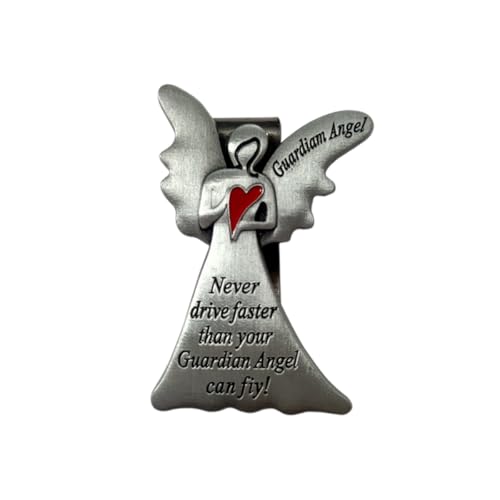
UHANBUT
UHANBUT Car Guardian Angel Visor Clip, Religious…
- 【Never Drive Faster】: This beautiful auto sun visor clip is printed with the words "Never drive faster than your Guardian Angel ca…
- 【Quality Material】: The lovely visor clip is meticulously crafted from high-quality zinc alloy, which is wear-resistant, not prone…
- 【Beautifully Crafted Designs】: This auto sun visor clip features a guardian angel pattern design and is crafted through electropla…
As an Amazon Associate I earn from qualifying purchases.
Or, it could mean how fast the car can go in total. This is its top speed.
Many things work together to make a car fast. The engine is a huge part of it. Think of it as the heart of the car.
But it’s not just about how big the engine is. It’s also about how well it’s built and how it uses fuel.
Aerodynamics is another big player. This is how the car moves through the air. A car shaped like a brick will have a hard time going fast.
Air will push against it. A smooth, sleek car cuts through the air much easier. This lets it go faster with less effort.
Weight is also key. A lighter car is usually faster. Imagine trying to push a small box versus a large, heavy desk.
The small box is much easier to move quickly. Cars are the same way. Less weight means the engine doesn’t have to work as hard to get it moving.
Finally, tire grip is important. Even if a car has a powerful engine, it can’t go fast if its wheels just spin. Good tires grip the road.
This lets the power from the engine actually move the car forward. Without good grip, the car will just waste power.
My First Taste of Real Speed
I remember my first road trip in a truly fast car. It wasn’t a supercar, but it was a sporty sedan my uncle owned. We were on a long, empty stretch of highway in Nevada.
The sun was beating down, and the road stretched out forever.
My uncle looked over at me, a little grin on his face. “Ready to see what this thing can do?” he asked. I nodded, my heart beating a little faster.
He gently pressed the gas pedal. The engine didn’t roar at first. It made a deeper sound, a powerful hum.
Then, he pushed down a bit more. The world outside the windows seemed to blur. The speed numbers on the dash climbed quickly.
Trees became streaks of green. It was exhilarating. It wasn’t just going fast; it was feeling the car push back against the air.
It felt alive.
I remember gripping the armrest, not out of fear, but pure excitement. The car felt planted on the road, stable. This experience showed me that speed isn’t just about numbers.
It’s about how the machine works with the forces around it. It was a thrilling lesson in acceleration.
Engine Power: The Heartbeat of Speed
Horsepower: This is a measure of the engine’s total power. More horsepower usually means a faster car. It shows how much work the engine can do.
Torque: This is about the engine’s pulling or twisting force. High torque helps a car accelerate quickly from a stop. It’s like the initial push.
Engine Type: Different engines perform differently. A V6 might be quick, but a V8 often has more raw power for high speeds.
Turbochargers/Superchargers: These force more air into the engine. This makes the engine produce more power and can significantly boost speed.
Car Comparisons: What the Numbers Mean
When people compare cars, they often look at a few key numbers. These numbers help us understand how fast one car is compared to another.
The most common comparison is 0-60 mph time. This tells you how long it takes a car to go from standing still to 60 miles per hour. A lower number is better.
It means the car is quicker off the line.
For example, a sports car might do 0-60 mph in under 4 seconds. A regular family car might take 7 or 8 seconds. This difference feels huge when you’re driving.
Another important number is top speed. This is the fastest speed the car can reach. This is often limited by the engine’s power and the car’s aerodynamics.
Supercars can have top speeds of over 200 mph. Most passenger cars are limited to around 130-150 mph by their design or electronic limiters.
It’s also good to know about horsepower (hp) and torque (lb-ft). Horsepower measures the engine’s power output. Torque measures its twisting force.
A car with high horsepower can maintain high speeds. A car with high torque can accelerate very quickly, especially at lower speeds. Both are vital for different aspects of speed.
Aerodynamics: Slipping Through the Air
Drag Coefficient (Cd): This number shows how much air resistance a car faces. A lower Cd means the car cuts through the air better.
Downforce: Some cars use spoilers and wings to create downforce. This pushes the car onto the road, improving grip at high speeds.
Car Shape: Sleek, rounded shapes are better than boxy shapes. They allow air to flow smoothly over the car.
Real-World Scenarios: Where Speed Matters
Where a car is driven makes a big difference to its perceived speed. Think about different places you might see cars.
On a race track, you see the car’s full potential. Drivers push them hard. The focus is on quick acceleration, cornering speed, and top speed on the straightaways.
This is where aerodynamic design and precise handling are crucial.
On the highway, speed is about merging safely and passing slower vehicles. Quick acceleration is important here. You want to be able to get up to speed with traffic fast.
Being able to maintain a steady, high speed comfortably is also key.
In a city, speed is less about how fast you can go and more about quick bursts of acceleration. You might need to jump into a gap in traffic or get away from a light quickly. However, city speeds are low due to traffic and speed limits.
A car that feels incredibly fast on a track might feel less impressive in daily city driving. Conversely, a car that’s not a drag-strip king might be very pleasant and capable for highway cruising.
The driver’s skill is also a huge factor. An experienced driver can make a decent car feel faster than an unskilled driver can make a powerful car feel. Knowing when to accelerate, brake, and how to handle the steering all play a role.
Weight Matters: Less Is More
Curb Weight: This is the weight of the car with all its fluids but no passengers or cargo. Lighter cars accelerate faster and handle better.
Power-to-Weight Ratio: This compares the car’s horsepower to its weight. A high ratio means the engine has less weight to move, leading to better acceleration.
Materials: Sports cars often use lightweight materials like aluminum and carbon fiber to reduce weight. This is expensive but effective.
What Speed Differences Mean for You
When you’re looking at which car is faster, it’s helpful to know what these differences mean in everyday driving.
Normal Speed Differences: Many family cars are designed for comfort and fuel economy. Their 0-60 times might be around 7-10 seconds. This is perfectly fine for most daily driving needs.
They offer a smooth ride and are easy to control.
Concerning Speed Differences: If a car you’re driving feels sluggish and slow to react when you need to merge into fast traffic, that could be a concern. This might happen if the engine is not performing correctly or if there’s a problem with the transmission.
Simple Checks: You can often get a feel for a car’s speed by simply driving it. Pay attention to how it accelerates when you press the gas. Does it feel responsive?
Does it make strange noises when trying to speed up?
If you’re looking at buying a car, test drive it in conditions that are similar to how you’ll use it. If you drive a lot on highways, test its merging ability. If you drive in the city, see how it handles stop-and-go traffic.
Remember that speed isn’t everything. Safety and comfort are also very important. A car that feels “fast” but is hard to control isn’t a good choice for most people.
Tire Grip: The Foundation of Speed
Tire Tread: Deeper treads help grip the road, especially in wet conditions. Worn tires lose grip.
Tire Compound: Softer rubber compounds offer better grip but wear out faster. Harder compounds last longer but have less grip.
Tire Pressure: Properly inflated tires provide the best contact patch with the road for optimal grip and performance.
Quick Tips for Understanding Car Speed
When you’re trying to figure out which car is faster, keep these simple points in mind.
- Look at 0-60 mph times for acceleration. A lower number means quicker from a stop.
- Check top speed ratings for maximum speed potential.
- Horsepower is for maintaining speed.
- Torque is for quick starts and passing.
- Weight plays a big role. Lighter cars are usually faster.
- Aerodynamics helps cars cut through the air. Smooth shapes are better.
- Tires need good grip for power to reach the road.
- Driver skill can make a surprising difference.
It’s a mix of many things. No single part makes a car fast on its own. It’s how they all work together.
Quick-Scan Comparison Table: Common Car Types
| Car Type | Typical 0-60 mph Time | Typical Top Speed | Focus |
|---|---|---|---|
| Economy Car | 8-12 seconds | 100-120 mph | Fuel efficiency, low cost |
| Family Sedan | 6-9 seconds | 120-140 mph | Comfort, practicality, safety |
| Sports Car | 3-5 seconds | 150-200+ mph | Performance, handling, acceleration |
| Supercar | Under 3 seconds | 200+ mph | Extreme speed, cutting-edge tech |
Frequent Questions About Car Speed
What is the difference between horsepower and torque?
Horsepower is about how fast an engine can do work. Think of it as how much total power is available. Torque is the engine’s twisting force.
It’s what gets the car moving from a stop or helps it accelerate quickly. You need both for a fast car.
Does engine size always mean a faster car?
Not always. While bigger engines often have more power, modern technology matters a lot. A smaller, turbocharged engine can be faster than a larger, naturally aspirated one.
Efficiency and how the engine is tuned are key.
How much does weight affect a car’s speed?
Weight has a huge impact. A lighter car needs less energy to move. This means it can accelerate faster and often reach a higher top speed with the same engine power.
Reducing weight is a common goal for performance cars.
Is it legal to drive at the top speed of a car?
In most places, no. Top speeds are usually only achievable on closed tracks or test courses. Public roads have speed limits that are much lower.
Driving at extreme speeds on public roads is dangerous and illegal.
What is a good 0-60 mph time for a regular car?
For a typical family car or sedan, a 0-60 mph time between 6 and 9 seconds is considered good. This provides enough quickness for safe merging and passing on highways. Sports cars will be much faster, while some economy cars might be slower.
How do tires affect a car’s speed performance?
Tires are the only part of the car touching the road. They need to grip the surface well to transfer the engine’s power. Good tires ensure that when the engine makes power, the wheels turn and move the car forward, rather than just spinning.
What is the role of aerodynamics in car speed?
Aerodynamics is about how air flows around the car. A car that is shaped to cut through the air with less resistance will be faster. It also helps with stability at high speeds by creating downforce, pushing the car onto the road.
Final Thoughts on Speed
Understanding which car is faster involves looking beyond just one number. It’s a complex dance of power, design, and physics. From the engine’s heart to the tires’ grip, every part plays its role.
Enjoy the journey of learning about what makes cars move.
Related pick: Check today's price on Amazon
Products related to this article
Sponsored / affiliate links. As an Amazon Associate I earn from qualifying purchases. I may earn additional commission from eligible campaigns.

![[MFi] 35W USB C Fast Car Charger with 3Ft Type C to Lightning Cable(Pink)](https://m.media-amazon.com/images/I/41sORP34PYL._SL500_.jpg)