How To Get Better At Cars: Skills Every Enthusiast Needs
Navigating the world of cars can feel a bit overwhelming. You see amazing machines and hear about them constantly. Maybe you want to understand what people are talking about.
Perhaps you’d love to fix your own car. Or maybe you just want to appreciate them more. It’s a big passion for many.
This guide is here to help you learn. We’ll break down what it means to be good with cars. You’ll find out the skills that make a true enthusiast.
Get ready to dive deep.
Becoming a skilled car enthusiast involves a blend of practical knowledge, observational ability, and a genuine curiosity about how vehicles work and their place in culture. It’s about building a connection with the machine and its history.
Understanding the Basics of Cars
Cars are complex. But their core functions are not too hard to grasp. Every car needs to move.

JHkim
JHkim Busy Board Montessori Toys for Boys…
- 【Montessori Toys for Children】- Approved Montessori method, JHkim busy board is designed with 1-3 graded challenges to occupy and…
- 【22 in 1 Sensory Board】- The busy book offers more than 20 elements (Page 1 2 3 4 featuring shoelaces, gears, funny mirror, clock,…
- 【Learning Toys】- This JHkim Montessori board for children can improve fine motor skills, strengthen hand-eye coordination, and dev…
As an Amazon Associate I earn from qualifying purchases.
It needs to stop. And it needs to keep running safely. These are the main jobs.
Think of a car like a system. Many parts work together. When one part has a problem, it can affect others.
Learning these basic jobs is the first step. It helps you see the big picture.
A car’s engine is its heart. It burns fuel. This makes power.
That power turns the wheels. This makes the car go. The transmission helps control this power.
It lets the wheels turn at different speeds. Brakes are vital. They use friction to slow down or stop the car.
The steering system lets you guide the car. It turns the wheels left or right.
Safety systems are also key. These include seatbelts and airbags. They protect you in a crash.
Lights help you see at night. They also let others see you. Understanding these main systems gives you a foundation.
It makes learning more advanced things easier.

Essential Skills for Every Car Enthusiast
Being a car enthusiast means more than just liking cars. It’s about knowing them. It’s about appreciating what makes them special.
There are many skills you can learn. Some are hands-on. Others are more about knowledge.
All of them help you grow. Let’s look at some of the most important ones.
First, basic maintenance is huge. This includes things like checking oil. It means looking at tire pressure.
You can learn to change a tire. You can also learn to replace an air filter. These small tasks keep your car running well.
They also save you money. They help you spot bigger problems early.
Next, understanding how things work is crucial. This means looking under the hood. It means knowing what different parts do.
Why does a car have a radiator? What is a spark plug for? The more you know, the more you can appreciate the engineering.
This knowledge helps you talk about cars intelligently. It helps you make smart choices.
Observational skills are also very useful. Can you spot a problem just by listening? A strange noise can mean many things.
It could be a loose part. It might be something more serious. Learning to notice these sounds and sights is a valuable skill.
It helps you be proactive about car care.
Finally, knowing car history is part of the fun. When was a certain car made? What was special about it then?
Different eras of cars have different styles. They have different technologies. Learning this history connects you to the cars.
It shows how they have changed over time.
From Driving to Detailing: Practical Skills
The journey to becoming a car expert involves a lot of practical learning. It’s about getting your hands dirty sometimes. It’s about experiencing the car in different ways.
This section looks at skills that are very hands-on. They directly relate to the car’s performance and looks.
Driving Techniques: This might sound obvious. But there’s more to driving than just getting from A to B. Smooth driving is key.
It means gentle acceleration. It means braking before turns. This is good for the car.
It also improves fuel economy. Learning to drive in different conditions is important. This includes rain or snow.
It helps you stay safe. For those interested in performance, learning track driving or autocross can be very rewarding. These teach you about car limits.
They teach you control. My first time on a track was nerve-wracking. But I learned so much about my car’s grip.
Basic Mechanical Skills: This is where you really start to connect with the car’s inner workings. Checking fluid levels is a must. This includes engine oil, coolant, and brake fluid.
Learn how to check their color and level. Dirty or low fluids are warning signs. Changing the oil yourself is a great first step.
You get to see the oil filter. You learn where the drain plug is. It’s a satisfying job.
Learning to check and inflate tires is also simple but vital. Proper tire pressure affects safety, handling, and fuel efficiency. I remember the first time I changed my own oil.
It took me longer than expected. But the feeling of accomplishment was huge.
Tire Care: Tires are the only part of the car that touches the road. Keeping them in good shape is critical. Beyond pressure, you need to check tread depth.
Worn tires reduce grip. This is dangerous. Also, learn about tire rotation.
This helps them wear evenly. It makes them last longer. Understanding the difference between all-season, summer, and winter tires is also helpful.
Each has its pros and cons.
Cleaning and Detailing: A clean car is a happy car. And a well-detailed car looks amazing. This skill goes beyond a quick wash.
It involves washing properly to avoid scratches. It includes using the right soaps and tools. You learn about waxing and polishing.
These protect the paint. They make it shine. Interior detailing involves cleaning carpets and upholstery.
It means cleaning and conditioning leather. Detailing teaches you to see the car’s lines. It makes you appreciate its form.
Understanding Parts: As you get more comfortable, you start to learn what the different parts do. What is a carburetor? What is fuel injection?
How does an exhaust system work? You don’t need to be a mechanic to know this. Simple diagrams and explanations can help.
Understanding how the cooling system works, for example, is important. It prevents the engine from overheating. This is a common and serious problem.
Quick Scan: Essential Car Fluids to Check
Lubricates parts. Prevents wear. Check level and color.
Keeps engine from overheating. Also prevents freezing. Check level.
Helps brakes work. Low fluid means brake issues. Check level.
Helps you steer easily. Check level.
The Art of Observation: Listening and Looking
Cars talk to us. They tell us when something is wrong. This happens through sounds and sights.
Learning to pay attention is a skill. It helps you catch issues early. This can save you a lot of trouble.
And it can save you money. It’s like being a car detective.
Listening for Sounds: A car’s normal sounds are familiar. The engine has a hum. The tires make a soft rumble.
When a new sound appears, pay attention. Is it a squeal? Is it a knock?
Is it a clunk? A squeal when braking might mean worn brake pads. A knocking sound from the engine is serious.
It could mean a problem with the pistons. A clunk when turning might be a suspension issue. These sounds are clues.
What to Look For: Beyond sounds, look for visual clues. Are there any leaks under the car? Puddles of fluid are a sign.
Note the color of the fluid. Oil is usually dark brown or black. Coolant can be green, red, or orange.
Brake fluid is clear to yellowish. Smoke from the exhaust is another clue. Blue smoke often means oil is burning.
White smoke can mean coolant is burning.
Vibrations and Sensations: Sometimes, a problem isn’t a sound. It’s a feeling. Does the steering wheel shake?
Does the car pull to one side? Do you feel a strong vibration when you drive? These can indicate issues with tires, wheels, or alignment.
These sensations are your car’s way of telling you something is off. I once felt a slight vibration on the highway. I thought nothing of it at first.
Then it got worse. It turned out one of my tires was starting to come apart.
Regular Checks: Make these observations a habit. Before you drive, glance around the car. After you park, check underneath for leaks.
Listen to your car as you drive. These small efforts can prevent big problems. They are part of being a good car owner.
Contrast Matrix: Normal vs. Concerning Car Signs
| Sign | Often Normal | Usually Concerning |
|---|---|---|
| Engine Noise | Steady hum at idle. Soft rumble on acceleration. | Knocking, ticking, or grinding sounds. Loud bangs. |
| Exhaust Smoke | Slight wisps of white steam on a cold start (dissipates quickly). | Thick white, blue, or black smoke that persists. |
| Braking | Smooth, firm pedal. Moderate stopping power. | Squealing, grinding, spongy pedal, or car pulling to one side. |
| Steering | Responsive, smooth turning. | Stiff, loose, or noisy steering. Shaking or pulling. |
Deepening Your Knowledge: Understanding Car Systems
Once you’re comfortable with the basics and observation, you can start to understand more. Cars have several key systems. Each one is important for how the car runs.
Learning about these systems makes you a more informed enthusiast. You can understand repair discussions better. You can also appreciate the engineering.
The Powertrain: This includes the engine, transmission, and drivetrain. The engine is the powerhouse. It converts fuel into motion.
Transmissions help manage that power. They allow the car to move at different speeds. The drivetrain sends power to the wheels.
Understanding how these parts interact is fascinating. It explains why different cars feel different to drive.
The Electrical System: Modern cars are full of electronics. This system powers everything. It includes the battery, alternator, starter, and all the lights and sensors.
The battery stores power. The alternator recharges it. The starter gets the engine going.
Many sensors send information to the car’s computer. This computer manages many functions. A problem here can cause strange issues.
Lights might flicker. Or the car might not start at all.
The Suspension and Steering: This system connects the car to the road. It provides a smooth ride. It allows you to steer the car.
Key parts include shocks or struts, springs, and control arms. Proper suspension keeps the tires on the ground. This is vital for handling and braking.
The steering system allows you to direct the car. It includes the steering wheel, steering column, and rack and pinion or steering box.
The Braking System: This is a critical safety system. It uses friction to slow the car. Most cars use disc brakes or drum brakes.
Disc brakes have a rotor and a caliper with pads. Drum brakes have shoes that press against a drum. Understanding how these work helps you understand brake maintenance.
It explains why brakes sometimes feel soft or noisy.
The Cooling System: Engines produce a lot of heat. The cooling system prevents them from overheating. It uses coolant circulating through the engine.
A radiator cools the coolant. A fan helps this process. A thermostat controls the coolant flow.
Overheating can cause severe engine damage. Knowing the basics of this system is important for everyone.
Stacked Micro-Sections: Key Engine Components
Cylinders: Where fuel burns to create power.
Pistons: Move up and down inside cylinders.
Crankshaft: Turns piston movement into rotation.
Valves: Control airflow into and out of cylinders.
Camshaft: Opens and closes the valves.
Exploring Car History and Culture
Cars are more than just machines. They are a huge part of our culture. They tell us a lot about where we came from.
They show us how our world has changed. Learning about car history is like reading a story. It’s a story of innovation and style.
Milestone Cars: Certain cars changed everything. Think of the Ford Model T. It made cars affordable for many people.
The Volkswagen Beetle became a global icon. Sports cars like the Chevrolet Corvette or the Porsche 911 have their own legends. Understanding these landmark vehicles is important.
They show us leaps in design or technology. They represent different eras.
Design Evolution: Car design changes over decades. The sleek curves of the 1950s are very different from the boxy shapes of the 1980s. Or the aerodynamic designs of today.
Each design trend reflects the times. It shows new ideas and new manufacturing methods. You can see how art and engineering meet in car design.
I love looking at photos of classic muscle cars. Their bold lines are just so powerful.
Technological Advances: Cars have seen incredible technology changes. From simple engines to complex computer systems. Think about the jump from carburetors to fuel injection.
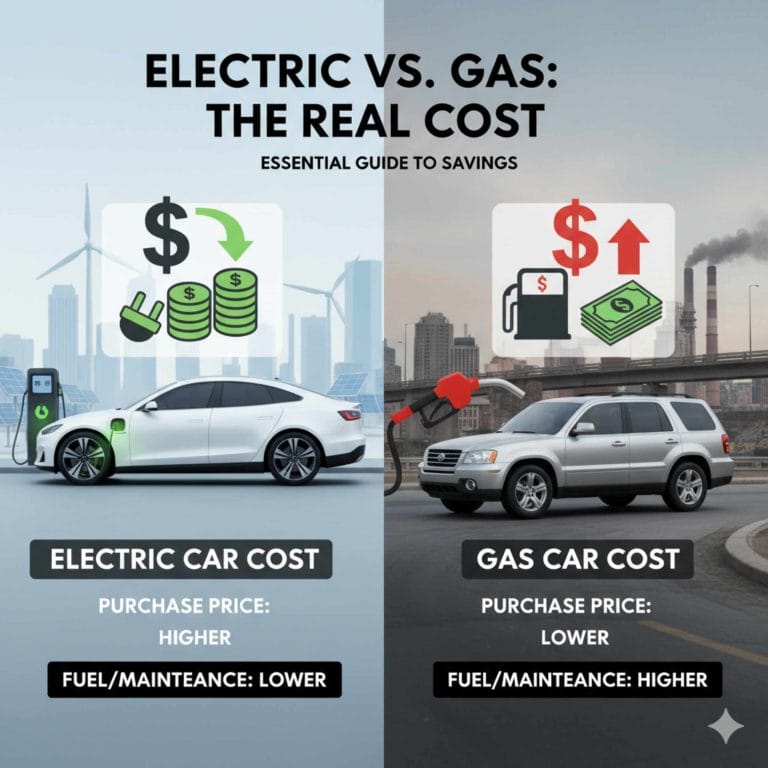
Or from manual transmissions to automatic ones. Now, electric cars are changing the game. Understanding this progress shows human ingenuity.
It shows how we keep pushing limits.
Car Culture: Cars influence music, movies, and fashion. Car clubs and shows are popular. Racing, like Formula 1 or NASCAR, has a huge following.
Car culture is diverse. It includes everything from hot rods to luxury sedans. It’s about passion and community.
Many people bond over their shared love for specific cars or types of cars.
Observational Flow: The Rise of the Electric Car
Early Days: Electric cars existed over 100 years ago. But they weren’t practical for long trips.
Modern Revival: Focus on environmental concerns and new battery tech.
Performance Leap: Electric cars offer instant torque and quick acceleration.
Infrastructure Growth: Charging stations are becoming more common.
Future Outlook: EVs are set to dominate the auto market.
Real-World Context: Cars in Your Life
Cars are part of our daily lives. How we use them affects their performance and longevity. Thinking about these real-world aspects is key.
It helps you manage your car better. It also helps you appreciate how cars fit into our society.
Climate and Geography: Where you live matters. Hot climates can stress a car’s cooling system. Cold climates can affect batteries and require winter tires.
Driving in snowy mountains is different from driving on flat coastal roads. Roads themselves can be rough. Potholes can damage tires and suspension.
Understanding your local conditions helps you prepare your car.
Driving Habits: How you drive makes a big difference. Aggressive driving – sudden starts, hard braking – wears parts faster. It also uses more fuel.
Gentle, smooth driving is easier on the car. It extends the life of brakes and tires. It can improve your gas mileage significantly.
I always try to be smooth on the pedals.
Car Maintenance Schedules: Manufacturers provide maintenance schedules. These tell you when to change fluids, filters, and other parts. Following these schedules is vital.
It helps prevent breakdowns. It keeps the car running at its best. Skipping maintenance can lead to costly repairs later.
I learned this the hard way with my first car. I ignored the oil change light for too long.
The Environment: Cars impact the environment. Emissions from gasoline engines contribute to air pollution. The production of cars also uses resources.
Choosing fuel-efficient cars or electric vehicles can help. Proper maintenance also ensures your car runs cleaner. Carpooling or using public transport when possible is another good option.
Cost of Ownership: Owning a car involves more than just the purchase price. There’s fuel, insurance, maintenance, and repairs. Understanding these costs helps you budget.
It also influences the type of car you might choose. Some cars are known for being more reliable. They tend to have lower repair bills over time.
Consumer Reports and similar guides can offer insights here.
Split Insight Panel: Tire Pressure Matters
Label: Tire Pressure
Note: Properly inflated tires improve safety, fuel economy, and tire life. Always check when tires are cold. Look for the recommended pressure on the sticker inside your driver’s side doorjamb or in your owner’s manual.
What This Means for You: Becoming a Confident Enthusiast
All this information might seem like a lot. But it’s not about becoming a master mechanic overnight. It’s about building knowledge step by step.
It’s about growing your confidence. Knowing more about cars makes you a better owner. It also makes the whole experience more enjoyable.
When It’s Normal: Many car sounds and small issues are normal. A car might make a slight rattle on a rough road. A bit of smoke on a cold morning can be fine.
Small quirks can be part of a car’s personality. Understanding what’s normal helps you avoid worrying too much. It also stops you from spending money on fixes you don’t need.
When to Worry: On the other hand, some signs are clear warnings. Persistent loud noises. Smoke that doesn’t go away.
Leaks under the car. These are things to address. If you’re unsure, it’s always best to get a professional opinion.
Safety should always come first. Never ignore a warning light on your dashboard.
Simple Checks You Can Do: You don’t need special tools for many checks. Looking at fluid levels is easy. Checking tire pressure takes minutes.
Inspecting your tires for wear or damage is simple. Listening to your car while driving is something everyone can do. These regular checks are your first line of defense.
Building Your Skillset: Start small. Pick one thing to learn about your car this week. Maybe it’s how to check the coolant.
Or how to clean your headlights. As you learn more, you’ll feel more capable. You’ll start to understand conversations about cars better.
You might even feel confident doing more complex tasks yourself.
Finding Resources: The internet is full of information. Your car’s owner’s manual is a great start. Online forums and YouTube videos can be very helpful.
There are also many books and magazines about cars. The more you expose yourself to information, the more you’ll learn.
Card Grid: Simple Car Checks for Beginners
Check Tire Pressure
Use a gauge. Do it regularly.
Inspect Tires
Look for wear and damage.
Check Fluid Levels
Oil, coolant, brake fluid.
Test Lights
Headlights, brake lights, turn signals.
Listen for Strange Noises
Pay attention while driving.
Look for Leaks
Check under the car after parking.
Quick Tips for Enthusiasts
Here are some simple, actionable tips. They can help you on your path to becoming more knowledgeable. These are small steps.
But they add up over time. They focus on continuous learning and care.
Read Your Owner’s Manual: It’s not just for when something breaks. It has valuable info on features and maintenance. Seriously, it’s a goldmine of useful tips specific to your car.
Join a Car Forum or Group: Connecting with other enthusiasts is great. You can ask questions. You can learn from their experiences.
Many online communities are very welcoming.
Watch Educational Videos: YouTube has countless videos on car repair and explanation. Find channels that break down complex topics simply. Seeing it done makes it easier to understand.
Don’t Be Afraid to Ask: If you see someone working on a cool car, or at a car show, ask them about it. Most car people love to talk about cars and share knowledge.
Start with Your Own Car: Your car is your best learning tool. Familiarize yourself with its parts. Try simple maintenance tasks on it.
This practical experience is invaluable.
Set Small Goals: Don’t try to learn everything at once. Aim to learn one new thing each week. Maybe it’s the name of a part, or a maintenance task.
Attend Car Shows and Events: Seeing many different cars up close is inspiring. You can learn a lot just by looking and talking to owners.
Understand the Basics of Detailing: Even if you don’t go full detailer, knowing how to wash your car properly prevents scratches. It keeps it looking good.

Frequent Questions About Car Skills
What is the most important skill for a car enthusiast to have?
The most important skill is a genuine curiosity and willingness to learn. Beyond that, basic observational skills – listening for strange noises and spotting visual clues – are incredibly valuable for early problem detection.
Do I need to be a mechanic to be a car enthusiast?
No, not at all. You don’t need to be a mechanic. Being an enthusiast means appreciating cars, understanding their history, design, and how they work at a basic level.
Many enthusiasts enjoy learning practical skills, but it’s not a requirement to love cars.
How can I learn about car maintenance safely?
Start with very simple tasks like checking fluid levels or tire pressure. Always use your owner’s manual as a guide. Watch reputable online video tutorials from trusted sources before attempting anything.
If you’re unsure, it’s safer to watch or ask a knowledgeable friend or mechanic.
What are the first few car parts I should learn about?
It’s helpful to start with the basics: the engine (what it does), tires (pressure and tread), brakes (how they work simply), and fluids (oil, coolant, brake fluid). Knowing these will give you a solid foundation for understanding your car.
How important is understanding car history and culture?
Understanding car history and culture adds a rich layer to your enthusiasm. It helps you appreciate how cars evolved, the impact they’ve had on society, and the stories behind iconic models. It connects you to the broader world of automotive passion.
Can I improve my car’s performance through my driving skills?
Yes, smooth driving techniques can improve fuel efficiency and reduce wear on components like brakes and tires. For actual performance gains, that usually involves modifications or specialized training like track days, but smart driving is always beneficial.
Conclusion
Becoming better with cars is a journey. It’s about building skills and knowledge over time. Start with what interests you most.
Whether it’s driving, fixing, or history. Enjoy the process. Every bit of learning makes your connection to cars stronger.
Happy motoring!
Related pick: Check today's price on Amazon
Products related to this article
Sponsored / affiliate links. As an Amazon Associate I earn from qualifying purchases. I may earn additional commission from eligible campaigns.