Where Are Car Tires Made? Top Manufacturing Countries
The journey of a car tire, from raw material to the road, spans continents, advanced technologies, and intricate logistics networks. As you grip the steering wheel and your vehicle glides over asphalt, you’re relying on a product with a hidden yet fascinating global backstory.
Car tires are more than just circles of rubber—they’re the result of a high-tech manufacturing process that stretches across the world. The question, “Where are car tires made? ” opens a window into a competitive and innovative industry that’s vital for modern mobility.
Understanding where car tires come from can help consumers make informed decisions, car enthusiasts appreciate their vehicles more deeply, and industry professionals benchmark market trends. The leading manufacturing countries don’t just churn out tires; they set global quality standards, drive technological advancement, and often dictate pricing.
This article delves into the top car tire manufacturing nations, spotlights their signature strengths, and explores how their output shapes what you drive every day.
Key Takeaways
- Car tires are manufactured worldwide, with top production concentrated in East Asia, Europe, and North America.
- China, the United States, and Japan consistently rank as leading tire manufacturing countries, powering both domestic and export markets.
- Global tire supply chains are complex, involving multinational corporations, regional regulations, and diverse raw material sources.
- Technological innovations and sustainability initiatives are reshaping tire factories in the world’s largest producing nations.
- Consumers benefit from understanding tire origins, as it impacts product quality, price, and environmental footprint.

Credit: www.sheehyfordgaithersburg.com
The Global Landscape Of Tire Manufacturing
The car tire industry is a massive global business, worth more than $100 billion annually. Tires are manufactured in over 45 countries, with output tightly clustered among a handful of leaders. Understanding the distribution of tire factories gives insight into the world’s automotive supply chain and explains why certain brands dominate the market.
Major Tire Manufacturing Regions
- East Asia: China, Japan, South Korea, and Taiwan have emerged as tire powerhouses, driven by a combination of domestic demand, export infrastructure, and technical know-how. China alone accounts for a significant share of the world’s tire exports, while Japan and South Korea are renowned for their high-quality and innovative products. Taiwan, though smaller in scale, is known for specialty and performance tires.
- Europe: Germany, France, Italy, and Poland are key players, housing both global giants and high-tech specialty manufacturers. Eastern European nations like Hungary, Slovakia, and Romania have also attracted significant investment due to lower labor costs and proximity to major car manufacturers.
- North America: The United States, Mexico, and Canada support massive production capacity for both domestic and export markets. The US is a hub for premium and specialty tires, while Mexico has become a go-to location for international brands seeking lower manufacturing costs while retaining access to the North American market.
- Southeast Asia and India: Thailand, Indonesia, and India are important for natural rubber supply and growing tire manufacturing bases. These countries not only supply the raw materials but are rapidly scaling up finished tire production to meet both regional and global demand.
Global Tire Production Volume
To illustrate the dominance of certain nations, consider the following production table:
| Country | Annual Production (million tires) | Major Brands |
|---|---|---|
| China | 800+ | Linglong, Giti, Double Coin |
| United States | 220+ | Goodyear, Cooper, Michelin (USA) |
| Japan | 120+ | Bridgestone, Yokohama, Toyo |
| India | 110+ | MRF, Apollo, CEAT |
| Germany | 80+ | Continental, Pirelli (plants) |
*Source: Statista*
These figures underscore the sheer scale of the industry and the importance of strategic manufacturing locations. For example, while China leads in volume, Germany’s output is focused on high-value, technologically advanced products that cater to European luxury vehicles.
Key Industry Players
The global tire market is dominated by a handful of multinational companies, such as Michelin, Bridgestone, Continental, Goodyear, and Pirelli. These companies operate factories on nearly every continent and often source components from multiple countries for a single tire. For instance, a single Michelin tire may be designed in France, use Thai natural rubber, have German steel belts, and be assembled in a US or Chinese plant.
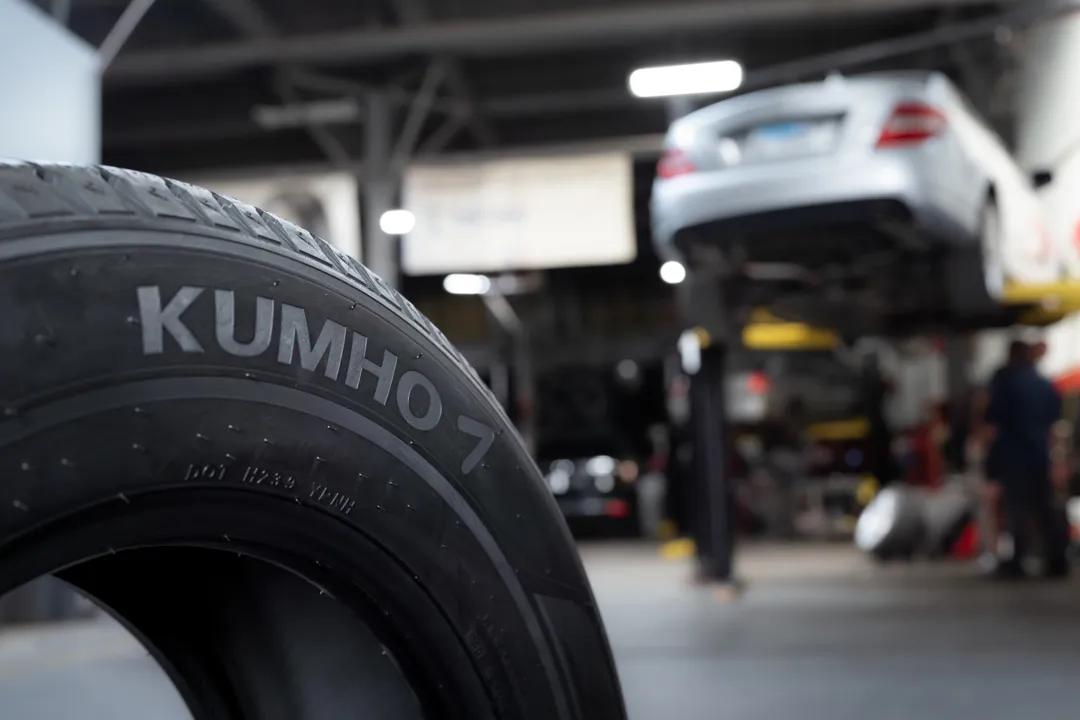
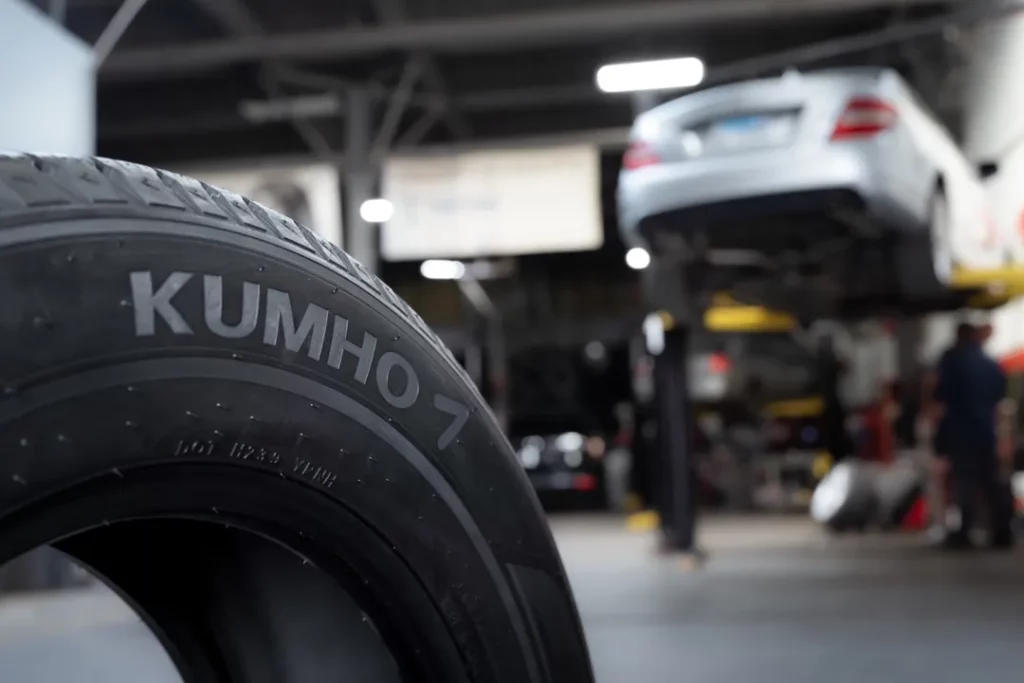
Other notable players include Sumitomo, Hankook, Kumho, and Nokian. These brands have carved out strong niches, such as high-performance tires, winter tires, or commercial vehicle tires.
Supply Chain And Logistics
Car tire manufacturing requires a stable supply of natural rubber, synthetic rubber, steel, and chemicals. Raw materials are sourced globally, with Southeast Asia leading in natural rubber production. The global nature of the supply chain means that a tire sold in the US might be made in Mexico, using Thai rubber and German engineering.
The tire industry is especially sensitive to supply chain disruptions, such as those caused by geopolitical events, shipping delays, or fluctuations in oil and rubber prices. Companies often maintain strategic reserves or establish dual sourcing arrangements to ensure continuity. Additionally, the rise of digital supply chain management tools has allowed manufacturers to optimize logistics, reduce lead times, and better forecast demand.
Credit: www.utires.com
Top Car Tire Manufacturing Countries
While dozens of nations produce car tires, a select group drives the bulk of global output. Let’s dive into the strengths, specialties, and industry highlights of the world’s top tire manufacturing countries.
China: The World’s Largest Tire Producer
China’s meteoric rise in tire manufacturing is unparalleled. With more than 800 million car tires produced annually, China supplies both its massive domestic market and exports to over 200 countries.
- Key strengths: Cost-effective mass production, robust export infrastructure, and growing investment in technology. Chinese factories often boast large-scale operations, allowing for economies of scale. The government has also incentivized modernization and export orientation.
- Leading brands: Linglong Tire, Giti Tire, Double Coin, Sailun.
- Export markets: United States, Europe, South America, Africa.
Chinese tire manufacturers have expanded aggressively overseas, establishing plants in Thailand, the United States, and Europe to circumvent tariffs and serve local markets more efficiently. The country’s tire sector is also rapidly adopting automation and green manufacturing practices, with several leading brands investing in smart factories and sustainability.
*Example: In 2026, Linglong Tire opened its fifth overseas plant in Serbia, highlighting China’s global footprint (Wikipedia).*
China’s tire industry is also notable for its broad product range, from low-cost tires for developing markets to advanced, high-performance models for international brands. The sector faces challenges, however, such as environmental regulations, rising labor costs, and periodic trade disputes with the US and EU.
United States: High-tech And Homegrown
The US is home to some of the world’s most iconic tire brands, like Goodyear and Cooper, and maintains a significant manufacturing base despite global competition.
- Key strengths: Advanced R&D, high safety standards, and a focus on premium and specialty tires. US-based companies invest heavily in product innovation, including run-flat technology, all-weather compounds, and smart tire sensors.
- Major hubs: Ohio, South Carolina, Oklahoma. These states benefit from proximity to major automotive manufacturing clusters and excellent transportation infrastructure.
- Leading brands: Goodyear, Cooper Tire (acquired by Goodyear), Michelin North America.
US factories produce for both domestic consumption and export, though the country still imports large numbers of tires due to its massive vehicle fleet and diverse consumer preferences. American plants often specialize in larger, more expensive products like SUV, light truck, and performance tires.
*Case Study: Michelin’s Greenville, South Carolina plant employs advanced automation, producing nearly 12 million tires a year while reducing energy use by 16% since 2015.*
The US tire market is also highly regulated, with strict safety and environmental standards enforced by the Department of Transportation (DOT) and the Environmental Protection Agency (EPA). This regulatory environment drives quality but can increase costs compared to other regions.
Japan: Precision And Innovation
Japan’s tire industry is synonymous with precision engineering and technological leadership.
- Key strengths: High-quality manufacturing, innovation in materials, and a global export focus. Japanese companies have pioneered technologies such as run-flat tires, noise-reducing tread patterns, and advanced silica compounds for improved efficiency.
- Top brands: Bridgestone (world’s largest tire company), Yokohama, Toyo, Sumitomo.
- Export reach: North America, Europe, Asia-Pacific.
Japanese tire manufacturers are often at the forefront of sustainable technologies, such as low-rolling-resistance tires and eco-friendly compounds. Bridgestone and Yokohama, for instance, have invested in research on natural rubber alternatives, such as guayule and dandelion-based rubbers.
*Example: Bridgestone’s “ENLITEN” technology reduces tire weight by up to 20%, lowering CO₂ emissions. Bridgestone operates major plants in Japan, the US, and Europe (Bridgestone Corporate).*
Japanese plants are known for their rigorous quality control systems, including Six Sigma methodologies and the use of IoT sensors for continuous monitoring. As a result, Japanese tires are highly sought after in both original equipment and replacement markets.
India: Rapid Growth And Regional Strength
India’s tire industry has grown rapidly, driven by booming domestic car sales and a focus on regional exports.
- Key strengths: Competitive costs, expanding manufacturing base, and strong presence in the Asia-Pacific region. The Indian government has supported the sector through policy incentives and infrastructure upgrades.
- Top brands: MRF, Apollo Tyres, CEAT, JK Tyre.
- Export markets: Southeast Asia, Middle East, Africa.
India is also a hub for commercial vehicle and two-wheeler tires, with several companies establishing R&D facilities to compete with global giants. The growth of India’s automotive market has led to increased investments in automation, quality control, and export-oriented production.
*Case Study: Apollo Tyres’ Chennai plant is one of the world’s largest single-location tire factories, producing over 30,000 car tires daily.*
Indian tire brands have increasingly partnered with global OEMs and are making inroads into more mature markets. The focus on value and utility makes Indian tires popular in developing regions, while ongoing investments are raising quality standards.
Germany: European Engineering Powerhouse
Germany combines engineering excellence with a strategic location at the heart of the European market.
- Key strengths: Advanced technology, premium quality, and strong automotive partnerships. German factories emphasize precision, durability, and performance, making them preferred suppliers for luxury and performance vehicles.
- Major brands: Continental, Pirelli (German plants), Michelin (German operations).
- Export focus: Europe, global luxury carmakers.
German tire manufacturers are leaders in high-performance and specialty tires, leveraging partnerships with luxury auto brands like BMW, Mercedes-Benz, and Audi. German-made tires are often associated with exceptional wet and dry grip, low rolling resistance, and advanced safety features.
*Example: Continental’s Hanover factory is a pioneer in digitalized “smart factory” tire production (Continental Tires).*
Germany’s tire sector is also at the forefront of sustainability, with significant investments in renewable energy, closed-loop recycling, and reduced emissions throughout the production process. The country’s strict environmental regulations push manufacturers to continuously innovate in eco-friendly materials and production methods.
Credit: www.utires.com
How Tires Are Made: A Look Inside Modern Factories
Understanding where tires are made means also grasping how they’re made. Modern tire factories are marvels of technology, blending chemistry, robotics, and quality control.
Raw Material Sourcing
- Natural rubber: Primarily from Thailand, Indonesia, and Vietnam, which together supply over 70% of the world’s natural rubber. Many tire companies have established direct partnerships with rubber plantations to ensure traceability and sustainability.
- Synthetic rubber: Derived from petroleum, produced globally. Key producers include the US, China, and Western Europe. Synthetic rubber is essential for performance and weather resistance.
- Steel: Sourced from regional suppliers for tire belts and beads. High-tensile steel is a critical component in radial tires, providing strength and flexibility.
- Chemical additives: Include carbon black, silica, antioxidants. These compounds enhance strength, UV resistance, fuel efficiency, and traction.
An emerging trend is the use of alternative materials such as bio-oils, recycled plastics, and natural fibers to reduce reliance on petroleum-based inputs and improve the sustainability profile of tires.
The Tire Manufacturing Process
- Mixing: Raw materials are blended to create various rubber compounds. This process is tightly controlled, as slight variations can affect tire performance.
- Component Preparation: Tread, sidewall, and inner liner are separately manufactured. Each component requires different rubber blends and reinforcement materials.
- Building: Components are assembled on a tire-building machine, layer by layer. The process can be highly automated or partially manual, depending on the factory’s technology level.
- Curing (Vulcanization): Assembled tires are heated in molds, giving them their shape and tread pattern. Vulcanization also bonds the various layers into a single, cohesive structure.
- Inspection and Testing: Every tire undergoes strict quality checks, including x-ray scans, uniformity tests, and even high-speed endurance trials. Sophisticated vision systems detect minute defects, ensuring only top-quality products reach consumers.
Leading factories use “digital twins” and real-time data analytics to monitor every stage of production. This not only maximizes efficiency but also allows rapid troubleshooting and continuous improvement.
Automation And Digitalization
Factories in the US, Germany, and Japan are increasingly automated, with robots handling material transport, assembly, and inspection. Digital systems track every tire’s journey from raw material to finished product, ensuring traceability and quality.
The introduction of Industry 4. 0 principles has allowed manufacturers to deploy predictive maintenance, minimize downtime, and optimize energy use. For example, Continental’s smart factories use AI-driven analytics to predict equipment failures before they happen, while Bridgestone employs autonomous robots to assemble complex tire structures.
Automation also enhances worker safety by reducing exposure to hazardous processes and heavy lifting. As a result, many tire plants have seen a significant reduction in workplace injuries in recent years.
Sustainability In Manufacturing
Tire factories worldwide are investing in energy efficiency, recycling, and waste reduction. For example, Michelin’s “Vision” program aims to make all tires from renewable or recycled materials by 2050 (Michelin Vision Concept).
Other initiatives include:
- Closed-loop water recycling systems to minimize environmental impact.
- Use of solar, wind, and biomass energy to power manufacturing plants.
- Programs for collecting and recycling end-of-life tires, transforming them into new products or alternative fuels.
Manufacturers are also collaborating with NGOs and governments to promote sustainable rubber sourcing, protect biodiversity, and support local communities in rubber-producing regions.
Comparing Tire Manufacturing Countries: Cost, Quality, And Output
Choosing tires often means weighing cost, quality, and availability. Here’s a comparison of the top manufacturing countries in these key areas:
| Country | Average Export Price (USD/tire) | Quality Reputation | Major Export Destinations |
|---|---|---|---|
| China | $18-30 | Good (budget/mid-range) | US, EU, Africa, S. America |
| US | $35-60 | Excellent (premium) | Canada, Mexico, EU |
| Japan | $40-70 | Excellent (high-tech) | US, EU, Asia-Pacific |
| India | $20-40 | Good (value/utility) | Asia, Africa, ME |
| Germany | $50-90 | Excellent (performance) | EU, US, luxury OEMs |
*Sources: Trade.gov, OICA*
Cost-conscious buyers may favor Chinese or Indian-made tires, which often provide good value and meet international safety standards. However, those seeking maximum performance, longevity, or specialized features tend to gravitate toward Japanese, German, or American brands, even at a higher price point.
It’s important to note that the price differential also reflects differences in labor costs, regulatory compliance, and the level of automation in each country. Premium brands often justify their prices with investments in R&D, extensive testing, and partnerships with automakers for original equipment fitment.
The Role Of Multinational Brands And Local Factories
Global tire brands strategically locate factories to balance cost, logistics, and trade regulations. This means a “Japanese” or “French” brand might produce tires in multiple countries.
Why Brands Build Factories Worldwide
- Tariff avoidance: Producing locally helps avoid import duties (e.g., Chinese brands building in the US).
- Faster delivery: Local factories reduce shipping times and costs.
- Customization: Factories can tailor tires to local vehicle models and road conditions.
- Supply chain resilience: Regional diversification mitigates the impact of disruptions such as natural disasters, political instability, or pandemics.
For example, Pirelli has factories in Europe, South America, and Asia, allowing it to serve both high-end and value segments efficiently. Bridgestone, meanwhile, operates in every major market, adapting its product mix to local needs and preferences.
Examples Of Global Production Networks
- Michelin: Operates 117 production facilities in 26 countries, including France, the US, Brazil, China, and Thailand. Michelin adapts its product lines to local climates and customer requirements, such as winter tires for Scandinavia or high-durability models for South America.
- Bridgestone: Has 181 manufacturing plants in 24 countries. Bridgestone’s global reach allows it to support OEM contracts for automakers in Japan, the US, and Europe.
- Goodyear: Runs plants in the US, Europe, China, and Latin America. Goodyear often co-locates with car assembly plants to streamline logistics and reduce costs.
Local Vs. Imported Tires
Consumers often wonder whether a tire’s country of manufacture affects quality. Most major brands maintain strict quality standards across all facilities, but some regional brands may focus on value over performance.
*Example: Goodyear’s Assurance line is made in both US and China plants, with both meeting stringent US DOT standards (Wikipedia).*
Additionally, local regulations can influence the performance attributes of tires. For instance, EU regulations on rolling resistance and noise have led to different product formulations compared to tires made for North America or Asia.
Regional Trends And Future Outlook
The tire industry is in flux, shaped by shifting consumer demand, technology, and sustainability imperatives.
Growth In Emerging Markets
- Southeast Asia (Thailand, Indonesia, Vietnam): Fast-growing due to natural rubber supply and low-cost manufacturing. Many global brands have established joint ventures or wholly owned subsidiaries in these countries to take advantage of skilled labor and proximity to raw materials.
- Eastern Europe (Poland, Romania): Attracting investments due to skilled labor and EU access. These countries have become crucial for serving both Western and Eastern European markets, reducing logistics costs and lead times.
Countries like Turkey, Brazil, and Russia are also expanding their presence in the tire manufacturing landscape, targeting regional markets and export opportunities.
Impact Of Electric Vehicles
EVs require specialized tires for lower rolling resistance and higher torque. Manufacturers in Germany, Japan, and the US are investing heavily in R&D to meet these needs. New tire designs emphasize energy efficiency, reduced noise, and the ability to handle the instant torque of electric motors.
For example, Continental’s EcoContact series and Bridgestone’s Turanza EV line are specifically engineered for electric vehicles, using advanced materials and tread designs to optimize range and comfort.
Additionally, the push toward autonomous vehicles is driving demand for “smart tires” with embedded sensors that monitor wear, pressure, temperature, and road conditions in real time.
Sustainability And Green Tires
Regulations in Europe and North America increasingly mandate lower emissions and eco-friendly materials. Brands are racing to develop recyclable tires, bio-based compounds, and energy-efficient factories.
Efforts to close the loop include using recycled rubber, silica from rice husks, and bio-based oils in tire production. For example, Michelin and Goodyear have introduced prototypes with up to 50% renewable materials, while Bridgestone is piloting fully circular production models.
Sustainability also extends to end-of-life management, with companies partnering on tire recycling programs to recover materials for use in new tires, road construction, or alternative fuels.
Challenges And Opportunities
- Raw material volatility: Fluctuating rubber and oil prices affect costs, sometimes leading to price surges or supply bottlenecks.
- Trade tensions: Tariffs and anti-dumping duties shift manufacturing locations. The US, EU, and China have all imposed or faced trade barriers in recent years, prompting strategic realignments.
- Automation: Reduces labor costs but requires upskilling workers. Companies are investing in training and education to ensure their workforce can manage advanced machinery and digital systems.
Additional opportunities include the growing market for specialty tires (e. g. , for SUVs, off-road, or motorsport applications) and the expansion of tire-as-a-service business models, where fleets pay for tire performance rather than outright ownership.
Case Studies: Real-world Examples
Case Study 1: Michelin’s Global Network
Michelin, headquartered in France, produces tires in 26 countries. Its strategy leverages local manufacturing for regional markets, such as US plants for North America, and Thai and Chinese plants for Asia-Pacific. This approach ensures faster delivery and compliance with local regulations.
Michelin’s commitment to quality is evident in its rigorous global standards. Whether a tire is made in France, the US, or Thailand, it must pass the same stringent tests for durability, safety, and performance. This consistency is a key reason Michelin is trusted by automakers and consumers around the world.
Case Study 2: Linglong’s Expansion In Europe
Chinese tire giant Linglong opened a state-of-the-art plant in Serbia in 2026 to serve the European market. The facility uses advanced robotics and employs over 1,000 local workers, showing how Chinese brands are investing abroad to grow their global presence.
Linglong’s move also illustrates how global brands adapt to local regulatory environments. By manufacturing within the EU, Linglong can more easily comply with European standards on rolling resistance, noise, and environmental impact, while reducing delivery times for customers.
Case Study 3: Goodyear’s Us And Mexico Plants
Goodyear’s US factories focus on premium and specialty tires, while its plants in Mexico produce high-volume, standard models for both North and South American markets. This dual approach balances cost and quality for different segments.
Goodyear’s cross-border strategy also demonstrates the importance of flexible supply chains. By leveraging NAFTA/USMCA trade agreements, Goodyear can optimize production and distribution across the continent, responding quickly to shifts in demand or regulatory changes.
Frequently Asked Questions
Where Are Most Car Tires Made?
Most car tires are produced in China, followed by the United States, Japan, India, and Germany. These countries host the largest number of tire factories and account for the majority of global output, serving both local markets and exporting worldwide. Factors such as access to raw materials, skilled labor, and proximity to automotive hubs play a significant role in shaping these leading positions.
Does The Country Of Manufacture Affect Tire Quality?
While the country of manufacture can influence cost and availability, major global brands maintain consistent quality standards across all factories. However, some regional or lesser-known brands may have varying quality depending on local regulations and manufacturing practices. It’s always wise to check independent reviews, certifications, and performance ratings before purchasing.
Which Country Exports The Most Tires?
China is the world’s largest tire exporter, shipping to over 200 countries. Other major exporters include the United States, Japan, and Germany. Export volumes depend on a combination of manufacturing scale, trade agreements, and global demand. China’s dominance is driven by its huge production capacity, competitive pricing, and willingness to adapt products for different markets.
Are There Eco-friendly Tire Factories?
Yes, many leading manufacturers are investing in sustainable tire factories. For example, Michelin and Bridgestone have set ambitious goals for renewable materials and energy efficiency. Factories in Germany, Japan, and the US are pioneering green manufacturing with solar energy, water recycling, and waste reduction (Road to Reliability). Sustainability certifications such as ISO 14001 are increasingly common in the industry.
How Can I Tell Where My Car Tires Were Made?
Every tire has a DOT code on its sidewall, indicating the plant of manufacture. You can decode this information using online resources or the manufacturer’s website. This transparency helps consumers trace origin and verify compliance with safety standards (NHTSA). For example, a DOT code starting with “1M” refers to a Goodyear plant in Topeka, Kansas, while “YG” signifies a Yokohama factory in Japan.
The next time you inspect your car’s tires, you’ll know they represent a remarkable blend of global industry, cutting-edge technology, and regional expertise. Where your tires are made not only impacts performance and price, but also reflects the ever-evolving world of automotive manufacturing. Whether crafted in a high-tech German factory, a vast Chinese complex, or a precision Japanese plant, every tire on the road tells a story of innovation and international cooperation.
As the tire industry continues to evolve in response to new technologies, sustainability demands, and shifting global dynamics, consumers can expect even greater transparency, quality, and choice. Next time you hit the road, consider the fascinating journey your tires have taken to get there—and how that journey shapes the safety, efficiency, and enjoyment of your drive.
Products related to this article
Sponsored / affiliate links. As an Amazon Associate I earn from qualifying purchases. I may earn additional commission from eligible campaigns.