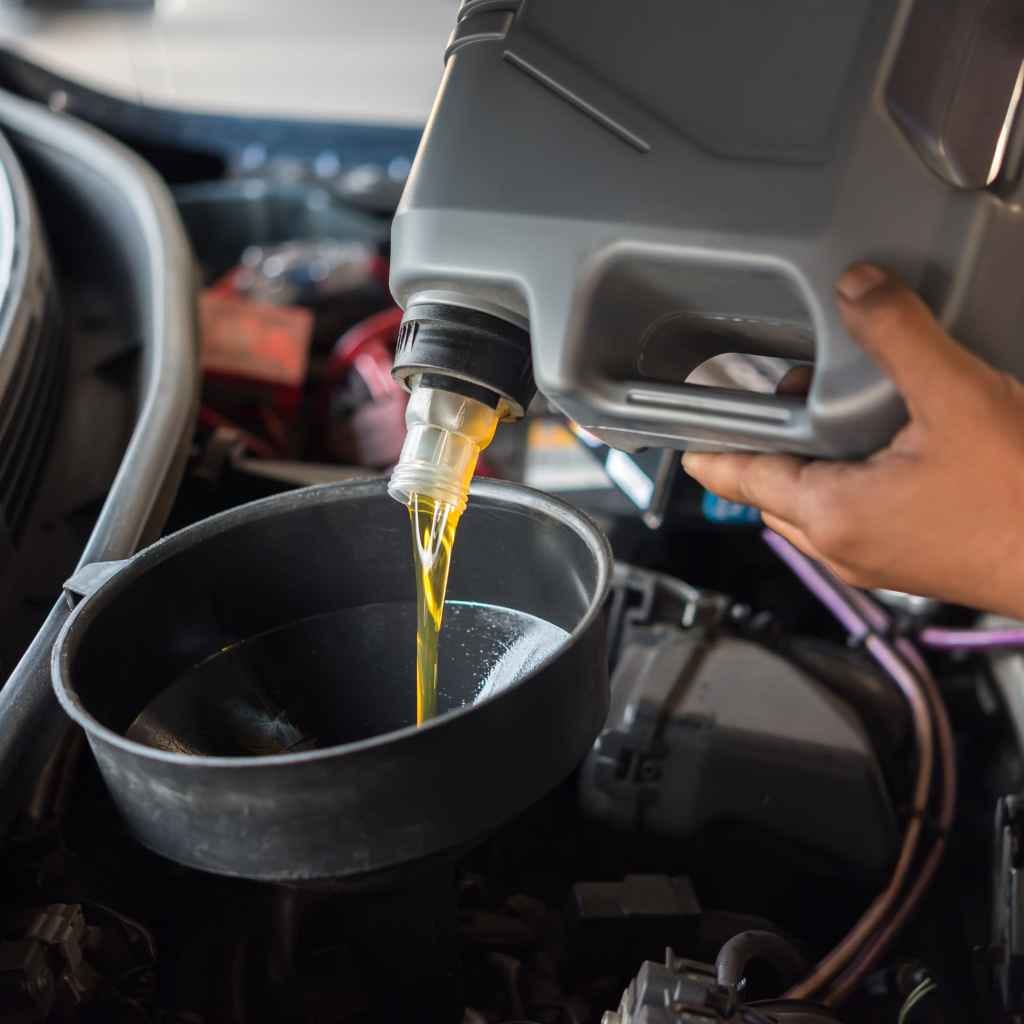
Can Engine Oil Cause A Car Not To Start? Honest Answer
But what about the oil? Can engine oil actually cause a car not to start? It’s a question that pops into many minds when they’re facing this problem.
It might seem a little strange, but the answer is a nuanced yes. Let’s break down how something as basic as your car’s oil can play a role.
The short answer is that low or very old, sludgy engine oil itself doesn’t usually prevent an engine from cranking over. However, severely neglected oil can lead to internal engine damage. This damage, in turn, can seize the engine. A seized engine will absolutely prevent a car from starting. It can also cause other systems to fail, making it seem like the oil isn’t the root cause.
Understanding Engine Oil’s Job
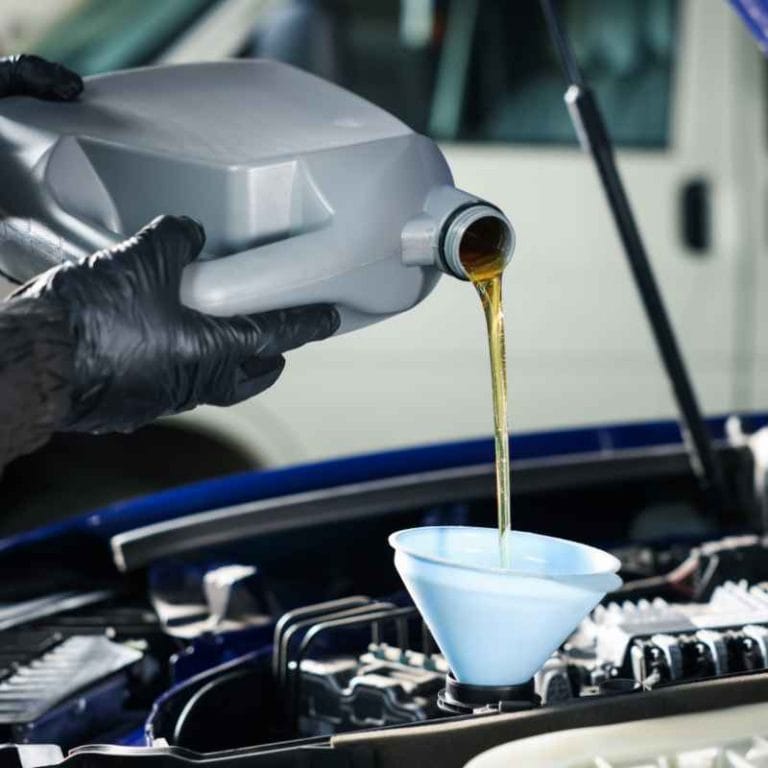
Think of your engine oil as the lifeblood of your car’s engine. It’s got a few really important jobs. First, it keeps all the moving parts inside your engine well-lubricated.

Lucas Oil
Lucas Oil 10016 Complete Engine Treatment -…
- Cleans and lubricates the entire fuel system from the tank to injectors
- Removes harmful deposits on intake valves and cylinder heads
- Lubricates the upper cylinder walls as well as the compression rings and oil rings
As an Amazon Associate I earn from qualifying purchases.
This means they can slide past each other smoothly without grinding.
Without good lubrication, metal parts would rub directly against each other. This creates a lot of heat and wear. Over time, this wear can be serious.
It can even damage parts beyond repair. Good oil also helps to keep your engine clean. It carries away dirt and tiny metal bits that flake off from wear.
Another key role is cooling. While your car’s radiator does the main cooling job, oil helps too. It picks up heat from parts that the coolant can’t reach easily.
Then it circulates this heat away. So, oil is working hard all the time, even when your car is just sitting there.
How Neglected Oil Can Lead to Starting Problems
Now, let’s talk about what happens when oil isn’t taken care of. If you skip oil changes for too long, or use the wrong type of oil, things can go wrong. The oil can start to break down.
It loses its ability to lubricate and protect properly.
Old oil can become thick and sludgy. This sludge can clog up the small oil passages inside your engine. These passages are vital.
They make sure oil gets to all the critical parts. If they’re blocked, parts won’t get the oil they need. This is when damage starts to happen very quickly.
When metal parts inside the engine don’t get enough lubrication, they start to seize up. Imagine trying to slide two rough pieces of metal together really fast without anything in between. They’d get stuck.
This is essentially what can happen inside your engine.
The Dreaded “Seized Engine”
A seized engine is one of the worst nightmares for any car owner. It means the internal moving parts are stuck. They are so stuck that the engine can no longer turn over.
This is not a problem you can fix with a simple oil change. It usually means a very expensive repair or a new engine.
When an engine is seized, the starter motor tries to turn the engine. But because the parts are locked up, the starter can’t make the crankshaft move. You might hear a single, loud “thunk” sound, or just a rapid clicking noise from the starter.
The engine won’t even try to fire up.
Signs Your Engine Oil Might Be the Culprit
So, how can you tell if your car isn’t starting because of oil-related issues, rather than a dead battery or a faulty starter? It’s not always obvious, but there are clues. One of the biggest signs is if you’ve been ignoring your car’s maintenance schedule for a long time.
Have you skipped a lot of oil changes?
Does your car’s oil light flicker on the dashboard? This light usually means your oil pressure is low. Low oil pressure is a serious warning.
It means oil isn’t circulating properly. If this light comes on and you ignore it, engine damage is likely happening. This can lead to a seized engine.
Another clue can be the smell of burning oil when you’ve been driving. Or perhaps you notice dark, gunk-like deposits around your engine. These are all signs that the oil isn’t doing its job well anymore.
If your car suddenly won’t start after you notice these things, oil could be the reason.
Oil’s Role in Engine Health: Quick Overview
Lubrication: Keeps moving parts from grinding.
Cooling: Helps regulate engine temperature.
Cleaning: Carries away dirt and debris.
Protection: Forms a barrier against wear and corrosion.
What to Check First (Before Blaming the Oil)
Okay, before you panic and assume your engine is toast, let’s cover the most common reasons a car won’t start. Most of the time, it’s something simpler than a seized engine caused by oil. You should always check these things first.
They are much easier and cheaper to fix!
1. The Battery: This is the number one suspect. A dead or weak battery won’t have enough power to turn the starter motor.
When you turn the key, you might hear a rapid clicking sound. Or, you might hear nothing at all. You can often check the battery terminals.
Make sure they are clean and tight. A jump start can tell you quickly if the battery is the problem.
2. The Starter Motor: If the battery is good, but you still only hear a single click or a whirring sound when you try to start, the starter motor might be bad. This is the part that physically turns the engine to get it going.
It’s a more involved repair than a battery, but still fixable.
3. The Alternator: The alternator charges your battery while the engine is running. If your alternator is failing, your battery won’t get charged.
This means the battery could die, and the car won’t start. Usually, you’ll notice other signs first, like dimming headlights or a battery warning light.
Common Starting Issues (Besides Oil Problems)
- Dead Battery: No power to crank the engine.
- Faulty Starter: Engine won’t turn.
- Bad Alternator: Battery doesn’t charge.
- Fuel Pump Issues: Engine gets no gas.
- Ignition Switch Problems: Electrical signal isn’t sent.
When Oil is Definitely NOT the Cause
Sometimes, the symptoms just don’t line up with an oil-related engine failure. If your car starts okay, but then dies shortly after, that’s usually not a seized engine. That points more towards a fuel or ignition problem.
If your car makes a loud knocking or grinding noise while driving and then stops, that could be internal engine damage. But if it just suddenly won’t crank, and you’ve been good about oil changes, it’s probably not your oil.
For instance, if you’ve been putting fresh oil in your car every 3,000 to 5,000 miles, and the oil looks clean, oil starvation or sludge build-up is very unlikely. In these cases, you should definitely focus your troubleshooting on the battery, starter, fuel system, or ignition system.
The Role of Oil Level vs. Oil Condition
It’s important to distinguish between the amount of oil and the condition of the oil. Very low oil levels can cause problems, but usually not a complete inability to start unless the engine has already suffered severe damage.
If the oil level is so low that the oil pump can’t pick it up, the engine will quickly lose lubrication. This can lead to overheating and damage. However, you’d typically see warning lights and hear noises before it gets to the point of seizing and not starting.
The condition of the oil – meaning how old, dirty, or degraded it is – is a much more direct route to engine damage that can cause a no-start situation. Sludge build-up from never changing the oil is the real danger here.
Oil Levels: What’s Too Low?
Check the Dipstick: Look for the oil level between the ‘min’ and ‘max’ marks.
Extreme Low: If the level is below the ‘min’ mark, it’s critically low.
Consequences: Can lead to overheating and lack of lubrication.
Action: Add the correct type of oil immediately.
My Own “Oh No” Oil Moment
I remember one time, years ago, I was helping a friend move. We were using his older pickup truck. He was a bit of a car guy, but life got busy.
He mentioned he was “meaning to get the oil changed.” That phrase should have been a red flag!
We were about halfway across town when the truck started making this awful knocking sound. It was loud and deep, like something heavy was hitting inside the engine. Then, the oil pressure light came on.
My friend’s face went white. He pulled over as fast as he could.
He turned the key off. We waited a minute. He tried to start it again.
Nothing. Just a heavy, final clunk. It wouldn’t even crank.
We popped the hood, and you could smell that burnt oil. The dipstick was black as night and felt gritty. It turned out the engine was toast.
He had definitely waited too long on that oil change. It was a hard lesson for both of us about regular maintenance.
When to Call a Mechanic
If you’ve checked the battery and starter and they seem fine, and your car still won’t start, it’s time to call in the professionals. This is especially true if you suspect your oil might be the problem. A mechanic has the tools and knowledge to diagnose issues like seized engines.
They can perform tests to check oil pressure, look for internal engine damage, and accurately determine the cause of the no-start condition. Trying to fix a seized engine yourself without proper knowledge can lead to more damage and cost.
Mechanic’s Diagnostic Steps for No-Starts
- Battery Test: Check voltage and cranking amps.
- Starter Test: Verify it engages and spins.
- Fuel Pressure Test: Ensure fuel is reaching the engine.
- Scan Tool Check: Read engine error codes.
- Oil Pressure Test: Measure actual oil pressure.
- Compression Test: Checks engine sealing and internal health.
Preventing Oil-Related Starting Nightmares
The best way to avoid your engine oil causing your car not to start is simple: keep up with regular maintenance. This means following your car’s recommended oil change schedule. For most cars, this is every 5,000 to 7,500 miles.
Some newer cars with synthetic oil can go longer, but always check your owner’s manual.
Using the correct type of oil is also crucial. Your car manual will specify the viscosity (like 5W-30) and type (conventional, synthetic blend, or full synthetic) that’s best for your engine. Using the wrong oil can cause problems over time.
Pay attention to your dashboard warning lights. If the oil pressure light or engine light comes on, don’t ignore it. Get it checked out right away.
A little preventative care goes a long, long way in keeping your engine healthy and your car starting every time.
Key Preventative Maintenance Tips
Regular Oil Changes: Follow your owner’s manual.
Use Correct Oil: Always use the recommended type and weight.
Check Oil Level: Do this every few weeks.
Monitor Warning Lights: Address any lights on the dashboard promptly.
Listen for Strange Noises: Unusual sounds can signal early problems.
When is Low Oil a Serious Concern?
Low oil isn’t always an immediate “won’t start” problem. If your oil level is just a little low, but still above the minimum mark, your car might start and run. However, it’s putting extra stress on the engine.
The parts aren’t as well-protected.
The real danger comes when the oil level drops so low that the oil pump can’t pick up oil from the pan. This leads to a rapid loss of oil pressure. Without oil pressure, metal parts begin to grind against each other.
This friction creates intense heat. Eventually, parts can deform or fuse together. That’s how an engine seizes.
Myth vs. Reality: Engine Oil and Starting
Myth: Any low oil will instantly prevent a start.
Reality: Very low oil can lead to damage that prevents starting over time, but a small dip usually won’t stop it cold.
Myth: A seized engine is always obvious.
Reality: Sometimes the only sign is that the engine won’t crank at all.
What About Oil Viscosity?
The viscosity of your oil, like the “5W” in 5W-30, tells you how well it flows when cold. A thicker oil (higher second number, like 40 or 50) flows less easily when cold. A thinner oil (lower second number, like 20 or 30) flows more easily.
Using oil that is too thick for your climate can make it harder for the engine to turn over in very cold weather. The starter motor has to work harder. While this might cause a slow crank or even a no-start in extreme cold with a weak battery, it’s rarely the sole cause of a seized engine preventing a start.
The oil still circulates, just slower.
Conversely, using oil that’s too thin might not provide enough protection at high temperatures. This can lead to increased wear over time. But again, it’s unlikely to cause an immediate seized engine situation preventing a start on its own.
Understanding Oil Viscosity Codes
First Number (e.g., 5W): Multi-grade oil. Lower number means better flow when cold.
Second Number (e.g., 30): Oil’s thickness at normal engine operating temperature. Higher number means thicker oil.
Importance: Using the manufacturer’s recommended viscosity is key for proper lubrication and starting.
The Sound of a Struggling Engine
When an engine is seized due to oil problems, the sound is very distinct. It’s not the normal whirring or cranking sound you expect. Instead, it’s often a heavy, dead sound.
You might hear a single, dull “clunk” when the starter tries to engage. Or, you might just hear the starter motor spinning without the engine turning at all.
If you hear rattling, grinding, or knocking noises before the engine stops, that’s a clear sign of severe internal damage. This is often directly linked to lack of lubrication. If the car then refuses to start, the oil-related damage is almost certainly the cause.
Real-World Scenarios: When Oil Failure Happens
Imagine a scenario where a car has been sitting for years. The oil inside has become thick and gummy. When the owner finally tries to start it, the starter tries to turn the engine.
But the gummy oil and rusted parts are stuck. The engine seizes. This is a common outcome for neglected classic cars or vehicles left in storage without proper care.
Another scenario: A commercial truck driver pushes the limits. They ignore the low oil pressure warnings for days, thinking they can make it to the next service station. The constant lack of lubrication causes extreme wear.
The engine overheats, and the pistons seize in the cylinders. The truck stops running and won’t start again. This is a costly, but predictable, outcome of neglecting oil pressure.
In my friend’s case, it was a bit of both – he knew he should get the oil changed, but put it off. The engine had regular use, but the oil had simply broken down too much. It lost its protective qualities, and the engine paid the price.
It’s a stark reminder that even with regular driving, old oil can be deadly.
Quick Checks You Can Do
If your car won’t start and you suspect oil might be the issue, here are a few very basic checks you can perform if you feel comfortable doing so. Remember, safety first. Make sure the car is parked on a level surface, the parking brake is on, and the engine is cool.
Check the Oil Level: Pull out the dipstick. Wipe it clean. Reinsert it fully, then pull it out again.
Look at the oil level. Is it below the minimum mark? If so, this is a major red flag.
You can add the correct type of oil to bring it up to the proper level.
Examine the Oil Condition: Look at the oil on the dipstick. Is it black and thick like tar? Does it have gritty particles in it?
If the oil looks like sludge, it’s a strong indicator that it hasn’t been changed in a very long time. This condition is what can lead to engine seizing.
Simple Steps to Check Your Oil
Find Dipstick: Usually bright yellow or orange handle under the hood.
Wipe Clean: Use a rag or paper towel.
Reinsert Fully: Push it all the way in.
Pull Out Again: Observe the oil line.
Level Check: Should be between ‘add’ and ‘full’ marks.
Color Check: Healthy oil is amber or light brown, not black and sludgy.
What This Means for You
If your car won’t start, and you discover your oil is very low or looks like thick sludge, it’s a serious situation. It doesn’t necessarily mean your engine is instantly seized, but it’s very likely on its way or already there. If you haven’t been good about maintenance, this is a strong possibility.
If the oil level is extremely low, adding oil might help if the engine hasn’t suffered permanent damage yet. However, if the oil is very old and sludgy, a simple oil change is unlikely to fix a seized engine. In that case, severe internal damage has likely occurred.
It’s crucial to be honest about your car’s maintenance history. If you’ve neglected it, then a no-start scenario could very well be oil-related. If you’ve been diligent, then oil is probably not your primary suspect, and you should look at more common issues.
When to Worry About Your Engine Oil
You should worry about your engine oil if you notice any of these things:
- You haven’t had an oil change in longer than recommended by your manufacturer.
- Your car is consuming oil between changes (you have to add oil often).
- Your oil pressure warning light comes on while driving.
- You notice a strong burning oil smell.
- The oil on the dipstick is extremely dark, thick, or gritty.
- Your car has been sitting unused for a very long time.
If any of these apply and your car suddenly won’t start, the oil is a prime suspect for the underlying cause, even if the immediate symptom is a failed crank. The damage caused by bad oil can lead to a seized engine, which prevents starting.
Quick Fixes and Tips
Unfortunately, there are very few “quick fixes” for severe engine damage caused by neglected oil that leads to a seized engine. The primary “fix” is prevention.
1. Regular Oil Changes: This is the single most important thing you can do. Stick to your car’s recommended schedule.
If you drive in harsh conditions (lots of stop-and-go traffic, extreme temperatures, towing), you might need them more often.
2. Use the Right Oil: Consult your owner’s manual for the correct viscosity and type of oil. Using the wrong oil can cause wear and reduce protection.
3. Check Oil Level Regularly: Make it a habit. Check it when you fill up your gas tank or at least once a month.
If it’s low, add oil immediately.
4. Address Warning Lights: Never ignore the oil pressure light or the check engine light. Get them diagnosed by a professional promptly.
If your engine has seized due to oil problems, the “fix” is typically major: an engine rebuild or replacement, which is a very costly process. So, the best quick tip is to never let it get to that point.

Frequently Asked Questions
Can I start my car if the oil light is on?
It’s strongly advised not to. If the oil light is on, it means your engine is not getting enough oil pressure. Driving with low oil pressure can quickly cause severe, irreversible engine damage, potentially leading to a seized engine that won’t start.
It’s best to stop the engine immediately and investigate.
How long can an engine run on very low oil?
This varies greatly depending on the engine and how low the oil is. However, even a few minutes of running with critically low oil can cause significant wear. For a modern engine, running for more than a few miles, or even minutes, with very little oil can lead to serious damage and a seized engine.
What does a seized engine sound like when you try to start it?
A seized engine typically makes a dull, heavy “clunk” sound when the starter tries to turn it. Sometimes, you might just hear the starter motor whirring without the engine itself turning over at all. It does not sound like a normal cranking or sputtering sound.
If my car won’t start, is it always the battery?
No, the battery is the most common culprit, but not the only one. Other common reasons include a faulty starter motor, a bad alternator, fuel pump issues, ignition system problems, or, in severe cases of neglect, internal engine damage like a seized engine.
Can old, gummy oil cause the engine to start slowly?
Yes, very old, sludgy oil can make it harder for the engine to turn over, especially in cold weather. This is because the thick oil creates more resistance. This can lead to slower cranking and, combined with a weak battery, a no-start situation.
What’s the difference between a car not starting and an engine not starting?
A “car not starting” is a general term. An “engine not starting” specifically refers to the engine’s inability to run or crank. When an engine is seized due to oil damage, it won’t crank, preventing the car from starting.
This is a more severe internal problem.
Conclusion
So, can engine oil cause a car not to start? The direct answer is that while low or old oil doesn’t usually stop the starter motor from turning, it can lead to engine damage. This damage, most critically a seized engine, will absolutely prevent your car from starting.
Regular oil changes and checks are your best defense against this costly and frustrating problem. Keep that engine happy, and it’ll keep you moving!
Related pick: Check today's price on Amazon
Products related to this article
Sponsored / affiliate links. As an Amazon Associate I earn from qualifying purchases. I may earn additional commission from eligible campaigns.