What Are the Symptoms of a Leaking Heater Core?
A leaking heater core usually leaves a sweet coolant smell, a greasy windshield film, wet passenger-side carpet, and weak cabin heat. If you find two or more together, treat it as a likely leak. Ignoring it can leave you with low coolant, repeated window fogging, and engine overheating. This guide separates the main symptoms, close lookalikes, and the repair timing.
Heater core symptoms matrix
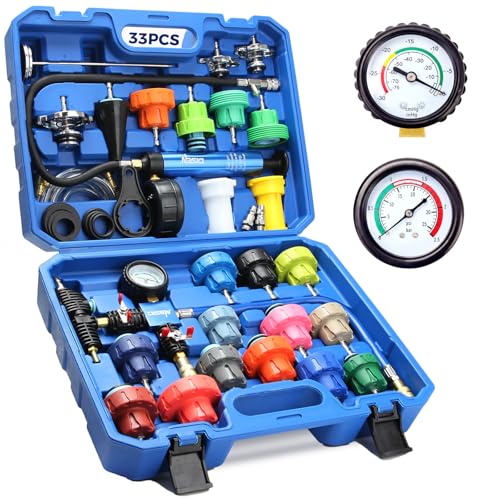

The heater core sits inside the dashboard HVAC box and uses hot engine coolant to warm cabin air. When it leaks, coolant can seep through pinholes, seams, or matrix damage and enter the HVAC housing, where it may smell sweet, fog the glass, or soak the front passenger footwell. Pressure can make a heater-core leak show up more at cold start or when the defroster is on. In a pressurized cooling system, small leaks may only appear when the system is hot or under load; most passenger vehicles run with cap ratings and system pressures in the low-teens to low-20s psi range, depending on design. For broader cooling-system context, see the cooling system guide.
| Symptom combination | Most likely cause | Urgency | What to check next |
|---|---|---|---|
| Sweet smell + foggy windshield | Heater core leak putting ethylene glycol coolant vapor into the cabin | High | Check coolant reservoir level, look for greasy inside-glass film, and inspect the passenger footwell for dampness |
| Wet passenger carpet + coolant loss | Active heater core leak or failed hose connection under the dash | High | Lift the floor mat, feel under the glove box, and look for colored crust or residue after drying |
| Cold air + no coolant loss | Blend door actuator fault or clogged heater core, not a clear leak | Moderate | Listen for clicking behind the dash and check whether both heater hoses get hot |
| Gurgling sounds + no cabin odor | Air in the cooling system, low coolant, or a partial restriction | Moderate | Check the reservoir level and bleed the system if service history suggests trapped air |
| Weak heat + falling reservoir level | Leaking heater core or external leak at the heater hoses or firewall | High | Inspect the firewall area for wet fittings and stain trails before condemning the core |
| Greasy film + defroster use | Coolant vapor coating the inside glass when airflow moves through the HVAC box | High | Wipe the glass with a clean towel; if it smears instead of clearing, suspect coolant residue |
| Moist firewall area + interior odor | External heater hose or firewall connection leak near the heater box | High | Check hose clamps, quick-connects, and staining at the firewall before replacing the core |
| Intermittent smell only on cold starts | Small seep that opens under pressure as the system warms | Moderate to high | Watch coolant level over several drives and check whether the smell returns with the heater on high |
| Wet carpet after rain + no coolant loss | Rainwater intrusion through a door seal, cowl leak, or body seam | Moderate | Check the door seals, the cowl intake area, and the lower A-pillar for water tracks before blaming the HVAC box |
| Wet passenger floor after A/C use only | Slow or clogged A/C evaporator drain, not a heater core leak | Moderate | Confirm whether the puddle appears after air conditioning use and look underneath the car for condensate drip |
| Sweet smell at the firewall + no cabin floor wetness | External heater hose seep at the firewall or a loose clamp | High | Inspect the hose ends, clamps, and quick-connects at the firewall for wetness, crust, or spray marks |
| Fogging + dry carpet + no coolant loss | Blend door issue, humidity, or exterior moisture before a leak is confirmed | Low to moderate | Check whether the glass clears with A/C on, verify the coolant level, and inspect for rainwater intrusion |
What are the most common leak signs?
The common signs are a sweet coolant odor inside the cabin, an oily or greasy windshield film, damp passenger carpet, and coolant loss at the reservoir with no obvious puddle under the vehicle. When these show up together, a heater core leak is more likely than an HVAC control fault. One symptom alone carries less weight than a cluster.
Sweet coolant odor in the cabin
A leaking heater core can release ethylene glycol coolant vapor, which often smells sweet or syrupy. That odor may come from the vents or linger after the heater is switched off. It does not prove the heater core by itself, but it is a strong clue when paired with fogging or wet carpet.
Fogging or greasy inside-glass film
Classic symptoms include an oily chemical film on the inside of the windshield. Coolant vapor can create a greasy haze that smears instead of wiping clean, and it often looks worse when the defroster runs. Normal condensation usually clears with warm air; coolant residue tends to leave a stubborn film.
Wet carpet or damp trim near the glove box
Passenger carpeting may become damp when coolant leaks into the cabin. Moisture often collects under the glove box, behind trim, or near the heater box before it spreads across the floor. If the dried residue looks colored or crusty, that supports coolant rather than plain water.
Unexplained coolant loss without an external puddle
An unexplained drop in coolant expansion tank level is a warning sign. If the reservoir falls and you do not see a puddle under the vehicle, coolant may be going into the cabin, the firewall area, or another hidden part of the system. That matters more when heat output also drops.
Why is my windshield foggy or greasy?

Coolant vapor can coat the inside glass and leave a greasy haze that does not act like normal condensation. When the defroster moves air through a leaking heater core, the vapor can spread faster and make the windshield seem worse, not better. If wiping leaves a slick film, check for coolant loss and cabin moisture.
How vaporized coolant coats inside glass
Inside-glass fogging from a heater core leak is usually a film, not just moisture. Ethylene glycol coolant can create an oily residue on interior glass, and it may smell sweet while it fogs. The film often starts near the lower windshield and grows when the heater is on.
Why defroster use can make it worse
The defroster and HVAC vents can blow coolant vapor into the cabin. That airflow can spread the mist across the windshield and make visibility worse. If the glass fogs faster when the heater or defroster is on, the HVAC box is part of the problem, not just the weather.
How to tell it from normal condensation
Normal condensation forms from humidity and usually wipes off cleanly. Coolant film often smears, leaves a slick feel, and returns after the next heat cycle. If the windshield fogs at the same time the reservoir drops, that combination points away from simple moisture and toward a leak.
Why is the passenger carpet wet?
A wet passenger carpet is a strong heater core clue when it appears with coolant odor or reservoir loss. Coolant can collect under the glove box, behind trim, or inside the heater box before it reaches the floor. If the floor feels damp but the engine bay is dry, look at the HVAC side first.
Moisture under the glove box or behind trim
Check the front passenger footwell, the underside of the glove box, and the edge of the center tunnel. Heater core leaks often show up there first because the core sits inside the dashboard HVAC box. Damp insulation or a sticky residue around trim is more suspicious than plain carpet dampness alone.
Colored crust or residue after drying
When coolant dries, it can leave a crust, stain, or sticky residue. That residue may appear green, orange, pink, or brown depending on coolant type and age. Water from a blocked drain usually dries clean or leaves only dirt, while coolant tends to leave a more obvious trace.
How to separate heater core leaks from evaporator drain water
A clogged or slow evaporator drain can wet the passenger floor, and the fluid is usually plain water from the air conditioner. That water should not smell sweet and should not lower the coolant reservoir. If the carpet is wet after A/C use only, the drain is more likely than the heater core. If the carpet is wet after rain only, look for rainwater intrusion through the cowl, door seals, or body seams before assuming the HVAC system is at fault.
Say your passenger floor is damp after a cold morning drive, the windshield has a greasy film, and the reservoir is down by a visible amount. That pattern is much more serious than a random wet mat after rain, because it connects cabin moisture to an actual coolant loss path.
How do you tell it from a bad blend door?
A blend door actuator fault can cause weak heat or cold air without any coolant leak. That fault changes where air goes or how much hot air mixes in, but it does not create a sweet smell or wet carpet. If you have poor heat with no odor and no coolant loss, the blend door moves higher on the list.
Blend door symptoms without coolant loss
A blend door problem usually shows up as temperature that stays cold, changes slowly, or sticks on one setting. The vents may blow the wrong temperature, yet the coolant reservoir stays stable and the carpet stays dry. That pattern points to airflow control, not a leaking heater core.
Clicking behind the dash
Blend door actuator faults often make clicking or ticking sounds behind the dash. That noise comes from a small motor or stripped gear trying to move the door. A heater core leak does not usually click; it leaks, fogs, smells, or wets the footwell.
Why no smell and no carpet moisture matter
Cold air alone is not enough to blame the heater core. If there is no sweet odor, no inside-glass film, no damp passenger carpet, and no coolant drop, a blend door fault is more plausible. That distinction keeps you from replacing the wrong part.
Suppose the vents stay cold, the fan works, and the dash clicks for a second when you change temperature, but the reservoir level does not move. That leans toward a blend door actuator, not a leaking core, because the symptom is temperature control without coolant evidence.
Can you keep driving safely?
You should avoid using the heater or defroster if you suspect coolant vapor in the cabin, because ethylene glycol coolant can create exposure risk in a closed vehicle. Short driving may still be possible if the leak is tiny and coolant level is stable, but a falling reservoir level or heavy fogging makes the trip riskier. Low coolant can also lead to overheating.
When to avoid the heater and defroster
If the cabin smells sweet, the windshield turns greasy, or the passenger floor is damp, turn off the heater and defroster until you inspect the system. Those settings can move more vapor into the cabin and reduce visibility. Open windows can help with fumes for a short trip, but they do not fix the leak.
What to do immediately
Check the coolant expansion tank or reservoir level with the engine cool. Inspect the passenger footwell, the area under the glove box, and the firewall for dampness or staining. If the level is low, top off only with the correct coolant mix and arrange repair before the next long drive.
When the risk rises fast
Driving becomes a bad idea when the reservoir keeps dropping, the defroster fogs the windshield with a slick film, or the engine temperature starts climbing. That means the leak is active enough to affect cooling and visibility. Stop and let the system cool if the temperature gauge moves into the danger zone. For overheating context and cooling-system safety checks, see the cooling system guide.
What causes a leaking heater core?
Most leaks come from corrosion, age, vibration, or pressure stress that opens a weak point in the heater core. The core can fail through pinholes, seam separation, or matrix damage. Higher cooling-system pressure can make a small seep turn into a visible mist in the HVAC box, especially on cold starts.
Heater hoses and firewall connections
Before replacing the core, inspect the heater hoses and firewall connections. A leak at the entry or exit point can mimic a bad core and often leaves moisture or staining near the firewall. Those connections are easier to repair and should be ruled out first.
Cooling system pressure and leak behavior
Passenger-car cooling systems commonly run under cap-controlled pressure, often around 13 to 16 psi on many designs, with some vehicles higher or lower depending on specification. That pressure can force a weak heater core or hose connection to leak more when the system warms up. A leak may seem to vanish on one trip and return on the next. For a broader overview of pressure, overheating, and related failure modes, see the cooling system guide.
Leak versus clog
Do not blur a leaking heater core with a clogged heater core. A leak sends coolant into the cabin or onto the floor, while a clog mainly causes poor heat output and may not create odor, fogging, or damp carpet. The urgency can differ because a heater core leak can lower coolant and affect visibility.
Can you fix a leaking heater core?
Minor seepage can sometimes be slowed with a repair product, but replacement is often the realistic fix for a leaking heater core. The core lives inside the dashboard HVAC box, so labor is usually the hard part. If the leak is active, repair is more of a stopgap than a long-term solution.
When repair is possible
If the leak comes from a loose clamp, a hose, or a firewall fitting, that part can often be repaired without replacing the core. If the issue is a small external seep at the connection, that is the right place to fix first. The goal is to stop the coolant loss before removing the dashboard.
When replacement is the realistic fix
If the core itself is leaking through pinholes, seams, or matrix damage, replacement is the normal fix. A leaking core rarely improves for long, and the cabin symptoms usually return. When coolant odor, fogging, and wet carpet point to the same source, replacement is often the dependable repair.
- Check the coolant reservoir with the engine cool.
- Look for wet carpet, damp trim, or stains under the glove box.
- Inspect the firewall and heater hose connections for moisture.
- Notice whether the windshield film smears instead of clearing.
- Match the symptom pattern before deciding whether the heater core, hose, drain, or blend door is the likely fault.
Frequently asked questions
What are the symptoms of a leaking heater core?
The usual symptoms are sweet coolant smell, greasy windshield film, wet passenger-side carpet, weak heat, and unexplained coolant loss. One symptom alone is not enough to confirm a leak. Two or more together, especially odor plus fogging or carpet moisture plus reservoir drop, are much stronger evidence.
What are signs of a leaking heater core?
Signs include sweet odor from the vents, oily inside-glass residue, damp carpet near the glove box, and a falling coolant reservoir with no visible puddle outside. A heater core leak can also get worse when the defroster runs. Those clues matter more than a no-heat complaint by itself.
Can a leaking heater core make you sick?
It can create exposure risk because ethylene glycol coolant has a sweet syrup-like smell and can vaporize in a closed cabin. That does not mean every brief smell is a medical emergency, but you should avoid prolonged exposure, especially if the heater or defroster is pulling vapor into the car. Toxicity concerns are most relevant with repeated inhalation or direct contact; official exposure guidance from public-health and occupational sources recommends avoiding contact and seeking fresh air if symptoms appear.
Can I keep driving with a leaking heater core?
Only if the leak is tiny, the coolant level stays stable, and the cabin is not fogging or smelling sweet. If the reservoir is dropping, the windshield is coating with film, or the floor is wet, stop using the heater and defroster and get the system checked before more driving.
Products related to this article
Sponsored / affiliate links. As an Amazon Associate I earn from qualifying purchases. I may earn additional commission from eligible campaigns.
 Car A/C Repair Kit, 270PCS Rubber O-Ring Seal Kit + 40PCS Car Air Conditioner Valve Core Kit for R12 R134a A/C with Remover & Install Tool+10pcs R134a AC Valve Caps, Fix Refrigeration System
 Auto Car Dent Repair Puller Head Paintless-Dent Repair Removal Kit for Slide Hammer Pulling Tab Adapter Pulling Tabs Car Aluminum-alloy Puller Head Adapter Screw Glue-tabs for Slide Hammer and