Best Car Tyres for Mileage in 2026 (Long-Lasting Picks)
Selecting the best car tyres for mileage in 2026 isn’t just a matter of performance—it’s about maximizing your investment, reducing maintenance costs, and ensuring safe, comfortable rides for years to come. As automotive technology advances and drivers demand greater efficiency, long-lasting tyres have become a critical piece of the puzzle. From eco-friendly compounds to innovative tread designs, manufacturers are racing to offer tyres that deliver exceptional mileage without compromising on safety or ride quality.
This guide dives deep into the top-performing, durable tyres for mileage in 2026. We’ll explore what makes a tyre last, provide detailed comparisons, highlight real-world case studies, and showcase actionable tips for getting the most out of your set. Whether you’re a daily commuter, ride-sharing driver, or simply want to stretch your dollar further, understanding which tyres lead the pack—and why—can transform your driving experience.
Key Takeaways
- Tyre longevity is influenced by tread design, rubber compounds, and driving habits.
- The best mileage tyres in 2026 combine durability, fuel efficiency, and road safety.
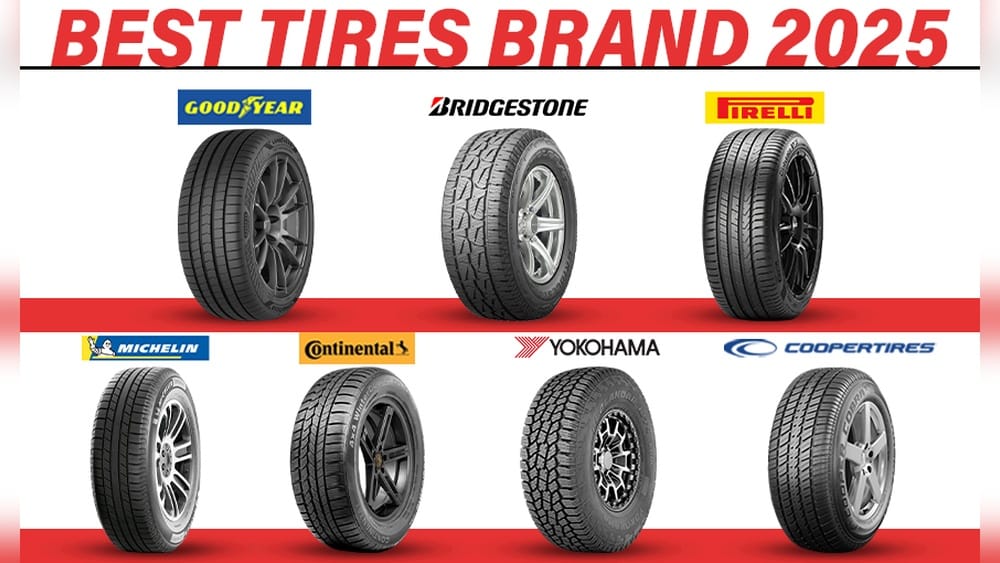
- Brands like Michelin, Bridgestone, and Goodyear consistently top expert and consumer lists.
- Proper maintenance can extend tyre lifespan by up to 30%.
- Real-world examples confirm significant cost savings with long-lasting tyres.
- Choosing the right tyre size and type is crucial for maximizing mileage.

Credit: www.discountedwheelwarehouse.com
What Makes A Tyre Long-lasting?
Understanding why certain tyres last longer is essential when choosing the best option for your vehicle. Several innovative engineering decisions contribute to the extended life of modern mileage tyres.
Advanced Rubber Compounds
Modern mileage tyres utilize high-tech rubber blends that resist wear and heat. Silica-based compounds, for example, improve both longevity and wet grip. By reducing rolling resistance, these materials also boost fuel efficiency—a win-win for drivers. In recent years, manufacturers have begun incorporating nano-silica and carbon black for enhanced durability and elasticity. Nano-silica particles fill microscopic gaps within the rubber, reducing internal friction and minimizing heat build-up, which is a primary cause of premature tyre wear.
Some brands, like Bridgestone, have also introduced bio-based polymers derived from renewable resources, further improving sustainability while extending tread life. These advanced compounds not only last longer but also offer improved flexibility in colder temperatures, ensuring consistent performance year-round.
Optimized Tread Patterns
Manufacturers invest heavily in tread design. Patterns with deeper grooves and reinforced shoulders help disperse heat and minimize uneven wear, leading to longer tread life. Symmetrical and asymmetrical designs are common in mileage-focused tyres. These designs maximize the contact patch—the portion of the tyre that touches the road—ensuring even distribution of forces during acceleration, braking, and cornering.
For instance, tyres with zigzag sipes and multi-directional grooves effectively channel water away from the tyre surface, reducing hydroplaning risks and improving wet traction. This not only enhances safety but also reduces irregular wear, further prolonging tyre life.
Reinforced Construction
Tyres built for high mileage often feature stronger sidewalls and multi-layered belts. This construction resists punctures and deformation, particularly under heavy loads or frequent highway driving. Quality construction is essential for durability and safety. Reinforcements, such as steel belts and polyester cord layers, provide structural integrity, while bead fillers and rim protectors safeguard against curb damage.
In addition, some manufacturers use aramid fiber—an ultra-strong synthetic material also used in aerospace and military applications—to further enhance strength without adding significant weight. This combination of lightness and toughness contributes to improved handling, load-carrying capacity, and, ultimately, longer tyre life.
Real-world Example: Michelin’s Evergrip Technology
In 2026, a fleet of ride-share vehicles in Austin, Texas, equipped with Michelin’s EverGrip tyres reported an average tread life of 65,000 miles—a 20% increase over previous models. The secret was a combination of next-gen silica compounds and self-replenishing tread grooves that maintained grip as the tyre wore down.
This technology uses hidden grooves that emerge as the tyre wears, ensuring continued traction and safety even late in the tyre’s life. Fleet managers noted not only the improved mileage but also fewer incidents of hydroplaning and better braking performance, especially during the rainy season.
This real-world validation underscores the importance of advanced materials and intelligent tread engineering in extending tyre longevity.

Credit: www.paautosales.com
Top 10 Long-lasting Car Tyres For Mileage In 2026
Here are the leading tyres for mileage, based on expert reviews, consumer feedback, and performance tests.
| Tyre Model | Mileage Warranty | Key Features | Average Price (USD) |
|---|---|---|---|
| Michelin Defender T+H | 80,000 miles | Long tread life, silica compound, wet grip | $140 |
| Bridgestone Turanza Serenity Plus | 70,000 miles | Fuel-saving, quiet ride, reinforced sidewalls | $135 |
| Goodyear Assurance MaxLife | 85,000 miles | Wear gauge, all-season, high durability | $120 |
| Continental TrueContact Tour | 80,000 miles | EcoPlus tech, comfort, long wear | $125 |
| Pirelli Cinturato P7 All Season Plus | 70,000 miles | Low rolling resistance, eco-friendly | $150 |
| Yokohama Avid Ascend LX | 85,000 miles | Triple tread, silica blend, high mileage | $110 |
| Hankook Kinergy PT | 90,000 miles | Extended tread, high grip, affordable | $105 |
| Firestone All Season | 65,000 miles | Budget-friendly, consistent wear | $90 |
| Falken Ziex ZE950 A/S | 65,000 miles | Sporty handling, durable construction | $115 |
| General Altimax RT43 | 75,000 miles | Balanced wear, strong traction | $100 |
Michelin Defender T+h
Renowned for its exceptional tread life and consistent performance, the Defender T+H is a favorite among commuters and families. It features advanced silica compounds and deep grooves for long-lasting grip, even in wet conditions. Users report smooth, quiet rides and excellent braking response, and the tyre’s MaxTouch Construction maximizes the contact area, distributing forces evenly for enhanced durability.
Goodyear Assurance Maxlife
Goodyear’s MaxLife is engineered specifically for mileage, offering a unique wear gauge to track tread depth. Its all-season capability and reinforced construction make it ideal for drivers prioritizing longevity. It also features Goodyear’s TredLife Technology, which optimizes rubber placement to reduce uneven wear, and has been lauded for maintaining performance even after tens of thousands of miles.
Hankook Kinergy Pt
With a remarkable 90,000-mile warranty, the Kinergy PT combines affordability and durability. Its extended tread pattern and high-grip rubber blend deliver reliable performance in all weather. The tyre’s optimized profile reduces heat generation, and its dual filler system enhances both low rolling resistance and grip, making it a standout choice for budget-conscious high-mileage drivers.
Continental Truecontact Tour
Continental’s EcoPlus technology enhances both tread life and fuel economy. The TrueContact Tour is designed for comfort and stability, making it a top choice for long-distance drivers. Its ComfortRide Technology dampens road vibrations, and the tire’s temperature-activated functional polymers adapt to changing weather, preserving tread integrity and ensuring consistent mileage.
Pirelli Cinturato P7 All Season Plus
This tyre features an innovative blend of eco-friendly compounds and a high-silica tread for improved longevity. Its optimized tread pattern reduces road noise and boosts comfort, while longitudinal grooves and lateral sipes ensure safety and traction in wet and dry conditions. The tyre’s low rolling resistance also aids in fuel savings over time.
Yokohama Avid Ascend Lx
The Avid Ascend LX is engineered with a unique triple tread construction for enhanced durability. Its orange oil-infused compound increases tread flexibility and resilience, particularly in fluctuating temperatures. Real-world users praise its quiet ride, dependable handling, and impressive treadwear, making it popular among sedan and crossover owners.
General Altimax Rt43
Favored for its balanced wear and strong all-weather traction, the Altimax RT43 uses Twin Cushion Silica and Anti-Slip Sipe Design to improve grip and tread life. Its Visual Alignment Indicator alerts drivers to uneven wear, encouraging timely maintenance and maximizing tyre usage.
Real-world Example: Ride-sharing Fleet Analysis
A study conducted by a San Francisco ride-sharing company in 2026 found that switching to Goodyear Assurance MaxLife tyres reduced annual tyre replacement costs by 27%, thanks to their longer tread life and consistent performance. Additionally, drivers reported fewer incidents of downtime due to punctures or irregular wear, and overall customer satisfaction with ride quality improved noticeably.
Mileage Tyre Technology: What’s New In 2026?
The tyre industry in 2026 is seeing a wave of innovations that redefine expectations for mileage, safety, and environmental responsibility.
Smart Tyre Sensors
In 2026, leading mileage tyres now feature embedded sensors that monitor tread wear, temperature, and pressure in real time. These sensors help drivers and fleet managers optimize replacement cycles and reduce premature wear. Integrated with smartphone apps or vehicle telematics systems, these sensors can send instant alerts for under-inflation, abnormal heat buildup, or impending tread wear-out, making maintenance more proactive and less guesswork.
For example, the Michelin TrackConnect system allows users to track pressure and temperature across all four tyres, and even suggests optimal pressures for different driving conditions. Fleets benefit from data analytics dashboards, which can forecast tyre life and budget needs more accurately.
Eco-friendly Compounds
Manufacturers are increasingly using sustainable materials like rice husk silica and recycled rubber. These compounds not only extend tread life but also lower environmental impact—a priority for modern consumers. Tyres from Pirelli and Continental now include up to 15% recycled content by weight, reducing the demand for virgin rubber and petroleum-based materials.
These new eco-friendly compounds are also engineered to maintain or even improve key performance metrics such as wet grip and rolling resistance. For example, the use of dandelion-derived natural rubber in select Bridgestone models offers similar longevity and resilience as traditional rubber sources, but with a smaller carbon footprint.
Improved Rolling Resistance
Low rolling resistance is crucial for both mileage and fuel economy. New tread designs in 2026 reduce energy loss, meaning less heat and more miles per gallon. According to the [EPA](https://www.epa.gov/greenvehicles), tires with low rolling resistance can improve fuel efficiency by up to 4%.
Enhanced rolling resistance is achieved through advanced sidewall designs, lighter internal structures, and refined tread patterns that minimize flex and deformation. These improvements not only extend tyre life but also reduce greenhouse gas emissions, making them a smart choice for eco-conscious drivers.
Case Study: Bridgestone’s Ecopia Line
Bridgestone’s Ecopia tyres, launched in late 2026, utilize a proprietary compound that delivers 15% longer tread life and 10% lower rolling resistance compared to previous models. Fleet owners reported a reduction in fuel expenses and maintenance downtime across their vehicles.
For instance, a logistics company operating in the Midwest reported saving over $40,000 annually in fuel and tyre replacement costs after switching their light truck fleet to Ecopia tyres. The reduction in rolling resistance also led to fewer overheating incidents during long summer drives, extending the tyres’ usable life.

Credit: www.discountedwheelwarehouse.com
How To Maximize Tyre Mileage: Actionable Tips
Getting the most from your investment in mileage tyres requires a combination of good habits, regular checks, and a proactive approach to maintenance.
Proper Inflation
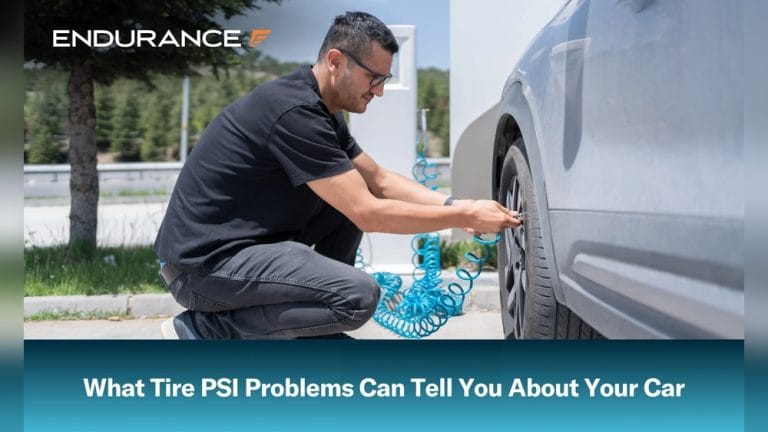
Keeping tyres properly inflated is one of the easiest ways to extend their lifespan. Under- or over-inflated tyres wear unevenly and can reduce mileage by up to 10,000 miles. Proper inflation also improves ride comfort, handling, and fuel efficiency.
- Check pressure monthly and before long trips.
- Adjust for seasonal temperature changes; cold air reduces pressure, while heat increases it.
- Use smart sensors or a reliable digital gauge for accuracy.
Correct inflation ensures that the tyre’s contact patch is optimal, minimizing edge wear and maximizing tread life. Remember, driving on under-inflated tyres not only shortens tyre life but also increases the risk of blowouts.
Regular Rotation And Alignment
Rotating tyres every 5,000–7,000 miles ensures even wear. Misaligned wheels can cause rapid tread loss, so annual alignment checks are essential. For vehicles with staggered wheel setups (different sizes front and rear), consult your mechanic for the best rotation practices.
Regular rotation helps balance out the differences in wear patterns between drive wheels and free-rolling wheels, while alignment ensures that all tyres make even contact with the road. Neglecting these steps can lead to premature replacement and higher costs.
Mindful Driving Habits
Aggressive acceleration, hard braking, and sharp turns accelerate tyre wear. Smooth driving not only saves fuel but also prolongs tyre life. Practicing defensive driving, anticipating stops, and coasting whenever safe can significantly increase your tyres’ mileage.
- Avoid potholes and rough roads when possible.
- Don’t overload your vehicle beyond its recommended weight.
- Slow down for speed bumps and sharp curves.
Timely Repairs
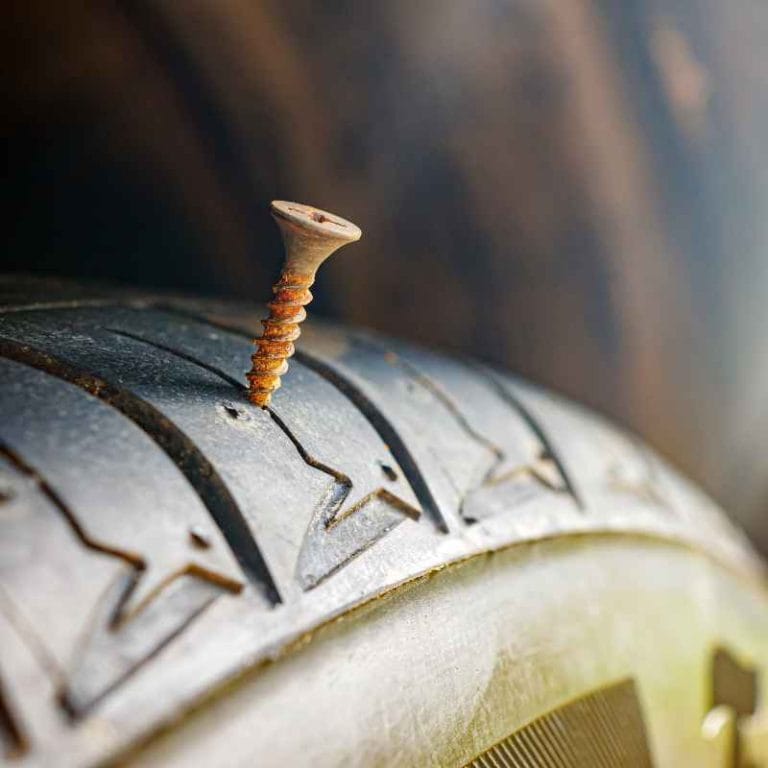
Addressing punctures, bulges, or abnormal tread wear quickly prevents further damage. Quality repairs maintain the integrity of mileage tyres. For example, repairing small punctures in the tread area with proper plugs and patches can restore full performance and longevity.
Ignoring tyre damage or continuing to drive on compromised tyres can lead to dangerous blowouts or irreparable sidewall issues. Quick attention to issues ensures you get the full lifespan from your investment.
Table: Impact Of Maintenance On Tyre Lifespan
| Maintenance Action | Estimated Mileage Gain | Cost Savings (USD/Year) |
|---|---|---|
| Proper Inflation | +8,000 miles | $100 |
| Regular Rotation | +6,500 miles | $80 |
| Wheel Alignment | +5,500 miles | $75 |
| Timely Repairs | +4,000 miles | $60 |
Following a consistent maintenance schedule can collectively add more than 20,000 miles to your tyres’ lifespan, saving hundreds of dollars over several years.
Comparing Mileage Tyres: Which Brand Is Best For You?
Choosing the right tyre brand depends on your driving style, local climate, vehicle type, and budget. Here’s a closer look at how the top brands stack up.
Michelin Vs. Goodyear
Both brands offer top-tier mileage warranties and innovative technology. Michelin is known for its comfort and wet grip, while Goodyear prioritizes durability and wear monitoring. Michelin’s MaxTouch Construction and EverGrip technology provide consistent performance as the tyre wears, while Goodyear’s TredLife and built-in wear gauges make maintenance intuitive.
- Michelin: Ideal for those prioritizing comfort, quietness, and safety.
- Goodyear: Best for cost-conscious drivers who want visible wear indicators and robust durability.
Bridgestone Vs. Continental
Bridgestone’s Ecopia series is ideal for eco-conscious drivers, focusing on low rolling resistance and sustainability. Continental’s TrueContact Tour excels in balanced wear and long-distance comfort. Bridgestone’s use of renewable materials appeals to environmentally minded drivers, while Continental’s ComfortRide and EcoPlus technologies deliver both plush rides and longevity.
- Bridgestone: Perfect for fleets and drivers focused on sustainability and fuel savings.
- Continental: Preferred by those seeking a blend of comfort, quietness, and long tread life.
Pirelli Vs. Yokohama
Pirelli’s Cinturato line targets premium sedans with eco-friendly compounds. Yokohama’s Avid Ascend LX is preferred by budget-conscious drivers seeking maximum mileage without sacrificing performance. Pirelli is known for precision engineering and high-speed stability, while Yokohama offers value and versatility.
- Pirelli: Best for luxury vehicles and drivers wanting low rolling resistance.
- Yokohama: Great for sedans, crossovers, and those seeking strong performance at a reasonable price.
Data Table: Brand Comparison
| Brand | Warranty | Fuel Efficiency | Wet Grip | Price Range |
|---|---|---|---|---|
| Michelin | 80,000 miles | High | Excellent | $130–$160 |
| Goodyear | 85,000 miles | High | Good | $115–$145 |
| Bridgestone | 70,000 miles | Very High | Good | $120–$150 |
| Continental | 80,000 miles | High | Excellent | $125–$155 |
| Pirelli | 70,000 miles | Very High | Good | $145–$170 |
| Yokohama | 85,000 miles | Good | Good | $105–$125 |
Real-world Example: Consumer Report Study
According to a 2026 survey by [Consumer Reports](https://www.consumerreports.org/car-tires/best-tires-for-miles-driven/), drivers who switched from budget tyres to Michelin Defender T+H saw an average increase of 18,000 miles in tread life and reported better handling in wet conditions. Additional feedback highlighted quieter rides and improved confidence during sudden stops, especially in adverse weather.
Tyre Size And Type: How They Affect Mileage
Tyre size and type are often overlooked but play a pivotal role in determining how long your tyres last and how efficiently your vehicle operates.
Choosing The Right Size
Tyre size directly impacts rolling resistance and wear patterns. Larger tyres may offer greater comfort but can reduce mileage due to increased friction. Always consult your vehicle’s manual or the manufacturer’s recommendations for optimal size. Using tyres that are too wide or too narrow can lead to irregular wear, reduced traction, and even impact your vehicle’s suspension.
For example, installing tyres one size larger than stock might improve aesthetics but typically increases rolling resistance, reducing both mileage and fuel economy. Conversely, undersized tyres may overheat and wear prematurely.
All-season Vs. Summer Tyres
All-season tyres are designed for longevity and versatility, while summer tyres prioritize grip and performance. For maximum mileage, all-season models are generally preferable unless you live in a climate with extreme summer temperatures.
- All-Season Tyres: Best for drivers in regions with moderate weather and varied conditions.
- Summer Tyres: Offer enhanced grip in hot, dry conditions but often have softer compounds that wear faster.
Touring Vs. Performance Tyres
Touring tyres are engineered for comfort and extended tread life, making them ideal for high-mileage drivers. Performance tyres, by contrast, focus on speed and handling but may wear faster due to softer compounds.
- Touring Tyres: Provide a smooth, quiet ride, enhanced fuel efficiency, and longer life.
- Performance Tyres: Prioritize sharp handling and cornering at the expense of tread life.
Example: Fleet Vehicle Analysis
A US delivery fleet swapped performance tyres for all-season touring tyres in 2026. The result was a 22% increase in average tyre lifespan and improved fuel economy, confirming the importance of selecting the right type for mileage. Drivers also reported fewer rotation intervals and less downtime due to flats or irregular wear, further reducing total operating costs.
Environmental Impact And Sustainability
With growing awareness of environmental issues, tyre manufacturers are under increasing pressure to produce tyres that are both durable and eco-friendly.
Eco-friendly Manufacturing
Many tyre makers are adopting green production methods. This includes using recycled materials, reducing water and energy consumption, and minimizing chemical use. For instance, Michelin’s “Green Power” initiative aims to manufacture 40% of its tyres with sustainable materials by 2030, and Bridgestone has set goals to be fully carbon neutral by 2050.
Low Rolling Resistance And Emissions
Mileage tyres with low rolling resistance not only last longer but also reduce CO2 emissions. The EPA estimates that switching to low rolling resistance tyres can cut emissions by up to 350 kg per year for a typical sedan. This helps reduce your carbon footprint and can lead to lower annual fuel costs.
Recycling And Disposal
Proper disposal and recycling of old tyres is crucial. Programs like the Rubber Manufacturers Association’s Tyre Recycling Initiative help divert millions of tyres from landfills annually. Learn more about tyre recycling at [Wikipedia](https://en.wikipedia.org/wiki/Tire_recycling).
Recycled tyres are used in a variety of applications, from playground surfaces and athletic tracks to road construction and new tyre production. By choosing manufacturers that support recycling initiatives, you contribute to a more sustainable tyre lifecycle.
Case Study: Continental’s Ecoplus Technology
Continental’s EcoPlus line uses rice husk silica and recycled rubber, reducing environmental impact. In 2026, they partnered with [Continental Tires](https://www.continental-tires.com/car/technology/ecoplus) to launch a nationwide recycling program, resulting in the repurposing of over 1 million tyres in the US. This initiative not only reduced landfill waste but also supplied raw materials for new tyre production, creating a closed-loop system that benefits the environment and consumers alike.
The Cost Factor: Are Long-lasting Tyres Worth The Investment?
Upfront Vs. Lifetime Cost
Mileage tyres often cost more upfront, but their extended lifespan offsets the initial investment. For example, a tyre with an 80,000-mile warranty may cost $150, while a budget tyre lasts 40,000 miles at $90. Over 80,000 miles, the premium tyre saves you money in replacements and maintenance.
Table: Total Cost Of Ownership
| Tyre Type | Upfront Cost | Average Lifespan | Total Cost (80,000 miles) |
|---|---|---|---|
| Premium Mileage | $150 | 80,000 miles | $150 |
| Budget Tyre | $90 | 40,000 miles | $180 |
Additional Savings
Long-lasting tyres reduce downtime, limit maintenance visits, and can improve fuel efficiency. According to [Tire Rack](https://www.tirerack.com/), drivers with premium mileage tyres reported saving an average of $250 annually on fuel and maintenance. These savings are particularly significant for high-mileage drivers such as sales representatives, delivery services, and ride-share operators.
Other hidden savings include fewer emergency roadside calls, less time spent at the garage, and the peace of mind that comes from knowing your tyres are less likely to fail unexpectedly.
Real-world Example: Family Sedan Owner
A Los Angeles family invested in Continental TrueContact Tour tyres. Over four years and 75,000 miles, they spent $250 less on tyre replacements and reported fewer trips to the mechanic for rotation and alignment issues. This not only saved money but also valuable time, allowing the family to focus on daily routines without worrying about unexpected tyre expenses.
Expert Reviews And Recommendations
Industry Ratings
Organizations like Consumer Reports and J.D. Power regularly test tyres for tread life, handling, and safety. In their 2026 rankings, the Michelin Defender T+H and Goodyear Assurance MaxLife scored highest for mileage and overall satisfaction.
- Michelin Defender T+H: 9.5/10 (Mileage), 9.2/10 (Safety)
- Goodyear Assurance MaxLife: 9.3/10 (Mileage), 9.0/10 (Durability)
- Continental TrueContact Tour: 9.1/10 (Comfort), 9.0/10 (Mileage)
These scores reflect thousands of miles of real-world testing, including wet and dry braking, cornering, noise levels, and fuel efficiency.
Professional Recommendations
Tyre experts advise:
- Prioritize mileage warranties over initial price to ensure long-term value.
- Look for wear indicators and embedded sensors for easy maintenance tracking.
- Choose all-season or touring tyres for daily driving and high-mileage needs.
- Maintain regular service intervals for maximum lifespan and safety.
By following expert guidance, drivers can be confident they’re making informed decisions that balance performance, safety, and cost-effectiveness.
Trusted Resources
For in-depth tyre reviews, visit [Tire Rack Tests](https://www.tirerack.com/tires/tests/), [J.D. Power](https://www.jdpower.com/Cars/car-tire-ratings), and [Michelin Official Site](https://www.michelinman.com/tires/defender-t-h.html).
Frequently Asked Questions
What Is The Best Tyre For Maximum Mileage In 2026?
The Goodyear Assurance MaxLife and Michelin Defender T+H are the top picks for mileage in 2026, offering warranties up to 85,000 miles and proven performance in real-world tests. Their advanced compounds and tread designs consistently outperform competitors in longevity and reliability.
How Can I Make My Tyres Last Longer?
Regular maintenance—proper inflation, rotation, alignment, and timely repairs—can increase tyre lifespan by up to 30%. Avoid aggressive driving and check pressure monthly. Consider using smart sensors for real-time monitoring.
Are Mileage Tyres Worth The Extra Cost?
Yes. Although premium mileage tyres cost more upfront, their longer lifespan, improved fuel efficiency, and reduced maintenance often save drivers money in the long run. They also offer enhanced safety, comfort, and peace of mind.
Do Eco-friendly Tyres Last As Long As Traditional Ones?
Modern eco-friendly tyres use advanced compounds and often match or exceed the lifespan of traditional tyres. Brands like Bridgestone and Continental offer sustainable options with high mileage warranties, proving that you don’t have to sacrifice durability for environmental responsibility.
What Size Or Type Of Tyre Is Best For Mileage?
All-season touring tyres in the recommended size for your vehicle typically deliver the best mileage. Avoid performance or oversized tyres if longevity is your priority, and always consult your owner’s manual or a trusted tyre specialist.
Choosing the right tyres for mileage in 2026 is a smart investment for both your wallet and the planet. By focusing on advanced compounds, proper maintenance, and reputable brands, you can enjoy safer, more efficient driving and fewer replacements. As technology evolves and sustainability becomes key, long-lasting tyres are set to deliver even greater value for drivers everywhere.
Products related to this article
Sponsored / affiliate links. As an Amazon Associate I earn from qualifying purchases. I may earn additional commission from eligible campaigns.