Chevy Malibu trim comparison: which version is best?
For most shoppers, the Chevy Malibu LT is the best all-around trim, while the LS is the budget pick and the 2LT is the feature pick. Pick wrong and you may pay for equipment you will not use, or give up useful comforts for a small monthly savings. This guide compares LS, RS, LT, and 2LT for commuting, features, and lease value.
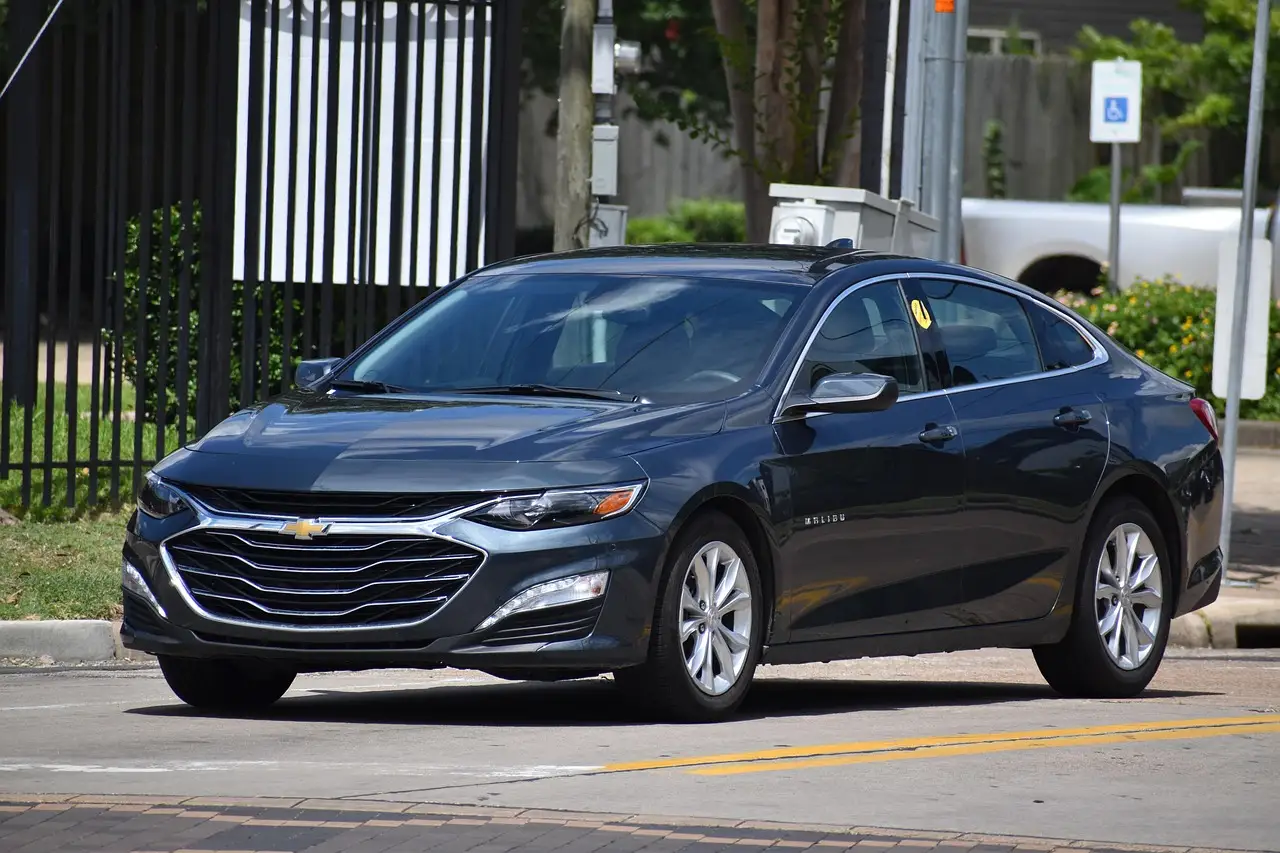
The Malibu is a Chevrolet sedan in the current model lineup, and Chevrolet lists it on the same cars, trucks, SUVs, crossovers, and vans site used for the rest of the brand roster. The starting MSRP is $26,995, but actual transaction prices can move with destination charge, incentives, options, taxes, fees, and dealer stock. Trim availability and equipment can also vary by model year and retailer inventory.
Starting MSRP and Trims
📊 Chevrolet Malibu has a starting MSRP of $26,995. Source: Cardealerships.
Chevy Malibu trims and pricing at a glance
The Malibu trim ladder appears to run from LS and RS up through LT and then 2LT. The real decision is not “which trim is highest,” but which trim gives you the most useful equipment for the money after destination, incentives, and financing are factored in.
| Trim | Starting MSRP | Must-have features and positioning | Added cost over previous trim | Best-fit buyer type |
|---|---|---|---|---|
| LS | $26,995 | Entry trim; core Malibu value, basic comfort and connectivity, sedan packaging with the lowest sticker price | — | Budget commuters, first-time sedan shoppers, payment-focused buyers |
| RS | $27,995 | Appearance-led upgrade with sport styling cues; little or no performance gain over LS | $1,000 | Shoppers who care about looks more than extra equipment |
| LT | $30,395 | Mainstream mid-trim with comfort and tech upgrades that improve everyday use | $2,400 | Most commuters, lease shoppers, value-first families |
| 2LT | $33,195 | Top trim with the most convenience and interior content | $2,800 | Feature-focused buyers who will use the extra convenience every day |
Pricing above reflects trim starting MSRPs; destination charge, options, taxes, fees, and incentives can change the number on the contract. Use Chevrolet’s Build & Price tool for live updates while you configure the car.
Trim hierarchy: LS, RS, LT, then 2LT
LS is the entry point. RS sits above it as a style package. LT is the value middle, and 2LT is the most equipped Malibu in the lineup. That order matters because the cheapest car on the page is not always the cheapest car to own after incentives, financing, and the equipment you will actually use.
What changes your out-the-door price beyond MSRP
MSRP is only the starting point. Destination charge is added before taxes and registration in most cases, dealer fees can vary, and manufacturer incentives may lower the price or a lease payment. Chevrolet’s Build & Price tool lets you select trim, engine, color, and interior features, then shows real-time pricing updates as you build.
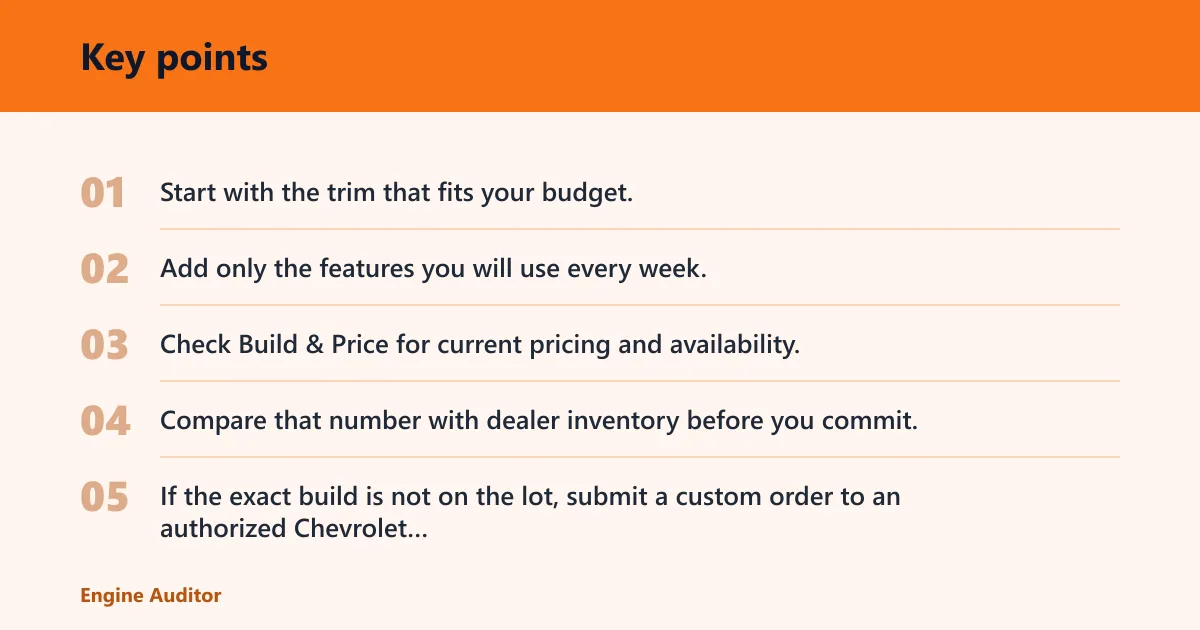
- Start with the trim that fits your budget.
- Add only the features you will use every week.
- Check Build & Price for current pricing and availability.
- Compare that number with dealer inventory before you commit.
- If the exact build is not on the lot, submit a custom order to an authorized Chevrolet dealership.
What do you get with Malibu LS and Malibu RS?
LS is the value choice because it gets you into the Malibu at the lowest price, while RS is mainly about appearance. If you want the least expensive path into a current Chevrolet sedan, LS makes more sense. If you want sport-themed styling and can accept modest feature gains, RS is the look-first option.
Malibu LS: entry trim position, core value features, and where it saves money
LS sits at the bottom of the lineup, which is why it matters most to budget shoppers. It gives you the Malibu sedan formula without paying for styling extras or convenience items that may not change daily use much. The value play here is simple: keep the payment low and skip trim content you may never miss.
That makes LS the logical trim when the monthly number is the main concern. It is also the trim most likely to leave room in the budget for taxes, fees, and financing costs that lower buyers sometimes forget to plan for.
Malibu RS: appearance-focused upgrades, styling cues, and tradeoffs versus LS
RS is a styling-led trim, not a performance upgrade. It adds visual changes that make the car look more aggressive, but it does not turn the Malibu into a quicker or sharper sedan in any meaningful way. If you want a cleaner look and can spend a small amount more, RS makes sense; if you want more equipment, it is a weaker value step.
That is the main tradeoff. The RS price bump buys style cues, not a clear jump in daily usefulness. For shoppers who care about feature-per-dollar, the extra money is often better saved for LT.
Who should skip RS if feature value matters more than looks
Skip RS if you would rather have comfort and tech than exterior trim details. It is the trim to bypass when your shopping list starts with useful equipment, not appearance. A common first-timer mistake is choosing a sport-looking package and then realizing the cabin and feature set still feel entry-level.
Suppose you commute 34 miles a day on a mixed highway-and-city route. A better seat, more useful infotainment, or fewer convenience compromises will matter more after the third month than a darker grille or badge treatment.
Is Malibu LT the best value for most buyers?
Yes. LT is the Malibu sweet spot for most shoppers because it adds meaningful comfort and tech without jumping into top-trim pricing. It is the trim that usually makes the strongest case on a price-to-feature basis, especially for commuters and lease shoppers who want a nicer daily experience without paying for the full 2LT step-up.
Comfort and tech upgrades that move LT ahead of the lower trims
LT is where the Malibu starts to feel less bare-bones and more complete. Compared with the lower trims, it is the version most likely to bring the features buyers notice on a work commute: a better-equipped cabin, more convenience, and a stronger sense that the car is built for everyday use rather than just entry pricing.
That matters because the Malibu is aimed at daily transportation, not performance driving. Chevrolet’s own brand language points to strength, dependability, and daily use, which fits the LT trim’s role better than the appearance-first RS.
Why LT is often the sweet spot for commuters and lease shoppers
Lease shoppers tend to care about the payment, not the top of the options list. LT often lands in the middle where the monthly cost stays reasonable but the car feels better equipped than the entry trim. For commuting, that balance usually beats either extreme: LS can feel too basic, while 2LT can add cost faster than the added convenience justifies.
Picture a buyer with a 15-minute school drop-off loop, two highway merges, and a parking garage downtown. The LT’s added convenience features are the kind that show up every day in small ways, which is exactly why the trim is easier to justify than a style-only step.
Where LT sits on the price-to-feature curve
LT sits at the point where the Malibu’s cabin and tech feel more complete without pushing into a price band where competitors may offer more equipment for the money. That does not make LT cheap. It makes LT the trim with the least regret for shoppers who want one step above the base car.
Does Malibu 2LT justify the higher price?
2LT is the Malibu for shoppers who want the nicest cabin and the most convenience features, not the lowest cost of entry. It can be worth the money if you will notice the added comfort every day. If your priority is smart value, the price jump can be hard to defend.
Premium convenience features and interior upgrades at the top of the lineup
2LT is the most feature-rich Malibu trim, so this is where the car feels most finished. Buyers who want a nicer interior, more convenience, and fewer compromises will see the benefit quickly. The question is not whether 2LT is better equipped. It is whether those extra items are worth the added monthly cost.
Which buyers will notice the difference every day
Drivers with long commutes, frequent passenger duty, or a strong preference for a more comfortable cabin are the people most likely to appreciate 2LT. The payoff comes from repeated use, not showroom appeal. If you spend real time in the car, the upgrade is easier to justify.
When the cost jump is too large for the added equipment
Skip 2LT if your shopping target is a manageable payment and you do not care about the highest trim content. The extra cost can be poor value when LT already gives you the useful upgrades you actually want. In that case, 2LT becomes a want, not a smart buy.
Which Chevy Malibu trim should you buy?
Choose the trim that matches your budget and daily use. For the best value, LT is the safest recommendation. LS is the money-saver, RS is the style trim, and 2LT is the comfort choice. The best Malibu is the one that fits your commute, lease target, and tolerance for paying more than necessary.
Choose Malibu LS if your budget is tight and you want the lowest entry price
Choose LS if the goal is simple transportation at the lowest starting point. It makes sense when your payment limit is strict, your driving is mostly routine, and you do not want to finance equipment you will barely notice. It is the value trim in the literal sense.
Choose Malibu RS if you want style more than extra equipment
Choose RS if exterior appearance matters and you are comfortable paying extra for that look. It is the right answer for shoppers who want the Malibu to feel less plain without moving into a significantly more expensive trim. Skip it if you are comparing features line by line.
Choose Malibu LT if you want the best balance of features and cost
Choose LT if you want the trim that makes the strongest everyday case. It is the best balance for most commuters because it adds useful equipment without the price jump of 2LT. If you need one Malibu recommendation, start here.
Choose Malibu 2LT if you want the nicest cabin and the most convenience features
Choose 2LT if you want the top cabin and expect to keep the car long enough to use the extra comfort every day. It is the premium trim, not the default best buy. That distinction matters when you are comparing payments and lease estimates.
Which Malibu trim is best for commuting and leasing?
LT is the best commute pick for most shoppers, because it brings the most useful balance of comfort and cost. For lease shoppers, LT is often the best place to stop unless a special deal moves RS or 2LT closer in payment. If keeping monthly costs down matters most, LS remains the cheapest starting point.
Best pick for daily commuting
Pick LT for commuting unless your budget forces you lower. The reason is practical: the car will spend more time serving you than impressing you. Extra comfort and tech matter more on a weekday drive than appearance changes do.
Best pick for lease shoppers
Pick LT first when comparing lease quotes. It tends to hit the most useful equipment-to-payment balance, and that usually matters more in a lease than the absolute trim rank. If a dealer has inventory incentives on RS or 2LT, compare those offers directly before deciding.
Best pick if you plan to keep monthly payments down
Pick LS if the payment ceiling is firm. It keeps the purchase simple and leaves the most room for taxes, fees, and financing. If the price jump to LT is small in your quote, LT may still be the smarter move, but LS is the clear budget baseline.
How does the Malibu compare by price across trims?
The Malibu’s price ladder is straightforward, and that is part of its appeal. LS is the entry point at $26,995, RS adds a modest step for styling, LT makes the biggest value case in the middle, and 2LT asks for the most money in exchange for the most convenience content. The real buyer question is where the extra money stops making sense.
Read the price gap as a value signal
Small gap, small upgrade. Bigger gap, bigger scrutiny. If a trim step does not add equipment you will actually use, it is often the one to skip. That is why RS can be a weak buy for feature shoppers, while LT is usually easier to defend.
Check inventory before you settle on a trim
Chevrolet’s Build & Price tool can show live pricing updates, and after building a vehicle you can submit a custom order to an authorized Chevrolet dealership. Dealer inventory still matters. A unit already on the lot may be easier to finance, quicker to take home, or better aligned with current incentives.
Turner Chevrolet also highlights financing support for new and used vehicles, and says it has over 400 new units in stock. That kind of inventory spread can change which trim is actually the best deal on a given day.
Frequently asked questions
Which Chevy Malibu trim is the best value?
The Malibu LT is the best value for most buyers. It sits in the middle of the lineup, where the useful comfort and tech gains usually justify the added cost better than the styling-only RS or the more expensive 2LT. If you want the safest all-around pick, start with LT.
What is the difference between Malibu LS, RS, LT, and 2LT?
LS is the entry trim, RS is the appearance-focused step, LT is the mainstream value trim, and 2LT is the top trim with the most convenience and interior content. That hierarchy matters because each step changes the price and the reason to buy the car.
Which Malibu trim has the nicest interior?
2LT has the nicest interior because it is the top trim and carries the most premium convenience content. If you spend a lot of time in the car and care about cabin feel, 2LT is the version to inspect first. LT is still the better value for many shoppers.
Does the Malibu RS have any performance upgrades or just styling?
The Malibu RS is mainly a styling trim. It adds visual sport cues, but it does not deliver a meaningful performance jump over the other trims. If performance is your goal, the Malibu lineup is not built around that mission.
What safety and tech features come on lower Malibu trims?
Lower Malibu trims give you the core Malibu sedan setup and basic comfort and connectivity, with more equipment added as you move up the lineup. Because exact equipment can vary by model year and inventory, check Chevrolet’s Build & Price tool and dealer stock for the current feature list before buying.
Which Malibu trim should I buy for commuting?
Buy the LT if you commute regularly and want the best balance of comfort and cost. Choose LS only if the lowest payment is the priority. Choose 2LT if you value the cabin upgrades enough to pay for them every day. For most commuters, LT is the clean answer.
Products related to this article
Sponsored / affiliate links. As an Amazon Associate I earn from qualifying purchases. I may earn additional commission from eligible campaigns.