What Engine Parts Cause Oil Leaks Most Often?
Many engine oil leaks are commonly traced to the valve cover gasket, oil filter or drain plug, oil pan gasket, front or rear crank seal, and PCV-related seals, often in that order. If you chase the wrong source, you can waste money on a repair that does nothing and let oil soak belts, sensors, or the clutch. This guide ranks the usual leak points by where oil shows up, then shows how to trace seepage back to the true part.
Most common oil leak sources
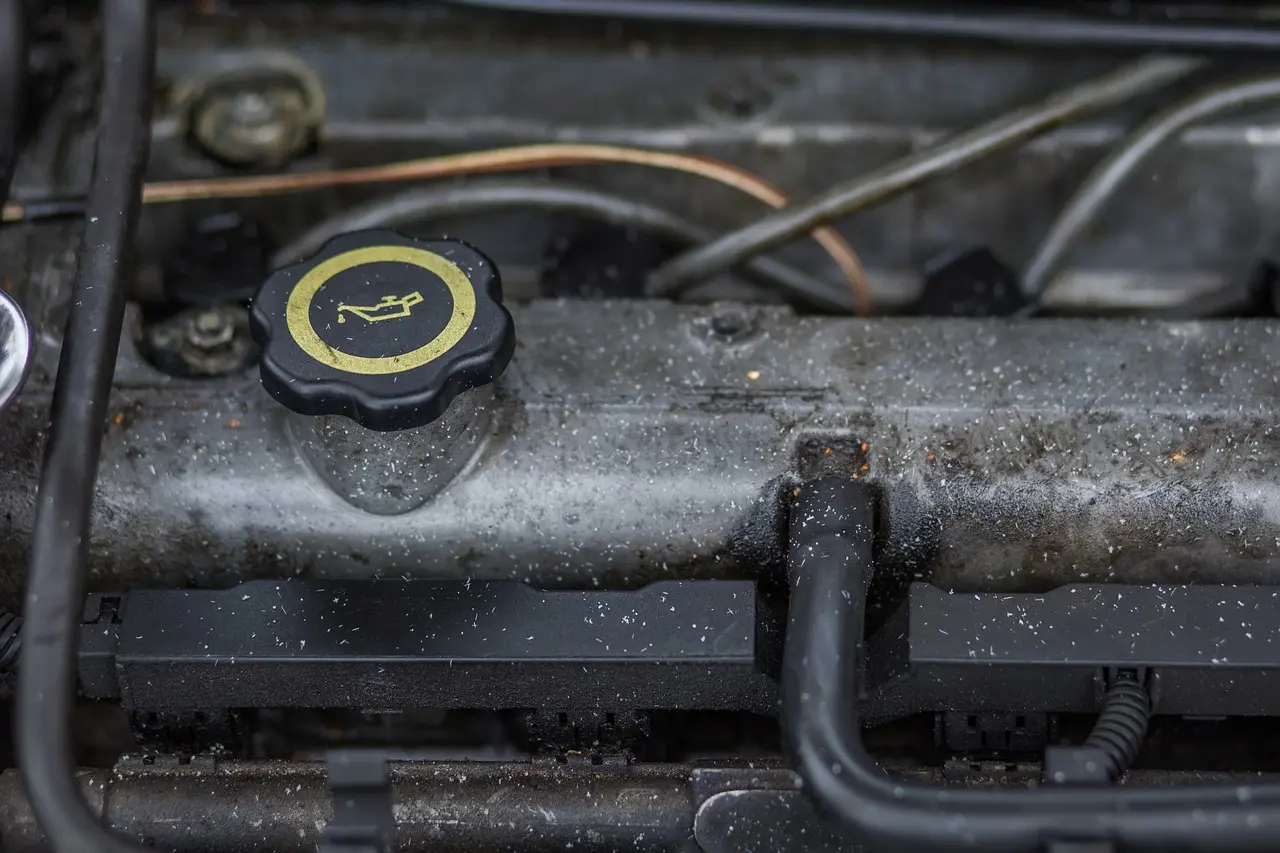


Start with the location, then work backward. Oil at the top of the engine usually points to a valve cover gasket, PCV problem, or a sensor leak. Oil at the bottom often starts higher up and runs down, so the visible drip is not always the failed part.
Top-of-engine sources
The valve cover gasket is often reported as a common top-of-engine seal to fail. Heat cycling hardens the gasket, and oil often appears on the side of the engine, then burns off near hot exhaust parts. A blocked PCV system can also raise crankcase pressure and push oil past weak seals, which is one reason repeat leaks can return after a gasket repair.
Front-of-engine sources
Front leaks often come from the timing cover gasket, camshaft seal, crankshaft front main seal, oil pressure sender, or oil cooler fittings. Oil can travel downward along the cover and show up on belts, pulleys, or the lower splash shield. That makes the top edge of the leak more important than the lowest wet spot.
Bottom-of-engine sources
Oil at the bottom of the engine often points to the oil pan gasket, drain plug, drain plug washer, or a leak that has run down from above. The oil pan gasket can be vulnerable to road debris and over-tightening. Drain plug leaks usually show up at the lowest point of the pan soon after an oil change.
Rear-of-engine and bellhousing sources
Oil between the engine and transmission can come from the rear main seal, a rear cam seal on some engines, or oil that has tracked down from the valve cover, head, or oil pressure sender. The bellhousing area deserves careful inspection because a rear main seal is possible, but it is not the only explanation.
How to tell where oil is coming
Find the highest wet point first. Oil follows gravity, airflow, and heat, so the area with the most oil is often lower than the true source. A clean engine and a short recheck after driving can separate a fresh leak from old residue.
Look for the highest wet point
Check the engine from the top first, then move downward. If the valve cover edge is wet and the side of the block below it is coated, the leak likely starts high. If the front cover is dry but the pan lip is wet, the oil may have flowed down from a higher seal.
Track oil after cleaning the engine
Wash off the visible oil, drive a short distance, then inspect again. Fresh oil will usually appear at the source first and then spread. If the leak is hard to see, a mechanic may use UV dye or a lift, especially when several parts are oily at once.
Use drip location and airflow clues
Where the drip lands matters, but only as a clue. A drip under the rear of the engine does not automatically mean a rear main seal, and oil on the splash shield can be blown rearward by driving speed. Look for the first wet edge, not just the puddle.
Watch for burnt-oil smell and smoke
Burning oil smell or smoke from the engine bay often means oil is reaching hot exhaust parts. That pattern commonly fits a valve cover gasket leak, but a front cover or sensor leak can do the same if oil runs onto the manifold or downpipe.
Say your sedan leaves a small spot under the front passenger side after highway driving. If the oil filter seal was double-gasketed during the last service, the leak may begin high on the filter housing and then blow rearward onto nearby parts.
Engine oil leak diagnosis matrix
This matrix maps where oil appears to the most likely source parts. Use it to sort true leak points from oil that has simply migrated downhill.
| Leak location | Typical symptoms | Likely source | Urgency | First inspection step |
|---|---|---|---|---|
| Top of engine | Oil smell, smoke from exhaust side, wet valve cover edges | Valve cover gasket, PCV issue, oil pressure sender | Monitor if minor; repair now if oil reaches hot exhaust | Check the valve cover perimeter and nearby hoses |
| Front cover area | Oil on belts, pulleys, or front splash shield | Timing cover gasket, camshaft seal, front crank seal | Repair soon; active leaks can damage belts and slip pulleys | Inspect the highest wet edge around the front cover |
| Bellhousing area | Oil dripping from the transmission join, clutch chatter on manual cars | Rear main seal, rear cam seal, oil tracking from above | Repair now if the drip is steady or clutch contamination is possible | Inspect the upper rear engine for oil paths before assuming the rear main seal |
| Oil pan area | Drips at the lowest point under the engine, wet pan gasket line | Oil pan gasket, drain plug, drain plug washer | Monitor if seepage is light; repair now if drips increase | Check the drain plug and the pan rail separately |
| After oil service | Fresh drip soon after an oil change, wet filter or plug | Loose oil filter, damaged filter gasket, missing crush washer | Repair now if oil is dripping actively | Inspect the filter, plug, and housing before driving far |
| Near filter housing cooler | Oil spray or quick loss at the side of the engine | Oil cooler lines, fittings, cooler housing seal | Repair now if the leak is steady | Trace the line fittings and housing joints |
Why is my engine leaking oil?
Engine oil leaks usually come from heat, age, poor service, or excess crankcase pressure. Gaskets harden over time, seals wear at the lip, and service parts can leak right after an oil change if a filter, plug, or washer was installed incorrectly. A blocked PCV system can make a small leak worse by forcing oil past weak seals.
Age and heat cycling
Repeated heating and cooling harden rubber and shrink gasket material. That is why valve cover gaskets, crank seals, and timing cover gaskets often seep on older engines. Mileage matters, but so does heat exposure from long trips, towing, or hot engine bay layout.
Oil change mistakes
A leak that starts soon after service deserves a different path than a slow aging seep. The oil filter may be loose, the old gasket may still be stuck to the housing, or the drain plug washer may be missing. In those cases, the leak often appears within minutes or after the first drive cycle.
Pressure from a blocked PCV system
A blocked PCV system can build crankcase pressure and push oil out through the weakest seal. That can make a good gasket look bad. If several seals start leaking at once, or a repaired leak returns quickly, check the PCV system before replacing more parts.
Wear at seals and gaskets
Oil seals and gaskets do not all fail the same way. Some seep slowly, others drip under load, and some fail only when hot. A small top-end seep may be manageable for a while, but active dripping near belts, exhaust parts, or the clutch area needs faster attention.
Valve cover, oil pan, and drain plug leaks
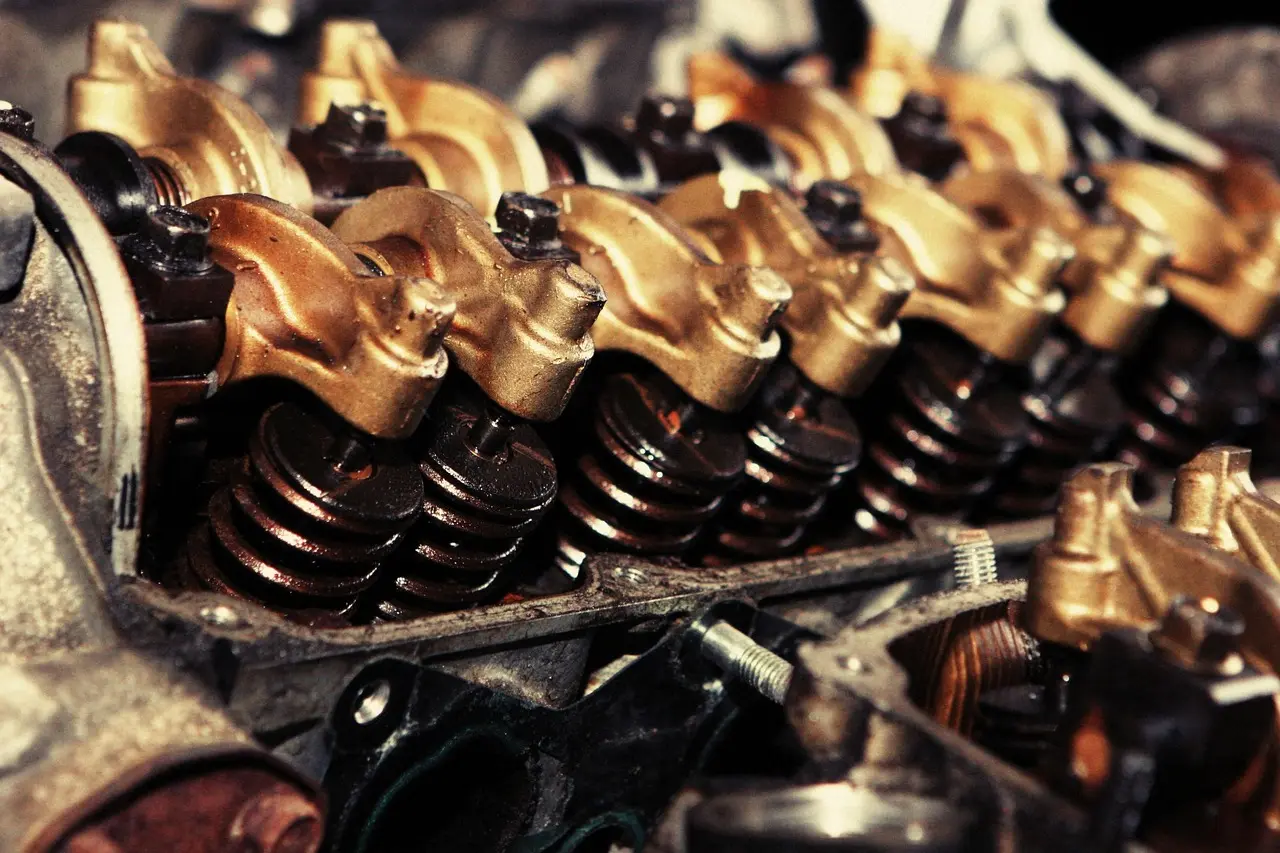
These are the three leaks owners most often see first. The valve cover gasket usually leaves oil on the side of the engine, the oil pan gasket usually drips from the bottom, and the drain plug area usually leaks right after service. The visible location helps, but it is not the whole answer.
Valve cover gasket patterns
A valve cover gasket leak often leaves wet edges around the cover and oil trails down the block. On many engines, the smell of burnt oil is the first clue because leaked oil lands on hot exhaust components. If the top of the engine is oily and the lower parts are only damp, start here.
Oil pan gasket patterns
An oil pan gasket leak usually shows as oil along the pan rail or a drip from the pan edge. Road debris can damage the pan gasket, and overtightening can distort the seal. If the pan is wet but the upper block is dry, the pan gasket becomes more likely.
Drain plug and washer failures
Drain plug leaks are common after service. The plug may have damaged threads, the washer may be missing, or the plug may be tightened beyond the vehicle-specific spec. Use the manufacturer’s torque spec for your model, because guesswork can damage the pan or make the leak worse.
How to separate pan leaks from plug leaks
Clean the area, then inspect the plug head and the lowest point of the pan separately. A plug leak usually starts at the center of the drain point. A pan gasket leak usually shows oil along the seam and then forms a drip at the lowest corner.
A common first-timer mistake is assuming every fresh drip after an oil change means the pan gasket failed. If the wet spot is centered on the drain plug and the rest of the pan is dry, the plug or washer is the first place to check.
Why is oil leaking between the engine and transmission?
Oil between the engine and transmission often points to the rear main seal, but that area can also collect oil that started higher on the engine and ran down. A rear cam seal, valve cover leak, or oil pressure sender leak can all reach the bellhousing area and mimic a rear seal failure.
Rear main seal
The rear main seal sits at the back of the crankshaft. On many vehicles, a repair is labor-intensive because access is limited. If oil is clearly coming from inside the bellhousing and the upper engine is dry, the rear main seal rises on the list.
Oil tracking from above
Oil can move along the back of the cylinder head, the bellhousing seam, or the transmission case before it drips. That is why the rear of the engine should be checked from above and below. A lift inspection often saves a wrong diagnosis here.
Crankshaft seal versus transmission-area contamination
A rear crankshaft seal can look like a transmission leak because the oil appears at the join between the engine and transmission. On manual cars, clutch contamination is a real concern. On any vehicle, the first step is still to confirm whether the oil began above the bellhousing.
When the bellhousing area needs a lift check
If the drip is steady, the underside is coated, or the clutch starts to slip, the bellhousing area needs a closer inspection. A lift, mirror, or borescope may be needed to see the upper rear engine and the seal edge clearly.
Oil filter, sensor, cooler, and timing cover leaks
These leaks are common because they sit near high pressure oil passages or service points. They can look larger than they are, especially when wind spreads the oil across the underside. A small leak at the sender or filter housing can leave a large mess.
Oil filter and seal issues after service
Spin-on filters can leak from a loose filter, a damaged gasket, or a double-gasket installation. Cartridge systems can leak from a misseated cap seal or housing seal. If the leak started soon after service, inspect the filter area before assuming a major gasket failure.
Oil pressure sender or sensor leaks
An oil pressure sender or sensor can leak from its housing or threads. This is often mistaken for a major engine seal because the oil spreads downward from a small source. Older engines are especially prone to sender seepage.
Oil cooler lines and fittings
Some engines use an external oil cooler and lines, often near the filter housing. Leaking fittings or cracked lines can drip quickly. If oil appears near the side of the engine and the filter housing cooler is present, inspect those lines early.
Timing cover gasket leaks
The timing cover gasket seals the front of the engine. When it leaks, oil can travel downward and appear to come from the pan or front crank seal area. Some repairs require accessory removal, and some require timing component removal, so an accurate diagnosis matters before parts are ordered.
Can I keep driving if my engine is leaking oil?
Maybe, but only if the leak is minor, the oil level stays full, and the leak is not reaching hot exhaust parts or affecting the clutch, belts, or alternator. If the engine is leaving a steady drip, the oil level is dropping between checks, or smoke is present, repair it now or have it towed.
Use this simple path: safe to drive if the leak is only dampness and the dipstick stays full between checks; monitor if there is a small drip but no oil loss over short intervals; repair now if oil reaches exhaust parts, the drip is steady, or the level drops noticeably.
Frequently asked questions
What engine parts leak oil most often?
The most common leak points are the valve cover gasket, oil filter and its seal, oil pan gasket, drain plug washer, front crank seal, rear main seal, timing cover gasket, and oil pressure sender. On some engines, oil cooler lines also leak often because they combine heat, pressure, and service wear.
How do I tell where engine oil is coming from?
Find the highest wet point, not the lowest drip. Clean the engine, drive briefly, and look for fresh oil at the top edge of the leak path. Use drip location, burnt-oil smell, and smoke as clues, but confirm with the uppermost oily part before replacing anything.
Is the leak from the valve cover, oil pan, or gasket?
If oil is on the side of the engine and near the exhaust, the valve cover gasket is a strong suspect. If the oil is centered low on the engine and the pan seam is wet, the oil pan gasket is more likely. If the leak started after service, check the filter and drain plug first.
Why is my truck leaking oil?
Trucks often see oil leaks from heat, load, and older service parts. Common spots include the valve cover gasket, oil pan gasket, rear main seal, and oil cooler lines. If the truck tows or idles hot, a blocked PCV system can make a small seep turn into a steady leak.
What does oil leaking between the engine and transmission mean?
Oil at the engine-transmission seam can mean a rear main seal leak, but it can also be oil that ran down from the valve cover, rear head area, or a sender above. That area needs careful inspection from above and below before the rear seal is blamed.
Products related to this article
Sponsored / affiliate links. As an Amazon Associate I earn from qualifying purchases. I may earn additional commission from eligible campaigns.
 ACROPIX Engine Oil Level Indicator Dipstick for Ford Fusion 2010-2012 for Ford Escape 2010-2012 for Ford Fusion 2006-2007 No.6E5Z6750AC Car Parts
 DongJinK Engine Oil Level Gage Dipstick Compatible with Toyota 4Runner 1984-1995 for Toyota Celica 1984-1985 for Toyota Pickup 1984-1995 Replace# 15301-35020 1530135020