Can Brake Cleaner Be Used As Carburetor Cleaner? Find Out
When it comes to maintaining your vehicle’s performance, keeping the carburetor clean is crucial. Many DIY enthusiasts and mechanics often ask: can brake cleaner be used as carburetor cleaner? This question arises because both products are designed to remove grease, oil, and deposits, but their chemical compositions and intended uses differ. Mistaking one for the other can have unintended consequences on the functionality and longevity of your engine.
Understanding the distinctions between brake cleaner and carburetor cleaner is essential before making any substitutions. With the rise of quick-fix solutions and budget-friendly hacks, this debate has become more prominent. In this article, we’ll dissect their formulations, real-world performance, safety risks, and provide data-driven insights to help you make an informed decision. Whether you’re a seasoned mechanic or a weekend DIYer, knowing what’s best for your carburetor could save you time, money, and prevent costly repairs.
Key Takeaways
- Brake cleaner and carburetor cleaner have distinct chemical compositions and intended uses.
- Using brake cleaner on carburetors can cause damage or suboptimal cleaning results.
- Carburetor cleaner is formulated to target varnish, gum, and fuel residues, while brake cleaner focuses on removing brake dust and oil.
- There are significant safety and compatibility concerns when substituting brake cleaner for carburetor cleaner.
- Real-world examples show potential short-term effectiveness but highlight long-term risks.
- Always consult manufacturer guidelines and prioritize specialized products for optimal performance.
Understanding Brake Cleaner And Carburetor Cleaner
What Is Brake Cleaner?
Brake cleaner is a solvent-based product designed for cleaning brake components. Its primary function is to remove:
- Brake dust
- Oil
- Grease
- Other contaminants
There are two main types of brake cleaner: chlorinated and non-chlorinated. Chlorinated brake cleaners use chemicals like perchloroethylene, which are highly effective but can be hazardous and are banned in some regions. Non-chlorinated versions use hydrocarbons and are less aggressive but safer for the environment.
What Is Carburetor Cleaner?
Carburetor cleaner is formulated specifically for cleaning carburetor internals. It targets:
- Varnish
- Gum
- Fuel residues
- Carbon deposits
This cleaner dissolves sticky substances that accumulate from old fuel, ensuring proper air-fuel mixture and engine performance. Carburetor cleaners are generally less aggressive than brake cleaners and are designed not to harm rubber, plastic, or sensitive metal parts found in carburetors.
Chemical Composition Differences
The chemical makeup of brake cleaner and carburetor cleaner is fundamentally different. Brake cleaners often contain:
- Acetone
- Toluene
- Methanol
- Perchloroethylene (chlorinated)
Carburetor cleaners include:
- Xylene
- Methanol
- Propanol
- Detergents
These differences impact their effectiveness and compatibility with various engine parts.
| Cleaner Type | Main Ingredients | Primary Purpose | Typical Use Cases |
|---|---|---|---|
| Brake Cleaner | Acetone, Toluene, Perchloroethylene | Remove brake dust, oil, grease | Brake calipers, rotors, pads |
| Carburetor Cleaner | Xylene, Methanol, Detergents | Dissolve varnish, gum, fuel residue | Carburetor jets, throttle bodies |
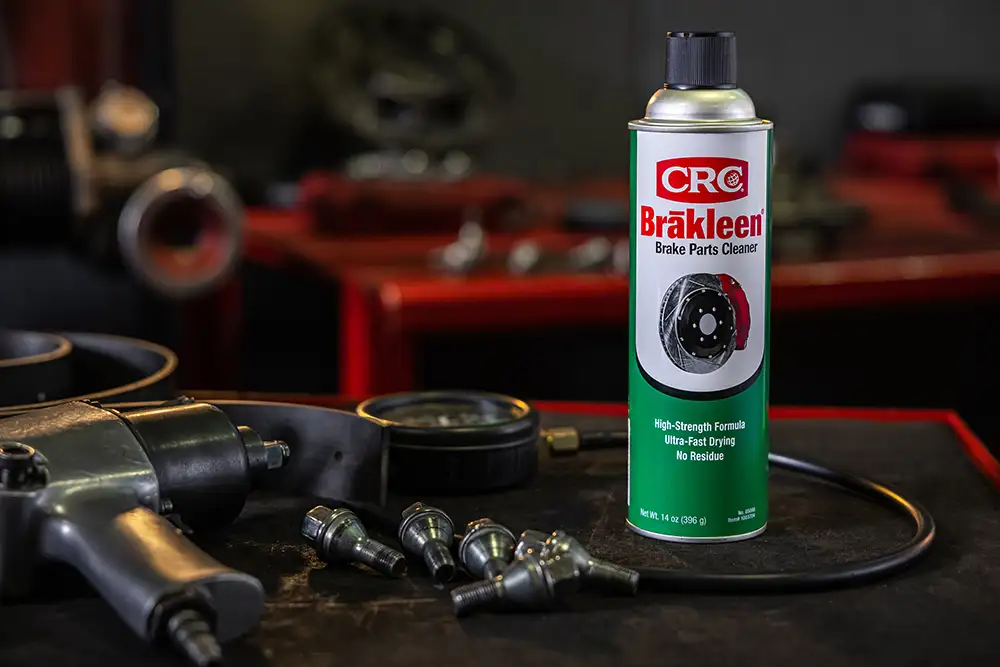
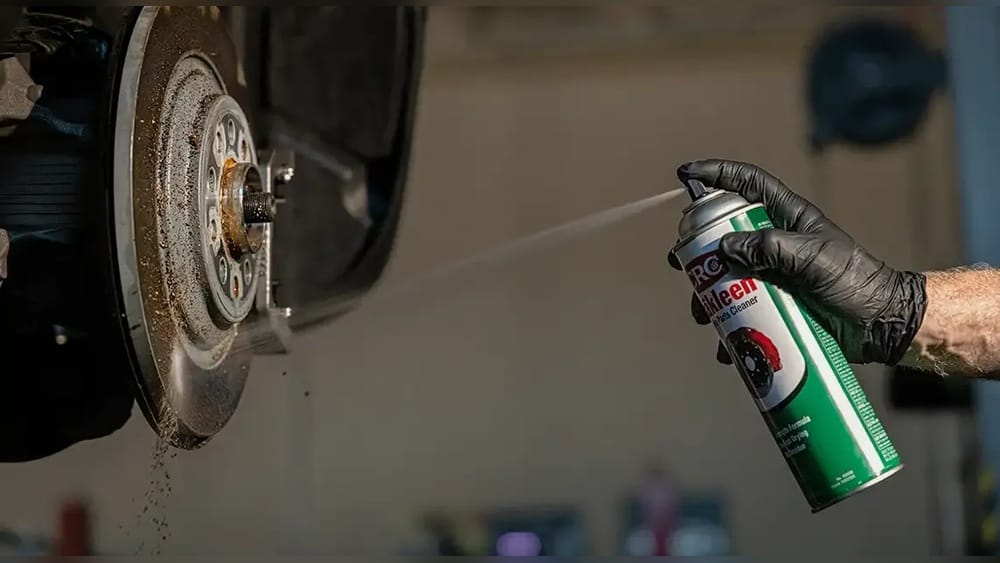
Credit: www.crcindustries.com
Can Brake Cleaner Be Used As Carburetor Cleaner?
Short-term Effectiveness
Some users report that brake cleaner can temporarily clean carburetor components due to its strong solvent properties. It evaporates quickly, leaving little residue. In my experience, brake cleaner removed superficial grime from a carburetor, but did not address deeper fuel deposits or sticky varnish.
Compatibility And Risks
Brake cleaner’s aggressive chemicals pose several risks:
- Damage to rubber seals and gaskets: Carburetors often contain rubber and plastic parts, which brake cleaner can degrade.
- Potential corrosion: Some brake cleaners can corrode sensitive metal surfaces, especially aluminum components.
- Insufficient cleaning of fuel residues: Brake cleaner is not formulated to dissolve the specific fuel-based residues found in carburetors.
Warning: Using brake cleaner in carburetors may void warranties and lead to unexpected failures.
Manufacturer Recommendations
Most automotive manufacturers and experts recommend using dedicated carburetor cleaners. For example, Holley and Edelbrock explicitly advise against using brake cleaner for carburetor maintenance, citing material compatibility issues and potential performance drawbacks.
Real-world Example: A Mechanic’s Perspective
A seasoned mechanic attempted to use brake cleaner on a classic car’s carburetor. While initial results seemed positive, the vehicle developed idle issues after a week. Upon inspection, the rubber gaskets had deteriorated, requiring a costly rebuild. This underscores the importance of using the right product for the job.

Credit: www.chemtronics.com
Performance Comparison: Brake Cleaner Vs Carburetor Cleaner
Cleaning Power
Carburetor cleaner excels in dissolving fuel varnish, gum, and carbon deposits. Brake cleaner, while effective on oil and grease, struggles with sticky residues common in carburetors.
Residue And Evaporation
Both cleaners evaporate quickly, but brake cleaner often leaves minimal residue. However, some carburetor cleaners contain detergents that help lift and suspend deposits for thorough removal.
Material Safety
Carburetor cleaner is generally safe for rubber, plastic, and aluminum parts. Brake cleaner, especially chlorinated types, can degrade these materials.
Cost And Availability
Brake cleaner is usually cheaper and more widely available, but cost savings are offset by potential damage and reduced cleaning efficacy.
| Feature | Brake Cleaner | Carburetor Cleaner |
|---|---|---|
| Cleaning Power (Carb Deposits) | Moderate | High |
| Material Compatibility | Limited | Excellent |
| Evaporation Rate | Fast | Moderate |
| Residue | Minimal | Low |
| Cost | Lower | Higher |
| Safety | Potentially Hazardous | Safe for carburetor parts |

Credit: www.autozone.com
Safety Considerations: Health, Environment, And Engine Protection
Health Hazards
Brake cleaners often contain chemicals classified as hazardous by the EPA. Chlorinated versions can cause respiratory issues, skin irritation, and are linked to long-term health risks. Carburetor cleaners, while still requiring proper ventilation, are generally less toxic.
Environmental Impact
Many brake cleaners are not biodegradable and can contaminate groundwater if improperly disposed. Carburetor cleaners, especially newer formulations, are more eco-friendly.
Pro Tip: Always use cleaners in a well-ventilated area and wear gloves. Dispose of used solvents according to local regulations.
Engine Protection
Using brake cleaner on carburetors can lead to:
- Premature gasket failure
- Corrosion of internal parts
- Reduced engine performance
Carburetor cleaner is specifically designed to protect engine components during cleaning.
| Risk Factor | Brake Cleaner | Carburetor Cleaner |
|---|---|---|
| Health Hazard | High | Moderate |
| Environmental Impact | Negative | Neutral |
| Engine Safety | Low | High |
Case Studies And Real-world Examples
Example 1: Diy Enthusiast Cleans Atv Carburetor
A DIY enthusiast used brake cleaner to clean an ATV carburetor. Initial results showed improved throttle response. However, after a month, the ATV experienced fuel leaks. Inspection revealed that the rubber O-rings had swollen and failed, requiring replacement.
Example 2: Professional Garage’s Experience
A professional garage experimented with brake cleaner on several carburetors during a busy season. While cleaning time was reduced, they reported a higher rate of post-cleaning failures, especially in older carburetors with delicate seals.
Example 3: Classic Car Restoration
A restoration expert working on a 1972 Chevrolet Camaro used carburetor cleaner exclusively. The carburetor’s performance improved, and no material degradation was observed over six months. This example highlights the long-term benefits of using the correct cleaner.
Industry Data
According to a survey by Automotive Service Association, 78% of mechanics prefer carburetor cleaner for cleaning carburetor components, citing material compatibility and superior cleaning power.
Alternatives And Best Practices For Carburetor Cleaning
Using Dedicated Carburetor Cleaner
Always opt for dedicated carburetor cleaners for:
- Optimal cleaning power
- Material safety
- Warranty compliance
Ultrasonic Cleaning
Ultrasonic cleaners use high-frequency sound waves to clean carburetor internals. This method is highly effective and chemical-free, often used by professionals for restoring classic engines.
Diy Cleaning Solutions
Some DIYers create homemade solutions using vinegar or isopropyl alcohol. While these can work in a pinch, they lack the cleaning power and material safety of commercial carburetor cleaners.
Maintenance Tips
To keep your carburetor functioning optimally:
- Use only recommended cleaning products.
- Avoid excessive use of solvents.
- Clean carburetor annually or as recommended by the manufacturer.
- Replace seals and gaskets as needed.
Manufacturer Guidelines And Industry Recommendations
Oem Recommendations
Original Equipment Manufacturers (OEMs) like Honda and Yamaha advise using carburetor cleaner, as their engines contain sensitive materials that brake cleaner may damage.
Industry Standards
The Society of Automotive Engineers (SAE) recommends using cleaning agents that are compatible with all materials found in carburetors, including rubber and plastic.
Warranty Considerations
Using brake cleaner may void warranties. Always check product and vehicle manuals before substituting cleaners.
Professional Advice
Consult a certified mechanic or service professional before using any substitute cleaning product. For more information on automotive cleaning standards, see this Wikipedia Carburetor Guide.
Frequently Asked Questions
Is It Ever Safe To Use Brake Cleaner On A Carburetor?
Brake cleaner may be safe for cleaning metal-only components removed from the carburetor, but it should never be used on assembled carburetors with rubber or plastic parts. Always check the label for material compatibility.
What Happens If I Accidentally Use Brake Cleaner On My Carburetor?
If you’ve used brake cleaner, inspect rubber and plastic parts for signs of degradation (swelling, brittleness, cracking). Replace any affected components and switch to carburetor cleaner for future maintenance.
Can Carburetor Cleaner Be Used On Other Engine Parts?
Carburetor cleaner is generally safe for cleaning throttle bodies and intake manifolds but should not be used on sensitive electrical components or parts not specified by the manufacturer. Always follow product guidelines.
Are There Eco-friendly Alternatives To Carburetor Cleaner?
Yes, some brands offer biodegradable carburetor cleaners and ultrasonic cleaning methods that avoid harsh chemicals. These are safer for the environment and effective for routine maintenance.
How Often Should I Clean My Carburetor?
Frequency depends on usage and fuel quality. For most vehicles, annual cleaning is sufficient. High-use engines may require more frequent maintenance. Always refer to your vehicle’s manual for specific intervals.
References And Further Reading
For additional information on solvent safety and automotive cleaning, visit the EPA Automotive Cleaner Guide.
Maintaining your carburetor with the proper cleaning products ensures reliable engine performance and longevity. While brake cleaner might seem like a convenient substitute, its risks far outweigh any short-term benefits. By understanding the differences and adhering to manufacturer guidelines, you protect your engine and maximize your investment.
Choose wisely and prioritize specialized carburetor cleaners for the best results.
Products related to this article
Sponsored / affiliate links. As an Amazon Associate I earn from qualifying purchases. I may earn additional commission from eligible campaigns.