Can You Add a Heated Steering Wheel to Any Car?
The comfort and convenience of a heated steering wheel have transformed winter driving for many, providing instant relief from icy controls and enhancing the overall driving experience. As this feature becomes increasingly common in modern vehicles, drivers of older or budget models often wonder: Can you add a heated steering wheel to any car? The answer depends on a mix of technical feasibility, cost, and the willingness to modify your vehicle.
Exploring aftermarket solutions, manufacturer kits, and professional installation options, this article aims to demystify the process. Whether you’re seeking warmth for medical reasons or simply desire a touch of luxury, adding a heated steering wheel is possible for many, but not all, vehicles.
Understanding the limitations, benefits, and real-world challenges will help you make an informed decision before investing time and money.
Key Takeaways
- Adding a heated steering wheel is possible for many vehicles, but not universally feasible.
- Installation requires understanding of vehicle compatibility, wiring, and safety considerations.
- Aftermarket kits offer solutions for older or budget cars, but quality and reliability vary.
- Professional installation is often recommended to avoid electrical and safety risks.
- Costs range widely, from around $100 for basic kits to $1,000+ for OEM-level upgrades.
- Real-world examples show both successful upgrades and common pitfalls.

Credit: www.youtube.com
Understanding Heated Steering Wheels
Heated steering wheels are more than just a luxury; for some drivers, especially in colder climates, they are a practical necessity. This section explains how heated steering wheels work and why they’re increasingly popular.
How Heated Steering Wheels Operate
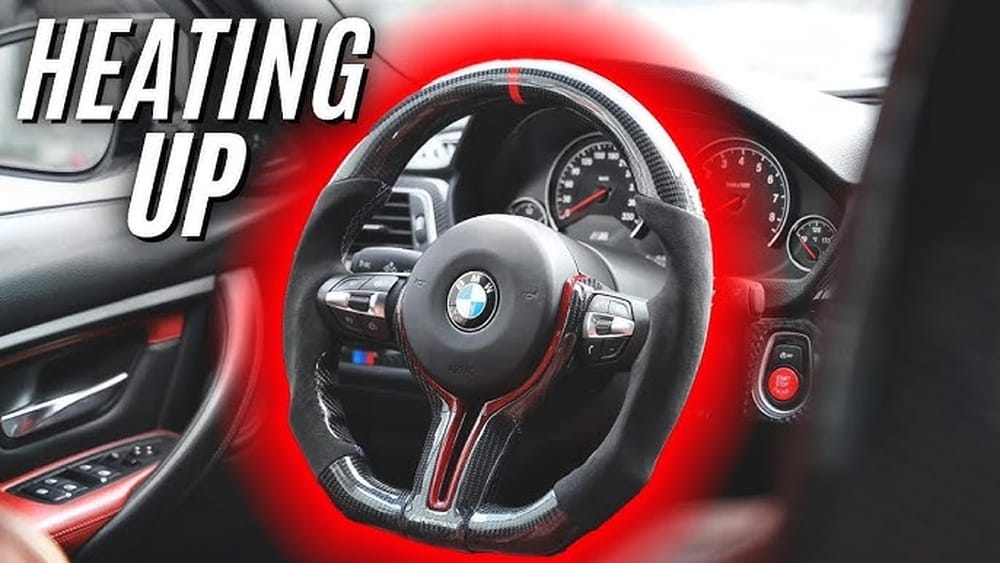
A typical heated steering wheel contains electric heating elements embedded within the wheel’s structure. When activated, these elements warm up quickly, distributing heat evenly across the surface. The heating mechanism is usually controlled by a button on the dashboard or steering column, allowing drivers to turn it on or off as needed.
Modern systems often include a thermostat or temperature sensor to prevent overheating, ensuring safety and comfort. OEM (original equipment manufacturer) heated wheels are integrated into the car’s electrical system, while aftermarket kits require additional wiring.
The Rise Of Heated Steering Wheels
While heated seats have been available for decades, heated steering wheels gained mainstream popularity in the past ten years. According to a 2026 market report from Edmunds, nearly 60% of new vehicles in North America offer heated steering wheels, either as standard or optional equipment. Luxury brands pioneered the feature, but it’s now common in mid-range and even some entry-level models.
Drivers report improved comfort, especially those with arthritis or circulatory issues. In regions with harsh winters, a heated wheel can make morning commutes significantly more bearable.
Benefits Beyond Comfort
- Health: Heated steering wheels help alleviate stiffness and pain for drivers with joint problems.
- Safety: Warm hands improve grip and reaction time, reducing accident risk in cold conditions.
- Convenience: Instant warmth eliminates the need for gloves or waiting for the cabin to heat up.

Credit: www.exclusivesteering.com
Evaluating Vehicle Compatibility
Not every car can accommodate a heated steering wheel retrofit. Compatibility depends on the vehicle’s design, electrical system, and steering wheel type. This section covers the main factors to consider.
Steering Wheel Construction
Many modern vehicles have steering wheels with integrated controls (audio, cruise, airbags). Retrofitting a heating element requires careful consideration of these components. Some wheels cannot be easily modified without compromising safety or functionality.
Older cars with basic steering wheels (no airbags or controls) are generally easier to retrofit. However, even in these cases, space constraints and material types can pose challenges.
Electrical System Considerations
Heated steering wheels draw power from the car’s electrical system. Vehicles with limited electrical capacity or outdated wiring may not support additional loads. Installing a heated wheel often involves:
- Tapping into fuse boxes
- Running dedicated wires
- Ensuring compatibility with airbag systems
Professional installers use wiring diagrams and multimeters to ensure safe connections. Incorrect installation can lead to electrical shorts, airbag malfunctions, or even fires.
Oem Vs Aftermarket Options
Manufacturers sometimes offer heated steering wheel upgrades for specific models. These kits are designed for compatibility and safety. Aftermarket solutions are more universal but may require custom fitting.
| Feature | OEM Kit | Aftermarket Kit |
|---|---|---|
| Compatibility | Vehicle-specific | Universal/varies |
| Warranty | Usually included | Rarely included |
| Installation Difficulty | Moderate | Easy to difficult |
| Safety | High | Varies |
| Cost | High ($500, $1,000+) | Low to moderate ($100, $500) |
Example: Compatibility Challenge
A 2010 Toyota Corolla owner attempted to install an aftermarket heated wheel. The car’s steering wheel contained an airbag and audio controls, requiring specialized tools and wiring knowledge. Ultimately, the installer recommended against the retrofit due to safety concerns and lack of compatible kits.

Credit: www.exclusivesteering.com
Exploring Aftermarket Solutions
Aftermarket kits are the most accessible option for many drivers. They range from simple heated steering wheel covers to fully integrated heating elements. Understanding the differences and installation requirements is crucial.
Types Of Aftermarket Heated Steering Wheel Kits
- Heated Steering Wheel Covers: Slip-on covers with embedded heating wires; plug into the 12V outlet.
- Universal Heating Elements: Thin pads installed under the steering wheel’s leather or vinyl cover; require wiring.
- Custom Wheels: Replacement steering wheels with built-in heating elements; often require professional installation.
| Type | Ease of Installation | Price Range | Pros | Cons |
|---|---|---|---|---|
| Heated Covers | Very easy | $20, $50 | Affordable, no modification | Bulky, uneven heating |
| Heating Elements | Moderate | $50, $150 | More integrated, customizable | Requires disassembly, risk to airbags |
| Custom Wheels | Difficult | $200, $500+ | OEM-like quality | Expensive, complex install |
Installation Process
Heated covers are plug-and-play; simply wrap the cover around the wheel and connect to a power source. Universal heating elements require removing the steering wheel cover, placing the pad, and reconnecting everything. Custom wheels involve replacing the entire steering wheel, which may require airbag handling and reprogramming.
Warning: Improper installation can damage airbag systems or cause electrical hazards. Always follow manufacturer instructions and consult a professional if unsure.
Reliability And Durability
Quality varies widely. Lower-priced covers may fail after a single winter, while well-installed heating elements can last for years. Reviews on automotive forums often highlight durability issues, especially with universal kits.
Example: Aftermarket Success
A driver with a 2005 Ford Focus installed a universal heating pad under the leather wheel cover, connecting it to a 12V fuse. The system worked reliably for three winters, providing consistent warmth without interfering with airbags or controls.
Professional Installation Vs Diy
Choosing between professional installation and DIY depends on technical skill, budget, and safety priorities. This section explores the pros and cons of each approach.
Professional Installation
Automotive electricians or specialist shops offer heated steering wheel installation. They have the tools and expertise to handle complex wiring and airbag systems. Professional installation typically includes:
- Safety checks
- Warranty on labor
- OEM-level integration (if possible)
Costs vary but generally range from $200 to $800, depending on kit type and vehicle complexity.
Diy Installation
DIY enthusiasts can install heated covers or universal pads with basic tools and patience. Skills required include:
- Electrical knowledge
- Ability to remove/reinstall steering wheel covers
- Airbag safety procedures
DIY saves money but carries risks. Mistakes can compromise safety or damage expensive vehicle components.
Cost Comparison Table
| Installation Type | Average Cost | Included Services | Risk Level |
|---|---|---|---|
| Professional | $200, $800 | Warranty, safety checks | Low |
| DIY | $20, $200 | None | Moderate to high |
Example: Diy Pitfall
In my experience, installing a universal heated element on a 2003 Honda Accord, I underestimated the difficulty of removing the steering wheel cover. The process took several hours, and reconnecting the airbag required careful attention to safety. While the heating worked, the hassle and risk highlighted the value of professional help.
Cost, Value, And Return On Investment
Heated steering wheel upgrades range from affordable to expensive, depending on the approach. Weighing the costs against benefits helps determine if it’s worth the investment.
Upfront Costs
- Heated covers: $20, $50 (DIY)
- Universal heating elements: $50, $150 (DIY or professional)
- Custom heated wheels: $200, $500+ (professional installation)
- OEM kits: $500, $1,000+ (dealer installation)
Professional installation adds $100, $500 to the parts cost.
Ongoing Value
- Comfort: Immediate warmth, especially in winter
- Resale value: Heated steering wheels can increase perceived vehicle value, but rarely recoup the full investment
- Health: For drivers with arthritis or medical needs, the comfort may outweigh the cost
Comparison With Other Comfort Features
Heated seats and remote start systems provide similar winter benefits. According to a report from Consumer Reports, heated seats add more resale value than heated steering wheels, but both are seen as desirable features in cold regions.
Example: Value Assessment
A 2014 Subaru Outback owner invested $300 in a professionally installed heated steering wheel kit. The improvement in daily comfort justified the cost, but when selling the vehicle, buyers valued the feature only modestly compared to heated seats.
Real-world Examples And Case Studies
Examining real-world scenarios offers practical insight into the feasibility and results of heated steering wheel upgrades.
Case Study: Successful Oem Upgrade
A 2018 Chevrolet Silverado owner purchased an OEM heated steering wheel kit from the dealer. Installation by a certified technician ensured compatibility with airbags and electrical systems. The result was seamless integration and reliable performance, mirroring factory-installed wheels.
Case Study: Aftermarket Kit Failure
A driver with a 2007 Mazda 3 bought a cheap heated cover online. The product failed within a month, overheating and melting the vinyl. The driver switched to a higher-quality universal heating pad, which performed better but required careful installation.
Case Study: Medical Necessity
A 2016 Honda CR-V owner with Raynaud’s disease (a condition causing poor blood flow to the hands) sought a heated steering wheel for health reasons. After consulting with a professional installer, a universal heating pad was added, improving the driver’s comfort and reducing symptoms during winter.
Example: Luxury Vehicle Experience
A 2026 BMW X5 driver, accustomed to heated wheels, attempted to retrofit the feature on a second car, a 2012 Honda Civic. Despite multiple aftermarket kits, none matched the OEM quality or comfort. The driver ultimately abandoned the project, highlighting the challenge of achieving luxury-level performance in older vehicles.
Risks, Limitations, And Safety Concerns
Retrofitting a heated steering wheel introduces risks that must be weighed carefully. This section addresses the main limitations and safety issues.
Airbag And Control Integration
Modern steering wheels often contain airbags, audio, and cruise controls. Modifying these wheels can:
- Compromise airbag deployment
- Damage steering wheel controls
- Void vehicle warranties
Professional installers use specialized tools and follow strict safety protocols to avoid these risks.
Electrical Hazards
Incorrect wiring or overloaded circuits may cause:
- Short circuits
- Electrical fires
- Malfunctioning vehicle electronics
Always use quality parts and follow vehicle-specific wiring diagrams. If in doubt, consult an automotive electrician.
Warranty And Insurance Issues
Aftermarket modifications may void warranties or affect insurance coverage. OEM kits installed by dealers typically maintain warranty status, but DIY or third-party upgrades often do not.
Legal And Regulatory Concerns
Some states regulate vehicle modifications, especially those affecting airbag systems. Check local laws before proceeding with a retrofit.
Example: Insurance Denial
A driver who installed a heated wheel themselves later filed an insurance claim after an electrical fire. The insurer denied coverage, citing unauthorized modification as the cause.
Alternatives To Heated Steering Wheels
If retrofitting is not feasible, several alternatives provide warmth and comfort during winter driving.
Heated Steering Wheel Covers
Plug-in covers offer quick warmth with minimal installation. While not as sleek as integrated systems, they are affordable and effective.
Heated Driving Gloves
Battery-powered gloves or hand warmers offer portable warmth without vehicle modification. They’re ideal for drivers who switch cars frequently or cannot install heated wheels.
Upgrading To A New Vehicle
For those seeking maximum comfort and reliability, purchasing a newer car with factory-installed heated steering wheel is the simplest solution. Most major brands offer the feature in mid-range and premium models.
Example: Alternative Success
A driver in Minnesota used heated gloves for several winters before upgrading to a new Ford Escape with a factory-heated wheel. The gloves provided adequate warmth, but the built-in feature was far more convenient.
Frequently Asked Questions
Is It Safe To Install A Heated Steering Wheel In A Car With An Airbag?
Safety depends on the type of kit and the installation process. Professional installers have the tools and expertise to safely modify steering wheels with airbags. DIY installations carry significant risks, including airbag malfunction or accidental deployment. It’s essential to follow manufacturer instructions and consult with qualified technicians when working with airbag-equipped wheels.
Will Adding A Heated Steering Wheel Void My Vehicle’s Warranty?
If installed using OEM parts and by a certified dealer, the warranty is usually preserved. Aftermarket kits or DIY installations often void warranty coverage for the steering wheel, electrical system, or related components. Always check your warranty terms and consult your dealer before proceeding.
Can I Use A Heated Steering Wheel Cover Instead Of Installing A Heating Element?
Yes, heated steering wheel covers are a popular alternative. They’re affordable, easy to install, and provide immediate warmth. However, they may not offer the same comfort or integration as built-in systems and can feel bulky compared to OEM solutions.
Are There Any Legal Restrictions On Modifying Steering Wheels For Heating?
Some states and provinces regulate modifications that affect airbag systems or vehicle safety features. Always verify local laws and regulations before retrofitting a heated steering wheel. Illegal modifications may impact insurance coverage and vehicle inspection results.
How Long Does A Heated Steering Wheel Upgrade Typically Last?
Durability depends on the quality of the kit and installation. OEM heated steering wheels often last for the life of the vehicle, while aftermarket solutions may require replacement after several seasons. Regular maintenance and careful installation extend the lifespan of the heating element.
The decision to add a heated steering wheel to your car involves balancing comfort, safety, cost, and technical feasibility. While many vehicles can accommodate aftermarket kits, not every car is a candidate for seamless integration. Professional installation is recommended for complex systems, especially those involving airbags and advanced controls. For those unable to retrofit, alternatives like heated covers and gloves provide effective relief. Ultimately, informed research and a careful assessment of your vehicle’s compatibility will guide you to the best solution for winter driving comfort. For further technical details, consult manufacturer resources and trusted automotive guides such as Consumer Reports or Wikipedia.
Products related to this article
Sponsored / affiliate links. As an Amazon Associate I earn from qualifying purchases. I may earn additional commission from eligible campaigns.