What Controls Transmission Shifting in Modern Vehicles?
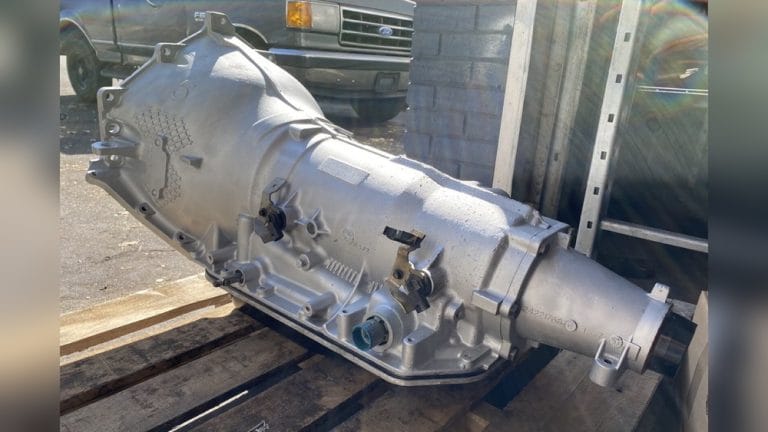
Modern vehicles are not just machines with wheels; they are complex systems packed with technology. One of the most important systems in any car or truck is the transmission. It determines how power moves from the engine to the wheels, allowing the car to change speeds smoothly. But what actually controls when and how the transmission shifts gears? This question is more complicated than it first appears. Years ago, transmissions were mostly mechanical, but today, electronics and software play a huge role. Understanding what controls transmission shifting in modern vehicles can help you appreciate your car’s technology, make smarter maintenance choices, and even notice early signs of trouble.
How Transmission Shifting Worked In The Past
Before diving into modern systems, it’s helpful to know how things used to be. In older cars, especially those with manual transmissions, the driver did most of the work. You pressed the clutch pedal, moved the gear lever, and decided when to shift. In automatic transmissions from earlier decades, gear changes were controlled by a system of hydraulic valves, springs, and levers. These systems responded to engine speed, vehicle speed, and throttle position using physical connections and fluid pressure.
Those older systems were reliable but not always smooth or efficient. They also couldn’t adapt to different driving styles or road conditions very well. This is where electronic controls changed everything.
Key Players: What Actually Controls Transmission Shifting?
Today’s automatic and semi-automatic transmissions rely on a mix of sensors, computers, and actuators. Here are the main components that control shifting:
1. Transmission Control Module (tcm)
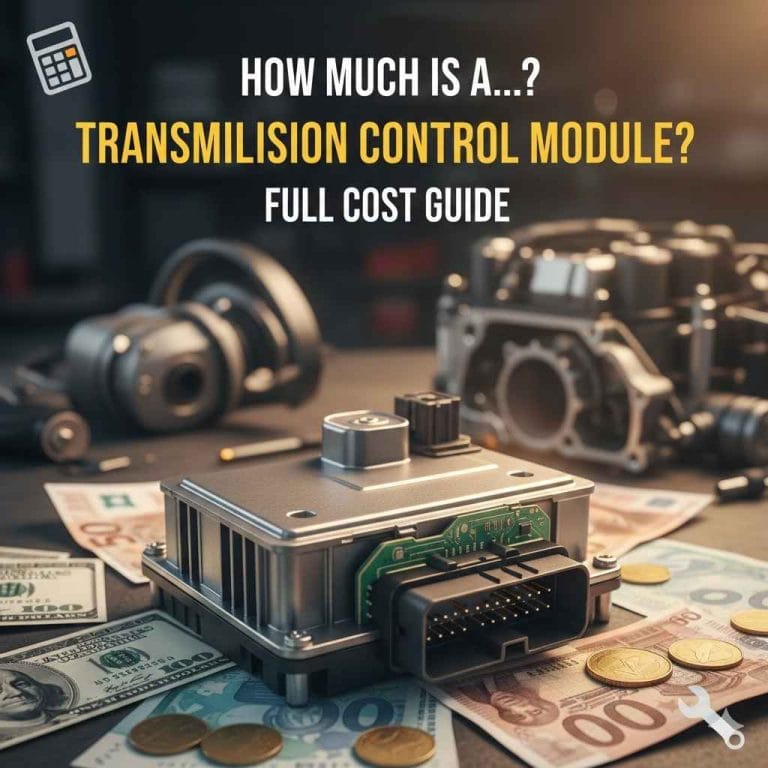
The Transmission Control Module is the brain of the transmission. It’s a specialized computer that receives data from many sensors and makes decisions about gear changes. The TCM can:
- Monitor engine speed, vehicle speed, throttle position, and more
- Decide the best time to shift for performance, fuel economy, or comfort
- Communicate with the Engine Control Module (ECM) for smooth operation
The TCM uses complex algorithms, which can even learn your driving habits over time to adjust shifting patterns.
2. Sensors: The Eyes And Ears
Modern vehicles use many sensors to provide the TCM with real-time data. Some of the most important are:
- Throttle Position Sensor: Tells how much the accelerator is pressed
- Vehicle Speed Sensor: Measures how fast the car is going
- Engine RPM Sensor: Tracks engine speed
- Transmission Fluid Temperature Sensor: Ensures shifts happen at safe temperatures
- Gear Position Sensor: Lets the system know which gear is currently engaged
If any of these sensors fail or send wrong signals, shifting can become harsh, delayed, or unpredictable.
3. Actuators: The Muscles
When the TCM decides to shift, it sends signals to actuators. These include:
- Shift solenoids: Small valves that control the flow of hydraulic fluid inside the transmission
- Clutch packs and bands: Engage or disengage gears in automatic and dual-clutch transmissions
- Mechatronic units: Found in some advanced transmissions, combining electronics and hydraulics
Actuators do the physical work of moving the transmission between gears.
4. Engine Control Module (ecm) And Can Bus
The TCM doesn’t work alone. It often shares data with the Engine Control Module (ECM) over the CAN Bus (Controller Area Network), a digital system that lets vehicle computers talk to each other. For example, the ECM might reduce engine power for a split second during a shift to make it smoother. The CAN Bus also allows for coordinated actions between the transmission, brakes, and traction systems.
5. Driver Inputs And Modes
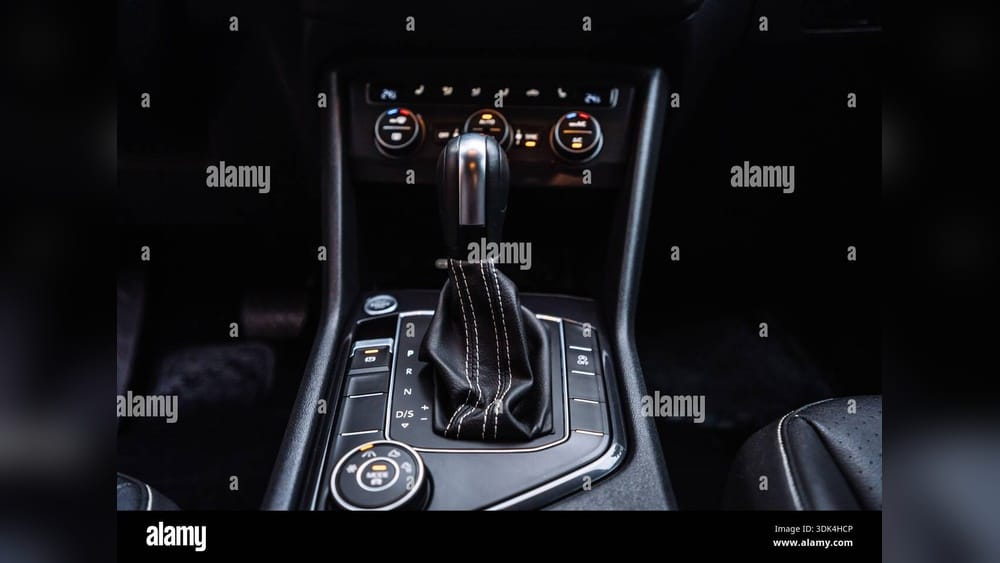
Many modern cars offer driving modes like Eco, Sport, or Manual. When you select a mode, the TCM changes its shifting strategy. In Sport mode, shifts may happen at higher RPMs for more power. In Eco mode, the system aims for lower RPMs to save fuel. Some vehicles even let the driver take manual control using paddle shifters or a gear lever, sending direct commands to the TCM.
Types Of Modern Transmissions And Their Control Systems
Not all transmissions are the same. Here’s how shifting is controlled in the main types found in today’s vehicles.
Automatic Transmissions
Traditional automatic transmissions still use hydraulic fluid to move gears, but now electronic controls decide when to make those movements. The TCM uses sensor data to pick the best time for each shift, balancing power, comfort, and efficiency.
Continuously Variable Transmissions (cvts)
CVTs don’t have fixed gears. Instead, they use a system of belts and pulleys to provide an infinite range of gear ratios. The control module decides the best ratio for current conditions, constantly adjusting for smooth acceleration and fuel savings.
Dual-clutch Transmissions (dcts)
Dual-clutch transmissions use two separate clutches for odd and even gears. Electronic controls allow for lightning-fast gear changes, often faster than a human could manage. The TCM coordinates both clutches and predicts which gear you’ll need next.
Automated Manual Transmissions (amts)
These combine a manual gearbox with automatic clutch and shifting controls. The TCM operates the clutch and selects gears based on sensor input, giving the driver the convenience of an automatic with the efficiency of a manual.
Comparison Of Transmission Control Systems
Here’s a quick look at how different modern transmission types compare in terms of control complexity:
| Transmission Type | Main Control System | Sensor Use | Driver Involvement |
|---|---|---|---|
| Traditional Automatic | TCM + Solenoids | High | Low |
| CVT | TCM + Ratio Actuator | Very High | Low |
| Dual-Clutch (DCT) | TCM + Dual Clutch Control | Very High | Optional (Paddle Shifters) |
| Automated Manual (AMT) | TCM + Actuators | High | Optional |
How The Shifting Process Works: Step-by-step
Understanding the shifting process can help you see how all these parts work together.
- Sensors collect data: The system constantly monitors speed, RPM, throttle, and other factors.
- TCM processes information: The module uses programmed logic to decide if a shift is needed.
- Signal sent to actuators: The TCM sends an electronic signal to the right actuator or solenoid.
- Physical shift happens: The actuator moves hydraulic fluid or engages a clutch, changing gears.
- Feedback loop: Sensors check that the shift happened correctly. If not, the TCM can try again or alert the driver.
Advanced systems can even predict your intentions. For example, if you push the accelerator quickly, the TCM may downshift preemptively to give extra power.

Credit: www.dreamstime.com
Special Features In Modern Transmission Control
Adaptive Shifting
Some transmissions can learn your driving style. If you often accelerate hard, the system may hold gears longer. If you drive gently, it will shift sooner for better fuel economy. This adaptation uses software that “remembers” your habits.
Shift Scheduling
Modern transmissions can plan shifts based on many inputs, not just speed or engine RPM. For example:
- Uphill or downhill detection: The system can hold gears or downshift to use engine braking.
- Towing mode: Adjusts shift points to handle extra weight.
- Temperature management: Delays certain shifts if the transmission fluid is too cold or hot.
Safety And Diagnostics
If the system detects a problem, like a slipping clutch or failed sensor, it can enter limp mode. This limits the vehicle to one gear to prevent damage. The TCM also stores diagnostic trouble codes for technicians to read later.
Integration With Hybrid And Electric Systems
Hybrid and electric vehicles use even more complex control systems, as they must coordinate with electric motors and regenerative braking. The TCM works closely with the battery and motor controllers to decide when to shift (if at all), blending power sources for maximum efficiency.
What Happens When Something Goes Wrong?
Transmission problems in modern cars often start with the control system. Some common issues include:
- Faulty sensors: Can cause harsh, delayed, or missed shifts
- Software bugs: May make the system behave unpredictably
- Actuator failure: Can prevent gear changes entirely
- Wiring problems: Interrupt signals between modules
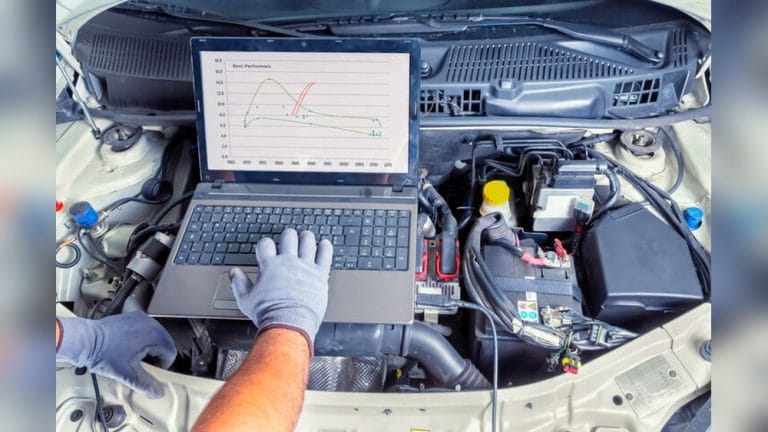
When a transmission control system fails, you might see warning lights, experience rough shifting, or lose certain gears. Modern vehicles allow mechanics to read error codes with diagnostic tools, making troubleshooting more precise than in the past.

Credit: dial-a-battery.com
Data And Reliability: Are Modern Systems Better?
Modern transmission control systems have improved both fuel economy and driving comfort. For example, the US Environmental Protection Agency reports that vehicles with advanced electronic transmissions can be up to 8% more fuel-efficient than older models with purely hydraulic automatics. Dual-clutch and CVT systems, when well-maintained, offer even better efficiency.
However, complexity has a downside. Electronics can fail, and repairs may require specialized tools or software updates. According to a 2026 reliability survey by Consumer Reports, electronic transmission control issues account for about 18% of reported transmission failures in cars less than 10 years old.
Comparison: Modern Vs. Traditional Transmission Control
To better understand the changes, compare traditional mechanical control with today’s electronic systems:
| Feature | Traditional System | Modern Electronic System |
|---|---|---|
| Shifting Method | Hydraulic/Mechanical | Electronic (TCM + actuators) |
| Adaptability | Fixed | Adaptive, customizable |
| Diagnostic Capability | Basic (visual/aural) | Advanced (error codes, live data) |
| Response Time | Slower, less precise | Fast, precise |
| Failure Modes | Mostly mechanical wear | Electrical, software, mechanical |

Credit: www.matcarrental.com
Common Myths And Misunderstandings
“electronics Make Transmissions Less Reliable.”
While more electronics mean more possible failure points, they also allow early detection of problems, smoother operation, and better protection against damage. Most failures in modern transmissions are still caused by lack of maintenance, not electronics.
“manual Mode Gives You Full Control.”
In most modern cars, manual mode (with paddle shifters or gear levers) still has limits. The TCM will override your commands to prevent engine damage, such as refusing to shift at unsafe RPMs.
“software Updates Don’t Matter.”
Manufacturers often release software updates for transmission control modules to improve shifting, fix bugs, or adapt to new fuel types. Ignoring these updates can lead to rough shifting or reduced efficiency.
Practical Tips For Drivers
- Keep transmission software updated: Visit your dealer if you hear about recalls or updates.
- Maintain sensors: Clean connections and replace faulty sensors quickly.
- Use the right fluid: Modern transmissions are sensitive to fluid type and condition.
- Pay attention to warning lights: Don’t ignore the check engine or transmission light; small problems can become big ones.
Many drivers don’t realize that a simple sensor cleaning or software update can solve shifting problems. Always ask your mechanic if the issue could be electronic before replacing expensive mechanical parts.
The Future Of Transmission Control
Transmission controls will only get smarter. With the rise of autonomous vehicles and connected cars, expect even more integration between transmission, engine, navigation, and safety systems. Transmissions may adjust shift strategies based on real-time traffic data or road conditions sent from the cloud. Some electric cars already use “virtual gears” to simulate shifting for a better driving feel.
Frequently Asked Questions
What Is The Main Component That Controls Shifting In Modern Vehicles?
The main component is the Transmission Control Module (TCM). It’s a computer that receives signals from sensors and decides when to shift gears based on performance, efficiency, and comfort needs.
How Do Sensors Affect Transmission Shifting?
Sensors provide real-time information about speed, RPM, throttle position, and temperature. The TCM uses this data to decide the best time and method for shifting. Bad sensor data can lead to poor shifting or transmission damage.
Can I Control When My Automatic Transmission Shifts?
In most modern vehicles, you can influence shifting with driving modes (like Sport or Eco) or by using manual controls such as paddle shifters. However, the system will still prevent unsafe shifts to protect the engine and transmission.
What Happens If The Transmission Control Module Fails?
If the TCM fails, the transmission may get stuck in one gear or shift harshly. Warning lights will usually appear. Mechanics can diagnose these problems with special tools and may need to repair or replace the module.
Are Electronic Transmissions Harder To Maintain?
Electronic transmissions can be more complex, but they often warn you about issues before they become serious. Regular fluid changes, software updates, and sensor checks help keep them reliable. For more technical details, see this Wikipedia article.
Modern transmission control systems are a blend of software and hardware, designed to give you the best mix of comfort, efficiency, and performance. By understanding what actually controls shifting, you can drive smarter and keep your vehicle running smoothly for years to come.
Products related to this article
Sponsored / affiliate links. As an Amazon Associate I earn from qualifying purchases. I may earn additional commission from eligible campaigns.