What Is a Transmission Controller And How Does It Work?
A car is much more than wheels and an engine—it’s a network of systems that work together to create smooth motion. One of the least understood, yet most essential, components is the transmission controller. This small but powerful device is often hidden from view, but its role is central to the way modern vehicles operate. If you’ve ever wondered what makes your car shift gears so smoothly, or why it sometimes hesitates, you’re in the right place. Let’s explore what a transmission controller is, how it works, and why it matters more than you might think.
What Is A Transmission Controller?
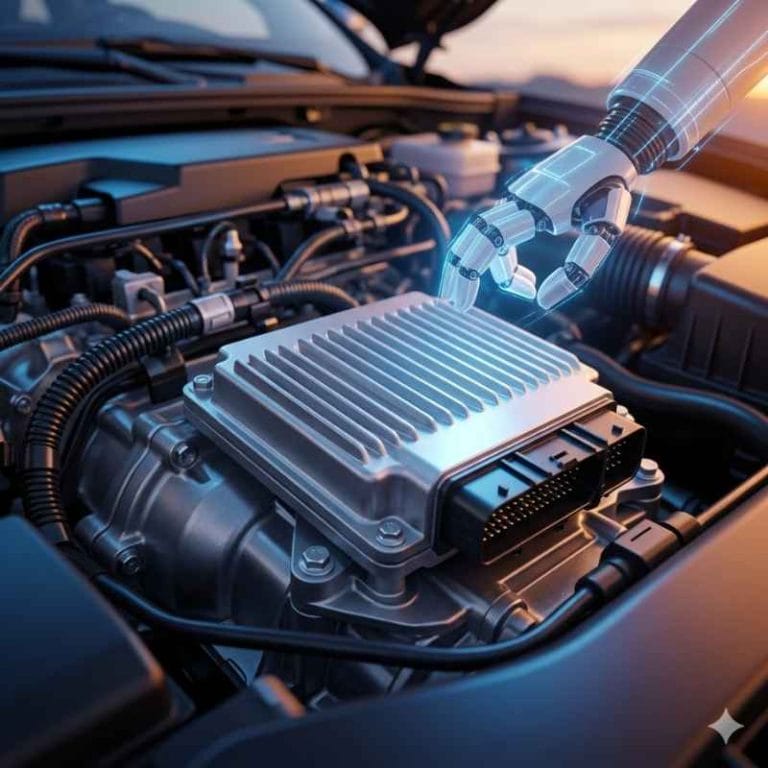
A transmission controller, also known as a Transmission Control Module (TCM), is an electronic device responsible for managing the automatic transmission in a vehicle. Unlike older cars that relied on mechanical linkages and hydraulic pressure, modern vehicles use a dedicated computer to control gear shifts, adjust timing, and optimize performance.
The transmission controller receives information from various sensors throughout the car. It processes this data and sends commands to the transmission to shift gears at the right moment. The aim is to deliver a balance of performance, fuel economy, and comfort. Without the TCM, automatic transmissions would revert to rough, inefficient, and unpredictable gear changes.
How A Transmission Controller Works
The operation of a transmission controller might sound complicated, but it follows a series of logical steps. Here’s how the process unfolds:
- Data Collection: The controller gathers information from sensors, such as speed, throttle position, engine load, and temperature.
- Processing: It analyzes this data, using pre-programmed logic to decide when and how to shift gears.
- Actuation: The TCM sends signals to solenoids and valves inside the transmission, causing gears to change.
- Feedback: The system monitors the results and adjusts future actions for smoother operation.
This cycle repeats many times every second, ensuring the car always selects the most suitable gear for the current driving conditions.
Key Sensors And Inputs
Several important sensors feed information to the transmission controller:
- Vehicle Speed Sensor (VSS): Measures how fast the car is moving.
- Throttle Position Sensor (TPS): Detects how much the accelerator pedal is pressed.
- Engine Control Module (ECM): Shares engine status, including RPM and load.
- Transmission Fluid Temperature Sensor: Ensures the transmission isn’t overheating.
- Brake Pedal Sensor: Lets the TCM know when you are braking.
Each of these inputs helps the controller make smart decisions. For example, if you press the gas pedal hard, the TCM may delay shifting to provide more power. If you are cruising gently, it will shift earlier to save fuel.
Credit: www.wallarm.com
Types Of Transmission Controllers
Not all transmission controllers are created equal. Their complexity and features can vary depending on the vehicle type, age, and transmission system. Here are the main types:
1. Standalone Transmission Controllers
These are independent modules dedicated solely to controlling the transmission. They are common in modern vehicles with sophisticated automatic transmissions. Standalone TCMs are designed for high-speed data processing and can handle advanced features like adaptive shifting and manual mode.
2. Integrated Engine And Transmission Controllers
In some vehicles, the engine control unit (ECU) and transmission control module are combined into a single device. This integration allows for even closer coordination between engine and transmission, improving fuel economy and reducing emissions.
3. Aftermarket Controllers
For custom or high-performance builds, aftermarket controllers offer extra tuning and control. These can be programmed by enthusiasts to change shift points, lockup strategies, or even enable manual shifting in automatic transmissions.
4. Hybrid And Electric Vehicle Controllers
Hybrid and electric cars use specialized controllers that manage both electric motors and traditional transmissions (if present). These systems are more complex, as they have to coordinate with battery management and regenerative braking systems.
The Role Of Software And Programming
A transmission controller is only as smart as its software. Most TCMs use embedded firmware written by automotive engineers. This software contains:
- Shift Maps: Pre-set guidelines for when to shift gears based on speed, load, and driver input.
- Adaptive Logic: Algorithms that learn driver habits and adjust shifting for comfort or sportiness.
- Diagnostic Functions: Error detection and reporting to help with maintenance and repairs.
Manufacturers often release software updates to fix bugs or improve performance. In some cases, dealers can reprogram the TCM to address specific issues, such as harsh shifting or delayed engagement.
Why The Transmission Controller Matters
You might not think about your transmission controller, but it has a big impact on your daily driving experience. Here’s why it’s so important:
- Smooth Shifting: The TCM ensures gear changes are gentle and well-timed.
- Fuel Efficiency: By selecting the right gear, it helps save gas, especially during highway driving.
- Engine Protection: It prevents the transmission from shifting in ways that could damage the engine or drivetrain.
- Safety: Quick, precise shifting can help you accelerate out of danger or slow down when needed.
- Diagnostics: If something goes wrong, the TCM can store fault codes to guide repairs.
Without a properly functioning transmission controller, even the best engine and transmission will feel rough, sluggish, or unpredictable.
Common Symptoms Of Transmission Controller Problems
Like any electronic component, a transmission controller can develop faults. Recognizing early symptoms can prevent costly repairs down the line. Watch for these warning signs:
- Erratic or Harsh Shifting: Sudden, rough, or delayed gear changes may indicate a TCM issue.
- Stuck in One Gear (Limp Mode): The transmission may refuse to shift out of a single gear to protect itself.
- Check Engine Light or Transmission Warning Light: A fault code stored by the TCM will usually trigger a dashboard warning.
- Poor Acceleration: If the TCM chooses the wrong gear, your car may feel sluggish or unresponsive.
- No Response to Manual Shifting: In vehicles with manual mode, a faulty TCM may ignore your commands.
It’s important to diagnose these symptoms quickly. Sometimes the problem is with a sensor or wiring, not the TCM itself. A professional scan tool can read fault codes and identify the root cause.
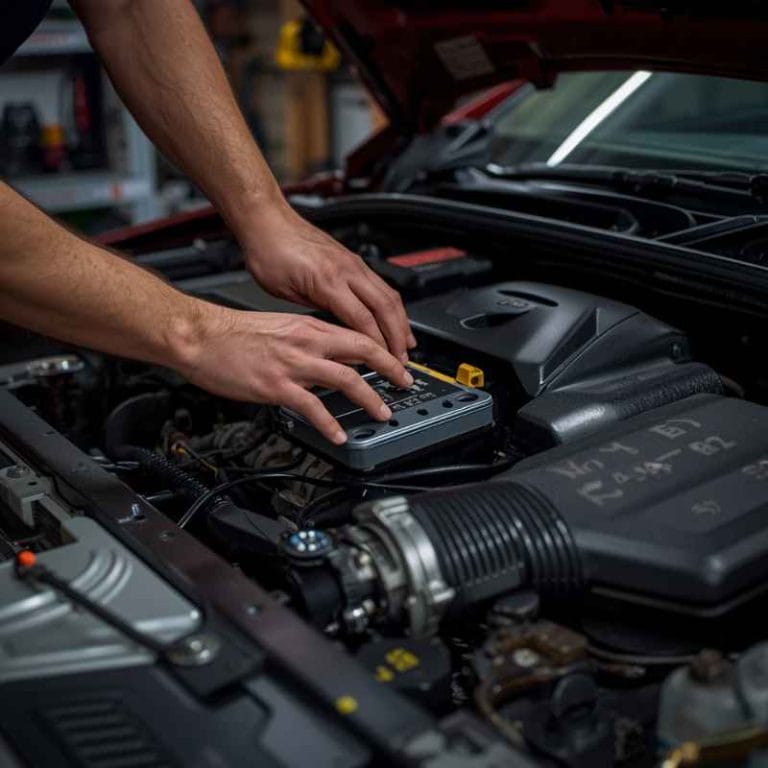
Diagnosing And Repairing Transmission Controllers
When a transmission controller fails, it can be tricky to pinpoint the exact problem. Here’s how the process usually works:
Diagnostic Steps
- OBD-II Scan: Mechanics use a scan tool to read stored fault codes from the TCM.
- Sensor Testing: They check sensor signals to ensure the controller is receiving accurate data.
- Wiring Inspection: Damaged or corroded wires can disrupt communication.
- Module Testing: In some cases, the TCM itself can be bench-tested or swapped with a known-good unit.
Repair Options
Depending on the diagnosis, the following solutions are common:
- Software Update or Reflash: Sometimes, a software bug is the culprit.
- Sensor Replacement: Faulty sensors are often cheaper to replace than the TCM.
- Wiring Repair: Fixing broken connectors or wires can restore communication.
- TCM Replacement: If the module is truly faulty, it may need to be replaced or rebuilt.
Modern TCMs are often “plug and play,” but some require programming to match the vehicle’s VIN and transmission type. This work is best done by an experienced technician.
Comparison: Transmission Controllers Vs. Engine Control Modules
It’s easy to confuse the transmission control module with the engine control module. Both are computers, but their roles are quite different. The table below highlights the main differences:
| Feature | Transmission Controller (TCM) | Engine Control Module (ECM) |
|---|---|---|
| Main Function | Controls gear shifts and transmission operation | Manages engine fuel, ignition, and emissions |
| Sensors Used | Vehicle speed, throttle position, transmission temp | Oxygen sensor, coolant temp, air/fuel ratio |
| Direct Control | Solenoids, valves inside the transmission | Fuel injectors, ignition coils, throttle body |
| Impact on Performance | Smooth shifting, fuel efficiency, transmission life | Power output, emissions, engine reliability |
Understanding this distinction can help you communicate with mechanics and avoid confusion when diagnosing problems.
Credit: www.asianimportsauto.com
Transmission Controller Technologies: Past, Present, And Future
The evolution of the transmission controller reflects broader trends in automotive technology. Let’s look at how these modules have changed over time and what’s coming next.
Mechanical To Electronic
Older vehicles used purely mechanical and hydraulic systems for shifting gears. These were reliable but lacked flexibility. The move to electronic TCMs in the 1980s and 1990s brought better control, more precise shifting, and the ability to adapt to different driving styles.
Can Bus And Networking
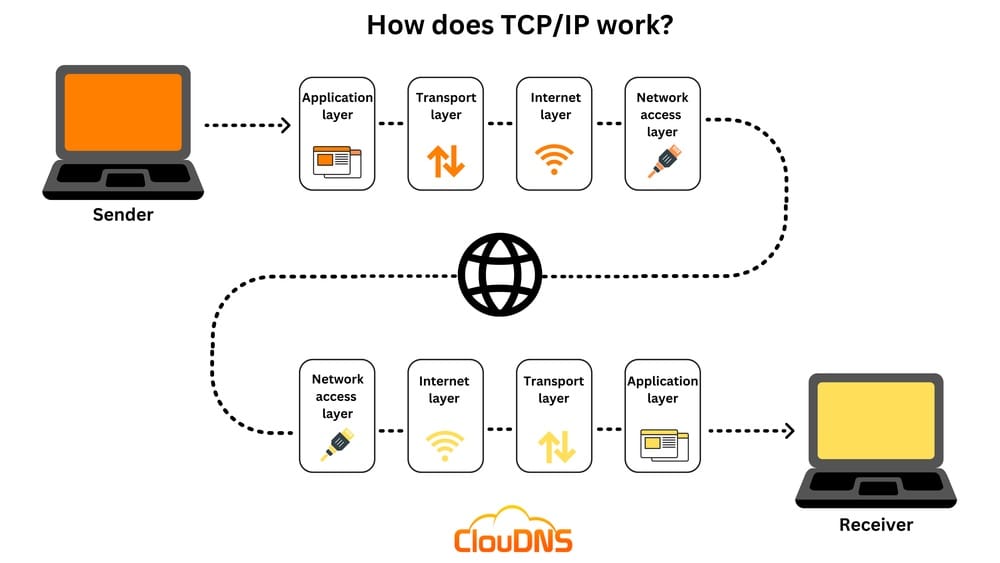
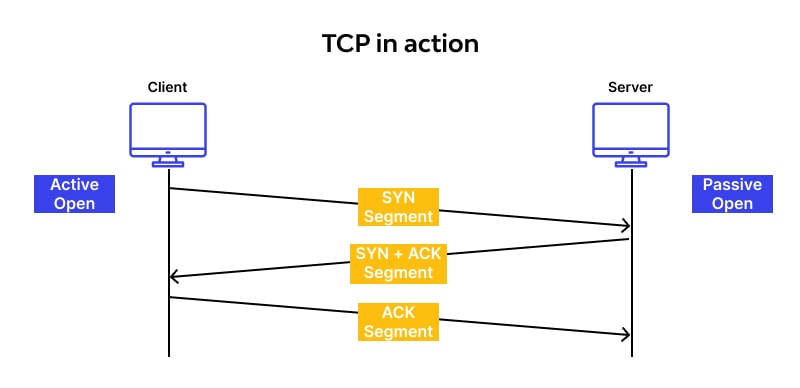
Modern TCMs don’t operate in isolation. They communicate with other control modules over the Controller Area Network (CAN bus). This allows the transmission, engine, brakes, and even the stability control system to work together for better safety and efficiency.
Adaptive And Learning Systems
Today’s high-end cars feature adaptive transmission controllers that learn from your driving habits. If you drive aggressively, the TCM will hold gears longer for more power. If you drive gently, it will shift early to save fuel. Some luxury vehicles even store multiple driver profiles.
Over-the-air Updates
The latest trend is remote software updates, similar to what you see on smartphones. Some manufacturers can now update TCM software wirelessly, improving performance or fixing bugs without a trip to the dealer.
Key Features Of Modern Transmission Controllers
Let’s highlight some features that set modern TCMs apart:
- Adaptive Shift Logic: Learns your driving style and adapts shift points.
- Sport and Eco Modes: Offers different shifting strategies for performance or efficiency.
- Manual Override: Lets drivers control gear changes with paddles or a shifter.
- Diagnostics and Fault Memory: Stores error codes for easier troubleshooting.
- Integration with Safety Systems: Works with traction and stability control for safer driving.
These features make the driving experience more enjoyable, efficient, and safe.
Transmission Controller In Different Transmission Types
Not all transmissions are controlled the same way. Here’s how the TCM operates in various systems:
Automatic Transmissions
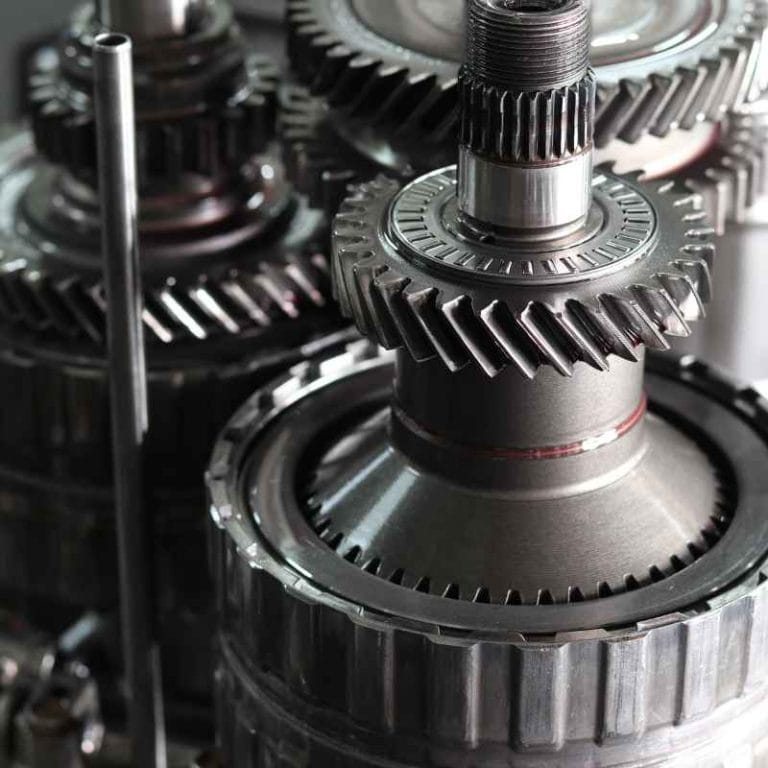
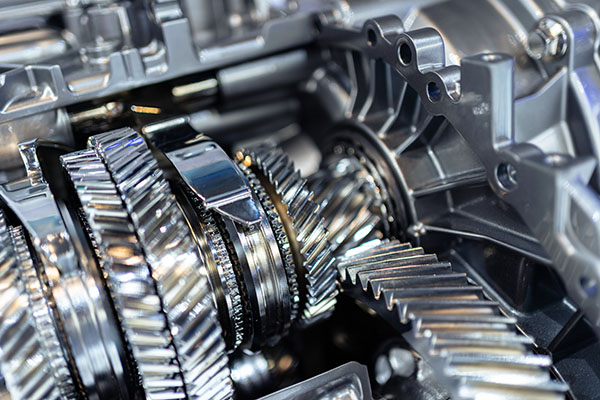
In classic automatics, the TCM manages hydraulic clutches and bands to select gears. It uses sensor data to choose the right moment to shift, balancing performance and comfort.
Dual-clutch Transmissions (dct)
DCTs use two separate clutches for faster gear changes. The TCM must coordinate both clutches and anticipate the next shift, requiring advanced algorithms.
Continuously Variable Transmissions (cvt)
CVTs don’t have fixed gears. The TCM adjusts the ratio continuously for smooth acceleration and maximum efficiency. This requires constant monitoring and precise control.
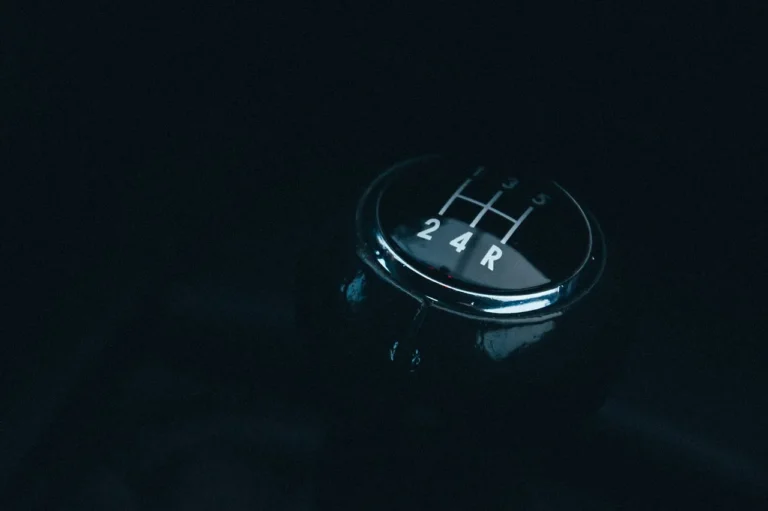
Manual Transmissions
Most manual transmissions do not use a TCM. However, some modern manuals with automated clutches or rev-matching features may include a basic controller for added convenience.
Hybrid/electric Vehicles
Hybrid and electric cars often combine electric motors with traditional gearboxes or direct drive. Their controllers are more complex, managing both electric and mechanical power sources.
Common Myths About Transmission Controllers
Misunderstandings about transmission controllers are everywhere. Let’s clear up a few common myths:
- Myth: The TCM only affects shifting.
Fact: It also influences fuel economy, emissions, and even vehicle safety systems.
- Myth: TCM problems always mean expensive repairs.
Fact: Sometimes the fix is as simple as updating software or replacing a sensor.
- Myth: All TCMs are the same.
Fact: There are big differences between vehicles, transmission types, and model years.
- Myth: You can ignore a TCM warning light.
Fact: Driving with a faulty controller can damage your transmission and cost thousands later.

Credit: independenttransmission.com
Real-world Example: Transmission Controller Failure
Imagine a driver with a mid-2010s sedan who notices harsh shifting and a “Check Transmission” warning. After a diagnostic scan, the mechanic finds a fault code pointing to the transmission controller. In this case:
- The problem was traced to a loose wiring connector, not a failed module.
- Reconnecting and securing the wires fixed the issue.
- The TCM was not replaced, saving the owner hundreds of dollars.
This example shows the importance of proper diagnosis. Not all transmission controller problems require expensive parts.
How To Protect And Maintain Your Transmission Controller
You can take steps to keep your TCM healthy and avoid unnecessary repairs:
- Keep the Battery in Good Shape: Voltage spikes or drops can damage electronics.
- Fix Leaks Promptly: Transmission fluid leaks can allow water or debris to reach the controller.
- Address Warning Lights Quickly: Never ignore the “Check Engine” or transmission light.
- Get Regular Service: Follow manufacturer maintenance schedules for transmission fluid and filters.
- Avoid Water Damage: Don’t drive through deep water, as TCMs are sensitive to moisture.
A little care goes a long way in preventing electronic failures.
Comparing Transmission Controllers By Vehicle Class
Different types of vehicles use transmission controllers in unique ways. Here’s a quick comparison:
| Vehicle Type | Transmission Controller Complexity | Special Features |
|---|---|---|
| Economy Car | Basic to Moderate | Focus on fuel efficiency |
| Luxury Sedan | High | Adaptive shifting, multiple modes |
| Sports Car | High | Manual override, fast shifts |
| Truck/SUV | Moderate to High | Towing modes, heavy-duty cooling logic |
| Hybrid/Electric | Very High | Coordinates electric motors and gears |
This variety shows why it’s important to use the correct parts and software for your specific vehicle.
Transmission Controller Trends To Watch
The future of transmission controllers is full of innovation. Here are a few trends that will shape the next generation of vehicles:
- Increased Integration: TCMs will merge with other controllers, leading to smarter, more efficient cars.
- AI and Machine Learning: Future controllers may use artificial intelligence to predict driving patterns and optimize performance.
- Remote Diagnostics: Manufacturers will be able to monitor and diagnose TCM issues
Products related to this article
Sponsored / affiliate links. As an Amazon Associate I earn from qualifying purchases. I may earn additional commission from eligible campaigns.