Does Transmission Control Module Affect Your Car’S Power?
When you press the gas pedal and your car responds instantly, it feels like magic. But behind this smooth reaction is a smart piece of technology called the Transmission Control Module (TCM). Many drivers think of the engine as the main reason their car is powerful or fast. But the TCM plays a big role in how your car uses its power. If you have ever wondered, “Does the transmission control module affect your car’s power?”, you are not alone. Understanding the TCM can help you make better decisions about your car’s health, performance, and even your safety on the road.
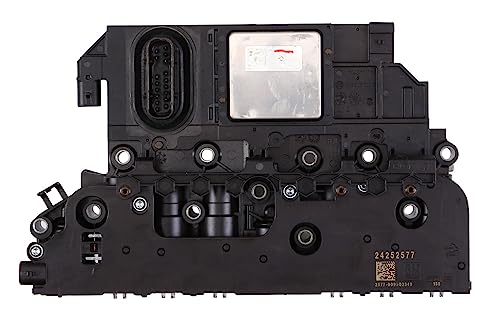
The TCM is one of the most important computer systems in modern cars. It controls when and how your vehicle shifts gears. This affects how power from the engine moves to the wheels. A well-functioning TCM makes your car feel smooth and responsive.
But if something goes wrong, you might notice your car feels weak, slow, or even unsafe to drive. Let’s explore how the TCM works, its direct impact on your car’s power, and what you need to know if you suspect TCM trouble.
What Is A Transmission Control Module (tcm)?
The Transmission Control Module is a small computer that manages the automatic transmission system in your car. It works alongside the Engine Control Unit (ECU), but its main focus is on gear shifting. The TCM receives information from sensors in the car, such as:
- Vehicle speed
- Throttle position
- Engine load
- Brake status
- Transmission fluid temperature
Using this data, the TCM decides when to change gears. For example, if you press the accelerator hard, the TCM may downshift for more power. If you are driving gently, it will shift up for better fuel economy. The TCM also protects your transmission by avoiding harmful shifts and checking fluid temperature.
In older cars, gear shifting was mechanical and simple. Now, with TCMs, shifts are faster, smoother, and more efficient.
How The Tcm Affects Your Car’s Power
Many people think of “power” as just engine horsepower. But real-world power is about how the engine and transmission work together. The TCM is the link between engine output and actual performance at the wheels.
Power Delivery And Gear Selection
The engine creates power, but the transmission decides how much of that power gets to the wheels at any time. The TCM controls gear selection to keep the engine in its best power range (called the “power band”). For example:
- If you accelerate quickly, the TCM keeps lower gears longer, giving you maximum torque.
- When cruising, it shifts to higher gears, using less engine power for better fuel efficiency.
A TCM that shifts at the wrong time can make a strong engine feel weak. For example, shifting too early can cause sluggish acceleration. Shifting too late can make the engine overwork and use more fuel.
Example: Tcm In Action
Imagine you are merging onto a highway. You press the gas pedal for more speed. The TCM senses:
- Your throttle is wide open.
- The car is moving faster.
- The engine needs more power.
The TCM tells the transmission to drop to a lower gear. This lets the engine run faster and create more power, helping you merge smoothly.
If the TCM is faulty, it may not shift correctly. You might feel the car hesitate or struggle to accelerate, even if the engine is fine.
Tcm Vs. Ecu: Working Together
The Engine Control Unit (ECU) manages engine power and fuel. The TCM manages gears. They constantly share data. If the TCM does not work well, the ECU cannot deliver power effectively. This team effort is key for modern car performance.
Table: Tcm Influence On Power In Different Driving Situations
| Driving Situation | TCM Action | Effect on Power |
|---|---|---|
| Fast Acceleration | Delays upshift, may downshift | Gives maximum torque for quick response |
| Highway Cruising | Upshifts to highest gear | Reduces engine load, saves fuel |
| Going Uphill | Holds lower gear | Prevents loss of speed, maintains power |
| Slippery Roads | May start in higher gear | Reduces wheel spin, safer acceleration |

Credit: www.youtube.com
Signs Your Tcm Is Affecting Power
A failing TCM can cause a range of problems, many of which feel like “loss of power.” Here are some common symptoms:
- Sluggish Acceleration: The car feels slow even when you press the gas.
- Hard or Delayed Shifting: Gear changes are rough or take too long.
- Stuck in One Gear: The transmission refuses to shift, often stuck in “limp mode.”
- Erratic Shifts: The car shifts when it shouldn’t, causing unpredictable power delivery.
- Warning Lights: The “Check Engine” or “Transmission” light comes on.
These issues mean the engine’s power is not reaching the wheels efficiently. Even if your engine is healthy, a bad TCM can make your car feel powerless.
Real-world Example
A 2015 Ford Focus owner complained of slow acceleration and rough shifting. Diagnosis showed a faulty TCM. After replacement, the car regained its normal power and smooth driving feel. This is a common story with many automatic cars today.
How Does The Tcm Limit Or Enhance Power?
The TCM doesn’t create power, but it controls how much power you can actually use. Here’s how:
Limiting Power
- Limp Mode: If the TCM senses a problem, it may lock the transmission in one gear. This protects the car, but limits speed and power.
- Wrong Shifts: Early or late shifting can keep the engine out of its best power range.
- Faulty Sensors: If the TCM gets bad data, it may make poor decisions, wasting engine power.
Enhancing Power
- Perfect Timing: Good TCMs shift at the right moments, so you always have power when needed.
- Adaptive Learning: Many modern TCMs “learn” your driving style and adjust shift patterns. Aggressive drivers get quicker shifts; gentle drivers get smoother ones.
- Sport Modes: Some cars offer sport settings. The TCM holds lower gears for longer, letting the engine rev higher for more immediate power.
Table: Tcm Features That Affect Power Use
| TCM Feature | Power Effect | Example |
|---|---|---|
| Adaptive Shift Logic | Optimizes gear changes for driver style | Faster shifts for sporty driving |
| Sport/Eco Modes | Changes shift points for power or economy | Sport mode holds gears longer |
| Limp Mode | Limits power to prevent damage | Stays in 2nd or 3rd gear |
| Manual Override (Tiptronic) | Lets driver control shifts | Paddle shifters in some cars |
Credit: repairpal.com
Diagnosing Tcm-related Power Problems
It’s not always easy to tell if a power issue is from the TCM or something else. Here’s how experts usually check:
- Scan for Error Codes: Mechanics use an OBD-II scanner to read TCM fault codes.
- Test Drive: Shifting patterns are checked under different driving conditions.
- Check Wiring and Sensors: Loose wires or dirty sensors can send bad data to the TCM.
- Software Updates: Sometimes, a software update from the car maker can fix TCM bugs.
- Physical Inspection: Rarely, the TCM itself may be damaged by water or heat.
Data Table: Common Tcm Error Codes And What They Mean
| Code | Problem | Possible Effect on Power |
|---|---|---|
| P0700 | Transmission Control System Malfunction | Limp mode, reduced power |
| P0730 | Incorrect Gear Ratio | Poor acceleration, slipping |
| P0750 | Shift Solenoid “A” Malfunction | Hard shifts, low power |
| P0715 | Input/Turbine Speed Sensor Malfunction | Erratic shifts, power loss |
What Happens If You Ignore A Failing Tcm?
A lot of drivers ignore minor transmission issues, hoping they will go away. But a bad TCM rarely fixes itself. Here’s what can happen if you wait too long:
- Reduced Performance: Your car might struggle to accelerate, making passing or merging dangerous.
- Transmission Damage: Bad shifts can damage internal parts, leading to expensive repairs.
- Safety Risks: Sudden gear changes or loss of power can surprise you in traffic.
- Increased Fuel Use: Poor shift timing wastes fuel.
- Complete Breakdown: In worst cases, your car may refuse to move at all.
Ignoring TCM problems can turn a simple fix into a major repair. Many cars can be saved with early diagnosis and repair.
Tcm Replacement, Repair, And Reprogramming
If your mechanic finds a TCM problem, there are several solutions depending on the cause:
Repair Or Replace?
- Software Issues: Many TCM problems are just software bugs. A dealer can often reprogram the TCM for a small fee.
- Sensor or Wiring Issues: Sometimes, the TCM is fine but gets bad information from sensors or wires. Replacing the sensor or fixing the wire is usually enough.
- Hardware Failure: If the TCM itself is broken, it will need replacement. This can cost $300–$900 for most cars, not including labor.
Reprogramming After Replacement
Modern TCMs often need to be “married” to your car with special software. This ensures the TCM knows your car’s engine, transmission, and options. Without correct programming, the TCM might not work at all.
Diy Or Professional?
Some simple sensor repairs can be done at home. But TCM replacement and reprogramming almost always require dealer-level tools and knowledge. Most experts recommend using a professional for TCM work.
Can A Tcm Upgrade Make Your Car More Powerful?
Performance enthusiasts sometimes upgrade their TCM’s software for faster shifts or better gear choices. Here’s what you need to know:
- Aftermarket Tuning: Special software can make the TCM shift faster or hold gears longer, improving acceleration.
- Risks: Aggressive tuning can wear out the transmission faster or void your warranty.
- Street vs. Track: Performance TCM tunes are best for racing or spirited driving, not daily commutes.
For most drivers, the factory TCM settings offer the best balance of power, fuel economy, and reliability. But for those who want more, a TCM tune can unlock extra performance—just be aware of the trade-offs.
Tcm And Electric Or Hybrid Vehicles
As cars become more advanced, TCMs are changing too. Electric and hybrid vehicles also use control modules for their unique transmissions:
- Single-Speed Transmissions: Some electric cars have a simple, single-speed gear, so the TCM is less important.
- Multiple Gears: High-performance EVs (like the Porsche Taycan) use TCM-like modules to manage fast gear changes.
- Regenerative Braking: The TCM may help control how the car slows down and recovers energy.
The basic idea is the same: smart computers make sure you get the right power at the right time.
Common Myths About The Tcm And Car Power
There are many misunderstandings about what the TCM does. Let’s clear up a few:
- Myth 1: “If my engine is strong, the TCM doesn’t matter.”
Truth: Even the best engine feels weak if the TCM shifts poorly.
- Myth 2: “All shifting problems mean I need a new transmission.”
Truth: Many shifting issues come from the TCM or sensors, not the transmission itself.
- Myth 3: “Manual cars don’t have TCMs.”
Truth: Most manual transmissions do not use a TCM, but some newer “automated manuals” do.
- Myth 4: “TCMs are all the same.”
Truth: Each car’s TCM is programmed for its specific engine, transmission, and even tire size.

Credit: www.youtube.com
How To Keep Your Tcm Healthy
A little care goes a long way. Here are tips to avoid TCM problems:
- Keep Transmission Fluid Clean: Dirty fluid can cause sensor errors and overheating.
- Check for Leaks: Transmission fluid leaks can quickly damage your TCM and transmission.
- Avoid Overheating: Towing heavy loads or hard driving can overheat the transmission, hurting the TCM.
- Fix Warning Lights Quickly: Don’t ignore the “Check Engine” or “Transmission” light.
- Regular Service: Follow your car’s service schedule for transmission checks.
Many TCM failures are caused by things you can control. Staying ahead of maintenance can save you money and keep your car running strong.
Real-world Data: Tcm Failure Rates And Impact
Research shows that electronic transmission problems are rising as cars become more complex. According to a 2026 industry report:
- About 22% of modern transmission issues are linked to electronic control modules.
- Most TCM failures occur between 80,000–120,000 miles.
- Cars with regular fluid changes and software updates have 30% fewer TCM-related problems.
This data shows how important the TCM is to long-term car health. For more on automotive electronics, see the Wikipedia page on transmission control units.
Frequently Asked Questions
Products related to this article
Sponsored / affiliate links. As an Amazon Associate I earn from qualifying purchases. I may earn additional commission from eligible campaigns.