What Is a Transmission Controller And Why Does It Matter?
Modern cars are complex machines, blending mechanics with advanced electronics. One key player in this mix is the transmission controller. Most drivers never think about it, yet it quietly makes every drive smoother, more efficient, and sometimes even possible. But what exactly is a transmission controller, and why does it matter so much? Let’s explore how this small device impacts your car’s performance, reliability, and even fuel economy.
What Is A Transmission Controller?
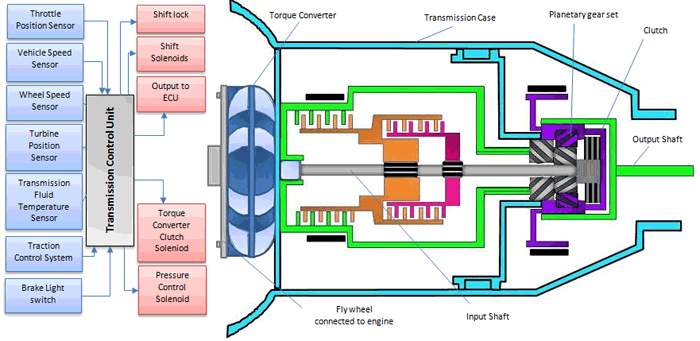
A transmission controller (often called a Transmission Control Module or TCM) is an electronic unit that manages how and when your car shifts gears. While older vehicles relied on hydraulic or manual systems, today’s cars depend on this computer brain to make decisions in milliseconds. It receives signals from sensors—like speed, throttle position, and engine load—and chooses the best gear for the situation.
Without a transmission controller, automatic transmissions would be clunky, less efficient, and more likely to break down. The TCM ensures your drive is smooth, responsive, and safe.
How Does A Transmission Controller Work?
The transmission controller operates behind the scenes, but its process is both fast and complex. Here’s how it functions step-by-step:
- Sensing Conditions: Sensors throughout the car measure speed, engine RPM, temperature, throttle position, and more.
- Processing Data: The TCM analyzes this stream of data in real time.
- Decision Making: Based on the data, it determines the ideal moment and method to shift gears.
- Sending Commands: It sends electronic signals to solenoids and actuators inside the transmission.
- Adjusting on the Fly: If conditions change—like sudden acceleration or a hill—the TCM immediately updates its plan.
This system allows for precise gear changes, resulting in better fuel economy, less wear on parts, and a safer drive.
Main Functions Of A Transmission Controller
Understanding what a transmission controller actually does can help drivers appreciate its value. Here are the main functions:
- Gear Shifting: Chooses the right gear based on speed, load, and driving style.
- Shift Timing: Decides the exact moment to shift for smooth acceleration.
- Torque Converter Control: Manages the lock-up clutch for better efficiency.
- Adaptive Learning: Adjusts to your driving habits over time.
- Diagnostic Reporting: Identifies and reports transmission problems to the car’s main computer.
Each of these roles is essential for the car’s overall health and performance.
Types Of Transmission Controllers
Not all transmission controllers are the same. Their design and function can vary depending on the car, transmission type, and manufacturer.
Standalone Tcm
This is a separate unit dedicated only to transmission control. It works independently from the car’s Engine Control Unit (ECU). Standalone TCMs are common in older vehicles and some modern trucks.
Integrated Tcm
Here, the TCM is built into the ECU. Many newer cars use this design to save space and improve communication between engine and transmission.
Programmable Tcm
Some high-performance or aftermarket vehicles use programmable TCMs. These can be customized for racing, towing, or other specific needs.
Comparison Of Tcm Types
To better understand the differences, see how these main types compare:
| Type | Location | Main Advantage | Common Use |
|---|---|---|---|
| Standalone TCM | Separate unit | Easy to repair or replace | Older cars, trucks |
| Integrated TCM | Built into ECU | Faster data sharing | Modern cars |
| Programmable TCM | User-selected | Customizable performance | Racing, modified cars |

Credit: dorleco.com
Why Does A Transmission Controller Matter?
The transmission controller is more than just a “switch.” It’s a key part of how your car feels and performs every day. Here’s why it matters:
Smooth Driving Experience
A good transmission controller means you rarely notice gear changes. Accelerating, slowing down, or climbing hills happens without jerks or delays. This makes driving more comfortable, especially in traffic.
Improved Fuel Efficiency
By selecting the best gear at every moment, the TCM helps your engine work less and burn less fuel. Even small improvements add up over thousands of miles.
Reduced Wear And Tear
Sudden or harsh gear shifts can damage your transmission. The TCM prevents this by timing changes perfectly, making your transmission last longer and lowering repair costs.
Enhanced Safety
Transmission controllers play a role in safety systems too. For example, they can prevent dangerous shifts (like going from drive to reverse while moving) or help control the car during slippery conditions.
Modern Features
Features like manual mode, sport mode, or eco mode all depend on the TCM. Without it, these options wouldn’t exist.
Common Transmission Controller Problems
Like all electronic parts, TCMs can fail. When they do, the results can be frustrating or even dangerous. Here are some common problems:
Shift Delays Or Harsh Shifting
If the TCM cannot read sensor data correctly, gear changes become slow or rough. This can make driving difficult and uncomfortable.
Stuck In One Gear
A failing TCM might lock the transmission in one gear (often second or third). This is called “limp mode,” meant to protect the car from damage.
Warning Lights
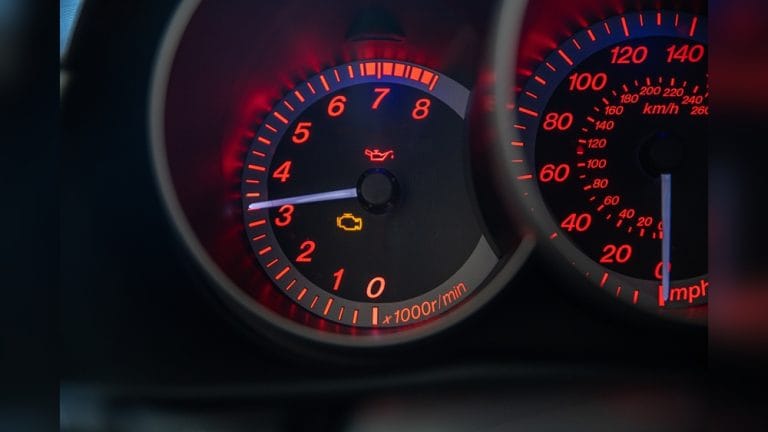
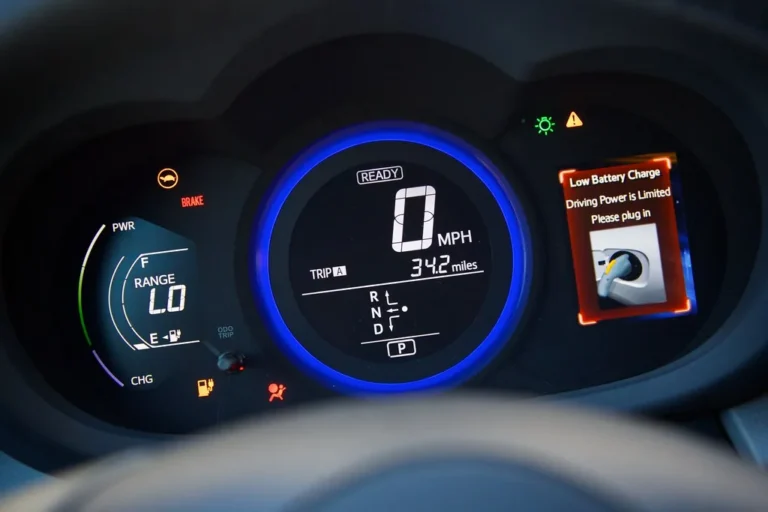
Often, a bad TCM triggers the “Check Engine” or a transmission warning light on your dashboard.
Poor Fuel Economy
If gear changes are not timed correctly, the engine works harder and uses more fuel.
Diagnostic Trouble Codes
Modern TCMs can report error codes. These help mechanics find out what’s wrong, but a faulty TCM might send false codes, leading to unnecessary repairs.

Credit: independenttransmission.com
Signs Of A Failing Transmission Controller
Recognizing the early signs of a bad TCM can save money and prevent breakdowns. Watch for these clues:
- Erratic shifting: Sudden gear changes or skipping gears.
- Delayed engagement: A pause when shifting from park to drive or reverse.
- Stuck in limp mode: Car stays in a single gear, won’t shift up or down.
- Dashboard warnings: “Check Engine” or transmission lights appear.
- Unusual noises: Clunking or whining sounds during shifts.
If you notice any of these, it’s wise to have your car checked by a qualified technician.
How Mechanics Diagnose Tcm Issues
Fixing a transmission controller problem starts with accurate diagnosis. Here’s how professionals usually approach it:
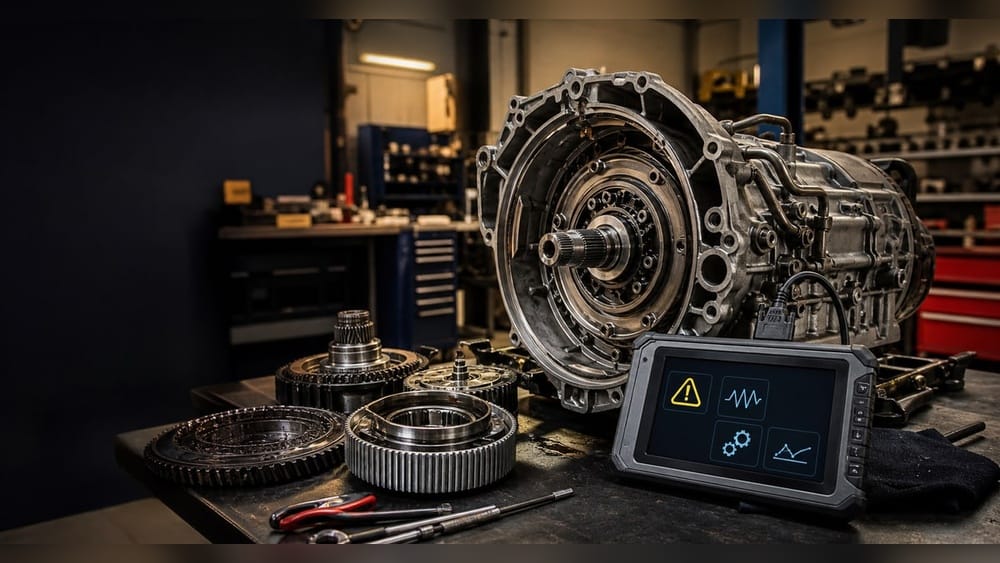
- Scan for Codes: Mechanics use a diagnostic tool to read error codes from the TCM.
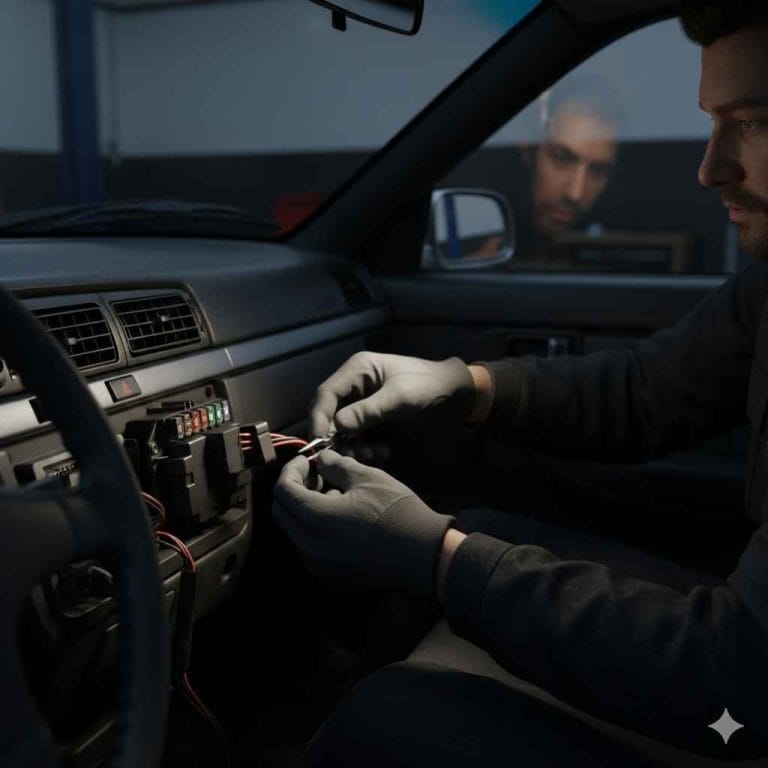
- Check Wiring and Sensors: Many TCM issues are due to faulty wiring or bad sensors, not the controller itself.
- Test Drive: A short drive helps confirm how the transmission behaves in real life.
- Inspect TCM: If other steps don’t reveal the issue, the TCM itself may be tested or replaced.
Here’s a quick look at common diagnostic steps:
| Step | Purpose | Time Needed | Requires Special Tools? |
|---|---|---|---|
| Scan codes | Find error codes | 10-15 min | Yes |
| Check wiring | Find electrical faults | 15-30 min | No |
| Test drive | Observe symptoms | 10-20 min | No |
| Inspect TCM | Direct TCM check | 30-60 min | Sometimes |
Repair And Replacement: What To Expect
If your transmission controller fails, you have two main options: repair or replacement. Here’s what to expect with each:
Repair
Some TCMs can be repaired, especially if the problem is a simple electrical fault or loose connection. Repairs are usually cheaper but may not fix deeper issues.
Replacement
If the TCM is badly damaged or outdated, replacement is often the best choice. New TCMs can be expensive, and they may need to be programmed to fit your specific car.
Typical Costs
Costs can vary widely depending on your car’s make and model.
- Repair: $200–$500, including labor.
- Replacement: $500–$2,000, depending on the car and programming needed.
Some luxury or imported cars can cost even more.
Transmission Controllers In Different Types Of Vehicles
Transmission controllers are not one-size-fits-all. Their role and complexity change with different vehicles:
Passenger Cars
Most modern cars use integrated TCMs that focus on comfort, efficiency, and adapting to the driver’s habits.
Trucks And Suvs
Larger vehicles may use standalone or programmable TCMs designed for towing, heavy loads, and rough terrain.
Commercial Vehicles
Buses, delivery trucks, and other commercial vehicles often have robust TCMs that can handle frequent stop-and-go driving and high mileage.
Electric And Hybrid Vehicles
These cars use special TCMs to manage both electric motors and traditional transmissions. Their controllers are often more advanced, handling both power sources and regenerative braking.
Table: Tcm Features By Vehicle Type
| Vehicle Type | TCM Focus | Special Features |
|---|---|---|
| Passenger Car | Smoothness, efficiency | Adaptive learning, eco modes |
| Truck/SUV | Towing, durability | Tow/haul modes, heavy-load management |
| Commercial | Reliability, high mileage | Frequent shift patterns, diagnostics |
| Hybrid/Electric | Power blending | Electric motor integration, regen braking |
The Future Of Transmission Controllers
As cars become smarter and more connected, transmission controllers are also evolving. Here’s what we can expect:
Integration With Advanced Driver Assistance Systems (adas)
Modern TCMs already talk to systems like adaptive cruise control and stability control. In the future, they will work even closer with these features, helping cars react instantly to road conditions or other vehicles.
Over-the-air Updates
Just like smartphones, some new cars can update their TCM software wirelessly. This means better performance, new features, or bug fixes without visiting a mechanic.
Artificial Intelligence And Machine Learning
Future TCMs may use AI to predict driving conditions, learn the driver’s style even more deeply, and optimize gear changes for each trip.
Electric Vehicle Revolution
Electric cars need new types of controllers. Many EVs don’t have traditional multi-gear transmissions, but advanced controllers are still needed to manage motor output and regenerative braking.
Non-obvious insight: Many drivers don’t realize that a well-tuned TCM can even improve resale value. Cars with smooth, trouble-free shifting are more attractive to buyers.
Transmission Controller Upgrades: When And Why
In some cases, upgrading your transmission controller can offer real benefits. This is especially true for:
- Performance enthusiasts: Upgraded TCMs can deliver faster, firmer shifts for racing or spirited driving.
- Towing and heavy loads: Trucks can gain better control and safety with programmable TCMs.
- Older vehicles: Newer TCMs may add features like adaptive learning or manual shift modes.
However, upgrading is not always simple. The new TCM must be compatible with your car’s transmission and sensors. Programming is often needed, and mistakes can lead to expensive problems.
Practical tip: Always consult a qualified specialist before upgrading a TCM. Not every car can accept an upgrade, and warranties may be affected.
Credit: cecas.clemson.edu
How Transmission Controllers Affect Fuel Economy
Most people know that driving style and tire pressure affect fuel economy. But the transmission controller plays a huge role as well.
Optimized Shift Points
By selecting the ideal gear at each moment, the TCM ensures the engine runs efficiently. For example, it may shift into higher gears sooner on flat roads but hold lower gears on hills.
Lock-up Control
The TCM manages when the torque converter locks up, reducing energy loss and saving gas.
Adaptive Strategies
Advanced TCMs learn how you drive. If you accelerate gently, the TCM adapts to shift earlier for better economy.
Non-obvious insight: Even a small software glitch in the TCM can cause a 5–10% drop in fuel efficiency over time. Regular updates and diagnostics are worth the effort.
For more technical details on how automatic transmissions work with their controllers, see the Wikipedia entry on automatic transmissions.
The Role Of Transmission Controllers In Safety
Beyond comfort and efficiency, TCMs also protect you in unexpected ways:
- Preventing unsafe shifts: The TCM blocks shifts that could damage the car or cause loss of control.
- Slip detection: If the wheels slip (like on ice), the TCM can adjust shifting to help regain control.
- Collaboration with other systems: In emergencies, the TCM works with braking and stability systems to keep the car safe.
Some advanced TCMs can even detect transmission overheating and reduce power to prevent failure.
Frequently Asked Questions
What Happens If My Transmission Controller Fails?
If your TCM fails, your car may not shift gears correctly, could be stuck in one gear, or enter “limp mode. ” Driving in this state is not safe or efficient, and you should visit a mechanic as soon as possible.
Can I Drive With A Bad Transmission Controller?
It’s possible, but not recommended. A bad TCM can cause poor shifting, low power, or even transmission damage. Continued driving can make repairs more expensive.
How Do I Know If My Tcm Needs Programming After Replacement?
Most Modern Cars Require Tcm Programming Or “flashing”
Products related to this article
Sponsored / affiliate links. As an Amazon Associate I earn from qualifying purchases. I may earn additional commission from eligible campaigns.