How to Control Transmission Performance Like a Pro Tuner
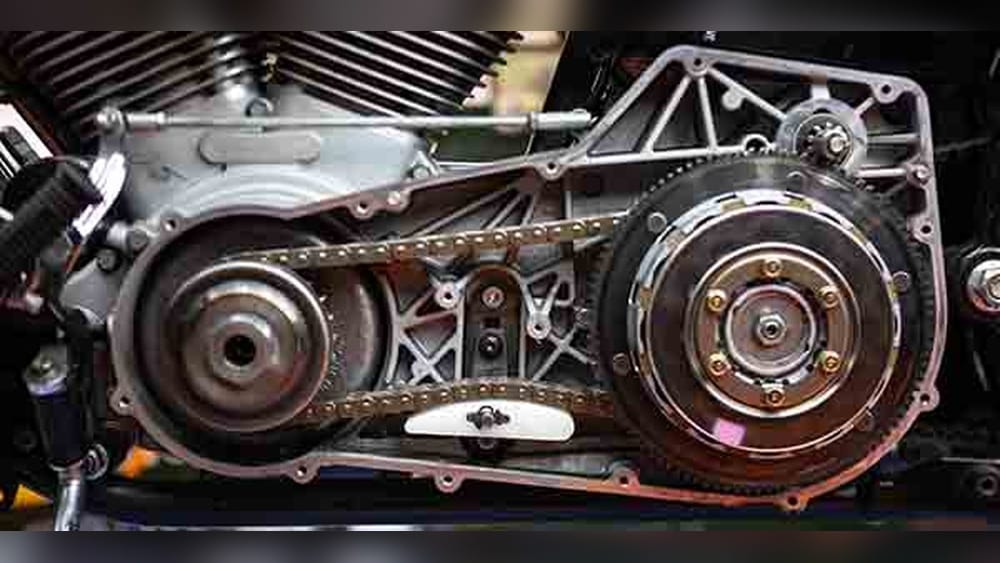
When you drive a car that shifts gears smoothly and responds quickly, it feels like magic. But behind that feeling is the hidden work of the transmission—a complex part of your vehicle that controls how power moves from the engine to the wheels. For most drivers, the transmission is a mystery. But for pro tuners, it’s a playground. If you want to control transmission performance like a pro tuner, you need to understand what happens inside, what you can change, and how those changes affect your driving. Whether you drive an automatic or manual, street car or track monster, learning to tune your transmission unlocks a new level of control and driving satisfaction.
This guide is designed to demystify transmission tuning. You’ll learn the basics, the tools required, the key adjustments you can make, and how to avoid the most common mistakes. With real-world examples, useful data, and pro tips, you’ll be ready to approach your transmission with confidence.
Understanding Transmission Fundamentals
Before jumping into tuning, it’s important to understand how transmissions work. At its core, a transmission takes the engine’s power and delivers it to the wheels in the right way. It uses gears to multiply torque at low speeds and maximize speed at high RPMs. There are two main types of transmissions:
- Manual transmissions: The driver selects gears using a clutch and gear lever.
- Automatic transmissions: Shifting is controlled by hydraulic systems, computers, or both.
Some modern vehicles use dual-clutch or continuously variable transmissions (CVT), each with unique tuning possibilities.
Why Transmission Tuning Matters
Most vehicles are tuned at the factory for comfort, fuel efficiency, and reliability. This means there’s often room for improvement in shift speed, firmness, or timing. Optimizing these can:
- Make your car faster and more responsive
- Improve track or drag strip performance
- Increase reliability under heavy use
- Enhance fuel economy in some cases
But tuning isn’t just about making everything firmer or faster. It’s about balance. Push too far, and you might shorten the life of your transmission or make your car hard to drive.
Key Transmission Terms
Understanding a few key terms will help you read tuning guides and communicate with other enthusiasts:
- Shift points: The RPMs at which the transmission shifts to the next gear.
- Shift firmness: How hard or soft the gear change feels.
- Line pressure: The hydraulic pressure in an automatic transmission; affects shift firmness and holding power.
- Torque converter: In automatics, this connects the engine to the transmission and affects how power is delivered.
- Gear ratios: The relationship between engine speed and wheel speed for each gear.
Essential Tools And Software For Transmission Tuning
To tune a transmission like a pro, you’ll need some specialized equipment. The right tools depend on your vehicle and goals, but here are the basics:
- Scan tool or code reader: For reading and clearing trouble codes.
- Transmission tuning software: Popular options include HP Tuners, SCT, and EFILive for US vehicles, and EcuTek or Cobb for imports.
- Laptop or tablet: Used to run the software and connect to your car’s OBD-II port.
- Wideband O2 sensor (optional): Helps monitor air-fuel ratios if you’re tuning for performance.
- Data logging tools: Lets you record and analyze how your transmission behaves in real time.
For some older or purely mechanical transmissions, you may only need hand tools and a set of shims or springs. But most modern cars require a computer-based approach.
Choosing The Right Software
Different cars require different software, so check what’s compatible with your vehicle. Some platforms are more user-friendly, while others offer deeper access to settings. For example:
| Software | Supported Vehicles | Main Features |
|---|---|---|
| HP Tuners | GM, Ford, Dodge, others | Advanced control, data logging |
| EFILive | GM, Cummins (Diesel) | Custom mapping, real-time tuning |
| Cobb Accessport | Subaru, Ford, Mazda, Nissan | User-friendly, good support |
If you’re just starting, choose a platform with good community support and documentation.
Key Parameters Pro Tuners Adjust
Once you have the right tools, you can start adjusting the key parameters that control how your transmission works. Let’s look at the most important ones.
Shift Points
Shift points decide when the transmission changes gears. By adjusting these, you can:
- Keep the engine in its power band for better acceleration
- Improve fuel economy by shifting earlier under light throttle
- Avoid gear hunting (rapid up and down shifting)
For example, in a performance car, you may want to raise shift points so the engine revs higher before shifting. In a daily driver, you might lower them for smoother cruising.
Shift Firmness
Shift firmness controls how soft or hard the gear change feels. Firmer shifts are faster and reduce clutch slip, which helps with performance and reliability. But too firm can feel harsh and cause extra wear.
- Increase firmness for drag racing or spirited driving
- Soften shifts for comfort and daily use
Some vehicles allow fine control over this, even adjusting firmness based on throttle input.
Line Pressure
Line pressure is the force that pushes transmission fluid through the system. More pressure means firmer, quicker shifts and less slip, which is good for high-power engines. However, too much pressure can damage seals and components.
A smart tuner finds the sweet spot: just enough pressure for strong shifts without risking failure.
Torque Converter Lockup
The torque converter in an automatic transmission can “lock up” at certain speeds, connecting the engine directly to the wheels. Adjusting lockup points can:
- Improve fuel economy
- Reduce heat build-up
- Change the feel of acceleration
Performance tuners often delay lockup to keep the engine in its power band longer. For daily drivers, locking up earlier can save gas.
Gear Ratios (advanced)
Changing gear ratios means physically swapping gears or changing the differential. This is a more advanced and expensive modification, but it can transform your vehicle’s performance:
- Shorter gears = quicker acceleration, higher RPM at cruising
- Taller gears = slower acceleration, lower RPM, better economy
Most tuners start with electronic adjustments before considering gear swaps.
Step-by-step: Tuning An Automatic Transmission
Let’s walk through a simplified process for tuning an automatic transmission using software. Each car is different, but the steps below provide a general roadmap.
- Read and Save the Stock Tune
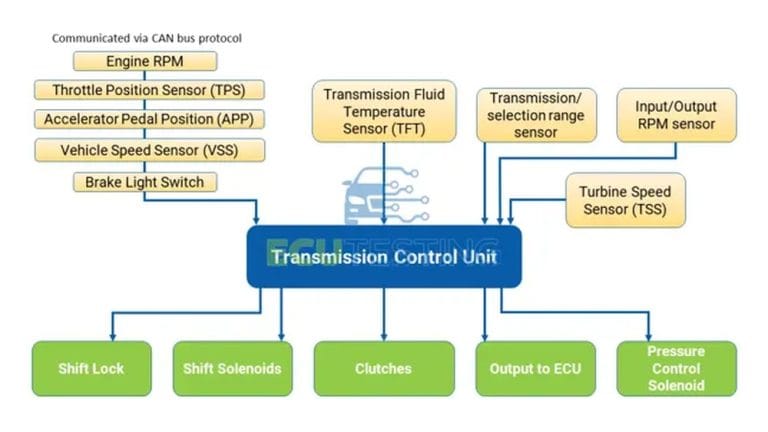
- Always back up your original transmission control unit (TCU) file before making changes.
- Review Data Logs
- Take your car for a test drive and log transmission behavior: Shift points, RPM, throttle position, and temperatures.
- Identify Problem Areas
- Look for slow or sloppy shifts, unwanted gear hunting, or shifts at the wrong RPM.
- Adjust Shift Points
- In your tuning software, raise or lower the shift RPMs as needed. Make small changes (100–200 RPM at a time).
- Tune Shift Firmness
- Increase or decrease shift pressure in the software. Test after each adjustment.
- Modify Line Pressure
- If available, adjust base and max line pressure. More is not always better—watch for warning signs like harsh banging shifts.
- Set Torque Converter Lockup
- Change lockup speeds for each gear as needed. Earlier for economy, later for performance.
- Test and Repeat
- Drive the car and log new data. Adjust further if needed. Always check for warning lights or error codes.
- Monitor Transmission Temperatures
- High temps mean something is wrong—back off your settings if you see overheating.
Real-world Example
A 2017 Camaro SS owner wants faster shifts for track days but still drives daily. They use HP Tuners to:
- Raise shift points by 300 RPM in Sport mode
- Increase shift firmness by 10% above 50% throttle
- Delay torque converter lockup in gears 2–4
- Test and verify with data logs
Result: 0.3-second faster 0–60 mph time and a more engaging drive, with no check engine lights or drivability issues.
Tuning Manual Transmissions
Manual transmissions offer less to adjust electronically, but there are still ways to improve performance and feel.
Key Upgrades
- Short-Throw Shifters
- Reduces the distance needed to shift gears; gives a faster, more direct feel.
- Upgraded Clutch
- Handles more power and reduces slip; essential for turbo or supercharged engines.
- Lightweight Flywheel
- Allows the engine to rev faster, improving throttle response.
- Shift Linkage Bushings
- Replacing soft rubber bushings with firmer materials can remove slop from the shifter.
Clutch Adjustment
Some manuals allow you to adjust clutch engagement points. This can:
- Make launches smoother
- Prevent premature clutch wear
But over-adjusting can cause the clutch to slip or not disengage fully.
Synchromesh And Gear Oil
Changing to a better gear oil or adding a friction modifier can improve shift feel and protect gears under hard use. Some high-performance oils reduce wear at high temperatures—an often missed detail by beginners.
Automatic Vs Manual: What’s Easier To Tune?
Both have their challenges. Automatics offer more electronic control, while manuals rely more on physical upgrades. Here’s a quick comparison:
| Transmission Type | Electronic Tuning | Mechanical Upgrades | Complexity |
|---|---|---|---|
| Automatic | Extensive | Moderate | High (software, sensors) |
| Manual | Minimal | High (clutch, shifter) | Medium (mostly bolt-ons) |
For most beginners, starting with electronic tuning on an automatic (with community support) is often easier than swapping hardware in a manual.

Credit: www.youtube.com
Common Mistakes And How To Avoid Them
Even experienced tuners can make costly mistakes. Here are some of the most common—and how to avoid them.
1. Not Saving The Stock Tune
Always save your factory settings before making changes. If you make a mistake or something goes wrong, you need a way back.
2. Making Big Changes All At Once
Start small. Large changes to shift points or line pressure can cause drivability issues or mechanical damage. Adjust in small steps and test each one.
3. Ignoring Transmission Temperatures
Pushing your transmission harder will often raise its temperature. If you don’t monitor temps, you risk overheating and failure.
4. Overlooking Supporting Mods
A tuned transmission is only as strong as its weakest part. Upgrading the engine without improving the transmission can cause failures. Consider a cooler, stronger clutches, or better fluid for high-power builds.
5. Not Reading The Manual
Every tuning software and transmission is different. Read the documentation carefully. Forums and videos can help, but always double-check with official sources.
Two Non-obvious Insights
- Valve Body Upgrades: Many automatics benefit from an upgraded valve body, which controls fluid flow and can improve shift speed and reliability beyond what software can do alone.
- Adaptive Learning Reset: Some modern transmissions “learn” your driving style. After tuning, reset the adaptive learning feature to force the transmission to use your new settings, avoiding slow or unpredictable shifts.
Advanced Tuning: Drag Racing And Track Cars
Pro tuners go beyond basic adjustments for competition. Here’s what they focus on:
Transmission Brakes And Launch Control
Drag racers often add a transbrake—a device that locks the transmission, allowing the engine to rev up before launching. Launch control systems manage throttle and shifting for perfect starts.
Gearset And Clutch Packs
For high-power builds, replace factory gears and clutches with stronger aftermarket parts. This prevents breakage and allows more aggressive tuning.
Data-driven Adjustments
Top teams use data loggers to record every shift, RPM, and temperature. Analyzing this data reveals small issues before they become big problems. For example, a sudden rise in shift time could warn of a failing solenoid or worn clutch.
Cooling Systems
High-performance transmissions generate a lot of heat. Adding a transmission cooler and monitoring fluid temps is essential for reliability. A drop of just 20°F can double transmission life.

Credit: official.bankspower.com
How Transmission Tuning Impacts Reliability
Tuning can make your car faster, but it also affects reliability. Here’s how to stay safe:
- Never exceed recommended line pressures
- Upgrade clutches and cooling for high-power applications
- Use high-quality transmission fluid and change it regularly
- Monitor for warning signs: Slipping, delayed shifts, overheating
Remember, the most reliable setups are usually those that balance performance with safety. If you daily drive your car, prioritize smoothness and longevity over maximum speed.
Real-world Case Study: Daily Driver Vs Track Car
Let’s compare two popular approaches using a 2018 Ford Mustang GT as an example:
| Setup | Shift Points | Firmness | Lockup | Reliability Mods |
|---|---|---|---|---|
| Daily Driver | +200 RPM over stock | Soft below 50% throttle, firm above | Early in top gear | Upgraded fluid, small cooler |
| Track Car | +500 RPM over stock | Firm across all gears | Late in all gears | Big cooler, upgraded clutches |
The daily driver setup keeps things comfortable and reliable, while the track setup sacrifices comfort for speed and durability.
Staying Legal And Safe
Some transmission modifications may not be legal on public roads, especially changes that affect emissions or safety. Always check local laws and regulations before making major changes
Products related to this article
Sponsored / affiliate links. As an Amazon Associate I earn from qualifying purchases. I may earn additional commission from eligible campaigns.