Heat Pedal to the Metal Tips and Tricks for Ultimate Performance
Heat Pedal To The Metal Tips And Tricks
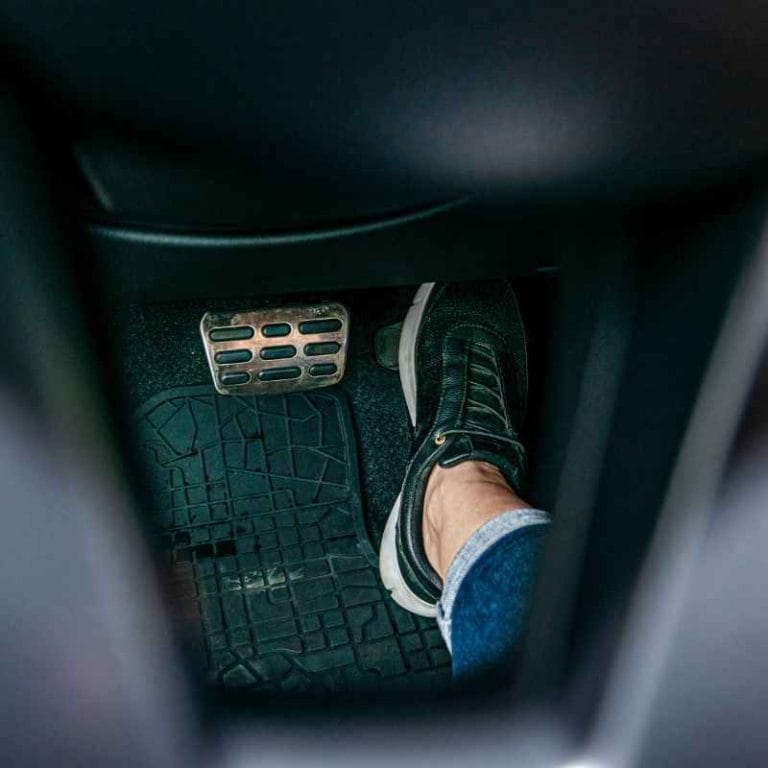
When you hear “pedal to the metal,” you probably imagine pushing the accelerator all the way down, driving fast, and feeling the thrill. But in reality, this phrase means much more than just speed. It’s about maximizing performance, whether you’re behind the wheel, in motorsports, or even working with machines that require heat and power.
Learning how to safely and effectively push things to their limit is a skill, and it takes knowledge, practice, and the right attitude.
This article dives deep into heat pedal to the metal tips and tricks—not just for cars, but for anyone interested in performance, power, and safety. You’ll find practical advice, clever techniques, and insights that even experienced drivers and machine operators sometimes miss. Whether you’re a beginner or looking to improve your skills, you’ll walk away with knowledge that helps you push harder and smarter.
Understanding Pedal To The Metal
The phrase “pedal to the metal” is often used in car culture, but it applies to any situation where you need maximum effort or output. In cars, it means pressing the gas pedal all the way down. In other machines, it’s similar—running at full capacity. But before you try it, you need to understand:

Sleeve Kings
Heat: Pedal to the Metal Compatible Card…
- Sleeve Kings are 60 micron sleeves which are ideal for games where you have a lot of cards. Thicker card sleeves are nice but gett…
- Extra Value At Low Cost, 330 Sleeves are more than enough to sleeve the entire Heat: Pedal to the Metal game
As an Amazon Associate I earn from qualifying purchases.
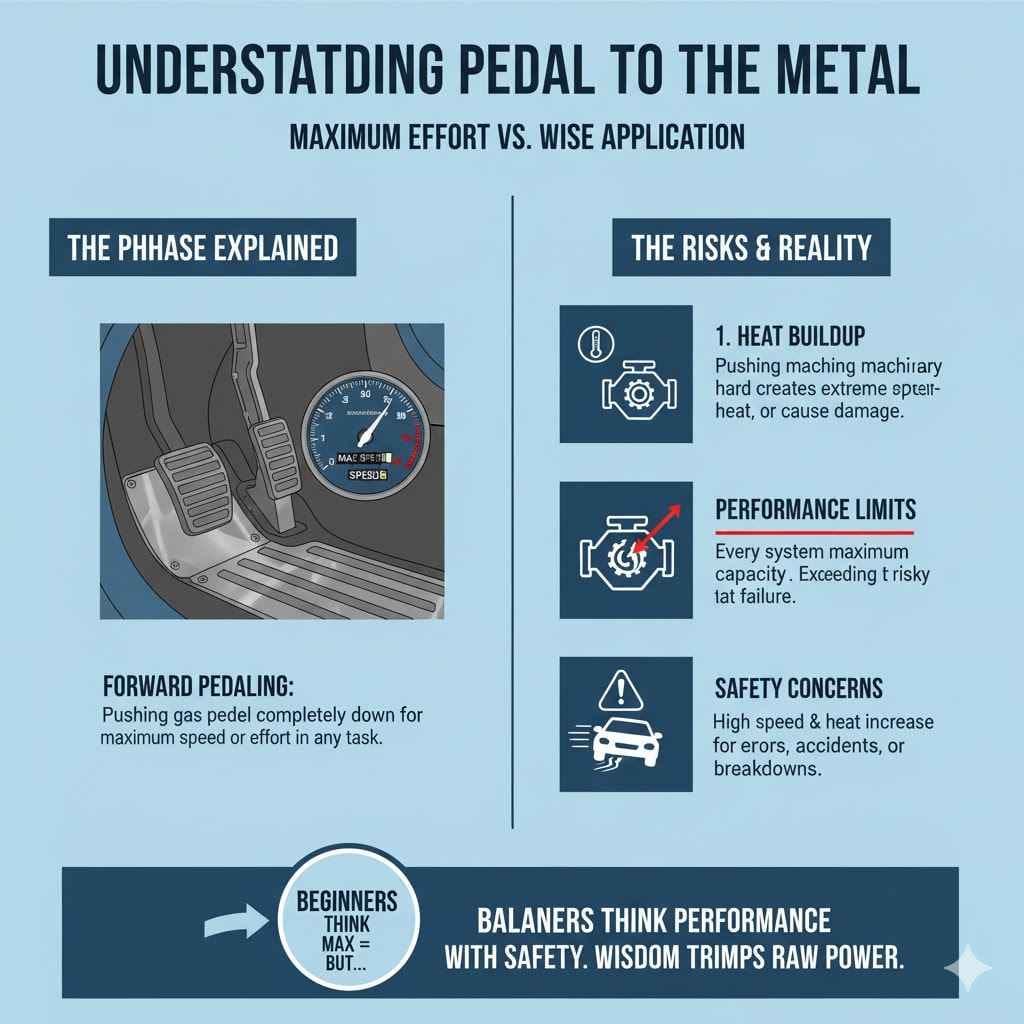
- Heat buildup: Pushing machinery hard creates heat. Too much heat can cause damage.
- Performance limits: Every system has a limit. Going past it can be risky.
- Safety concerns: Speed and heat increase the chance of mistakes or accidents.
Many beginners think pushing to the max always gives the best result, but that’s not true. There’s a balance between performance and safety. Knowing how and when to use “pedal to the metal” makes all the difference.
Essential Heat Pedal To The Metal Tips
Here are the most important tips for anyone wanting to push their machine to its limits safely and effectively.
1. Know Your Machine’s Limitations
Every car or machine has a maximum safe operating temperature and speed. Check the manual or manufacturer’s website for specs. For example, many modern cars have a redline on the tachometer—never go beyond this. Ignoring these limits can lead to engine damage, brake failure, or worse.
2. Warm Up Before Going Full Throttle
Cold engines and systems are more fragile. Always let your machine warm up to operating temperature before pushing hard. For cars, this means idling for a few minutes and avoiding high RPMs until the temperature gauge shows normal. This helps oil circulate and parts expand properly, reducing wear.
3. Watch Temperature Gauges Closely
Heat is the enemy of performance. When you drive hard, monitor your engine temperature, transmission temperature, and if possible, brake temperature. If any gauge goes into the red zone, back off immediately. Many cars and machines now have digital displays for this purpose.
4. Use High-quality Fluids
Cheap oil, coolant, and brake fluid break down faster under heat. Always use fluids recommended by your manufacturer, and consider synthetic options for even better performance. This helps protect your engine and other parts when you push to the limit.
5. Plan Your Route Or Task
If you want to drive fast or work a machine hard, plan ahead. Know the road conditions, traffic, and weather. For example, avoid pushing your car on wet or icy roads. In factories, make sure the area is clear and you have enough cooling.
6. Gradually Build Up Speed And Heat
Don’t go from zero to maximum instantly. Increase throttle or power slowly. This reduces shock to the system and lets fluids warm up. In racing, drivers often do a few slow laps before pushing hard. This method also helps you spot problems before they get serious.
7. Use Correct Gear And Rpm
For manual transmission cars or machines, choose the right gear. Too low a gear at high speed overheats the engine. Too high a gear causes sluggishness. Stay in the power band—the RPM range where your engine works best.
8. Take Breaks To Let Things Cool Down
When you run at full power for a while, stop and let your machine cool off. For cars, turn off the engine but leave the cooling fans running if possible. In factories, pause production for a few minutes. Heat damage is often invisible at first, but it adds up over time.
9. Check Tire And Brake Condition
In cars, tires and brakes take the most stress when you drive hard. Before you push, check tread depth, pressure, and brake pad thickness. Worn tires or brakes can fail under heat. For machines, check moving parts for wear.
10. Upgrade Cooling Systems If Needed
If you often push your machine to the limit, consider upgrades. For cars, this might mean a bigger radiator, oil cooler, or high-performance brake pads. In factories, add extra fans or cooling systems. This investment pays off by preventing breakdowns.
11. Practice Emergency Procedures
Know what to do if something overheats or fails. For cars, learn how to safely pull over, shut off the engine, and avoid opening the radiator cap when hot. In factories, know how to shut down machines quickly and safely.
12. Use Data And Telemetry
Modern vehicles and machines often have sensors and data logging. Use this information to track heat, RPM, and wear. Review data after each session to spot trends and problems. This is how professionals improve performance and safety.
13. Avoid Overloading
Don’t carry more weight than your machine is rated for. Extra weight makes everything hotter and harder. For cars, check the maximum load on the door sticker. For machines, check the manual.
14. Use The Right Fuel
High-performance cars often need premium fuel. Using low-octane gas can cause knocking and extra heat. For machines, use the fuel type recommended by the manufacturer. Using the wrong fuel is a common beginner mistake.
15. Listen For Unusual Noises
When you go “pedal to the metal,” pay attention to sounds. Knocking, ticking, or screeching means trouble. Stop and investigate before problems get worse. Many beginners ignore noises, leading to expensive repairs.
16. Keep Spare Parts And Tools Ready
If you often push your machine hard, carry spare fluids, belts, and tools. For cars, a basic toolkit and extra coolant can save the day. In factories, keep extra parts for quick repairs.
17. Use Proper Safety Gear
When you push hard, safety gear is essential. For cars, always wear a seatbelt and consider a helmet for track days. For machines, use gloves, goggles, and ear protection. Never skip safety gear—accidents happen fast.
18. Know When To Stop
It’s tempting to keep pushing, but knowing your limits is a skill. If you feel tired or notice performance dropping, stop and check everything. Many accidents happen when people ignore warning signs.
19. Regular Maintenance
Machines that get pushed hard need more frequent maintenance. Change oil, fluids, and filters sooner than the manual suggests. Inspect parts after every heavy session. This prevents breakdowns and extends machine life.
20. Learn From Experts
Watch videos, read manuals, and join forums. Professionals share their tips and tricks, and you can learn from their mistakes. For example, race car drivers often recommend cooling down after each session to protect the engine.
Advanced Tricks For Pedal To The Metal Performance
Once you master the basics, you can use advanced techniques to get even more from your machine.
Optimizing Airflow And Cooling
Increasing airflow keeps temperatures lower. For cars, removing blockages from air intakes and using performance air filters helps. In factories, make sure vents are clear and fans are working. Here’s a quick comparison of cooling upgrades:
| Upgrade | Impact | Cost |
|---|---|---|
| Bigger Radiator | Reduces engine heat | Medium |
| Oil Cooler | Protects engine parts | Medium-High |
| High-Performance Brake Pads | Withstands heat | Medium |
| Extra Fans | Improves cooling | Low |
Using Performance Tires
Not all tires are equal. Performance tires grip better and handle heat well, but wear faster. Choose tires designed for speed if you drive hard often. Here’s a comparison:
| Tire Type | Grip | Heat Resistance | Lifespan |
|---|---|---|---|
| Standard | Medium | Low | Long |
| Performance | High | High | Short |
| All-Season | Medium | Medium | Medium |
Advanced Driving Techniques
Professional drivers use special techniques:
- Heel-toe shifting: Allows smooth gear changes at high speed.
- Trail braking: Keeps brakes on longer for better cornering.
- Throttle modulation: Adjusts power smoothly to avoid wheel spin.
Learning these takes time, but they make a big difference.
Upgrading Brakes
When you push hard, brakes get hot. Upgrading to vented rotors or ceramic pads helps. Here’s a quick look at brake upgrades:
| Brake Upgrade | Heat Resistance | Stopping Power | Price |
|---|---|---|---|
| Standard | Low | Medium | Low |
| Vented Rotors | High | High | Medium |
| Ceramic Pads | Very High | Very High | High |
Monitoring Data With Apps
Many modern cars and machines connect to apps. You can track temperature, RPM, and performance in real time. Use this data to spot problems early. For example, apps like Torque or Car Scanner can read engine codes and show live data.
Common Mistakes And How To Avoid Them
Many beginners make mistakes when they go “pedal to the metal.” Here are some you should avoid:
Ignoring Heat Buildup
It’s easy to forget about heat when you’re focused on speed. Always check temperatures and take breaks if needed. Heat damage is often invisible until it’s too late.
Using Cheap Parts
Saving money on fluids, tires, or brakes seems smart, but cheap parts fail under stress. Always use quality parts, especially for critical systems.
Not Checking Conditions
Trying to push hard on a wet, icy, or dirty surface is dangerous. Always check conditions before you go full throttle.
Overconfidence
Many beginners get excited and push too hard, too soon. Build up your skills slowly and respect your machine’s limits.
Skipping Maintenance
Machines that run at full power need more care. Skipping oil changes or inspections leads to breakdowns and expensive repairs.
Forgetting Safety
Never skip safety gear or ignore rules. Accidents happen fast when you push limits.
Real-world Examples And Data
Let’s look at some real-world data to understand the risks and rewards of “pedal to the metal. ”
Racing Statistics
In professional motorsport, heat and speed are closely monitored. For example, Formula 1 engines reach temperatures over 120°C (248°F). Teams use advanced cooling systems and change fluids after every race. Even small mistakes can cause engine failure.
Factory Machines
In factories, machines running at full power often reach 70°C (158°F) or higher. Regular maintenance and cooling upgrades are standard. Data shows machines with improved cooling last 30% longer.
Everyday Cars
Most cars are designed for normal driving, not constant full throttle. Owners who often push to the limit report more frequent repairs, especially for brakes and tires.
Two Non-obvious Insights Beginners Miss
- Heat builds up faster than you expect. Even a few minutes at full throttle can double engine temperature. Always watch gauges and take breaks.
- Performance drops as things get hotter. Your car or machine may feel strong at first, but power drops when temperatures rise. This is called “heat soak.” Cooling down restores performance.
Practical Advisor’s Perspective: Confident Guidance
If you’re serious about maximizing performance, remember these points:
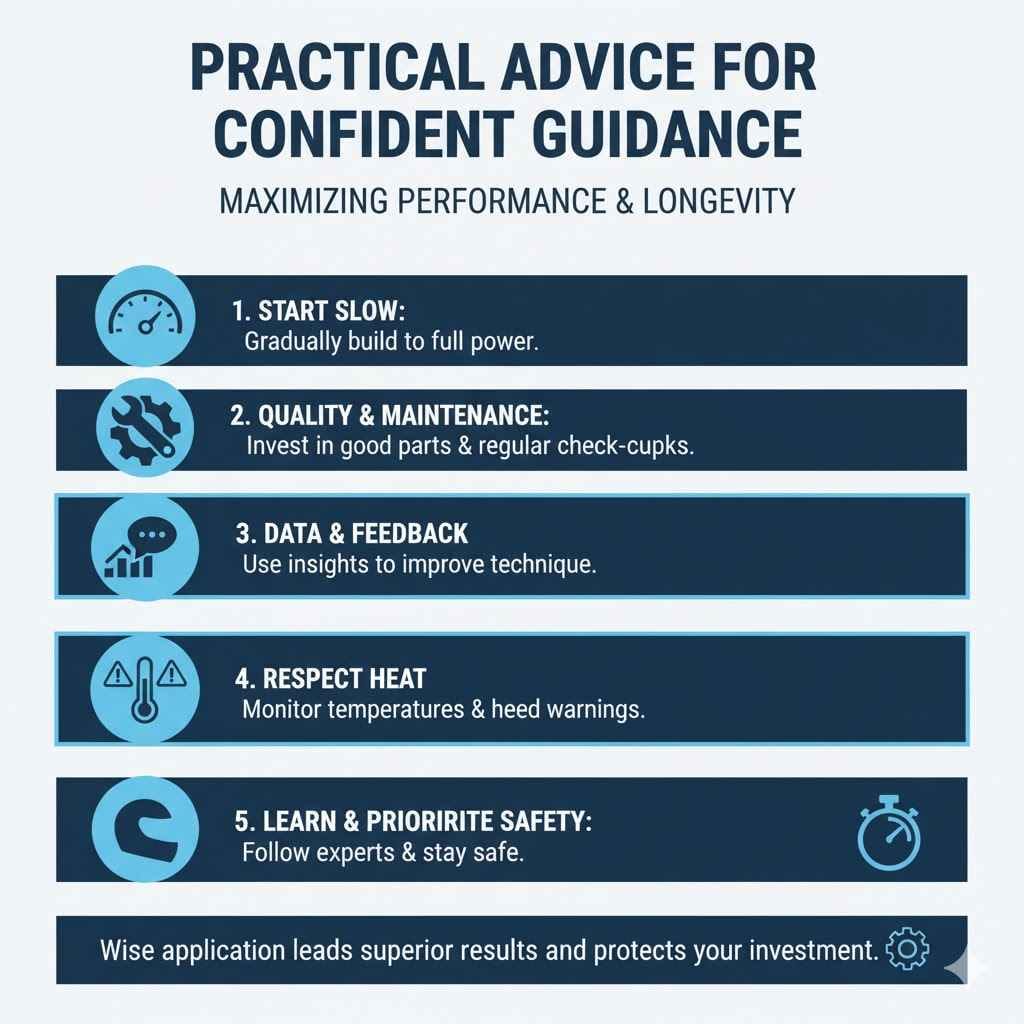
- Always start slow and work up to full power.
- Invest in quality parts and regular maintenance.
- Use data and feedback to improve your technique.
- Respect heat and don’t ignore warning signs.
- Learn from professionals and keep safety first.
These steps help you get more from your machine while protecting it from damage.
Frequently Asked Questions
What Does “pedal To The Metal” Mean In Car Culture?
Pedal to the metal means pressing the accelerator all the way down for maximum speed. It’s about pushing the car to its limit, but it also means managing heat, safety, and performance.
Is It Safe To Drive With “pedal To The Metal”?
It can be safe if you follow tips like warming up the engine, checking conditions, and using proper gear. However, it’s riskier than normal driving and increases wear and tear.
What Happens If You Ignore Heat Buildup?
Ignoring heat can cause engine damage, brake failure, or even fire. Always monitor temperature gauges and take breaks when needed.
How Can I Improve Cooling In My Car?
Upgrade to a bigger radiator, add oil coolers, and use high-performance brake pads. Keep air intakes and vents clear. Regular maintenance is essential.
Where Can I Learn More Advanced Driving Techniques?
You can find tips from professional drivers, online forums, and videos. For reliable information, visit Wikipedia’s Driving Techniques page.
Pushing your machine to the limit is exciting and rewarding, but it takes skill, knowledge, and respect for heat and safety. Use these tips and tricks to go “pedal to the metal” smarter, not harder. Remember, performance is about balance—between power, heat, and safety.
With the right approach, you’ll get the most out of your machine and enjoy the thrill for years to come. See also what is the difference between pedal types full guide.
Related pick: Check today's price on Amazon
Products related to this article
Sponsored / affiliate links. As an Amazon Associate I earn from qualifying purchases. I may earn additional commission from eligible campaigns.
 BOSCH BC905 QuietCast Premium Ceramic Disc Brake Pad Set - Rear | Compatible with Select Infiniti; Nissan 350Z, 370Z, Altima, Juke, Maxima, Murano, Pathfinder, Quest, Rogue, Sentra + More
 BOSCH BSD1414 Severe Duty Disc Brake Pad Set - Front | Compatible with Select Ford Expedition, F-150; Lincoln Navigator