What Are The Benefits Of Clip In Pedals? Worth Switching?
The primary benefits of clip-in pedals include increased pedaling efficiency, better power transfer to the bike, improved bike handling and control, reduced foot fatigue, and a more comfortable and stable riding position. For many, they are worth switching to for enhanced performance and a more connected cycling experience.
What Are Clip-In Pedals?
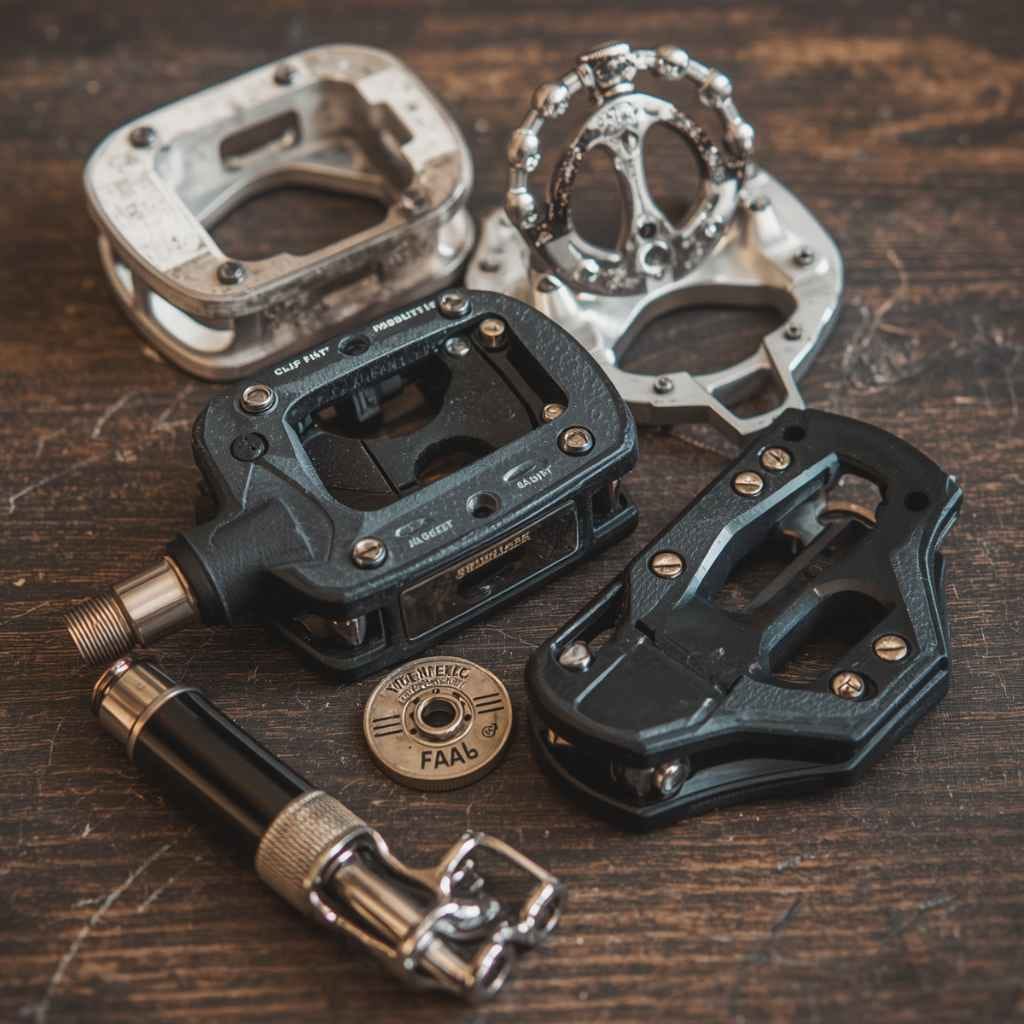
Clip-in pedals, also known as clipless pedals, have a special mechanism. This mechanism locks your cycling shoes onto the pedal. It’s a bit of a confusing name because it’s the opposite of old toe clips.

ONIPAX
ONIPAX Bike Pedal Straps Adjustable 3 Layer…
- Heavy-Duty Triple-Layer Nylon: Engineered with a reinforced three-layer structure that resists tearing, stretching, and daily wear…
- Universal Adjustable Fit: Customizable hook-and-loop strap system easily accommodates various shoe sizes while keeping your feet s…
- Multi-Scenario Performance: Perfect for Fixed Gear, Road, Mountain, and BMX bikes, ensuring optimal power transfer and efficient p…
As an Amazon Associate I earn from qualifying purchases.
Old toe clips had straps. You put your foot in and tightened a strap. Clipless pedals use a cleat.
This cleat is attached to the bottom of your cycling shoe. The pedal has a binding that grabs onto this cleat. It holds your foot firmly in place.
Think of it like ski boots and bindings. Your boot clicks into the binding. Your foot is held securely.
Clipless pedals work in a similar way. When you want to get out, there’s a release mechanism. You usually twist your heel.
This disengages the cleat from the pedal. It’s a simple twist action. But it takes a little practice to get used to.
There are different types of clipless systems. The most common for road cycling are SPD-SL, Look KEO, and Speedplay. For mountain biking and gravel riding, SPD (Shimano Pedaling Dynamics) is very popular.
Each system has its own cleat design and pedal mechanism. Some cleats allow for more foot float. Float is the amount your foot can move side-to-side while still clipped in.
More float can be better for some people’s knees.
These systems are designed to be lightweight and strong. They help riders put more power into every pedal stroke. They also make your pedaling motion smoother.
Instead of just pushing down, you can also pull up. This double-sided action makes your pedaling more circular. It uses more muscles and makes you more efficient.
My First Time Clipping In
I remember my first time trying clipless pedals. It was a bright, sunny Saturday morning. I had just bought a new road bike.
The shop owner recommended the switch. He gave me a pair of shoes and pedals. I felt excited but also very nervous.
I put on the new shoes. They felt stiff and strange. Then I tried to clip into the pedals.
Click! My foot was in.
It felt secure. A little too secure. I started to pedal.
It was different. I could feel the pedal under my whole foot. I tried to pull up.
Wow! It actually worked. I felt a surge of power.
Then I had to stop. This is where the panic set in. I tried to unclip.
I twisted my heel. Nothing happened. I twisted harder.
Still nothing. I was starting to wobble.
I remember a sudden fear. What if I fall? This is what everyone talks about.
The dreaded bike fall. I was near a park. Luckily, there was soft grass.
I leaned over and just let the bike go. I hit the grass. My pride was a little bruised, but I was okay.
It took me a few more tries and some practice in my driveway to get the hang of unclipping. It’s a vital skill that you MUST learn before you ride anywhere else.
The Benefits: Why Switch?
The main reason cyclists switch to clip-in pedals is performance. They offer several advantages that can make your rides better. These benefits help both casual riders and serious athletes.
Increased Pedaling Efficiency and Power Transfer
This is the big one. When you’re using regular flat pedals, your foot can easily slip. You mainly push down.
With clip-in pedals, your foot is fixed to the pedal. This means every bit of force you apply goes directly to the drivetrain. There’s no wasted energy.
You can push down, pull up, and all around. This makes your pedaling stroke much more efficient. You get more power with every turn of the pedals.
This means you can go faster or go the same speed with less effort. It feels like you have a direct connection from your legs to the wheels.
Imagine pushing a swing. If you only push at the bottom, it doesn’t swing very high. But if you push and pull at the right times, it goes much higher.
Pedaling is similar. By pulling up on the backstroke, you add more force to the cycle. This makes your pedaling smoother and more powerful.
This boost in efficiency can be felt on climbs, flats, and descents. You might find yourself keeping pace with faster riders more easily. Or you might just enjoy your usual routes with less strain.
The direct connection also helps with sustained effort. When you’re on a long ride, every bit of efficiency counts. Clipping in ensures that your power output stays consistent.
You’re not fighting to keep your feet on the pedals. You’re just riding. This consistency can be a huge advantage for endurance.
It helps prevent fatigue over long distances.
Improved Bike Handling and Control
When your feet are securely attached to the pedals, you have better control of the bike. This is especially noticeable when you’re riding over rough terrain or cornering at speed. Your feet won’t bounce off the pedals.
They stay put. This means you can react more quickly to changes in the road or trail. You feel more stable, even when the bike is moving around under you.
This enhanced connection helps you maneuver the bike with more precision.
Think about navigating a tricky downhill. You need to shift your weight. You need to make small adjustments.
With flat pedals, your feet might slip, throwing off your balance. With clip-ins, your feet act as an extension of the pedals. You can use your legs to brace yourself.
You can pull on the handlebars more effectively. This gives you a feeling of confidence. It allows you to ride with more flow.
You feel more “one” with the bike. This can be a huge confidence booster for riders looking to improve their technical skills.
In situations where you might need to make a sudden move, like swerving to avoid an obstacle, secure feet are essential. You can rely on your pedals to stay where they are. This lets you focus on steering and balance.
The bike feels more like an extension of your body. This makes riding feel more intuitive and natural. You can make quick decisions and execute them with more certainty.
Quick Scan: Why Clip In?
Better Power: Push and pull for more speed.
More Control: Feet stay put on rough roads.
Less Fatigue: Use more muscles better.
Stable Ride: Feel more connected to your bike.
Reduced Foot Fatigue and Increased Comfort
This might sound strange at first. Many people think being locked into a pedal would be uncomfortable. But the opposite is often true for longer rides.
When you use flat pedals, your feet have to work hard to stay in place. Your muscles are constantly tensing. Your feet can get tired and sore.
Your shoes might not fit perfectly. This can lead to hot spots or numbness. With clip-in pedals, your shoe is held in a stable position.
Your foot can relax. The pressure is distributed more evenly across the sole of your shoe. This can significantly reduce fatigue on long rides.
Cycling shoes are designed to be stiff. This stiffness helps transfer power. But it can also make your feet uncomfortable if they aren’t supported well.
Clipless systems, paired with cycling shoes, offer excellent support. The cleat sits in a specific spot, and your foot is held there. This consistent position reduces strain on your arches and ankles.
Many systems offer adjustable float. This means you can find the perfect angle for your foot. This customization helps prevent knee pain and general discomfort.
It makes longer distances much more enjoyable. You can focus on the scenery, not your aching feet.
The stability also means you don’t have to constantly adjust your foot position. On a long ride, this small effort adds up. Clipping in removes this need.
Your feet are set. This allows for a more relaxed and comfortable posture. It’s like having a perfectly fitted chair compared to a wobbly stool.
The clipless system offers that perfect fit for your feet on the bike.
Clip-In vs. Flat Pedals: Key Differences
Clip-In Pedals:
- Secure connection to shoe via cleat.
- Better power transfer (push & pull).
- Enhanced bike control.
- Reduced foot fatigue on long rides.
- Requires special cycling shoes.
Flat Pedals:
- Open platform for any shoe.
- Easier to dismount quickly.
- Foot can slip.
- Less efficient power transfer.
- Can cause foot fatigue.
A More Connected Riding Experience
For many riders, the feeling of being connected to their bike is a major draw. When you’re clipped in, you feel more like a part of the machine. Your feet don’t just rest on the pedals; they are actively engaged with them.
This connection creates a sense of unity. It makes the bike feel more responsive. Every subtle shift in your weight or pressure is translated directly.
This can lead to a more fluid and enjoyable ride.
It’s hard to describe this feeling until you experience it. It’s like the bike becomes an extension of your body. You don’t just steer it; you guide it.
You don’t just pedal it; you drive it. This unity can make challenging rides feel less daunting. It can make easy rides feel exhilarating.
The bike becomes more than just a vehicle; it becomes a partner. This deeper connection can transform your relationship with cycling.
This feeling of being “one” with the bike can also improve your mental focus. When you’re not worried about your feet slipping or your position, you can concentrate on the ride itself. You can enjoy the surroundings.
You can focus on your effort and rhythm. This mental clarity can make the whole experience more rewarding. It’s a feeling of mastery and control.
Real-World Scenarios: When Does It Matter Most?
The benefits of clip-in pedals become really apparent in certain situations. They aren’t just for professional racers. Everyday riders can gain a lot from them too.
Riding in Hills and Mountains
When you’re climbing, every watt of power counts. You need to be able to push hard. You also need to maintain a steady cadence.
Clip-in pedals allow you to use your leg muscles more effectively. You can pull up on the back of the pedal stroke. This helps you keep the pedals turning smoothly.
It reduces the strain on your legs. You can often climb faster and with less effort. It makes tough climbs feel more manageable.
This is a huge advantage for anyone who rides in hilly areas. You feel less like you’re just pushing against gravity. You feel like you’re actively driving the bike forward.
On the descent, control is key. When you’re going fast downhill, your feet need to stay planted. You need to be able to steer and balance precisely.
Clip-in pedals keep your feet firmly on the pedals. This gives you the confidence to take corners faster and more aggressively. You can use your body weight more effectively.
This makes for a safer and more thrilling descent. You feel less likely to lose control. This is especially true on winding roads or uneven surfaces.
The secure connection allows for more precise steering inputs.
Climbing with Clipless
Benefit: Efficient power on ascents.
How: Pulling up during the backstroke.
Result: Less leg strain, faster climbs.
Long-Distance Touring and Commuting
For long rides, comfort and efficiency are paramount. Clip-in pedals can make a big difference in reducing fatigue. Your feet are held in a stable position.
This prevents them from moving around. It distributes pressure evenly. This can prevent the common aches and pains associated with long hours in the saddle.
When you’re commuting, you want to arrive at your destination feeling fresh. Clip-ins help you achieve this. You can maintain a good pace without feeling drained.
You can focus on your journey, not your discomfort.
When you’re touring, you might be carrying extra weight. This adds to the effort required. Being able to pedal more efficiently becomes crucial.
Clip-ins help you make the most of your energy. You can cover more miles with less effort. This means you can enjoy the experience more.
You have more energy for sightseeing or just relaxing. The consistent foot position also helps prevent issues like blisters or hot spots. These can quickly ruin a long trip.
So, for anyone planning a long-distance ride, clip-ins are a wise investment for comfort.
Even for daily commutes, the benefits are clear. You might need to speed up to catch a light. You might encounter unexpected hills.
The added power and efficiency from clipping in can make your commute smoother and faster. You arrive at work or home feeling less tired. This makes the daily ride more pleasant.
It can encourage you to ride more often.
Riding in Wet or Muddy Conditions
This is an area where modern clip-in systems really shine. While old systems might have struggled, today’s pedals are designed to shed mud. Mountain bike and gravel pedals, like the SPD system, have recessed cleats.
This means the cleat is mostly inside the shoe. This protects it from damage. It also helps keep mud from clogging the mechanism.
When you need to dismount in sticky conditions, the pedals are designed to release your foot cleanly. You can still get a secure connection when you need it, but you can also get out when you need to.
The ability to clip in and out reliably is crucial for safety. If you’re riding in mud, you might encounter slippery surfaces. You might need to put your foot down quickly.
A pedal that binds up with mud can be dangerous. Good clipless pedals are engineered to release even when dirty. This provides peace of mind.
You know you can get your foot out if you need to. This is a significant safety advantage over some older pedal designs.
Mud Shedding Tech
Challenge: Mud can clog pedals and make clipping difficult.
Solution: Modern systems (like SPD) use open designs and recessed cleats.
Benefit: Reliable engagement and release even in tough conditions.
What This Means For You: Is It Worth the Switch?
Deciding whether to switch to clip-in pedals depends on your riding style and goals. For most cyclists, the benefits outweigh the initial learning curve. If you’re looking to improve your performance, go faster, climb better, or simply make your rides more comfortable, then yes, it’s likely worth it.
When It’s Normal to Use Clip-Ins
You’ll see clip-in pedals on almost all road bikes. They are standard for racing, touring, and performance riding. Mountain bikers also use them extensively, especially for cross-country and trail riding where efficiency is key.
Gravel riders find them helpful for covering long distances over varied terrain. If you ride for fitness, speed, or endurance, clip-ins are a natural progression.
Even for recreational riders who want to feel more confident and capable on their bike, clip-ins can be beneficial. The sense of stability and control they offer can be very reassuring. If you find yourself wishing you could put more power down or felt less stable on rough patches, then clip-ins might be your answer.
They help you get more enjoyment out of every ride. They can make your cycling experience more rewarding overall.
When You Might Stick with Flat Pedals
There are times when flat pedals are still a better choice. For beginners, the fear of falling can be a barrier. If you’re just starting out, mastering basic bike handling on flat pedals is important.
For some types of riding, like downhill mountain biking or BMX, riders often prefer flat pedals. This allows for quick foot removal and repositioning. It also allows for the use of special flat pedal shoes with sticky rubber soles.
If your bike is used for very casual rides, like short trips to the store, or if you frequently need to put your feet down quickly for safety reasons (e.g., navigating very busy urban areas with unpredictable traffic), then flat pedals might be more practical. Also, if you ride bikes that are not yours often, or if you share your bike, flat pedals are more universal. However, even for commuting, many find the benefits of clipless pedals make the transition worthwhile.
Quick Check: Are Clip-Ins for You?
Consider Clip-Ins If:
- You want to ride faster.
- You ride long distances.
- You want better control on rough terrain.
- You’re tired of your feet slipping.
- You enjoy climbing hills.
Stick with Flats If:
- You are a brand new beginner.
- You prioritize quick foot release above all else.
- You ride very casual bikes for short errands.
- You do not want to buy special shoes.
Simple Checks Before You Switch
Before you buy, consider your cycling shoes. You need shoes with a cleat mount. Most cycling-specific shoes have this.
Make sure the cleat type matches your chosen pedal system. Also, think about the amount of float you need. If you have knee issues, look for pedals with more float.
Try to find a shop that can help you adjust your cleat position. Proper cleat placement is crucial for comfort and preventing injury.
The initial adjustment period is important. Don’t rush it. Practice clipping in and out in a safe space, like your driveway or an empty parking lot.
Spend time just getting used to the feeling. Try to unclip dozens of times before you go for a real ride. This builds muscle memory.
Once you’re comfortable, you can start introducing them to your regular rides. Start with short, familiar routes. Gradually work your way up to longer and more challenging ones.
Listen to your body. If something feels wrong, stop and check your setup.
It’s also worth noting that there are different types of clipless pedals. Road pedals tend to have larger cleats and offer a more secure connection for maximum power. Mountain bike pedals often have smaller, recessed cleats that are easier to walk in and shed mud better.
Choose a system that matches your primary type of riding. For general use, a good SPD system is often a solid choice.
Quick Fixes and Tips for Transitioning
If you’re making the switch, here are some helpful tips:
- Practice unclipping: Do it over and over. Twist your heel outwards. It should become second nature.
- Start on flat ground: Don’t try it for the first time on a steep hill.
- Wear the right shoes: Cycling shoes are essential. They are stiff and have cleat mounts.
- Adjust your cleats: Position them slightly behind the ball of your foot. This is a good starting point.
- Learn to anticipate stops: Unclip before you need to stop. This takes practice.
- Don’t give up: The first few rides can be tough. Stick with it. The benefits are worth it.
Many people worry about falling. It happens to almost everyone at least once. It’s part of the learning process.
The key is to learn to fall safely. Try to lean towards the grass or a softer surface. Don’t tense up.
Relax your body. This will make the fall less severe. Once you get past this initial fear, you’ll find yourself riding with more confidence than ever before.
Essential First Steps
1. Practice in Driveway: Clip in, ride a few feet, unclip. Repeat 20+ times.
2. Identify Unclip Foot: Always unclip the same foot first when stopping.
3. Look for Grass: Always have a safe place to put your foot down nearby.
4. Gentle Twist: Don’t force it. Find the right angle and motion.
Frequent Questions About Clip-In Pedals
Are clip-in pedals dangerous?
Clip-in pedals can seem intimidating, but they are not inherently dangerous when used correctly. Like any cycling gear, they require practice and understanding. The main risk is falling when you’re not prepared to unclip.
However, with practice, unclipping becomes a natural reflex. Many riders find they have better control and stability once they master them, making riding safer in many situations.
What kind of shoes do I need for clip-in pedals?
You need special cycling shoes designed for clipless pedal systems. These shoes have a stiff sole for efficient power transfer. They also have a mounting plate on the bottom to attach the cleat.
The cleat then clicks into the pedal. There are different types of shoes for road, mountain biking, and gravel riding, each with slightly different features.
How do I choose the right clipless pedal system for me?
Consider your primary riding style. For road cycling, systems like SPD-SL or Look KEO are popular for their secure connection and power transfer. For mountain biking, gravel, or commuting, SPD pedals are often preferred due to their smaller size, ability to shed mud, and recessed cleats that are easier to walk in.
Look at the amount of ‘float’ (side-to-side foot movement) each system offers, as this can impact knee comfort.
What is cleat float, and do I need it?
Cleat float refers to the amount of angular movement your foot can have side-to-side while still clipped into the pedal. More float allows your feet to find a more natural position, which can be beneficial for knee health and comfort, especially on longer rides. Less float offers a more direct connection and potentially more power transfer but requires precise cleat setup.
Many riders find a few degrees of float is ideal.
How long does it take to get used to clip-in pedals?
Most people get the hang of basic clipping in and out within 30 minutes to an hour of practice in a safe area. However, truly feeling confident and mastering riding with them, especially in traffic or on technical terrain, can take a few days to a couple of weeks. Be patient with yourself during the transition period.
Can I use clip-in pedals on a regular bike?
Yes, you can install clip-in pedals on almost any bicycle that has standard pedal threads. You will also need compatible cycling shoes. So, while the pedals can be added to many bikes, you must use specific shoes designed to work with the pedals and their cleats.
This means you can’t use your everyday sneakers with clip-in pedals.
Conclusion: A Worthwhile Upgrade for Many
Making the switch to clip-in pedals is a common step for cyclists looking to improve their experience. The increased efficiency, better control, and enhanced comfort can transform your rides. While there’s a small learning curve, the rewards are significant.
You’ll feel more connected to your bike and more capable on the road or trail. For many, it’s not just an upgrade; it’s a gateway to enjoying cycling even more.
See also can you pedal an electric trike everything you need to know.
Related pick: Check today's price on Amazon See also use of compare to vs compare with what’s the difference .
Products related to this article
Sponsored / affiliate links. As an Amazon Associate I earn from qualifying purchases. I may earn additional commission from eligible campaigns.