What Happens When The Clutch Pedal Is Depressed? Answered
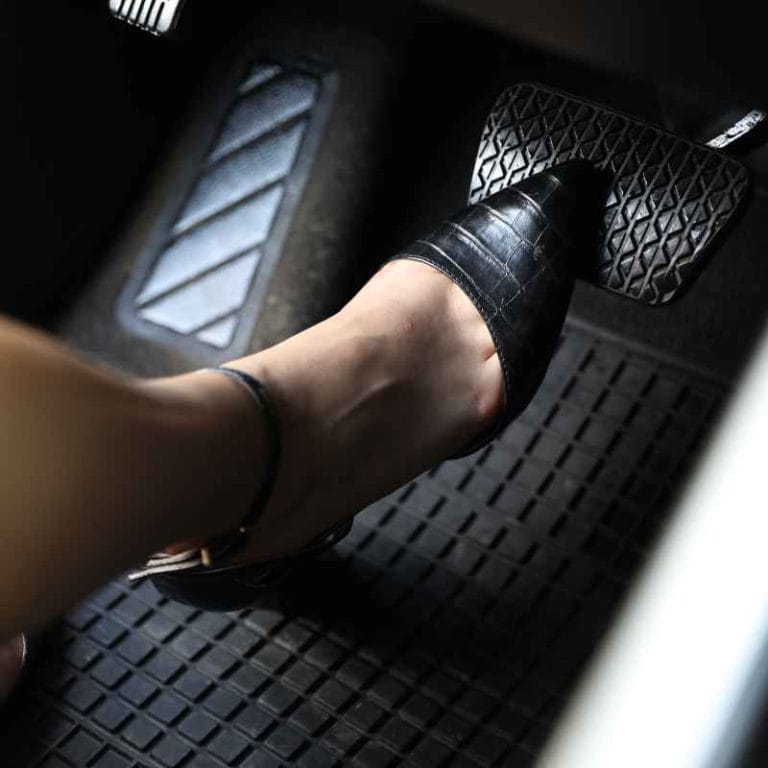
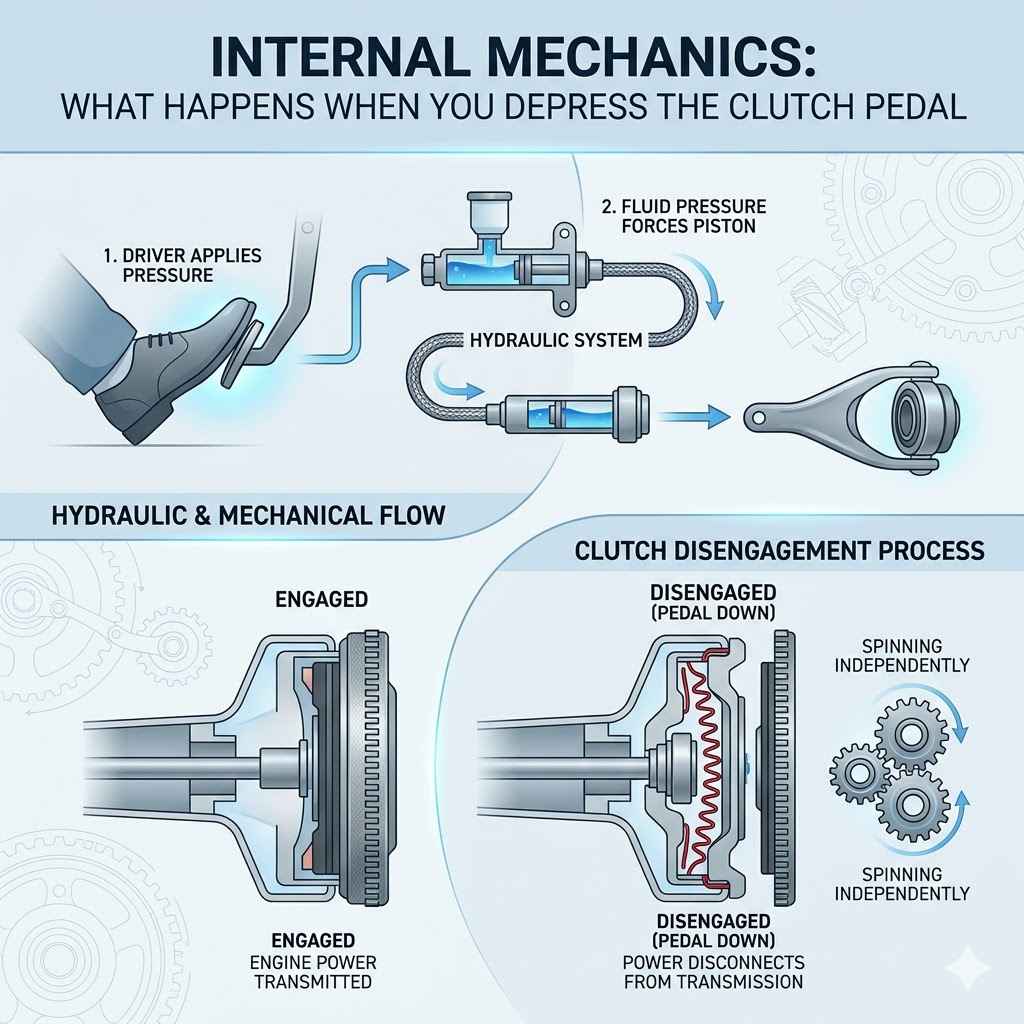
When the clutch pedal is depressed, it disengages the engine from the transmission. This allows you to change gears smoothly or stop the car without stalling the engine. The pedal action activates a system that separates the spinning engine parts from the stationary transmission parts. Understanding this process helps in driving and maintaining your vehicle.
The Magic of the Clutch Pedal
The clutch is a crucial part of any manual transmission car. Think of it as a connector. It links the engine’s power to the wheels.

Mazda
Genuine Mazda Parts - Pedal,Clutch (FEY5-41-30XB), Assorted,…
- Mazda RX-8 Clutch Pedal Assembly w/ Interlock & Position Switch
- Mazda RX-8
- FEY54130XB
As an Amazon Associate I earn from qualifying purchases.
When you’re not pressing the pedal, the clutch is engaged. This means the engine is connected to the transmission. Power flows from the engine, through the clutch, and into the gearbox.
This makes the car move.
When you press the clutch pedal down, you are telling the car to disconnect the engine. This disconnect is vital for several reasons. It lets you shift gears without grinding them.
It also allows you to stop the car completely. You can do this while the engine is still running. Without the clutch, stopping would stall the engine.
So, the clutch pedal is your control center for power flow.
How Your Clutch System Works
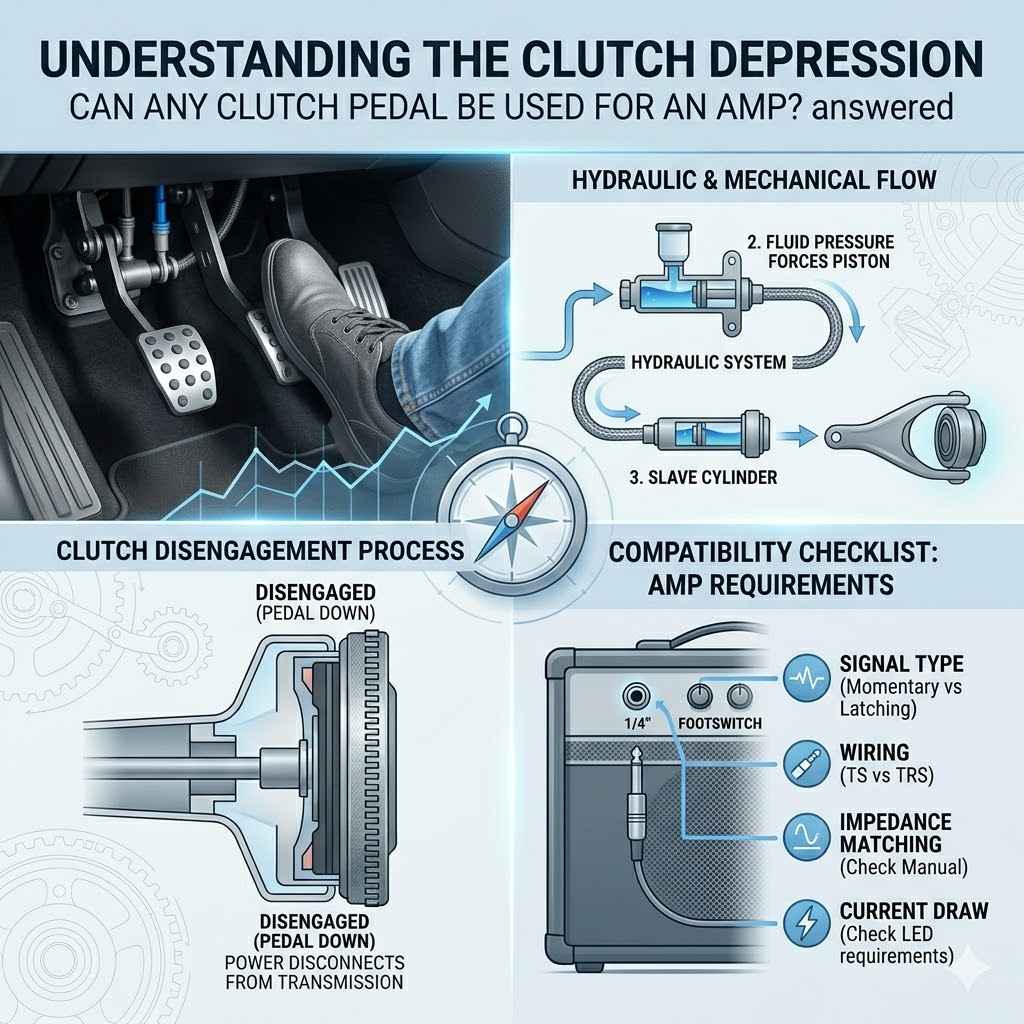
The clutch system is made of a few main parts. You have the clutch pedal itself. Then there’s the clutch master cylinder.
This cylinder uses hydraulic fluid. When you push the pedal, it pushes this fluid. The fluid travels through a hose to the clutch slave cylinder.
This slave cylinder is usually near the transmission.
The slave cylinder uses the fluid pressure. It pushes a lever or a release bearing. This release bearing is what actually interacts with the clutch.
It presses on the clutch pressure plate. The pressure plate is like a spring. It holds the clutch disc against the engine’s flywheel.
When the release bearing pushes the pressure plate, it pulls away from the clutch disc.
This action separates the engine’s flywheel from the clutch disc. The clutch disc is connected to the transmission’s input shaft. When the disc is no longer pressed against the flywheel, there’s no connection.
The engine spins freely. The transmission stops receiving power. This is the moment of disengagement.
When you release the pedal, the process reverses. The hydraulic fluid moves back. The pressure on the slave cylinder lessens.
The release bearing moves away. The pressure plate springs back. It presses the clutch disc firmly against the flywheel again.
The engine is now reconnected to the transmission. Power flows once more.
What You Feel When You Press the Pedal
Pressing the clutch pedal should feel smooth. It might have some resistance. This resistance is normal.
It tells you the hydraulic system is working. The pedal should move evenly. It shouldn’t feel spongy or sticky.
A healthy pedal gives you confidence. You know it’s doing its job.
As you press the pedal, you might hear a slight sound. This is often the release bearing spinning. It’s usually a soft whirring noise.
It’s not a cause for alarm. Some cars are louder than others. The amount of resistance can vary too.
Newer cars might have lighter pedals. Older cars or those with performance clutches can be heavier.
The travel of the pedal is also important. There’s usually an “engagement point.” This is where the clutch starts to connect again. You feel the car wanting to move.
You need to find this point to shift smoothly. A pedal that engages very high or very low can indicate issues. We’ll talk more about that later.
Clutch Pedal Feel: A Quick Check
Smoothness: Does the pedal move without jerking?
Resistance: Is there a consistent pushback?
Engagement Point: Can you easily find where it starts to grab?
Noise: Are there any grinding or loud squealing sounds?
The Engine-Flywheel Connection
The engine’s flywheel is a heavy metal disc. It’s bolted directly to the engine’s crankshaft. Its job is to store rotational energy.
It also smooths out the power pulses from the engine cylinders. When the clutch is engaged, the flywheel and the clutch disc are pressed together. They become one rotating unit.
The clutch disc itself is fascinating. It has friction material on both sides. This material is similar to brake pads.
It needs good grip. When the pressure plate clamps it against the flywheel, immense friction is created. This friction transfers the engine’s power.
It’s an essential step for moving the car.
When you press the clutch pedal, the pressure plate is pulled back. This happens via the release bearing. It creates a gap.
The clutch disc is no longer squeezed. It can now spin freely with the transmission input shaft. Or, more accurately, the transmission input shaft can spin freely relative to the flywheel.
This separation is the core of clutch function.
The Role of Hydraulic Fluid
Most modern cars use a hydraulic clutch system. This is similar to how power brakes work. It uses a special fluid.
This fluid is usually brake fluid. It’s non-compressible. This means it doesn’t squeeze down when pressure is applied.
This is vital for transferring force effectively.
The clutch master cylinder is connected to the clutch pedal. When you push the pedal, a piston inside the master cylinder moves. It pushes the hydraulic fluid.
This fluid travels through a hose. It goes all the way to the clutch slave cylinder. The fluid pressure is what activates the slave cylinder.
It’s a clean and efficient way to transmit force.
The slave cylinder has a piston. This piston is moved by the fluid pressure. It typically pushes a release fork.
This fork then moves the release bearing. This bearing then applies pressure to the diaphragm spring on the pressure plate. The beauty of hydraulics is that it multiplies force.
A small push on the pedal results in significant force at the clutch.
Sometimes, the clutch fluid can become contaminated. Water can get into the system. This can lower the boiling point of the fluid.
Overheating can cause the fluid to boil. This creates air bubbles. Air is compressible.
If there are air bubbles in the line, the pedal will feel spongy. You might lose clutch function. This is why checking and changing clutch fluid is important.
The Release Bearing: The unsung hero
The release bearing, also called a throw-out bearing, is a critical component. It sits between the pressure plate’s spring mechanism and the slave cylinder’s actuating arm. When the slave cylinder pushes the arm, it moves the release bearing.
This bearing then presses against the fingers of the pressure plate’s diaphragm spring.
This bearing spins at high speeds when the clutch is engaged. However, it only spins at the engine’s speed. It doesn’t spin when the clutch is fully disengaged.
Some drivers rest their foot on the clutch pedal. This causes the release bearing to constantly spin. It puts unnecessary wear on it.
This can shorten its lifespan considerably.
When you press the pedal, the release bearing spins faster. It’s essentially pushing against the spring. This action pulls the pressure plate away from the clutch disc.
The faster you press the pedal, the more the release bearing is pushed. Its job is to provide a smooth, low-friction surface. This allows the pressure plate to retract cleanly.
A worn-out release bearing can make noise. You might hear a grinding or squealing sound when you press the pedal. This is a clear sign that it needs attention.
It’s usually
What Happens During Gear Shifting
Shifting gears in a manual transmission car is a ballet of coordination. It involves your hands and feet working together. When you decide to change gears, you first press the clutch pedal.
This disengages the engine from the transmission. This is the key step.
With the engine disconnected, you move the gear shifter. The shifter selects the new gear. This engages different gear sets inside the transmission.
Once the new gear is selected, you slowly release the clutch pedal. As you do, the engine and transmission reconnect. This allows power to flow to the wheels again in the new gear ratio.
The timing of releasing the clutch is important. If you release it too quickly, you’ll feel a jerk. This can be hard on the transmission.
It can also be uncomfortable for passengers. If you release it too slowly, you might be “riding the clutch.” This means the clutch disc is slipping. It causes premature wear.
The goal is a smooth transition. You want the engagement point to be met gradually. This allows the engine speed and transmission speed to synchronize.
It makes for a seamless shift. Practicing this smooth engagement is what separates a novice from an experienced driver. It’s all about feeling that connection point.
Gear Shifting Steps: Pedal & Shifter
- Press Clutch Pedal: Fully disengages engine from transmission.
- Move Gear Shifter: Selects the desired gear.
- Release Clutch Pedal: Gradually re-engages engine to transmission.
- Apply Accelerator: Smoothly applies power in the new gear.
Understanding Clutch Engagement Points
The engagement point is where the clutch starts to grab. It’s the moment the engine’s power begins to be transferred to the transmission. Every car has a unique engagement point.
Some engage near the floor. Others engage much higher, closer to the top of the pedal’s travel.
Learning to find this point is essential. You do this by feeling. As you slowly release the clutch pedal from a stopped position, you’ll feel a slight resistance.
The engine RPM might drop a little. You might feel a slight vibration. The car might even start to creep forward.
This is the engagement point.
If your engagement point is very low (near the floor), it might mean the clutch is worn. The pressure plate might not be able to push the disc back far enough. If it’s very high (near the top), it can also indicate wear.
Or it could mean the clutch system needs adjustment. It’s a key indicator of clutch health.
Some drivers prefer a low engagement point. Others like a higher one. It’s often a matter of personal preference.
But extreme engagement points can signal a problem. It’s good to know where yours is. It helps you anticipate shifts and avoid stalling.
Why You Might Feel a “Spongy” Pedal
A “spongy” clutch pedal feels soft. It doesn’t have a firm resistance. When you press it, it feels like there’s air in the hydraulic line.
This is often exactly the case. Air is compressible. It means the hydraulic fluid isn’t transferring force as effectively.
The main culprits are usually leaks. The clutch master cylinder or slave cylinder seals can wear out. Fluid can then leak out.
Air can get sucked in. The hydraulic hose can also develop small cracks. Even a tiny leak can allow air into the system.
This is why you should check your clutch fluid level occasionally.
Another possibility is old or contaminated fluid. Over time, brake fluid can absorb moisture. This lowers its boiling point.
If the fluid overheats, it can boil. This creates air bubbles. Bleeding the clutch system is the process of removing air.
It involves flushing old fluid out and replacing it with new fluid. This restores the firm pedal feel.
A spongy pedal can make it hard to engage or disengage the clutch properly. This can lead to difficulty shifting gears. It can also cause the clutch to slip.
This is because the pressure plate isn’t fully retracting. Or it isn’t being fully pressed against the flywheel.
Spongy Clutch Pedal Causes
Air in the system: Leaks in master cylinder, slave cylinder, or hose.
Low fluid level: Indicates a leak or excessive wear.
Contaminated fluid: Moisture absorption lowers boiling point.
Internal seal failure: Cylinder seals may be damaged.
When the Pedal Feels “Gritty” or “Sticky”
A gritty or sticky clutch pedal is different from a spongy one. Instead of being soft, it feels rough or uneven. It might catch or hesitate as you press and release it.
This usually points to a mechanical issue. It’s not typically related to the hydraulic fluid.
One common cause is a worn or damaged release bearing. As we discussed, this bearing spins when the clutch is engaged. If it’s dry or its internal components are damaged, it can create friction.
This friction can feel like grittiness. You might also hear a squealing or grinding sound.
Another possibility is the clutch fork. This lever pivots to move the release bearing. If the pivot point is dry or worn, it can cause sticking.
The contact points between the fork and the release bearing can also wear down. This can lead to a rough feel.
Sometimes, the clutch disc itself can develop issues. If the splines (the teeth on the hub) are damaged or corroded, they can bind. This can make the pedal feel sticky.
In rare cases, the pressure plate could be warped. This can cause uneven pressure and a gritty feel.
The Consequences of Riding the Clutch
Riding the clutch means keeping your foot resting on the pedal. You do this even when you’re not actively trying to disengage the clutch. This is a common habit for some drivers.
They might do it out of comfort or habit.
However, this habit puts constant, light pressure on the release bearing. Even a slight pressure means the bearing is spinning. It’s not supposed to do this for extended periods.
This constant spinning causes accelerated wear. It can lead to premature failure of the release bearing. This often results in a noisy clutch.
Riding the clutch also causes the clutch disc and flywheel to be in a state of partial engagement. This means they are slipping against each other. This slip generates heat.
It wears down the friction material on the clutch disc much faster. It can also glaze the surface of the flywheel and pressure plate.
The result is a shortened lifespan for your entire clutch system. Repairs can be expensive. It’s best to develop the habit of resting your foot on the floorboard.
Keep it there when you’re not using the clutch. This saves wear and tear on this vital component.
Clutch Riding Dangers
Worn Release Bearing: Constant spinning causes premature failure.
Overheated Clutch Disc: Friction material wears down rapidly.
Glazed Surfaces: Flywheel and pressure plate surfaces can be damaged.
Reduced Clutch Life: Leads to costly replacements sooner.
Common Clutch Problems and Pedal Symptoms
Several issues can arise with a clutch system. Each often presents with a specific symptom in the clutch pedal feel.
Slipping Clutch
What it is: The engine revs up, but the car doesn’t accelerate proportionally. Power isn’t being fully transferred.
Pedal Symptom: Engagement point might be very high. Car might feel sluggish. You might smell a burning odor.
Sticking Clutch
What it is: The clutch doesn’t fully disengage. This makes it hard to shift into gear.
Pedal Symptom: Pedal feels stiff. It might not return fully after being pressed. You hear grinding noises when trying to shift.
Grinding Gears
What it is: The clutch isn’t disengaging enough. Gears clash when you try to shift.
Pedal Symptom: Pedal might not go all the way down. Or it feels weak. This is often due to hydraulic issues.
Chattering Clutch
What it is: The clutch judders or vibrates when engaging.
Pedal Symptom: You feel a pulsing or shaking through the pedal. This can be caused by warped parts or worn friction material.
Paying attention to these symptoms is key. They are your car’s way of telling you something needs attention. Early detection can prevent more serious damage.
When to Worry About Your Clutch Pedal
Most of the time, your clutch pedal will feel consistent. It’s a reliable indicator of system health. But there are times when you should definitely get it checked.
Any sudden change is a red flag.
If the pedal feels significantly harder or softer than usual, investigate. If it makes new or louder noises, especially grinding or squealing, seek help. If you find yourself having trouble shifting gears smoothly, that’s a serious sign.
A clutch that slips is dangerous. It means you can lose power unexpectedly. If your engagement point changes drastically, it’s time for a mechanic.
Don’t ignore these signs. They can lead to being stranded or causing further damage.
Red Flags for Your Clutch Pedal
Sudden Change in Resistance: Much harder or softer.
New or Louder Noises: Grinding, squealing, or constant rattling.
Difficulty Shifting: Gears won’t engage or feel forced.
Significant Change in Engagement Point: Drastically higher or lower.
Burning Smell: Often indicates clutch slippage and overheating.
Checking Your Clutch Fluid
Just like your car’s brakes, the clutch hydraulic system needs fluid. It’s usually located in a small reservoir. It’s often near the brake master cylinder.
It might be labeled “CLUTCH” or have a clutch symbol.
First, locate the reservoir. Make sure the car is off and on a level surface. Open the hood and find the reservoir.
Check the fluid level against the “MIN” and “MAX” lines. If it’s low, you have a leak or the system needs attention.
If the fluid looks dark or murky, it’s time to change it. Old fluid can be less effective and more corrosive. You can typically top it up with the correct type of fluid.
Check your owner’s manual for the specific type. It’s usually DOT 3 or DOT 4 brake fluid.
If you need to add fluid, do it carefully. Avoid spilling it on painted surfaces. They can damage the paint.
If the fluid is very low or very dirty, it’s best to have a mechanic bleed the system. They will flush out the old fluid and
Basic Maintenance Tips
Keeping your clutch system in good shape is straightforward. It mostly involves mindful driving and periodic checks.
- Smooth Shifting: Always use the clutch to disengage the engine. Shift gears smoothly. Don’t force the shifter.
- Avoid Clutch Riding: Keep your foot off the pedal when not actively shifting. Rest your foot on the floorboard.
- Check Fluid Levels: Periodically check your clutch fluid reservoir. Top it up if it’s low.
- Listen for Noises: Pay attention to any new sounds when operating the clutch.
- Regular Inspections: When you get oil changes, ask your mechanic to check the clutch system.
These simple steps can help prolong the life of your clutch. They can also prevent unexpected breakdowns.
When to Call a Professional
While some minor issues might be resolvable with fluid checks, most clutch problems require expert attention. If you notice any of the “red flags” we discussed, it’s time to visit a mechanic.
Issues like a worn clutch disc, a failing pressure plate, or a faulty slave cylinder are complex repairs. They often require specialized tools and knowledge. Trying to fix these yourself without experience can lead to further damage.
Or worse, it could lead to an unsafe vehicle.
A professional mechanic can diagnose the exact problem. They can perform necessary repairs, like replacing the clutch kit. This usually includes the clutch disc, pressure plate, and release bearing.
They can also fix any hydraulic leaks. They ensure your clutch system is functioning correctly and safely.
The Bigger Clutch and Drivetrain Health
The clutch is just one part of your car’s drivetrain. It works closely with the transmission, driveshaft, and axles. A healthy clutch ensures these other components are protected.
It smooths out the transfer of power.
If your clutch is slipping, it can cause excessive wear on other drivetrain parts. If it’s not engaging properly, you could damage the transmission’s synchronizers. A properly functioning clutch is essential for the overall health and longevity of your car’s mechanical systems.
When you press the clutch pedal, you are engaging a sophisticated system. It’s designed to give you control. Understanding what’s happening when you do so empowers you.
It helps you take better care of your vehicle. And it makes you a more confident driver.
Frequently Asked Questions About Clutch Pedal Depression
What is the main purpose of pressing the clutch pedal?
Pressing the clutch pedal disconnects the engine from the transmission. This allows you to change gears without grinding them or to stop the car without stalling the engine.
Why does my clutch pedal feel spongy?
A spongy clutch pedal usually means there is air in the hydraulic system. This can be caused by leaks in the master cylinder, slave cylinder, or hose, or by contaminated fluid.
How do I know if my clutch is starting to wear out?
Signs of a worn clutch include a high engagement point, difficulty shifting gears, a burning smell, or the engine revving without the car accelerating much (slipping).
Is it bad to rest my foot on the clutch pedal?
Yes, resting your foot on the clutch pedal, known as “riding the clutch,” causes the release bearing to spin constantly. This leads to premature wear on the bearing and the clutch disc.
What type of fluid does a clutch system use?
Most clutch systems use hydraulic fluid, typically the same type as used for power brakes, such as DOT 3 or DOT 4 brake fluid. Always check your owner’s manual for the specific type.
Can a bad clutch pedal cause transmission damage?
Yes, a clutch that doesn’t disengage properly can force you to grind gears, which can damage the transmission’s internal components, especially the synchronizers.
Final Thoughts on Clutch Pedal Function
The clutch pedal is more than just a control. It’s a vital link in your car’s mechanical chain. Understanding what happens when you press it helps you drive better.
It also helps you spot problems early. Keep an eye on its feel and sound. A little attention goes a long way.
See also how do pedal assist bikes work everything clearly explained.
Related pick: Check today's price on Amazon See also what are the benefits of pedaling backwards on a bike .