What is the Meaning of Pedal in English? (Simple Explanation)
What does the word “pedal” really mean in English? At first glance, it seems like a simple word you might hear when talking about bicycles or pianos. But in reality, pedal has a rich and interesting history, multiple uses, and plays an important role in both everyday language and technical fields. Many English learners, and even native speakers, do not realize how many meanings and expressions are connected to this word.
Imagine you are riding a bicycle, playing an organ in a church, or controlling a car—each of these activities can involve a pedal. But the word is not just a noun; it is also a verb, and it appears in phrases and idioms.
Understanding the full meaning of “pedal” helps you grasp English more deeply and use it with confidence in daily life, work, or school.
In this article, you will discover all the main uses of “pedal,” learn about its origins, see real examples, and find out how this word connects to culture, music, engineering, and sports. By the end, you will know how to use “pedal” naturally, avoid common mistakes, and even impress others with your vocabulary.
The Core Meaning Of Pedal

Mel Bay Publications, Inc.
First Lessons Pedal Steel
- Author: by Jay Leach
- Format: Book + Online Audio/Video
- Series: First Lessons
As an Amazon Associate I earn from qualifying purchases.
The word pedal comes from the Latin “pes” (foot), which explains why it always connects to feet and movement. In its simplest form, a pedal is:
- A flat lever or part that you press down with your foot to control a machine, vehicle, or instrument.
This definition may seem narrow, but it actually covers many things in our daily lives. For example, the thing you push with your foot to make a bicycle move is a pedal. The same goes for the parts you press to play a note on a piano or to stop a car.
Common Types Of Pedals
Pedal is a general term, but in practice, there are many types:
- Bicycle pedal: The part you push with your foot to move a bike forward.
- Car pedals: The accelerator (gas), brake, and clutch in manual cars.
- Piano pedal: The levers at the base of a piano that change the sound.
- Sewing machine pedal: Used to control the speed of the machine.
- Drum pedal: Used by drummers to hit a bass drum.
Even though these pedals look and work differently, the basic idea is always the same: a part controlled by the foot.
Pedal As A Verb
“Pedal” is not just a noun. It can also be used as a verb, especially when talking about riding a bicycle or similar activities:
- To pedal means to move your feet in a circular motion on the pedals to make something (like a bicycle) move.
For example:
- “He pedaled quickly up the hill.”
- “She likes to pedal her bike to school.”
This verb form is very common in daily speech, especially in countries where cycling is popular.
Historical Origins And Etymology
The history of “pedal” is both interesting and useful for understanding its meaning today. The word entered English in the 17th century from the French “pédale,” which came from the Italian “pedale,” all tracing back to the Latin “pes, pedis” meaning “foot.
“
In early machines, the idea of using the foot to control or operate something was new and exciting. For example, the first pedal-powered machines were spinning wheels and looms. Later, with the invention of the bicycle in the 19th century, the word “pedal” became much more common.
Today, the word is used in almost every language, but the English meaning always connects to the idea of movement or control with the foot.
Pedals In Different Contexts
Transport And Vehicles
One of the most common places you find pedals is in vehicles. Here are the main examples:
- Bicycles: Both feet push pedals in a circle to move the bike. Some bicycles have special pedals for racing or mountain biking.
- Cars: Most cars have at least two pedals (accelerator and brake). Manual cars have a third pedal (clutch).
- Motorcycles: These usually have a foot pedal for the brake and sometimes for changing gears.
- Buses and Trucks: Larger vehicles often have larger pedals, but the basic idea is the same.
Comparison Of Vehicle Pedals
Here’s a simple comparison of pedals in different vehicles:
| Vehicle Type | Number of Pedals | Main Functions |
|---|---|---|
| Bicycle | 2 | Movement |
| Car (Automatic) | 2 | Accelerator, Brake |
| Car (Manual) | 3 | Accelerator, Brake, Clutch |
| Motorcycle | 1-2 | Brake, Gear Shift |
A non-obvious insight: Many beginners think every vehicle pedal works the same way. In reality, the force you need, the position of your foot, and even the shape of the pedal can change a lot between different machines.
Music And Instruments
In music, pedals are very important, especially for instruments like the piano, organ, and guitar. Let’s look at each:
- Piano pedals: Most modern pianos have three pedals. The right pedal (damper) makes the sound last longer. The left pedal (soft) makes the sound quieter. The middle pedal has different functions depending on the piano.
- Organ pedals: Large organs have a set of pedals (pedalboard) like a keyboard for the feet. They play the lowest notes.
- Guitar pedals: These are not played with the foot, but they are called pedals because you press them with your foot to change the sound (for example, to add “distortion” or “echo”).
Piano Pedals Compared
Here’s how piano pedals differ:
| Piano Pedal | Position | Main Function |
|---|---|---|
| Right (Damper) | Farthest right | Makes sound last longer |
| Left (Soft) | Farthest left | Makes sound quieter |
| Middle (Sostenuto/Practice) | Middle | Varies (holds specific notes or quiets all notes) |
Non-obvious insight: Many beginners think all three piano pedals are always used, but in most music, only the right pedal is used regularly. The middle pedal is sometimes ignored or has a special function that confuses learners.
Everyday Machines
Pedals are also found on everyday machines:
- Sewing machine: The foot pedal controls the speed.
- Garbage can: Some bins open when you step on a pedal.
- Exercise machines: Stationary bikes, rowing machines, and other gym equipment use pedals for movement.
These pedals help make machines easier to use, allowing people to control speed or open things without using their hands.
Sports
In sports, pedals are central to cycling, of course, but they are also found in rowing machines and even some arcade games.
- Cycling: The pedal is the main part that connects the rider’s power to the wheels.
- Rowing: Some rowing machines have foot pedals to help keep the feet in place and add resistance.
A common mistake is to think that pedals are only for cycling, but many sports and activities use pedals in different ways to add power, control, or safety.
Pedal As A Part Of Phrases And Idioms
The word “pedal” appears in many English idioms and phrases. These are important for understanding natural English and can make your speech richer.
Popular Idioms And Expressions
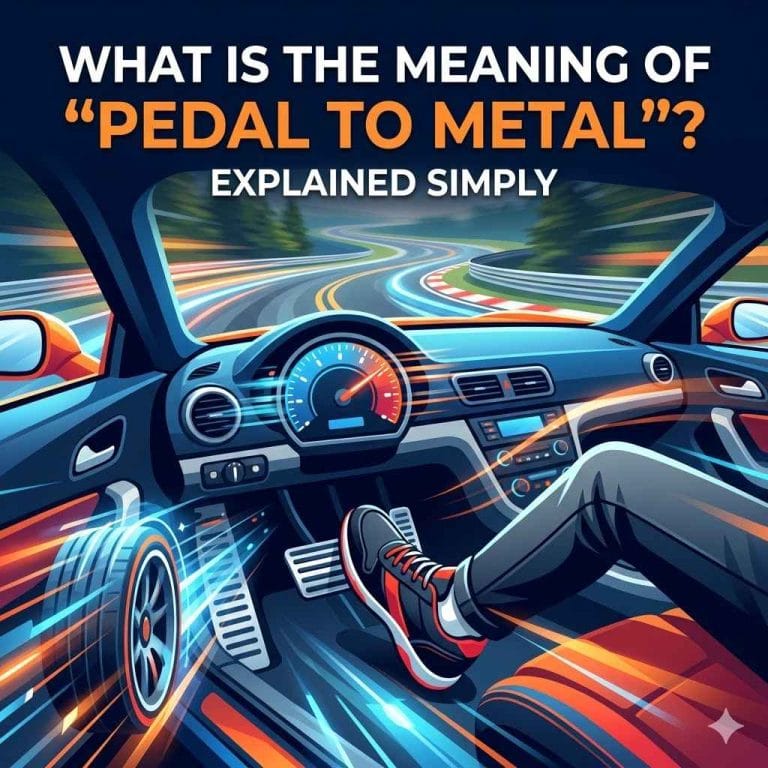
- “Put the pedal to the metal”: Means to go as fast as possible, usually in a car or in life.
- “Pedal power”: Refers to energy created by pedaling, often used when talking about eco-friendly transport.
- “Pedal pushers”: A type of short pants that end just below the knee, originally worn by cyclists.
- “To pedal backwards”: To change your opinion or take back something you said.
These expressions show how the word “pedal” is used outside of technical or physical meanings. For example, “put the pedal to the metal” can be used when someone is working very hard or moving quickly in any area of life.
How To Use Pedal Idioms
Using these idioms can help you sound more natural. For example:
- “We’re late—put the pedal to the metal!”
- “This city is great for pedal power because there are so many bike lanes.”
A non-obvious insight: Many English learners use “pedal” only when talking about bikes or cars, but using idioms makes your English sound more advanced and natural.
Pedal In Science And Engineering
In science and engineering, “pedal” is a key idea in the design of many machines and tools. The reason is simple: the foot is strong and can control things without using the hands.
Why Use Pedals?
- Efficiency: Using the foot leaves your hands free for other tasks.
- Power: The leg muscles are among the strongest in the body, so pedals can move heavy things.
- Control: Pedals allow for smooth, variable control. For example, you can speed up or slow down a car by pressing the pedal more or less.
Examples In Engineering
- Hydraulic pedals: Used in large machines to control heavy loads with little effort.
- Electronic pedals: Found in modern cars and keyboards, sending signals instead of mechanical force.
Pedal Mechanisms Comparison
Here’s a quick look at how pedals differ in mechanical and electronic systems:
| Type of Pedal | How It Works | Example |
|---|---|---|
| Mechanical | Moves a lever or cable physically | Bicycle, piano |
| Hydraulic | Uses fluid to transfer force | Car brakes, heavy machinery |
| Electronic | Sends electrical signal to a controller | Modern car accelerator, gaming pedals |
A practical tip: If you use machines with pedals, always know if it’s mechanical, hydraulic, or electronic. This affects how much pressure you need and how quickly the machine will react.
Pedal In Culture And Art
Pedals are not just technical parts; they also appear in culture, music, and art.
In Music
The pedal note is a music term for a note that is held for a long time while other notes change. This idea comes from organ pedals, where the lowest notes are played and held with the feet.
In Art And Language
“Pedal” sometimes appears in poems or stories, usually to show movement, freedom, or power. For example, a writer might say, “She pedaled away from her worries,” using the word both literally and as a symbol.
Pedal In Popular Culture
- Cycling events: Like the Tour de France, where pedal power is celebrated.
- Movies and TV: Scenes of someone “pedaling fast” often show hard work or escape.
A non-obvious insight: In many cultures, the act of pedaling represents more than just movement—it can symbolize independence, energy, or even rebellion.
Common Mistakes And Confusions
Learning English means you might confuse “pedal” with similar-sounding words or use it incorrectly. Here are some common mistakes:
Mixing Up “pedal” And “petal”
- Pedal: Related to feet and machines.
- Petal: The colorful part of a flower.
For a deeper breakdown of both words with examples and an easy memory trick, see pedal vs petal.
Example:
- Incorrect: “The bicycle has two petals.”
- Correct: “The bicycle has two pedals.”
Using The Wrong Verb Form
Some learners say “to foot” or “to step” instead of “to pedal” when talking about cycling.
- Incorrect: “I foot my bike to work.”
- Correct: “I pedal my bike to work.”
Forgetting Pedals In Other Machines
Many people only think of bicycles, but remember that cars, pianos, sewing machines, and even some bins have pedals too.
Overusing The Word
Sometimes, learners try to use “pedal” for every foot movement. But in English, “pedal” is only for machines or instruments, not for dancing or walking.
Real-world Examples Of Pedal In Use
To help you see how “pedal” is used in real life, here are some examples from news, books, and everyday speech:
- “She pedaled her way across Europe last summer.”
- “He pressed the brake pedal just in time to avoid the accident.”
- “The organist’s feet moved quickly over the pedals.”
- “Please use the foot pedal to operate the sewing machine.”
- “After the green light, he put the pedal to the metal.”
These examples show the range of uses, from travel to music to daily life.
Pedal In Technology And The Future
With technology changing, the meaning of “pedal” is growing. Now, there are new types of pedals:
- Gaming pedals: Used with racing or flight simulators for a realistic experience.
- Smart exercise bikes: Pedals have sensors to measure speed and power.
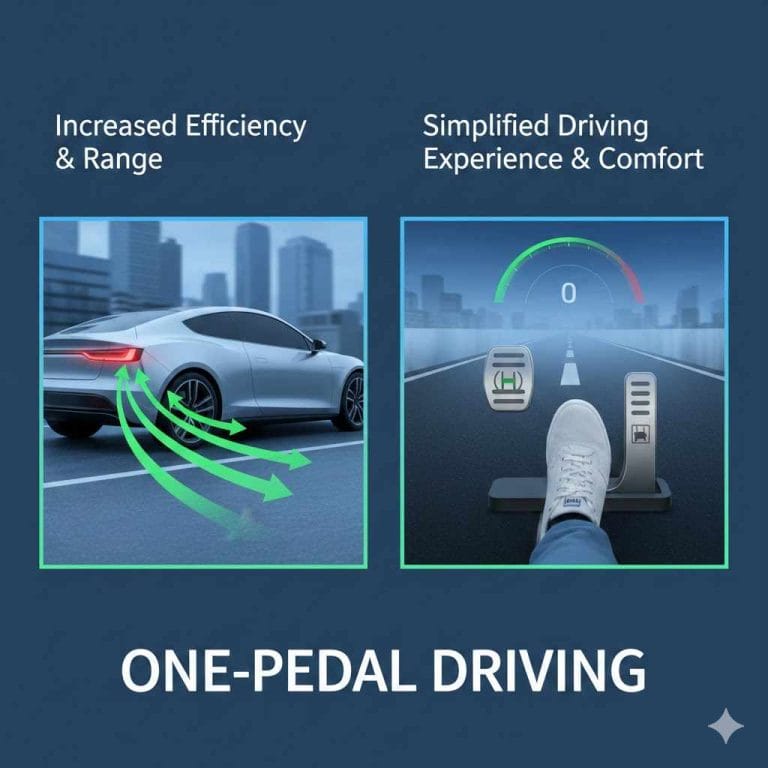
- Electric vehicles: Some only have one pedal (for both speed up and slow down).
In the future, pedals may become smarter, using sensors and electronics to give more information or to control machines in new ways.
A non-obvious insight: As cars become more automatic, some models remove the pedal completely, using buttons or voice commands instead. But for sports and music, pedals are likely to stay important for a long time.
How To Use “pedal” Naturally
If you want to sound natural when using “pedal” in English, remember these tips:
- Use “pedal” for machines or instruments, not for walking or running.
- Remember the plural is “pedals,” not “pedales” or “pedalis.”
- Use the verb “to pedal” only when talking about cycling or similar actions.
- Try using some idioms with “pedal” in conversation.
- Practice listening for “pedal” in songs, TV shows, or news to see how native speakers use it.
The Influence Of Pedal In Society
Pedals have changed the way people move, work, and create. Imagine how hard it would be to drive a car or play a piano without them! In many countries, the rise of bicycles and pedal-powered machines has made life more eco-friendly and healthy.
For example, in the Netherlands, over 27% of all trips are made by bicycle, and the pedal is at the center of this culture. In music, the use of pedals allows for a wider range of sound and expression. Even in factories, foot pedals make machines safer and more efficient.
A practical tip: If you are designing a product or learning a new machine, always think about where the pedal is, how it works, and how it changes the way you use the device.
Pedal In Language Learning
For English learners, knowing the word “pedal” and its correct uses can help you pass exams, understand instructions, and fit in when talking with native speakers. Many technical tests, driving exams, and music lessons use this word.
It’s also a good example of how English words can have more than one meaning, and how they can appear as both nouns and verbs.
Summary Of Key Points
- “Pedal” means a foot-operated lever on machines, vehicles, or instruments.
- It can be a noun (the part you push) or a verb (the act of pushing).
- Found in bicycles, cars, pianos, sewing machines, and more.
- Used in many idioms and phrases.
- Important in engineering, music, sports, and culture.
- Common mistakes include confusing with “petal” or overusing the word.
- The meaning of “pedal” is growing as technology changes.
For more on word origins and usage, see this Wikipedia entry.
Understanding “pedal” gives you access to a wider world of English, from everyday life to science, music, and technology. So next time you ride a bike, play a piano, or even open a trash can, think about how important this simple word really is.
Frequently Asked Questions
What Is The Main Meaning Of “pedal” In English?
The main meaning is a lever or part that you press with your foot to control a machine, vehicle, or instrument, such as on a bicycle, car, or piano.
Can “pedal” Be Used As A Verb?
Yes, “pedal” can be a verb. It means to move your feet in a circular motion on the pedals, usually to make a bicycle move.
What Is The Difference Between “pedal” And “petal”?
“Pedal” relates to feet and machines, while “petal” is the colorful part of a flower. These words sound similar but have very different meanings.
Are Pedals Found Only On Bicycles?
No, pedals are used on many machines and instruments, including cars, pianos, sewing machines, and even some trash bins.
What Does The Phrase “put The Pedal To The Metal” Mean?
It is an idiom that means to go as fast as possible, either in a vehicle or in life. It comes from the action of pressing the accelerator pedal all the way down.
With this knowledge, you can use “pedal” correctly and with confidence in any English conversation or writing. See also is it safe to buy used pedals what to check first.
Related pick: Check today's price on Amazon