Transmission Control System P0796 Code
P0796 means the transmission control system has detected a pressure control solenoid fault, and you should separate wiring and connector faults from hydraulic pressure and module command problems before replacing the solenoid or valve body. Ignoring it can sometimes lead to harsh shifts, slip, limp mode, and unnecessary parts replacement. This guide shows the exact checks to isolate electrical, hydraulic, and control-module causes.
What P0796 means and why the definition matters


P0796 is generally reported as a pressure control solenoid C performance or stuck-off code. That generic OBD-II meaning matters because many manufacturers rename the solenoid by VIN-specific labeling, and a wrong solenoid letter leads to a wrong test plan.
On some vehicles, the service literature will call the same component a pressure control solenoid, line-pressure solenoid, or a numbered on/off valve inside the transmission. OEM service information is the only safe way to map P0796 to the correct circuit, pinout, and wire colors for your exact transmission.
This fault often sits inside pressure-control strategy rather than a simple open-circuit failure. The module is looking for commanded pressure control that does not happen, or for a solenoid that appears stuck off when the transmission needs it active.
That distinction matters. A hard electrical fault points toward the coil, driver circuit, feed, or ground. A hydraulic sticking fault points toward contamination, internal wear, or valve-body service. A module or voltage fault can mimic both.
How the fault fits pressure control strategy
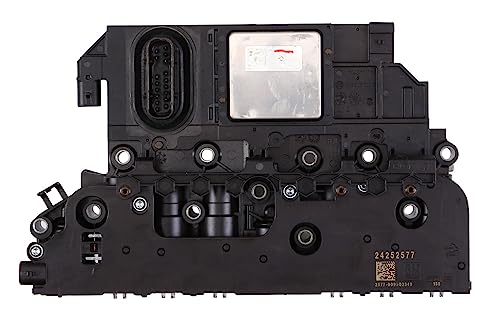
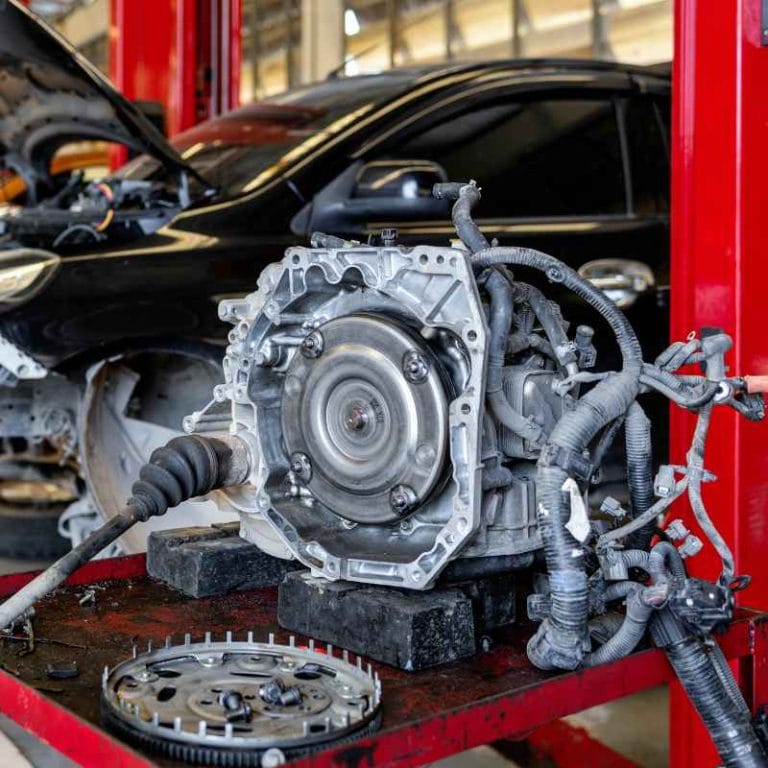
The pressure control solenoid helps the transmission control module or powertrain control module regulate hydraulic pressure for shift quality and clutch apply. On many transmissions it sits in or near the valve body, where it works with passages, screens, and multiple other solenoids.
Common failure modes include short to ground, open circuit, stuck performance, and contamination that keeps the valve from responding. A short to ground is a common trigger in related pressure-solenoid faults, and some guides note that a hard, continuous short can make the code return immediately.
Why the wrong solenoid letter leads to bad diagnosis
VIN-specific Solenoid C identification matters. If you test the wrong circuit, you can condemn a good solenoid, miss a damaged case connector, or replace a valve body that only needs wiring repair.
What symptoms point to P0796?
P0796 often shows up as harsh shifting, delayed engagement, fail-safe operation, or loss of pressure control. You may also see a warning lamp, limp mode, or a pending code before the fault becomes a full stored code.
Symptoms alone do not prove the solenoid is bad. Low system voltage, a shared ground fault, or a sticky valve body can create the same feel at the wheel and the same scan data pattern.
Shift quality changes and fail-safe behavior
Harsh shifts usually point to a pressure-control problem that is driving line pressure too high. Delayed shifts or slip can point to the opposite, where the module cannot command the pressure it expects.
Some drivers notice no obvious drivability issue at first, especially if the module is only storing a pending code. A common mistake is replacing the pressure control solenoid right away, then missing a clogged valve body passage that was actually causing the P0796 code.
Warning lamps, pending codes, and limp mode
When the transmission enters fail-safe mode, shift strategy often becomes fixed and the module may limit gear changes to protect the unit. That is a stronger sign than a check-engine light alone.
Say your scan tool shows P0796 with a pending pressure or ratio code and the transmission is locked into harsh upshifts. That pattern pushes the diagnosis toward a real control problem, not a one-time nuisance flag.
Companion symptoms that point away from the solenoid
If several modules set low-voltage or communication codes at the same time, the root cause may be system voltage or a shared ground, not the pressure control solenoid itself. If the fluid is dark, contaminated, or full of debris, valve-body sticking rises on the list.
P0796 diagnosis matrix
This matrix gives you a fault-tree view of P0796. Start with the symptom pattern, then move to the likely fault zone and the next test before replacing parts.
| Symptom pattern | Likely fault zone | Next test |
|---|---|---|
| Code returns immediately after clear; harsh shift stays the same; scan tool shows no meaningful command change | Hard electrical failure in solenoid circuit or driver | Check connector pins, coil resistance, and continuity to the TCM/PCM before condemning the solenoid |
| Code comes and goes over bumps or heat; symptoms change with wiring movement | Intermittent connector or wiring fault | Wiggle-test the case connector and wiring, then perform voltage-drop checks on feed and ground |
| Fluid is dirty; shifts are sticky or delayed; code appears with no obvious electrical defect | Valve body contamination or sticking | Inspect fluid, screen debris, and line-pressure behavior against OEM service data |
| Multiple module codes set at once; battery was weak or recently disconnected; voltage is unstable | Module or voltage-related false flag | Test battery and charging system first, then rescan before replacing the solenoid or module |
- Hard electrical failure pass/fail. Pass: circuit continuity is correct, resistance matches service data, and the code does not reset during a commanded test. Fail: open circuit, short to ground, or coil resistance far outside the OEM range.
- Intermittent wiring fault pass/fail. Pass: no change during wiring movement, no pin corrosion, and voltage drop stays low under load. Fail: code changes with movement, heat, or vibration, or the case pass-through shows damage.
- Valve-body sticking pass/fail. Pass: clean fluid, proper pressure response, and normal solenoid command reaction. Fail: debris, varnish, or pressure response that lags command despite good electrical checks.
- Voltage or module issue pass/fail. Pass: battery and charging voltage are stable, grounds are clean, and no shared-feed codes remain. Fail: low voltage, multiple low-voltage codes, or erratic scan data across modules.
What should you check first?
Check the scan data first, then battery and charging voltage, before touching the transmission. Freeze-frame, pending codes, and live data tell you whether the problem appeared during low voltage, a shift event, or a steady-state drive condition.
Save the battery voltage before clearing anything. If the vehicle has several module codes, a weak battery or charging fault can create shared symptoms that look like a bad pressure control solenoid.
-
Save scan data.
Record stored and pending codes, freeze-frame values, and transmission live data. If the scan tool supports graphing, watch commanded pressure control, gear state, and any transmission temperature or line-pressure PID that the OEM lists.
-
Check system voltage.
Measure battery voltage key off, key on, and with the engine running. A low or unstable reading can create false or shared faults, so confirm the charging system before part replacement.
-
Compare with OEM data.
Use factory service information for the exact test order, connector pinout, and solenoid naming. Model-specific pressure strategy matters because P0796 may not map to the same hardware across brands.
Freeze-frame and active test support
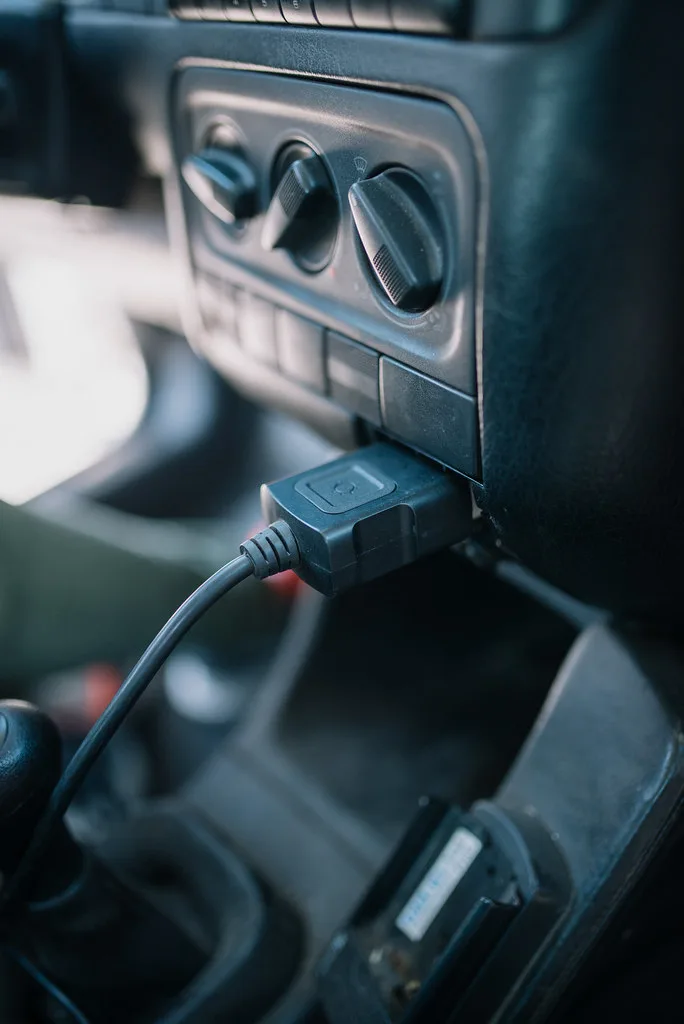
A good scan tool for this job must read TCM codes, capture freeze-frame, graph PIDs, and support active tests when available. If the tool can command the solenoid, you can compare command response against the actual pressure or shift result.
That command test helps sort out three cases fast: the module never commands the solenoid, the circuit cannot respond, or the hydraulic side responds late or not at all.
How do you test the pressure control solenoid circuit?
Test the circuit in order: visual inspection first, then resistance and continuity, then voltage-drop and command-response checks. Do not start with replacement, because a damaged connector, bent pin, or shared ground fault can mimic a failed solenoid.
Most manufacturers place the solenoid in or near the valve body, so the case connector and pass-through terminals deserve close inspection. Water intrusion, corrosion, bent pins, and chafe points near the transmission case are common fault locations.
-
Inspect the connector first.
Unplug the case connector and look for corrosion, fluid intrusion, bent terminals, spread pins, or heat damage. Trace the wiring for pinch points and chafing where it crosses brackets, the bellhousing, or the transmission case.
-
Measure coil resistance.
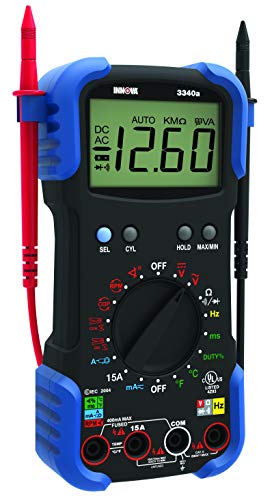
Use an ohmmeter with the battery disconnected and compare the reading with OEM service data for your transmission family. Resistance is temperature-sensitive, so the factory spec matters more than a generic number.
-
Check continuity and shorts.
Verify continuity from the TCM/PCM connector to the solenoid circuit and check for short to ground or short to power. A clean circuit should not show unwanted continuity to ground on the control wire when the connector is isolated.
-
Perform voltage-drop tests.
Check feed and ground voltage drop with the circuit loaded. A circuit can show continuity on an ohmmeter and still fail under load if a terminal is corroded or a wire is broken inside the insulation.
-
Command the solenoid.
Use the scan tool active test if the vehicle supports it. Watch whether the command changes line pressure, shift feel, or the related PID; if not, the fault may be in the coil, driver, or hydraulic section.
Suppose the solenoid resistance matches the service manual, but flexing the wiring makes the code set and the scan data drop out. That points to an intermittent wiring or connector fault, not a dead coil.
Can fluid or valve-body issues trigger P0796?
Yes. Contamination, sticking valves, and internal wear inside the valve body can cause P0796 even when the coil and wiring test well. Many transmissions use multiple solenoids and passages in the same hydraulic assembly, so one dirty bore can affect pressure control.
If contamination is confirmed, valve-body service is often more appropriate than replacing only the solenoid. Some units need cleaning or repair of the valve body itself, because a new solenoid will not fix a sticky bore or worn passage.
Why pressure tests need the right port and factory data
Pressure testing can be useful, but only with the correct gauge setup and the correct port location from factory data. Guessing at a port can give you a false reading or damage a fitting.
Use the OEM pressure chart and test order for the transmission family. A proper test should match the commanded state, fluid temperature, and expected pressure behavior listed for that vehicle.
Could the TCM, PCM, or voltage be the cause?
Yes. The TCM or PCM can set P0796 when its driver circuit does not see the expected response, and shared power or ground faults can make the module think the solenoid failed. Low battery voltage can also create false flags or stack multiple codes across systems.
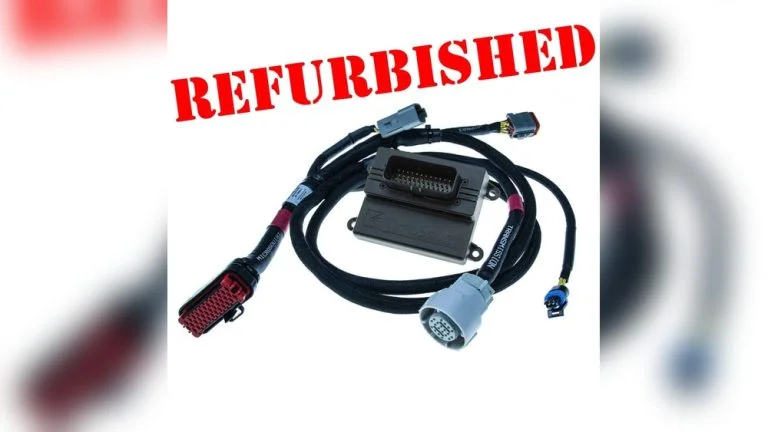
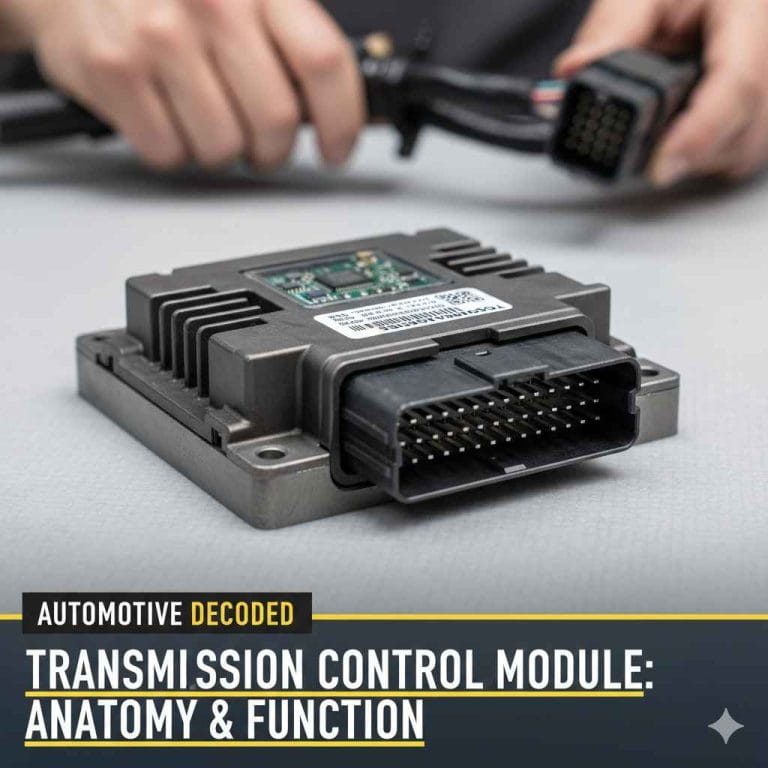
Module replacement is rarely the first move. OEM service information should come first so you can confirm feed, ground, pinout, and any programming or relearn needs before you condemn the controller.
Shared power and ground faults
If the transmission shares power or ground with other systems, one bad connection can trigger several unrelated codes. That is why you should inspect battery cables, chassis grounds, and transmission grounds before you replace a solenoid or module.
Programming and relearn decisions
Some modules need programming or adaptation after replacement, and some transmissions need a relearn procedure after repair. If the original fault is hydraulic or wiring-related, a module swap without the correct setup can leave the same drivability complaint in place.
Should you replace the solenoid, valve body, or module first?
Replace nothing first. Isolate the fault by test, because P0796 can be caused by a solenoid coil, a sticky valve body, a wiring defect, a case connector fault, or a voltage problem. The cheapest bad guess is still a bad guess.
Start with the electrical and scan-data checks, then move to hydraulic evidence. If the coil fails resistance or continuity checks, the solenoid is the likely first repair. If the electrical tests pass and debris or sticking is present, valve-body service moves up the list. If voltage or shared-ground faults are present, fix those before replacing transmission parts.
Common replacement order
For most cases, the sensible order is: verify voltage and grounds, inspect the wiring and connector, test the solenoid circuit, then evaluate the valve body. Only after those checks should you consider module replacement or reprogramming.
What other codes commonly appear with transmission pressure control solenoid faults?
Other pressure-control, gear-ratio, shift, and solenoid circuit codes often appear with P0796. Companion codes can point you toward the fault zone faster than P0796 alone, especially when the issue is shared power, ground, or a hydraulic response problem.
Pay attention to whether the extra codes are electrical, pressure-related, or performance-related. A cluster of transmission codes with low-voltage codes often points away from the solenoid and toward power supply or grounding.
Code combinations and what they imply
- P07xx shift or ratio codes. These often support a pressure-control or hydraulic response problem.
- Solenoid circuit codes. These point more strongly to wiring, connector, coil, or driver issues.
- Low-voltage or communication codes. These raise suspicion for battery, charging, feed, or ground faults.
Frequently asked questions
What does P0796 code mean on a transmission?
P0796 generally means pressure control solenoid C performance or stuck off. The exact wording can vary by VIN and manufacturer, so use OEM service information to confirm which solenoid, circuit, and pressure strategy the code refers to on your vehicle.
Can I drive with a P0796 code?
Maybe briefly, if the transmission still shifts normally and is not in fail-safe mode. If it is stuck in limp mode, slipping, or shifting harshly, limit driving and diagnose it soon because continued operation can raise repair cost and damage.
Is the pressure control solenoid bad or is it wiring?
Either one is possible, and a valve-body or voltage problem can look the same. Check the connector, wiring, resistance, continuity, and voltage drop before replacing the solenoid. If those tests pass, move to hydraulic checks and module command response.
What symptoms does a pressure control solenoid problem cause?
Common symptoms include harsh shifts, delayed engagement, slip, warning lamps, and limp mode. Some vehicles only set a pending code at first, while others show immediate fail-safe behavior if the fault is hard and continuous.
How do you test a transmission pressure control solenoid circuit?
Use a scan tool to save freeze-frame and live data, inspect the connector and wiring, then test coil resistance, continuity, and voltage drop with a multimeter. If available, command the solenoid with the scan tool and compare the response to OEM pressure data.
Will low battery voltage or a bad connector trigger a P0796 code?
Yes. Low system voltage, shared ground faults, water intrusion, corroded terminals, and bent pins can all create false or shared faults. Save battery voltage before clearing codes, because a weak electrical system can point you in the wrong direction.
Should I replace the solenoid, valve body, or transmission control module first?
No single part should be replaced first without testing. Start with battery and charging voltage, then wiring and connector inspection, then solenoid electrical checks, then valve-body evidence, and only then module diagnosis or programming decisions if the rest of the circuit proves sound.
Products related to this article
Sponsored / affiliate links. As an Amazon Associate I earn from qualifying purchases. I may earn additional commission from eligible campaigns.