How to Find and Fix a Brake Fluid Leak Fast
Find a brake fluid leak quickly by starting with pedal feel: if the pedal sinks, feels soft, or the brake warning light is on, stop driving; if the wet spot is at a wheel, the master cylinder, or under the booster, that usually points to the failed part. Leaving it alone can lead to sudden brake loss, rotor damage, and a tow instead of a small seal or line repair. This guide gives you a fast decision path to locate the leak, judge driveability, and identify the likely component before you replace anything.
What you’ll need


- Flashlight
- Gloves and safety glasses
- Paper towels or clean rags
- Brake cleaner
- Jack and jack stands, if you need under-vehicle access
- Wheel chocks
- Turkey baster or clean syringe for fluid level checks only, not for contaminated fluid reuse
- Use the brake fluid type listed in the owner’s manual, commonly DOT 3, DOT 4, DOT 5, or DOT 5.1.
- Drip pan or disposable absorbent pads
📊 DOT 3 is the most common brake fluid type mentioned in the article. Source: Thedrive brake fluid leak article.
Brake leak triage matrix
This matrix narrows the leak by symptom and location before you buy parts. Start with the pedal and reservoir, then inspect the exact area named by the symptom. A red warning light with a sinking pedal is a stop-driving condition.
| Symptom | Likely source | Where to inspect first | Immediate drive decision | Repair complexity |
|---|---|---|---|---|
| Pedal sinks to the floor | Master cylinder, line, hose, caliper, wheel cylinder | Under booster, along lines, at each wheel | No-drive. Tow | Moderate to high |
| Soft or spongy pedal with low reservoir | External leak or air from a leak | Reservoir, then visible dampness at wheels and under car | No-drive until source is found | Varies by source |
| Wetness inside one front wheel | Caliper seal or brake hose | Behind wheel, caliper body, hose junction | No-drive if fluid is fresh and level drops | Moderate |
| Wetness inside one rear wheel on drum brakes | Wheel cylinder | Behind rear brake drum | No-drive if wetness is active | Moderate |
| Puddle under middle of car | Brake line | Under the vehicle along the hard line route | No-drive. Tow | Moderate to high |
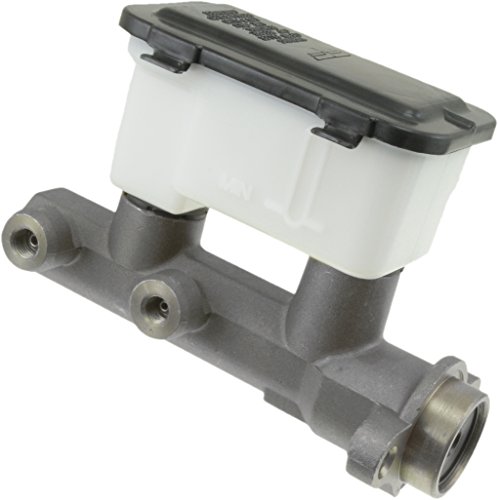
| Fluid under master cylinder or booster | Master cylinder leak | Engine bay, firewall area, booster face | No-drive. Tow | Moderate |
| Red brake warning light with low reservoir | Hydraulic loss until proven otherwise | Reservoir and the full system | No-drive. Tow | Varies by source |
| Low reservoir, no wet spot visible | Small external leak or pad wear | All four wheels, lines, master cylinder, ABS hydraulic unit area | Do not top off and forget it; inspect first | Varies by source |
How do I find a brake fluid leak fast?
Start with pedal feel and reservoir level. If the pedal sinks, feels soft, or a red brake warning is on, stop driving and look for wetness at the master cylinder, lines, hoses, calipers, or wheel cylinders before adding fluid. That order finds the fault faster than checking every wheel at random.
-
Check pedal feel first.
Press the brake pedal with the engine running and note whether it sinks, feels spongy, or stays firm. A pedal that goes to the floor can point to a leak. -
Inspect the reservoir.
Open the hood and check the brake fluid reservoir in the engine bay before topping off anything. Low fluid is a leak clue, but worn pads can also lower the level. -
Scan for wetness.
Look under the car, around each wheel, and under the master cylinder. Brake fluid is often clear to amber, so damp shine and color both can help spot it; it can also feel close to vegetable oil when spilled. -
Follow the wet path.
If you find fluid inside a wheel, inspect the caliper or wheel cylinder first. If you find a damp line or hose, trace it to the next dry fitting to narrow the failure before replacing anything. -
Confirm with pressure testing.
If no puddle is visible, a shop pressure test or leak detection setup can expose a small external leak. That is useful when the reservoir keeps dropping but the source is hidden.
Say your reservoir is down halfway and the left-front wheel is damp inside the rim. That points first to the caliper seal or brake hose, not the master cylinder, because the wetness is concentrated in the wheel area.
Suppose the pedal feels firm at first, then slowly sinks while the brake warning light is red. That combination is a no-drive situation until the source is isolated, because hydraulic loss can be present even without a large puddle.
What you’ll inspect by location
- Under the car: brake lines and hoses can crack, rust, or puncture. They are high-pressure hydraulic paths and need close inspection along their full length.
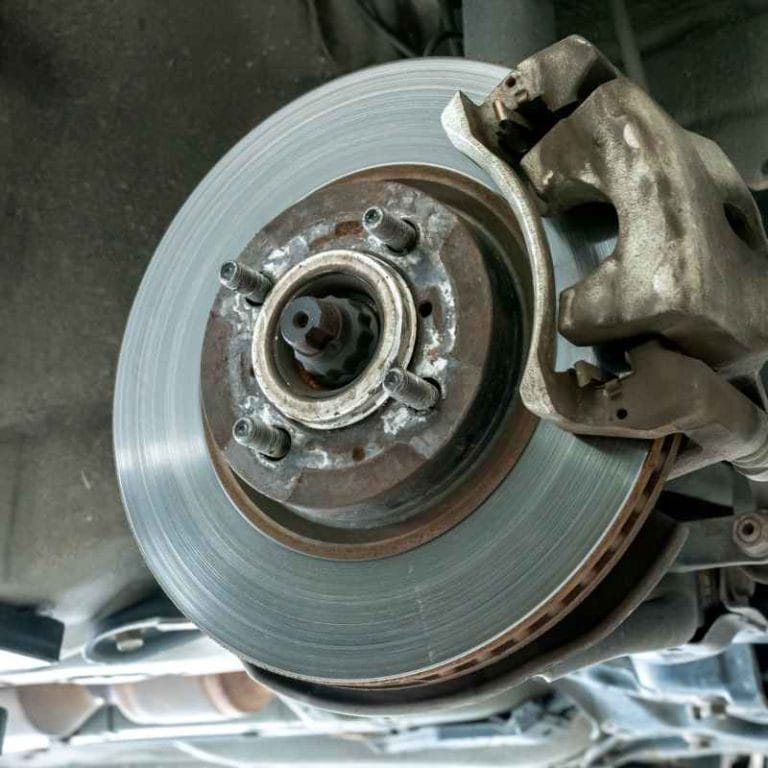
- At each wheel: look behind the wheel for wetness at the caliper, hose connection, or wheel cylinder.
- In the engine bay: inspect the master cylinder and reservoir area for dampness under or around the unit.
- Near the rear drums: check behind the drum if the vehicle has drum brakes; a wheel-cylinder leak hides there.
Can I drive with leaking brake fluid?
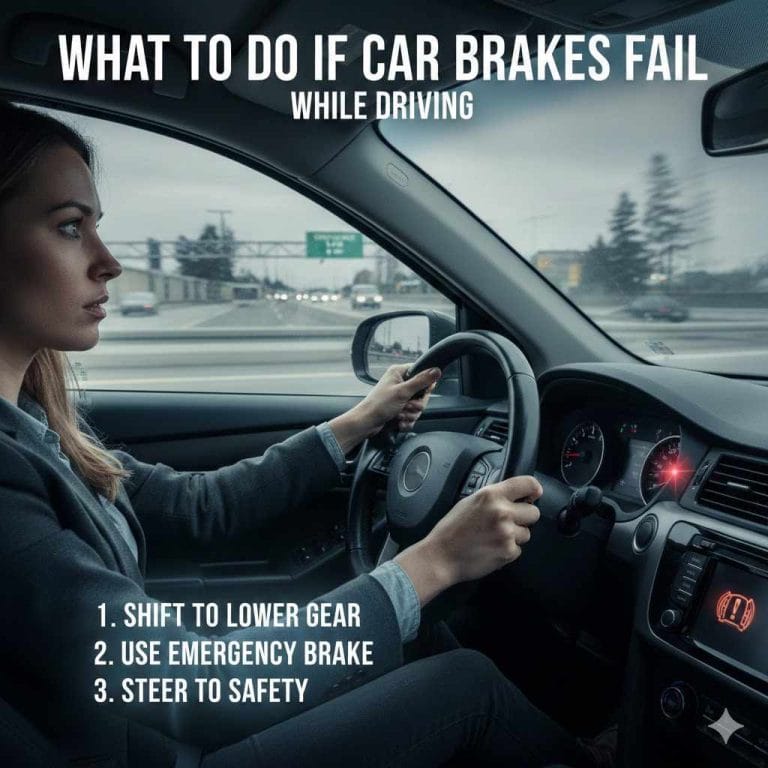
If the pedal is sinking, the reservoir is dropping fast, or a red brake warning is on, do not drive. A red warning with low fluid can mean hydraulic loss and should not be driven. Even a short trip can turn a repairable leak into a brake failure or damage pads, shoes, and rotors.
If the reservoir is merely low and the pedal is still firm, do not treat that as clearance to drive without inspection. Low fluid can be caused by worn pads, not only by a leak, so you still need to find the cause before the level is corrected.
Stop-driving signs
- Pedal goes to the floor
- Red brake warning light is on
- Visible fresh fluid at a wheel, line, or master cylinder
- Reservoir level continues to fall after a refill
How do I check my brake fluid level?
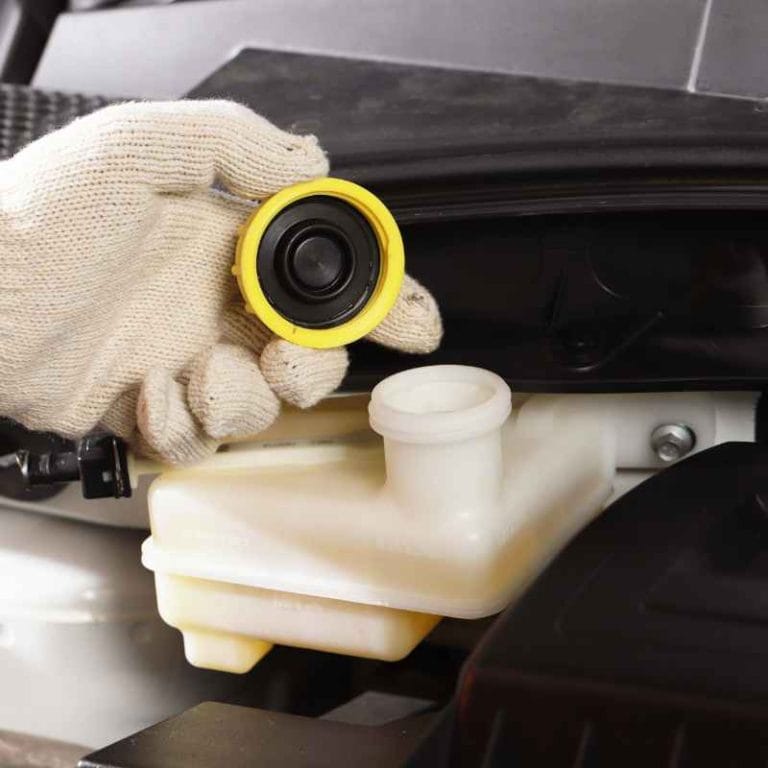
Open the hood and check the brake fluid reservoir in the engine bay before any top-off. The level should sit between the molded MIN and MAX marks or within the marked range on the reservoir. If it is low, inspect the system first so you do not hide a leak or overfill a worn-pad system.
-
Park level and cool.
Set the parking brake, shut the engine off, and let the vehicle sit on level ground. If you need to lift it, follow the vehicle manual, never work under a vehicle supported only by a jack, and use jack stands. -
Find the reservoir.
Open the hood and locate the brake fluid reservoir near the firewall. Clean the cap area first so dirt does not fall inside. -
Read the level marks.
Look at the translucent reservoir or the marked cap area without opening the system more than needed. If the level is low, inspect for leaks before adding fluid. -
Check fluid condition.
Dark, dirty, or degraded fluid may need bleeding or a flush after the leak is fixed. Moisture contamination lowers performance, so old fluid is not a reason to skip repairs. -
Add only as needed.
If you must top off for diagnosis, add about 1 to 2 ounces at a time, then recheck. Do not overfill, because the level can rise again after pad wear is corrected or components are replaced.
How do I tell brake fluid from other car fluids?
Brake fluid is often clear to amber, but color alone is not enough because small leaks can be faint. It often feels slippery, close to vegetable oil, and it tends to collect near brake parts rather than near the engine or transmission.
- Brake fluid: near wheels, hard lines, hose fittings, master cylinder, or under the booster
- Engine oil: darker, thicker, and usually found under the engine
- Coolant: watery and often sweet-smelling, usually near hoses or the radiator area
- Transmission fluid: often red or amber, with a different feel and location
Do not use odor or color alone to clear a leak. Location matters more, especially near the master cylinder, wheel area, or brake line routing.
What causes brake fluid to leak?
Most leaks come from the hydraulic hardware that carries fluid from the master cylinder to the wheels. Heat can break down caliper seals over time and cause leaks, lines can rust or crack, hoses can split, and wheel cylinders can seep behind rear drums. The master cylinder can also leak internally or externally.
Common source clues
- Master cylinder: fluid under the reservoir or booster, or a pedal that sinks
- Brake line: wet line or puddle under the vehicle
- Brake hose: damp flexible hose near a wheel
- Caliper seal: wetness inside the wheel area, often with pad contamination
- Wheel cylinder: wetness behind a rear drum
- ABS hydraulic unit: fluid loss near the module; needs separate diagnosis from a sensor fault
A common first-timer mistake is assuming every low reservoir means a leak. If the pads are worn thin, the caliper pistons sit farther out and the reservoir level drops, but the system may still be dry. Check pad thickness and wheel-area wetness before replacing parts.
Do I need to replace brake fluid or repair the leak?
Repair the leak first, then decide whether the fluid also needs replacement. If the system lost fluid, opened to air, or shows dirty fluid, bleeding is usually needed after repair. A contaminated system may also need a flush so air and degraded fluid do not stay in the lines.
-
Replace the failed part.
Rebuild or replace the leaking caliper, hose, line, wheel cylinder, or master cylinder as appropriate. Follow the vehicle manual for any model-specific steps and torque values. -
Bleed the brakes.
Bleeding removes air after repair, and a full flush may be needed if the fluid is contaminated. The exact sequence varies by vehicle, so use the manual’s order rather than guessing. -
Recheck the level.
Fill to the marked range and pedal-test the system before driving. If the pedal still sinks, stop and recheck for another leak.
DOT 4, DOT 5, and DOT 5.1 are not all interchangeable, so match the vehicle specification and do not mix types unless the manual allows it.
How much does brake fluid leak repair cost?
| Leak source | Typical repair path | Cost guidance | Why cost changes |
|---|---|---|---|
| Brake hose | Replace hose, bleed circuit | Varies by model and region | Access and bleeding time |
| Brake line | Replace line section or full line, bleed system | Varies by model and region | Rust, line length, labor access |
| Caliper seal | Rebuild or replace caliper, inspect pads and rotor | Varies by model and region | Contamination and brake wear |
| Wheel cylinder | Replace cylinder, inspect shoes and drum | Varies by model and region | Rear drum labor and cleanup |
| Master cylinder | Replace master cylinder, bleed system | Varies by model and region | Parts price and hydraulic bleeding |
| ABS hydraulic unit | Diagnosis, leak confirmation, replacement if needed | Varies by model and region | Complex module access and programming |
Common mistakes
- Topping off first: it can hide the leak source and delay the real fix.
- Ignoring pad wear: low fluid is not always a leak, so inspect pad thickness too.
- Mixing fluid types: use the specification on the reservoir cap or in the owner’s manual.
- Missing rear drums: a wheel-cylinder leak hides behind the drum and may not puddle outside.
- Reusing contaminated pads or shoes: fluid-soaked friction material often needs replacement, not just cleaning.
- Skipping bleed and flush: air and dirty fluid can remain after the leak is fixed.
How do I clean up brake fluid safely?
Blot the spill immediately, then wash painted surfaces with plenty of water and mild soap. Use brake cleaner only on metal brake parts and only where the product label allows it. Keep fluid off pads, shoes, and rotors; if friction material is soaked, replacement is usually the safer path.
If brake fluid reaches the floor or driveway, absorb it with paper towels or absorbent pads, bag the waste, and clean the area again with soap and water. Do not let brake fluid sit on paint, because it can damage the finish quickly.
Frequently asked questions
How will brake fluid leakage show up?
It usually shows as a soft or sinking pedal, a low reservoir, a red brake warning light, or wetness near a wheel or under the master cylinder. Brake fluid can be hard to see because it is often clear to amber, so touch and location matter as much as appearance.
Products related to this article
Sponsored / affiliate links. As an Amazon Associate I earn from qualifying purchases. I may earn additional commission from eligible campaigns.
 Brake Fluid Liquid Tester Pen, Brake Fluid Tester with 5 LED Indicators, Brake Fluid Liquid Testing Pen for DOT 3 DOT 4 DOT 5.1 Vehicle, Auto Tester Tool, Diagnostic Testing Tool.
 HT5009 Brake Fluid Liquid Tester Brake Oil Detecting Pen Flexible Probe 3 Colors Backlit High-Precision tomobile Brake Fluid Content Detector for DOT3 DOT4 DOT5.1