Transmission Control System Harsh Shifting: Common Fixes
Harsh shifting usually comes from low or degraded fluid, electrical faults, or a control adaptation problem; if the transmission slips, bangs into gear, or sets a code, start with fluid level and scan data before parts replacement. Ignoring it can overheat clutches, damage mounts, and turn a fixable control issue into internal transmission wear. This guide gives symptom-based checks, the common fixes, and the signs that mean the unit needs professional diagnosis.
Harsh shift diagnosis matrix


Use the symptom pattern first. The same transmission can point to a simple fluid issue in one case and internal wear in another. This matrix sorts the first check, likely cause, and urgency by how the harsh shift shows up.
| Symptom pattern | Likely cause | First check | Recommended fix | Urgency | Do not continue driving? |
|---|---|---|---|---|---|
| Cold-only harsh upshift | Fluid viscosity, adaptation, or sticky valve body behavior when cold | Fluid level and condition before warm-up, then scan for codes | Top up or service fluid if low or degraded; relearn if codes and service history support it | Moderate | No, unless it becomes a bang, slips, or sets a light |
| Hot-only harsh shift | Low fluid, degraded fluid, pressure loss, or internal wear that shows up after heat builds | Check for leaks, fluid color, and burnt smell | Repair leak, service fluid if it still looks healthy enough, then scan and road-test | High | Yes, if it worsens with heat or starts slipping |
| Bang into Drive/Reverse | High line pressure, delayed engagement, worn mounts, low fluid, or control fault | Fluid level, shift timing, and whether the engine speed rises before engagement | Inspect fluid and mounts; scan codes; check pressure control and solenoids | High | Yes, if the engagement is violent or delayed |
| Post-battery harsh shifting | Lost adaptation after battery disconnect or recent service | Recent battery work and whether the symptoms began right after it | Perform relearn or reset procedure that matches the vehicle; verify codes first | Low to moderate | No, unless warning light or slip appears |
| Warning light plus harsh shifts | Control fault, sensor fault, solenoid issue, or limp mode | Scan for stored codes and note gear-range limits | Follow codes, inspect wiring, and confirm whether the unit is in failsafe operation | High | Yes, if it is stuck in one gear or loses normal range |
| Intermittent harsh shifting | Wiring, connector corrosion, sensor dropouts, or intermittent solenoid fault | Connector condition, routing of the transmission wiring, and code history | Clean or repair connectors, repair wiring, then retest with live data | Moderate | No, unless it escalates to warning light or limp mode |
| Hard downshift on decel | TPS input error, speed input error, or shift timing problem | Throttle and speed data, then codes for input mismatch | Check TPS and VSS signals, then inspect solenoids and control logic | Moderate to high | Only if the downshift is violent or accompanied by slip |
| Harsh shifting with slipping | Internal clutch wear, pressure loss, or advanced transmission damage | Fluid condition, slip behavior, and scan data | Do not rely on a fluid service alone; pressure test and inspect for internal wear | Critical | Yes |
Why does my transmission shift hard?
Harsh shifting means the gear change feels abrupt, delayed, or forceful instead of smooth. It can show up as a rough upshift, a delayed gear change, or a bang into gear. When the symptom changes with temperature, load, or warning lights, that pattern points you toward different checks and away from random parts swapping.
Fluid level, condition, and leaks
Automatic transmission fluid affects pressure control and shift quality. Low fluid can create unstable pressure and harsh shifts, while old or degraded fluid can also cause delayed or harsh gear changes. Check level the way the vehicle maker specifies, then inspect color, smell, and leaks around the pan, cooler lines, and seals.
Healthy fluid is usually closer to red or amber, depending on the design and age. Burnt odor, very dark color, or debris on the dipstick or in the pan points to more than a simple service. If fluid is low, find the leak first. A refill without repair only hides the problem.
When temperature changes the symptom
A harsh shift only when cold points differently than symptoms after warming up. Cold-only harsh upshifts often suggest fluid flow, adaptation, or valve movement that changes as the unit warms. Hot-only harsh shifts are more concerning because they often involve pressure loss, degraded fluid, or wear that appears after heat thins the fluid.
Say your SUV shifts hard only on the first two upshifts each morning, then feels normal after 10 minutes. That pattern leans toward a cold-related control or fluid issue. Now picture the same SUV shifting normally cold, then banging into 3rd after a highway drive. That hot-only pattern raises the urgency.
When harsh shifting points to internal damage
Harsh shifting by itself does not prove internal failure. But if the shift is paired with slipping, delayed engagement, repeated flare, or a burnt-fluid smell, the risk rises fast. At that point, a fluid service may not solve it, and continued driving can turn wear into a bigger repair.
Can low fluid or battery work cause it?
Yes. Low fluid can cause harsh shifting, and a recent battery disconnect can relate to adaptation issues after service. Those are among the first places to look because they are simpler and more likely to explain a new symptom than a transmission teardown. Start with fluid level and scan data before parts replacement.
Automatic transmission fluid checks that matter first
Check the fluid level, color, and smell first. Also inspect for leak traces near the pan gasket, cooler hoses, axle seals, and transmission case. If the fluid is low or looks badly degraded, that can explain hard shifts, delayed shifts, or unstable line pressure.
If the fluid is only slightly low and the transmission still engages cleanly, fixing the leak and restoring the correct level may help. If the symptom includes slip, a harsh downshift, or a warning light, do not treat fluid service as a cure-all. That combination needs scan data and a deeper diagnosis.
Battery disconnect, reset, and relearn effects
After battery work, some vehicles need a control module relearn to restore shift quality. A reset can clear stored adaptation, but it does not repair a bad solenoid, worn clutch pack, or failed sensor. If the harsh shift began right after battery replacement or a long power loss, adaptation belongs near the top of the list.
A control relearn may improve shift timing after battery disconnect, after solenoid replacement, or after valve-body service. It should be done with the right procedure for the vehicle, and only after basic checks and stored codes are reviewed. A reset alone is not a fix for every harsh-shift complaint.
When a fluid service or relearn can help
- Confirm the symptom began after recent battery work or after a fluid service interval.
- Check ATF level and condition before assuming the transmission is worn out.
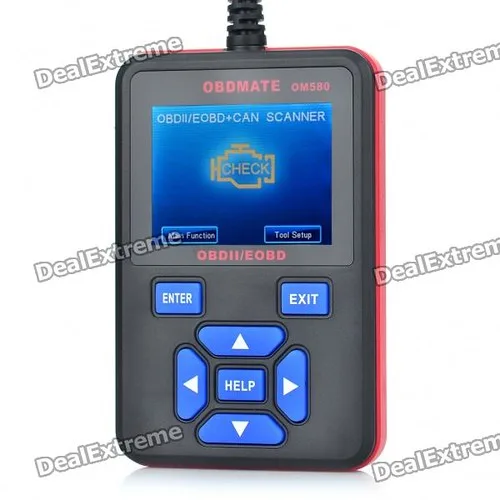
- Scan for stored codes before clearing anything.
- If fluid is low or degraded, repair leaks and service the fluid.
- If the symptom started after battery disconnect or module work, perform the relearn procedure specified for the vehicle.
What electrical faults cause harsh shifts?
Electrical faults can change shift timing, pressure control, and gear selection. Wiring problems can cause intermittent transmission issues, and shift solenoids can stick or fail electrically or hydraulically. If the symptom comes and goes, or appears with a warning lamp, the electrical side deserves careful inspection before major repair decisions.
Wiring and connector checks for corrosion or damage
Inspect the transmission connector, pin seals, grounds, and wire routing for corrosion, fluid intrusion, bent terminals, heat damage, or rubbed insulation. Even a small connector problem can cause intermittent signal loss and erratic shifts. This is especially important when the complaint is not constant.
One bad pin can mimic a failed transmission part. Look closely near the transmission case connector and wherever the wiring bends or clips to the body. If corrosion or broken insulation is present, repair it before condemning the control module.
Shift solenoids and their code patterns
Shift solenoids are electro-hydraulic valves that help command gear changes. If a solenoid sticks or fails, shift timing can go off and the transmission may shift hard, flare, or hesitate. Scan data and trouble codes often point toward a specific circuit or gear ratio problem before any part comes off the vehicle.
Common code families vary by manufacturer, but solenoid-related codes usually track with shift timing, circuit faults, or ratio errors. A code does not prove a solenoid is bad by itself. It does tell you where to inspect next, which is better than guessing at random parts.
Transmission warning light and limp mode clues
Hard shifting with a transmission warning light is more serious than hard shifting alone. A warning light can appear when the control system sees a fault serious enough to affect shift quality, and the transmission may enter protective mode. That can include a gear-range restriction or one-gear behavior.
A warning light with the transmission stuck in one gear can indicate limp mode. Confirm it with a scan tool, because limp mode is a failsafe operation, not a normal shift pattern. If the vehicle stays in one gear, keep driving only long enough to get it safely inspected.
Can sensors or the TCM cause it?
Yes. The Transmission Control Module gives gear-shift commands, and bad input from sensors can make those commands wrong. Faulty TCMs can lead to unpredictable gear shifts, but sensor and wiring faults are often more common. Scan data matters here because the symptom can overlap across several systems.
Vehicle speed sensor problems
The Vehicle Speed Sensor feeds speed input to transmission control. If the signal is inconsistent, the module may command unexpected shifts or hold gears too long. That can create a harsh shift, especially if the speed signal drops out during decel or during a gear change.
Look for codes tied to speed signal loss or implausible readings, then check live data for jumps, dropouts, or readings that do not match road speed. A bad sensor is possible, but so is damaged wiring between the sensor and the module. Diagnose the signal before replacing parts.
Throttle position sensor problems
The Throttle Position Sensor tells the transmission how much load the engine is under. If that input is wrong, the unit may change gears at the wrong time or with poor shift quality. A TPS problem can overlap with engine hesitation, delayed kickdown, or an unexpected downshift.
Hard downshift on decel is one of the patterns that can point here. If the transmission slams into a lower gear when you lift off the throttle, compare TPS data with pedal movement and scan for related engine or transmission codes. The symptom alone is not enough; the input data must agree.
TCM faults, reset, or reprogramming
A bad TCM can cause harsh shifting, erratic shift scheduling, or a transmission that stays in one gear. The module commands the shift strategy, so when it fails, the result can look random. Still, many apparent TCM problems turn out to be fluid, wiring, or sensor faults feeding bad information into the module.
Replacement or reprogramming may be needed if scan data and code checks support it. Reset and relearn can help after service, but they are not a cure for a faulty module. If the TCM stores codes that return quickly, or the transmission stays in one gear, the problem needs professional diagnosis.
When does hard shifting mean internal damage?
Hard shifting is more concerning when it comes with slipping, delayed engagement, or repeated harsh downshifts under load. Those symptoms suggest the transmission may be losing hydraulic control or clutch capacity. At that stage, fluid service alone may buy little time, and continued driving can make the damage worse.
Signs that call for pressure testing or teardown
Use a scan tool first, but do not stop there if the symptom is severe. Pressure testing becomes important when the transmission bangs into gear, slips on the shift, or acts differently hot versus cold in a way that suggests pressure loss. If the fluid smells burnt or the pan has heavy debris, teardown becomes more likely.
Suppose a sedan shifts hard into Drive, then flares on the 2-3 upshift and shows a burnt-fluid smell. That combination points beyond a basic relearn. A fluid service might improve driveability briefly, but the clutch pack or pressure system needs a deeper inspection.
When to stop driving
Stop driving if the warning light is on and the transmission is stuck in one gear, if slip is present, or if the vehicle bangs into gear hard enough to shake the drivetrain. Those are not symptoms to “monitor for a week.” They are signs that the unit may be in limp mode or slipping toward greater damage.
If the vehicle still moves but the shifts have become violent or delayed, limit driving and get a scan as soon as practical. A transmission that keeps slamming, slipping, or refusing normal gear changes can overheat itself quickly.
Frequently asked questions
Why is my transmission shifting hard?
Hard shifting usually points to low or degraded fluid, a wiring or sensor problem, a control adaptation issue, or internal wear. The way it shifts matters. Cold-only harshness, hot-only harshness, or a bang into gear each points you toward different checks, starting with fluid level and stored codes.
Can low transmission fluid cause harsh shifting?
Yes. Low transmission fluid can create unstable pressure and harsh shifts. Check the level, color, smell, and leaks before assuming a major failure. If the fluid is low because of an active leak, fixing the leak matters as much as topping off the fluid.
Will a transmission reset fix hard shifting?
A reset can help when the problem is adaptation after battery disconnect, solenoid replacement, or valve-body service. It will not fix worn clutches, a failing solenoid, or a bad TCM. If codes return quickly, or the transmission slips or bangs into gear, a reset alone is not enough.
What codes cause harsh shifting?
Codes tied to shift solenoids, speed input, throttle input, gear-ratio errors, or transmission control faults can all be involved. The exact code set varies by vehicle, so the code matters less than the pattern. Use the code to guide diagnosis, then check fluid, wiring, and live data.
Is hard shifting a sign of transmission failure?
Sometimes, but not always. Hard shifting can come from fluid problems, sensor errors, wiring faults, or a TCM issue. It becomes more likely to mean internal failure when it is paired with slipping, delayed engagement, burnt fluid, or repeated harsh downshifts under load.
Should I keep driving if my transmission shifts harshly?
If there is a warning light, limp mode, slipping, or a bang into gear, do not keep driving normally. Harsh shifts can damage mounts, clutches, and other parts if the cause is severe. Short, careful driving to a repair spot is different from continuing to use the vehicle as usual.
Products related to this article
Sponsored / affiliate links. As an Amazon Associate I earn from qualifying purchases. I may earn additional commission from eligible campaigns.