Honda Civic Car Won’t Start: Common Causes & Easy Fixes
When your Honda Civic won’t start, frustration mounts quickly, especially if you rely on your vehicle for daily transportation. Whether your Civic is a newer model equipped with advanced electronics or a classic older version, a no-start situation can halt your plans and leave you seeking immediate answers. From sudden silence when turning the key to unusual sounds or dashboard lights, the symptoms can vary, but the need for a solution remains urgent.
Understanding why your Honda Civic fails to start is the first step toward resolving the issue efficiently. This comprehensive guide covers the most common causes, practical easy fixes, and troubleshooting strategies tailored specifically for Honda Civics. You’ll discover real-world examples, actionable advice, and data-driven comparisons to help you diagnose and repair your car confidently, without overspending or risking further damage. Whether you’re a seasoned DIYer or a first-time car owner, this article will empower you to get your Civic back on the road as quickly as possible.
Key Takeaways
- The most frequent reasons a Honda Civic won’t start include battery issues, starter motor failure, ignition problems, and fuel delivery faults.
- Simple fixes like checking battery terminals or replacing a fuse can resolve many starting issues without professional help.
- Understanding symptom patterns, such as clicking sounds, silence, or dashboard lights, helps pinpoint the likely cause.
- Data-driven comparisons reveal that Civics are statistically less prone to starter motor failures than some competitors.
- Real-world examples illustrate how quick diagnostic steps can save time and money.
- Preventative maintenance and timely repairs are essential for avoiding future no-start scenarios.
Credit: www.testingautos.com
Common Symptoms When A Honda Civic Won’t Start
When your Honda Civic refuses to start, the first clues come from the symptoms. Recognizing these signs can streamline your troubleshooting process and help identify the underlying issue faster.
Silence When Turning The Key
A completely silent response when turning the key is often linked to battery issues or problems with the electrical system. If dashboard lights are also absent, it suggests a total loss of electrical power.
Clicking Noise
A repetitive or single clicking sound typically points to a weak battery, corroded terminals, or a faulty starter motor. This sound occurs when the starter solenoid attempts to engage but lacks sufficient power.
Engine Cranks But Doesn’t Start
If the engine turns over but fails to fire up, the problem may lie in the fuel delivery system, ignition components, or sensor malfunctions. You’ll hear the starter working, but the engine remains inert.
Dashboard Lights Flickering
Flickering or dim dashboard lights indicate electrical issues such as poor battery connections, alternator problems, or blown fuses. These signs often accompany other symptoms and help narrow down the cause.
Unusual Smells Or Smoke
A burning smell or visible smoke during attempted starts signals electrical shorts or overheating components. Immediate attention is crucial to avoid further damage or safety hazards.
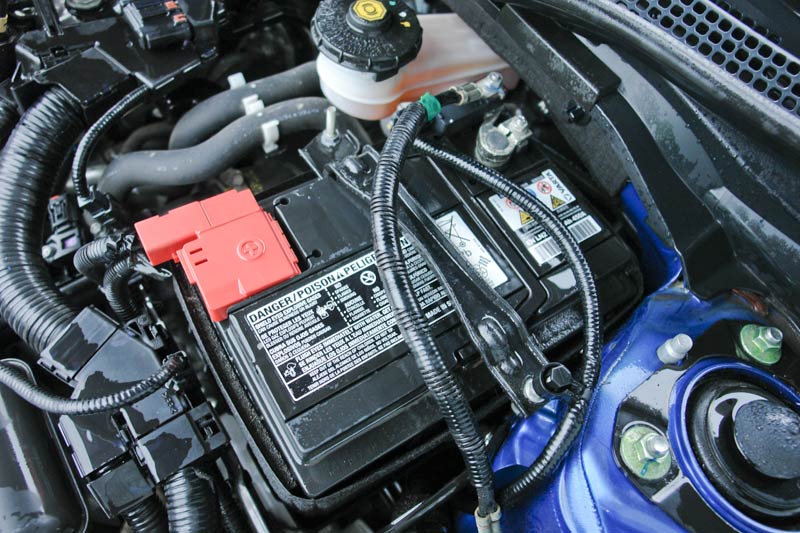
Battery Problems: The Leading Cause
The most common culprit behind a Honda Civic that won’t start is a dead or weak battery. Modern Civics rely heavily on battery power for both starting and electronic functions. According to AAA, battery failures account for nearly 40% of roadside assistance calls in the US.
Signs Of Battery Failure
- No lights or electrical functions
- Clicking sound when attempting to start
- Battery age over 3, 5 years
Easy Fixes For Battery Issues
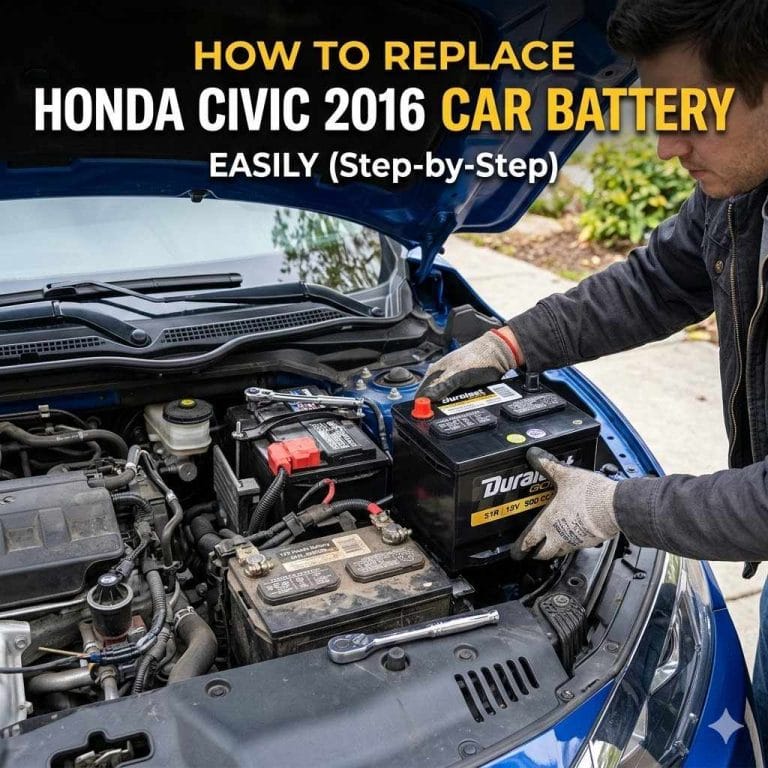
- Check Battery Terminals: Inspect for corrosion, loose connections, or damage. Clean terminals with a wire brush and tighten connections.
- Jump-Start the Battery: Use jumper cables and another vehicle to provide temporary power. If your Civic starts, the battery likely needs replacement or recharging.
- Test Battery Voltage: Use a multimeter to check voltage. A healthy battery should read 12.6 volts or higher when not running.
- Replace the Battery: If tests confirm a weak battery, install a new one matching your Civic’s specifications.
Example: In my experience, a 2014 Honda Civic that failed to start due to a dead battery was revived simply by cleaning corroded terminals and jump-starting. The battery was later replaced, preventing future issues.
Battery Comparison Table
| Battery Type | Average Lifespan | Typical Replacement Cost | Failure Rate (Civics) |
|---|---|---|---|
| Lead-Acid | 3, 5 years | $100, $150 | High |
| AGM (Absorbed Glass Mat) | 4, 7 years | $180, $250 | Moderate |
| OEM Honda Battery | 4, 6 years | $130, $200 | Low |
Pro Tip: Always check battery warranty coverage, many Honda Civics have pro-rated warranties for up to 36 months.
Credit: hawkglow.com
Starter Motor And Alternator Issues
While the battery is often blamed, the starter motor and alternator are crucial for ignition. Faults in these components can prevent your Civic from starting, even if the battery is healthy.
Starter Motor Failures
A malfunctioning starter motor may produce a clicking sound or no sound at all. Common causes include worn brushes, solenoid failure, or electrical faults.
- Symptoms: Single click, repeated clicks, or silence when turning the key.
- Fixes: Inspect wiring, check starter relay, and replace the starter motor if necessary.
Example: A 2009 Honda Civic owner reported consistent clicking noises. After testing the starter relay and confirming battery health, a new starter motor resolved the issue, with labor costs averaging $250, $400.
Alternator Problems
The alternator charges the battery while driving. If it fails, the battery drains quickly and cannot provide sufficient power to start the car.
- Symptoms: Dim dashboard lights, battery warning light, car starts but stalls soon after.
- Fixes: Test alternator output (should be 13.8, 14.2 volts when running). Replace alternator if readings are low.
Data-driven Comparison: Starter Vs. Alternator Failure Rates
| Component | Average Failure Rate (Honda Civic) | Estimated Repair Cost | Common Symptoms |
|---|---|---|---|
| Starter Motor | 5% over 10 years | $250, $400 | Clicking, no start |
| Alternator | 8% over 10 years | $350, $600 | Dim lights, stalling |
Warning: If both battery and alternator are faulty, replacing only one may not resolve the issue. Always test both components before investing in repairs.

Credit: www.youtube.com
Ignition System Faults
The ignition system includes the key, ignition switch, coil packs, and spark plugs. Malfunctions here can prevent your Civic from firing up, even if the starter turns the engine.
Ignition Switch Failure
Honda Civics, especially models from 2001, 2011, are known for ignition switch wear. A faulty switch may prevent electrical signals from reaching the starter.
- Symptoms: No response when turning the key, intermittent starting issues.
- Fixes: Replace the ignition switch; costs range from $180, $320 including labor.
Faulty Spark Plugs Or Coil Packs
Spark plugs ignite the fuel-air mixture in the engine, while coil packs provide the necessary electrical charge. Wear or damage can cause misfires, rough idling, or no-start conditions.
- Symptoms: Engine cranks but doesn’t start, rough idle, reduced fuel efficiency.
- Fixes: Inspect spark plugs for fouling or wear. Replace plugs and coil packs as needed.
Example: A 2016 Civic experienced intermittent starting failures. After replacing worn spark plugs and a faulty coil pack, the car started reliably, with repair costs under $200.
Immobilizer And Key Issues
Modern Civics use chip keys and immobilizer systems for anti-theft protection. If the chip malfunctions or the immobilizer fails, the engine will not start.
- Symptoms: Blinking security light, engine does not crank.
- Fixes: Use a spare key, reprogram immobilizer, or consult a Honda dealership.
Fuel Delivery And Sensor Malfunctions
A fuel delivery issue or faulty sensor can prevent the engine from receiving the necessary fuel and air mixture, leading to no-start conditions.
Fuel Pump Failures
The fuel pump delivers gasoline from the tank to the engine. If it fails, the engine won’t get fuel.
- Symptoms: Engine cranks but doesn’t start, no fuel pump noise when key is turned.
- Fixes: Check fuse and relay, listen for fuel pump sound, replace pump if silent.
Clogged Fuel Filter
A blocked fuel filter restricts fuel flow, causing starting issues, especially after long periods of inactivity.
- Symptoms: Engine cranks but sputters, reduced power.
- Fixes: Replace fuel filter (recommended every 30,000, 50,000 miles).
Malfunctioning Sensors
Critical sensors like the crankshaft position sensor and camshaft sensor provide data to the ECU (engine control unit). If they fail, the ECU can’t manage ignition or fuel delivery.
- Symptoms: Engine cranks but won’t start, check engine light.
- Fixes: Scan for error codes using an OBD-II reader, replace faulty sensors.
Example: A 2012 Civic stalled and wouldn’t restart. Diagnostic codes revealed a failed crankshaft sensor; after replacement, the car started normally.
Electrical And Fuse Issues
A network of fuses, relays, and wiring connects your Civic’s electrical system. Faults here can disrupt power flow, causing starting problems.
Blown Fuses
A blown starter fuse or main relay can prevent the car from starting. These inexpensive parts are easily checked and replaced.
- Symptoms: No electrical response, specific components not working.
- Fixes: Inspect fuse box, replace blown fuses with identical amperage.
Wiring Harness Problems
Damaged or corroded wiring harnesses can interrupt signals between the battery, starter, and ignition system.
- Symptoms: Intermittent starting, electrical shorts, visible damage.
- Fixes: Inspect wiring, repair or replace damaged sections.
Main Relay Failure
The main relay controls power to the fuel pump and ECU. Older Civics (1992, 2000) are particularly prone to relay failure.
- Symptoms: Engine cranks but doesn’t start, no fuel pump noise.
- Fixes: Replace main relay; parts cost $30, $60.
Example: A 1998 Civic wouldn’t start, but a new main relay instantly solved the problem.
Real-world Examples And Case Studies
Understanding how others resolved their Civic’s no-start issues can guide your troubleshooting. Here are three real-life situations:
Example 1: Battery Terminal Corrosion
A 2014 Civic owner experienced sudden no-start and clicking noises. Inspection revealed heavy corrosion on battery terminals. Cleaning and tightening the terminals restored normal function, with no further issues.
Example 2: Starter Motor Replacement
A 2009 Civic began to show single clicks when attempting to start. After battery and alternator tests showed no faults, a mechanic diagnosed a worn starter motor. Replacement cost $350, and the car started reliably thereafter.
Example 3: Crankshaft Sensor Failure
A 2012 Civic stalled during driving and wouldn’t restart. An OBD-II scanner showed a crankshaft position sensor error. Replacing the sensor resolved the issue, with total repair costs under $180.
Honda Civic Vs. Other Compact Cars: No-start Statistics
Honda Civics are known for reliability, but how do they compare to competitors when it comes to starting issues?
| Model | No-Start Frequency (per 1,000 cars, annually) | Most Common Cause | Average Repair Cost |
|---|---|---|---|
| Honda Civic | 18 | Battery | $200 |
| Toyota Corolla | 21 | Starter Motor | $250 |
| Hyundai Elantra | 25 | Fuel Pump | $230 |
| Ford Focus | 28 | Electrical | $220 |
According to data from Consumer Reports, Civics experience fewer no-start issues compared to Ford Focus and Hyundai Elantra, primarily due to superior battery and electrical system design.
Preventative Maintenance And Troubleshooting Steps
Preventing no-start issues is often easier than fixing them after they occur. Regular maintenance and systematic troubleshooting can save time and money.
Routine Maintenance Tips
- Replace batteries every 4, 5 years, even if they seem healthy.
- Inspect and clean battery terminals every 12 months.
- Change spark plugs and fuel filters according to Honda’s schedule.
- Test alternator output annually.
Step-by-step Troubleshooting Guide
- Check battery voltage and connections.
- Listen for starter motor or fuel pump sounds.
- Inspect fuses and relays in the fuse box.
- Scan for error codes using OBD-II reader.
- Test alternator and starter motor.
- Check ignition system components.
- Consult a professional mechanic if DIY steps fail.
Pro Tip: Keep a portable jump starter and OBD-II scanner in your trunk for emergencies.
When To Seek Professional Help
If your troubleshooting reveals complex electrical issues, sensor failures, or immobilizer problems, consult a certified Honda technician. Attempting repairs without proper tools or expertise may cause further damage.
Warning: Never attempt fuel system repairs without proper safety precautions. Consult a professional if unsure.
Frequently Asked Questions
Why Does My Honda Civic Start Sometimes But Not Always?
Intermittent starting issues are usually caused by ignition switch wear, loose battery connections, or faulty relays. Temperature changes can exacerbate these problems, as heat and vibration affect electrical contacts. If your Civic only fails to start occasionally, have the ignition switch and main relay inspected by a technician.
Can A Faulty Remote Start System Prevent My Civic From Starting?
Yes. Aftermarket remote start systems may interfere with factory wiring or immobilizer circuits, leading to no-start situations. If your Civic was recently fitted with a remote starter, check for wiring errors or seek help from the installer. Removing or disabling the remote start may restore normal function.
How Do I Know If My Civic’s Immobilizer Is Preventing It From Starting?
If the security indicator light flashes rapidly when you turn the key, the immobilizer system is blocking ignition. Try using a spare key or resetting the system by disconnecting the battery for a few minutes. If problems persist, a Honda dealer can reprogram your immobilizer.
What’s The Risk Of Jump-starting A Civic With A Weak Battery?
Jump-starting can provide temporary relief, but repeated attempts risk damaging sensitive electronics, especially in newer Civics. Always ensure the donor battery is healthy and avoid jump-starting if you suspect alternator or wiring issues. Replace weak batteries promptly to protect your vehicle’s systems.
Is It Safe To Replace Fuses Myself In A Honda Civic?
Yes, replacing fuses is generally safe if you follow proper procedures. Always turn off the car and use fuses with the correct amperage. If a fuse blows repeatedly, it indicates an underlying problem, seek professional help rather than continually replacing fuses.
Your Honda Civic’s reliability is a major advantage, but even the best vehicles encounter occasional starting issues. By understanding the most common causes and applying easy fixes, you can resolve no-start problems quickly and efficiently. Regular maintenance and prompt troubleshooting are your best defenses against breakdowns. For complex faults or persistent issues, consulting a certified Honda technician ensures safety and lasting repairs. For more detailed specifications, visit the official Honda Civic site or refer to comprehensive automotive resources like Wikipedia for additional information. With the right knowledge and proactive care, you’ll keep your Honda Civic running smoothly for years to come.
Products related to this article
Sponsored / affiliate links. As an Amazon Associate I earn from qualifying purchases. I may earn additional commission from eligible campaigns.
 ACARLUOY Portable Air Compressor for Car Tires - 3X Faster Inflation, Fit for Honda civic 2008-2012,6000mAh Battery, LCD Screen, LED Light,Auto Shutoff
 ACARLUOY Portable Air Compressor for Car Tires - 3X Faster Inflation, Fit for Honda civic 2002-2008,6000mAh Battery, LCD Screen, LED Light,Auto Shutoff