Transmission control system vs check engine light: signs
A check engine light can come from a transmission control fault, but the quickest rule is this: if you have transmission codes like P07xx, P17xx, or communication codes along with shifting trouble, suspect the TCM, wiring, sensors, or solenoids before you blame the whole transmission. Leave it alone and a small electrical fault can push the car into limp mode, cook the fluid, or turn a sensor job into a rebuild bill. This guide shows how to read the codes, separate TCM and wiring faults from internal transmission trouble, and decide what to check first.
| Decision factor | Transmission control system | check engine light: how they connect | Winner |
|---|---|---|---|
| What it is | The computer, wiring, and inputs that command transmission operation. | The warning signal that tells you a fault was stored somewhere in the vehicle. | Transmission control system |
| Best diagnostic value | Directly points to control, sensor, solenoid, communication, or hydraulic command problems. | Useful as the first clue, but often broader than the true fault source. | Transmission control system |
| Risk of misread | Lower, if you pair it with live data and symptom pattern. | Higher, because the same light can mean emissions, engine, or transmission faults. | Transmission control system |
| Best use case | When shifting symptoms, limp mode, or transmission-specific codes are present. | When the first clue is only the light and you have not scanned codes yet. | check engine light: how they connect |
What the table means in practice



The transmission control system is the tighter target once symptoms and codes point there. The check engine light still matters, but it is a messenger, not the diagnosis.
That is why the light wins only at the start. After a scan, the transmission side usually gives the clearer path.
According to Home – Mr Transmission – San Antonio Auto Repair — Mr. Transmission advertises a 12-month/12,000-mile warranty.
Transmission control system vs check engine light: what each one is telling you
The trade-off is simple. The check engine light says a fault was detected; the transmission control system tells the car how to shift, and faults inside that system can trigger the light or create drivability problems before any warning appears.
Why a light is a clue, not a diagnosis
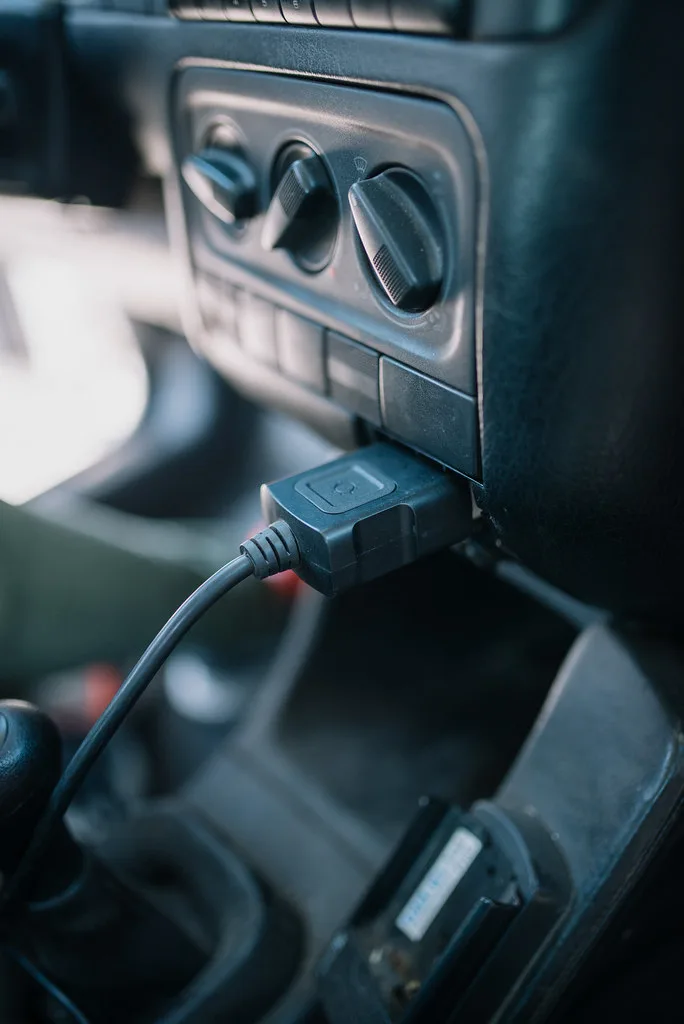
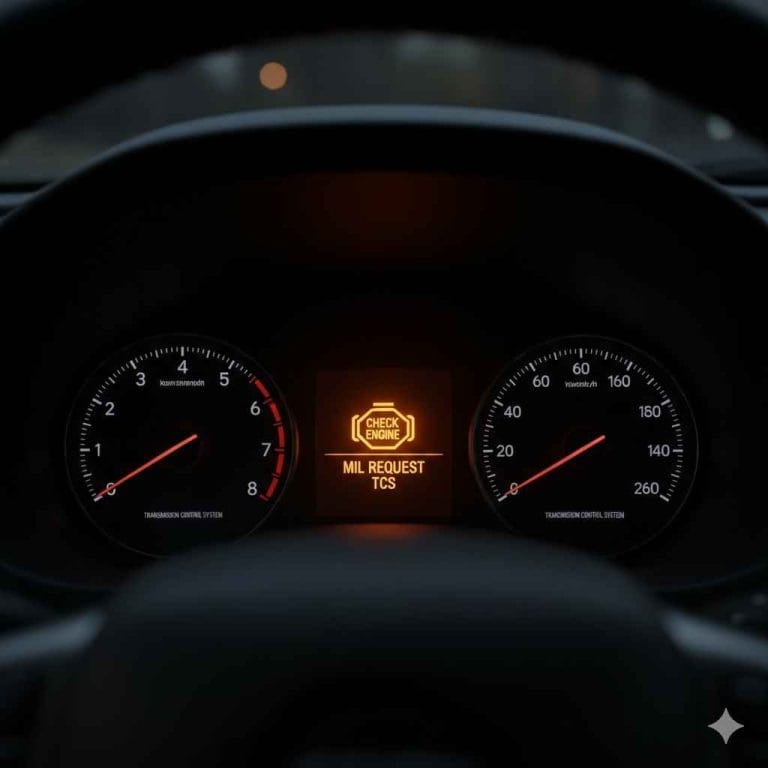
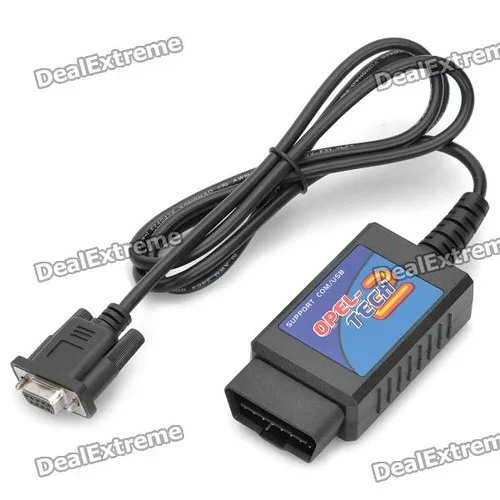
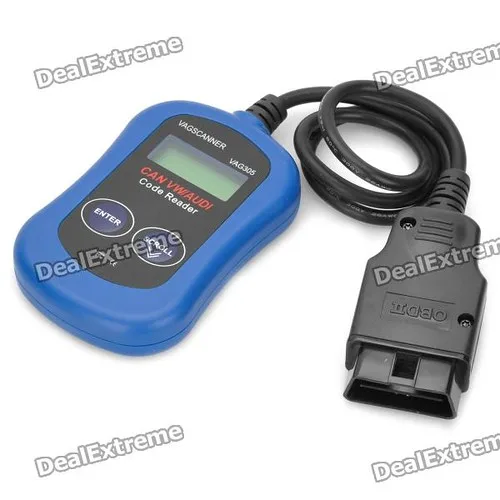
The check engine light, also called the malfunction indicator lamp, usually points to engine or emissions faults first. On many 1996-and-newer vehicles, an OBD2 scan is how you check the stored and pending diagnostic trouble codes that can help show whether the issue may be transmission-related or something else.
How transmission faults can reach the ECM or PCM
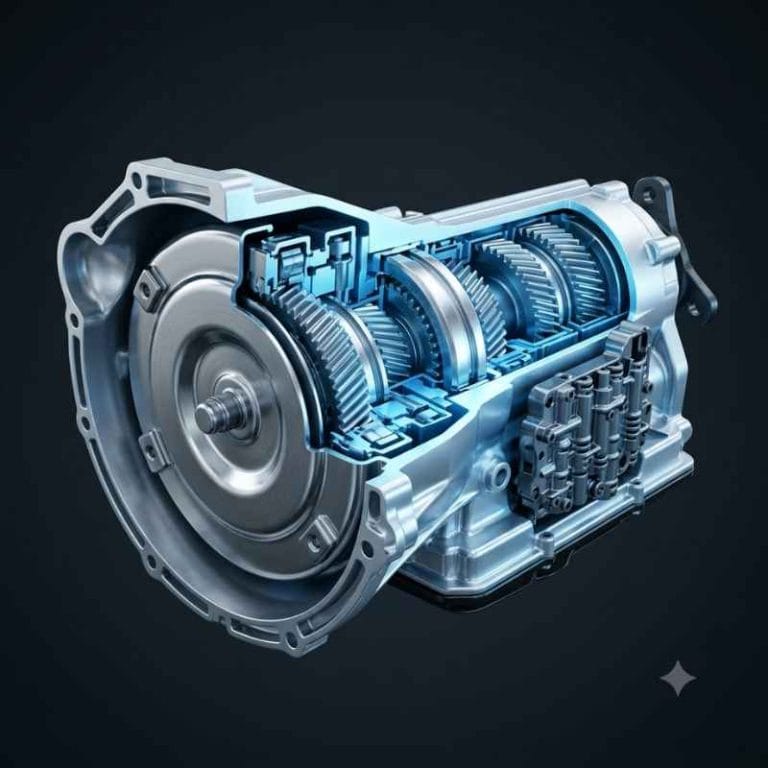
The transmission control module can communicate with the engine computer. If that network has a fault, or if the TCM sees a problem with inputs or outputs, the vehicle may set a warning light, log a code, or go into limp mode to protect the drivetrain.
Can a bad transmission trigger the check engine light?
Yes, but not every transmission problem does. A transmission issue can trigger the check engine light when the fault is electronic, sensor-based, solenoid-related, or communication-related; more purely hydraulic wear or internal mechanical damage may cause shifting symptoms without turning the light on.
Which transmission faults are most likely to set a light
Electronic control faults are the usual starting point. Failed shift solenoids, speed sensor problems, range selector faults, TCM communication errors, and wiring or ground issues are the kinds of problems that commonly store codes and switch the light on.
Why some faults create transmission codes and others do not
Some faults are visible to the control module because the computer can measure them. If a sensor signal is missing or implausible, the system can log a transmission-specific code. If the problem is worn clutches, low fluid, or pressure loss that has not crossed the computer’s threshold yet, the car may drive badly without a warning light.
How limp mode fits into the picture
Limp mode is a failsafe operating mode. When the TCM sees a fault severe enough to threaten the transmission, it may limit shifting and power so the vehicle can still move without causing more damage.
What the first scan should capture
The first scan should capture stored codes, pending codes, and freeze-frame data before anything is cleared. That snapshot tells you what the car saw, when it saw it, and whether the fault is intermittent or already active.
Stored codes versus pending codes
Stored codes usually mean the fault has happened enough times to be saved. Pending codes mean the computer has seen a problem but has not yet confirmed it. Both matter, because a pending transmission code can explain a symptom that has not fully turned on the light yet.
Freeze-frame data and why it matters
Freeze-frame data records the operating conditions at the moment the code set. Load, speed, temperature, and throttle position can help separate a bad sensor signal from a pressure problem or a wiring issue that only shows up when things are hot.
Why you should not clear codes before recording them
Starting the engine during a reading can overwrite or clear stored trouble codes, and clearing codes too early removes the evidence. If you reset the battery first, the light may go away temporarily, but the fault is still there and the diagnostic trail is thinner.
- Check whether the CEL is on, flashing, or off.
- Note how the transmission feels: slipping, delayed shifting, harsh shifts, no upshift, or limp mode.
- Scan before clearing anything.
- Record stored codes, pending codes, and freeze-frame data.
- Inspect fluid level and color, then check connectors for corrosion, damage, or broken wiring.
- Road test and compare live data to the symptom.
Simple triage table: CEL state, shift symptoms, and likely fault area
Use this as a first-pass map, not a verdict. It separates warning-light patterns from the symptom pattern so you can decide whether the likely issue is TCM, wiring, sensor, solenoid, fluid, or internal transmission damage.
| CEL state | Shift symptoms | Most likely fault area | Next test |
|---|---|---|---|
| On | Slipping, delayed shifts, harsh shifts, or limp mode | TCM, wiring, sensor, solenoid, or line-pressure control | Read codes, capture freeze-frame, check live data and connectors |
| On | Transmission feels normal | Generic engine or emissions fault may be primary | Read DTCs and confirm whether any transmission codes are present |
| Off | Clear transmission symptoms are present | Fluid issue, mechanical wear, intermittent wiring, or a sensor fault not yet confirmed | Inspect fluid, road test, and scan for pending codes |
What codes point to a transmission problem?
Transmission-specific codes are the clearest clue, but they are not the only clue. A DTC can point to the transmission directly, or it can point to an engine or communication fault that is actually being caused by the transmission control system.
Transmission-specific codes
Codes in the P07xx and P17xx families often point toward transmission control issues, including solenoid circuits, gear ratio problems, pressure control, and TCM-related faults. Communication codes can also matter if the TCM and engine computer are not talking correctly.
Engine or emissions codes caused by transmission control faults
Some transmission faults do not appear as transmission codes at all. A failing sensor, bad ground, or input signal problem can be read by the engine computer as a generic drivability or emissions issue, which is why the same light can mean different things.
Why one code can have more than one cause
A code points to a circuit, signal, or operating condition, not a guaranteed parts failure. A pressure code may come from a bad solenoid, a damaged wire, low fluid, or an internal hydraulic problem, so the code starts the diagnosis instead of ending it.
Which subsystem is usually at fault first?

The usual order is not “transmission failed” first. It is often TCM, wiring, sensors, or solenoids first, then fluid condition, and only after that do you move toward internal mechanical damage if the evidence supports it.
Transmission control module
A TCM fault can create warning lights, odd shift timing, or limp mode because the module is the command center for transmission operation. If the module has a power, ground, or communication issue, the rest of the transmission can be fine and still behave badly.
Wiring, connectors, and grounds
Electrical faults are common because the transmission harness lives in heat, vibration, and contamination. Corroded pins, rubbed-through insulation, fluid intrusion, and weak grounds can all mimic a failed sensor or solenoid.
Sensors and solenoids
Speed sensors, range sensors, and shift solenoids are frequent trouble spots because the computer depends on them for timing and pressure control. If the input is wrong, the transmission may shift late, flare, bang into gear, or refuse a shift entirely.
Fluid condition and mechanical wear
Low, burnt, or contaminated fluid can cause delayed engagement, slipping, and overheating. Mechanical wear inside the unit may not set a clean code early, so the symptom pattern and fluid check matter as much as the scan result.
How to decide whether to drive, scan, or stop
If the car still drives normally and the light is steady, the safest next step is usually to scan first rather than panic. If limp mode is active, if the transmission slips hard, or if the warning light flashes along with severe drivability loss, the plan changes quickly.
When the car may still be drivable
Light on, normal shifting, and no new noises usually means the car can be driven carefully long enough to scan it. The goal is to avoid unnecessary guesswork, not to ignore the fault.
When limp mode changes the plan
Limp mode means the control system has already chosen protection over normal operation. In that case, continued driving can compound the problem, especially if the unit is already losing fluid pressure or overheating.
When to stop guessing and book a diagnostic
If the codes point to a circuit fault but the wiring checks out, or if the symptom is clearly mechanical and the scan is inconclusive, a proper transmission repair diagnostic process is the next move. That means scan codes, check live data, perform a road test, and inspect fluid and wiring when needed.
Choose Transmission control system if… / Choose check engine light if…
Choose the transmission control system if the symptom pattern points to shifting, solenoids, wiring, sensor data, or control logic. Choose it when the car is in limp mode, when you see P07xx, P17xx, or communication codes, or when live data shows the transmission computer is commanding something that never happens.
Choose the check engine light if the first clue is a generic engine or emissions code with no shift complaint. Choose it when the transmission feels normal, when the code is not transmission-specific, or when you need to separate a true transmission fault from a broader drivability issue.
When both appear together, let the evidence sort them. Transmission codes with shift symptoms put the transmission system first; a generic engine code with normal shifting puts the CEL side first until the scan data proves otherwise.
Frequently asked questions
Can a bad transmission trigger the check engine light?
Yes. A bad transmission can trigger the check engine light when the problem is electronic, sensor-based, solenoid-related, or tied to communication between the TCM and the engine computer. Mechanical wear can also cause drivability problems without turning the light on, so the lamp is evidence, not a verdict.
How do I know if the check engine light is transmission-related?
Start with the code list and the symptom pattern. If you see transmission-specific codes, limp mode, delayed shifts, harsh shifts, or slipping, the transmission system deserves first attention. If the light is on but shifting feels normal, the fault may be engine or emissions-related instead.
What codes point to a transmission problem?
P07xx and P17xx family codes often point toward transmission control faults, including solenoids, pressure control, gear ratio, or TCM communication problems. The exact code matters, though, because one code can still be caused by wiring, fluid, a sensor, or an internal fault.
Can I drive with the check engine light on if the transmission feels normal?
Often yes, for a short period, if the light is steady and the car shifts normally. Scan it soon and record the codes before clearing anything. If the light flashes, limp mode appears, or shifting changes, stop treating it as routine and move to diagnosis fast.
Will a battery reset clear a transmission code or warning light?
It may clear the light temporarily, but it does not fix the cause. The fault can return as soon as the system sees the same condition again, and you may lose freeze-frame data or pending codes that would have helped identify the problem.
Should I scan the car before replacing transmission parts?
Yes. Scan first, then inspect fluid, connectors, and live data before replacing parts. Transmission symptoms can come from a bad sensor, damaged wire, weak ground, or a solenoid issue, and replacing hard parts without evidence is a fast way to spend money on the wrong repair.
Can transmission problems happen without the check engine light?
Yes. Low fluid, worn clutches, pressure loss, and other mechanical issues can cause slipping or delayed engagement before any warning light appears. That is why a normal-looking dash does not rule out a transmission problem when the car starts to shift differently.
What should I check first when the check engine light and shifting problems happen together?
Check the codes first, then look at the symptom pattern. Record stored and pending DTCs, capture freeze-frame data, inspect fluid level and condition, and look for wiring or connector damage. That sequence usually separates TCM, wiring, sensor, solenoid, and mechanical faults faster than guessing.
Products related to this article
Sponsored / affiliate links. As an Amazon Associate I earn from qualifying purchases. I may earn additional commission from eligible campaigns.
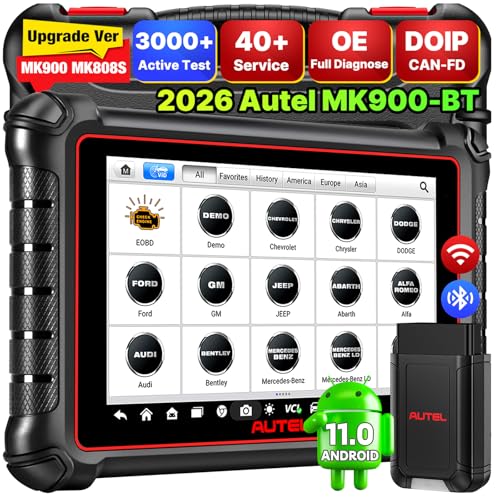
 OBD2 Scanner Diagnostic Tool - Check Engine Light Code Scanner Tool with Reset, DTC, Data Stream, I/M Readiness, Car & Truck Scan Tool for All Vehicles Since 1996, escaner automotriz
 OBD2 Scanner Diagnostic Tool - Check Engine Light Code Reader, Reset Function, Data Stream, I/M Readiness, Full Features, Modes 6 & 8, for All 1996+ Vehicles, Automotriz Scanner