Why Transmission Fails And How to Prevent It Early On
Most drivers never think about their car’s transmission until something goes wrong. Suddenly, your vehicle hesitates, makes odd noises, or refuses to shift. A failing transmission is not just a headache—it’s often one of the most expensive car problems you can face.
The good news is, transmission failure rarely happens overnight. Most issues develop slowly, with warning signs along the way. Understanding why transmission fails and how to prevent it early on can save you thousands of dollars, keep you safe on the road, and extend your car’s life.
What Does A Transmission Do?
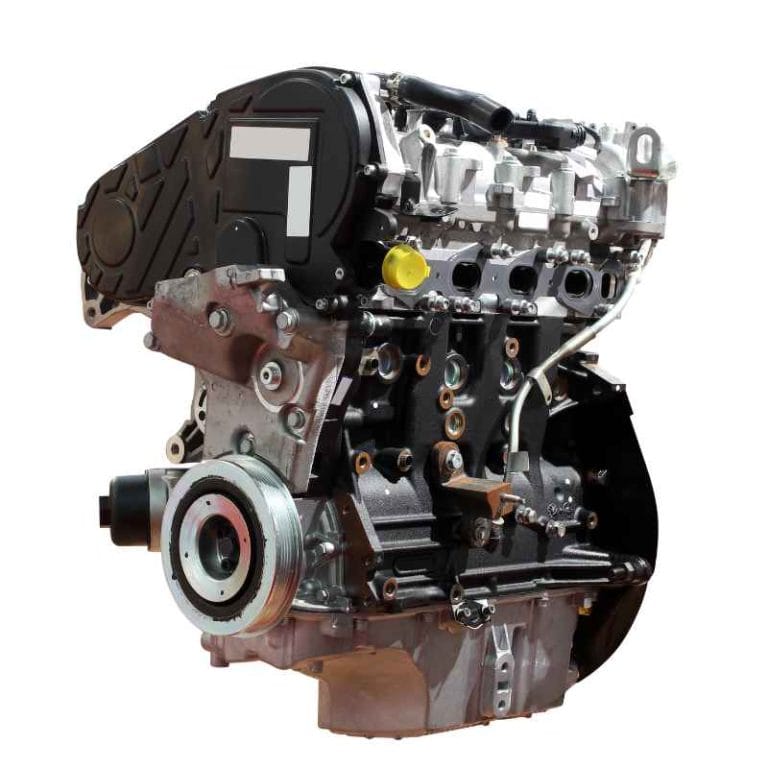
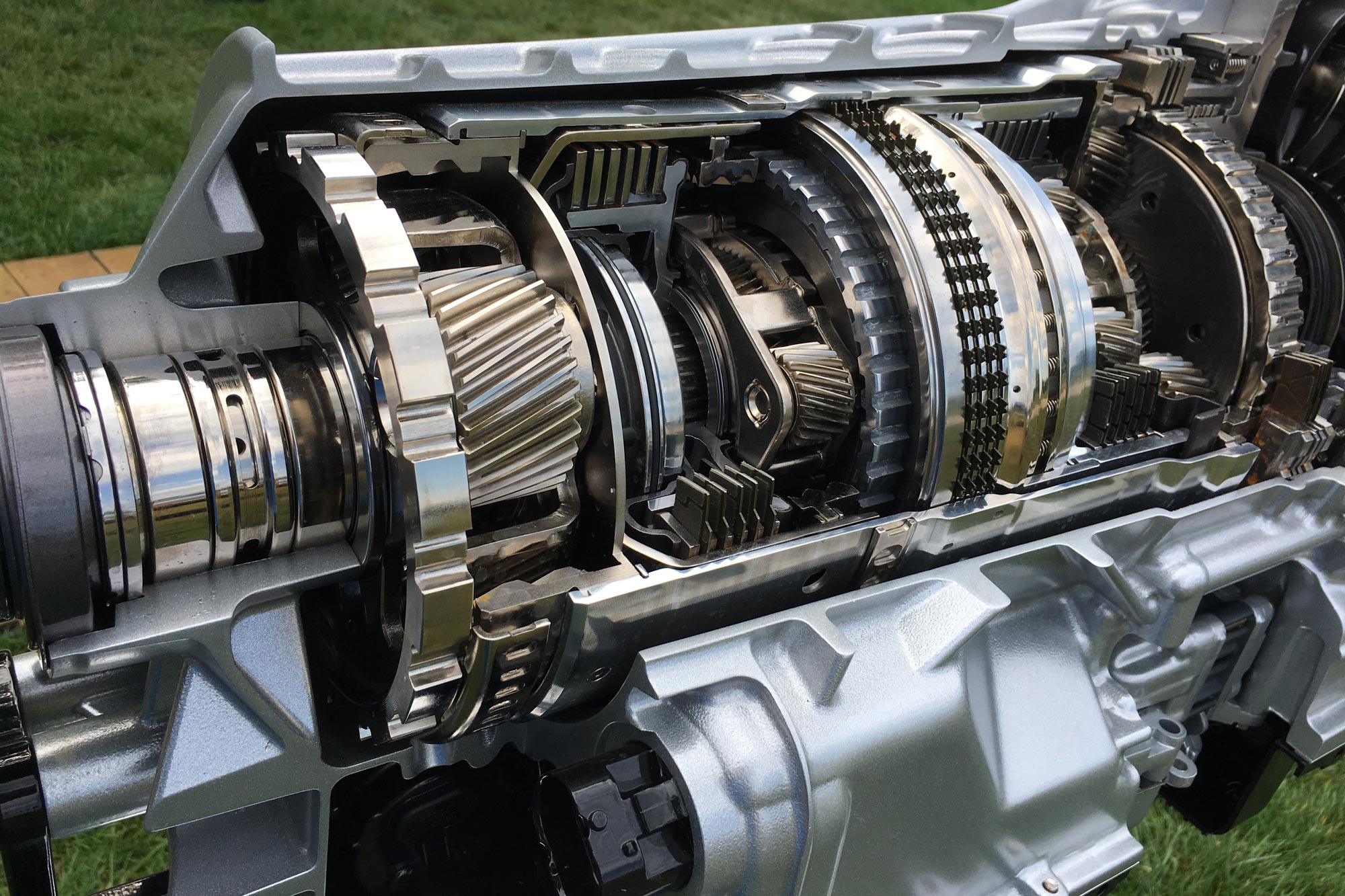
The transmission is one of the most important parts of any vehicle. It takes power from the engine and sends it to the wheels, making your car move. In simple words, it controls your speed and torque (turning force). There are two main types of transmissions: automatic and manual. While they work differently, both must handle heavy loads, heat, and constant movement.
When the transmission works well, you barely notice it. But when it starts to fail, you lose performance, gas mileage drops, and repairs can quickly add up. That’s why learning the basics is so important.
Common Reasons Why Transmissions Fail
Transmissions are complex and can fail for many reasons. Some causes are simple to avoid, while others need more attention.
1. Low Or Dirty Transmission Fluid
Transmission fluid is like the blood of your car’s gearbox. It cools, cleans, and lubricates the moving parts. Over time, the fluid gets dirty, burns, or leaks out. Low or old fluid means more friction, heat, and wear. This is the single most common reason for transmission failure.
2. Overheating
Heat is the enemy of transmissions. Most automatic transmissions run best below 200°F (93°C). If the temperature goes above 250°F (121°C), the fluid breaks down fast, seals get hard, and internal parts wear out. Over 90% of automatic transmission failures are caused by overheating.
3. Mechanical Wear And Tear
Like any moving part, gears, clutches, and bearings wear down over time. Aggressive driving, towing heavy loads, or city stop-and-go traffic put extra stress on these parts. Ignoring early warning signs makes the damage worse.
4. Leaks And Seals
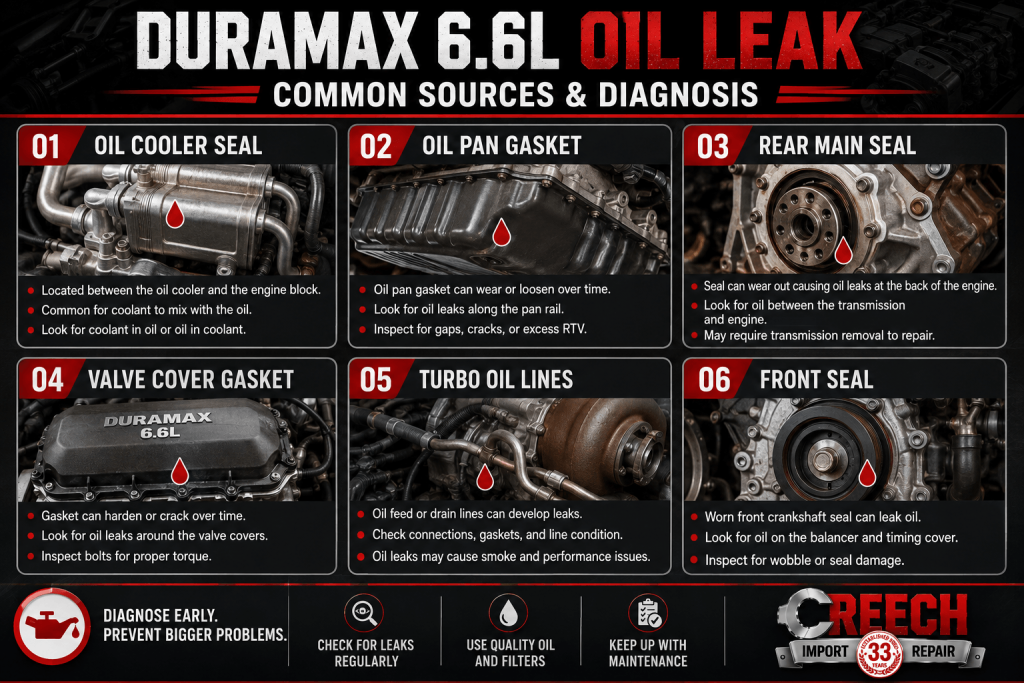
Small seals and gaskets keep fluid inside the transmission. As these age, they can crack or shrink, causing leaks. Even a small leak can lower fluid levels and lead to serious damage if not fixed quickly.
5. Faulty Transmission Solenoids
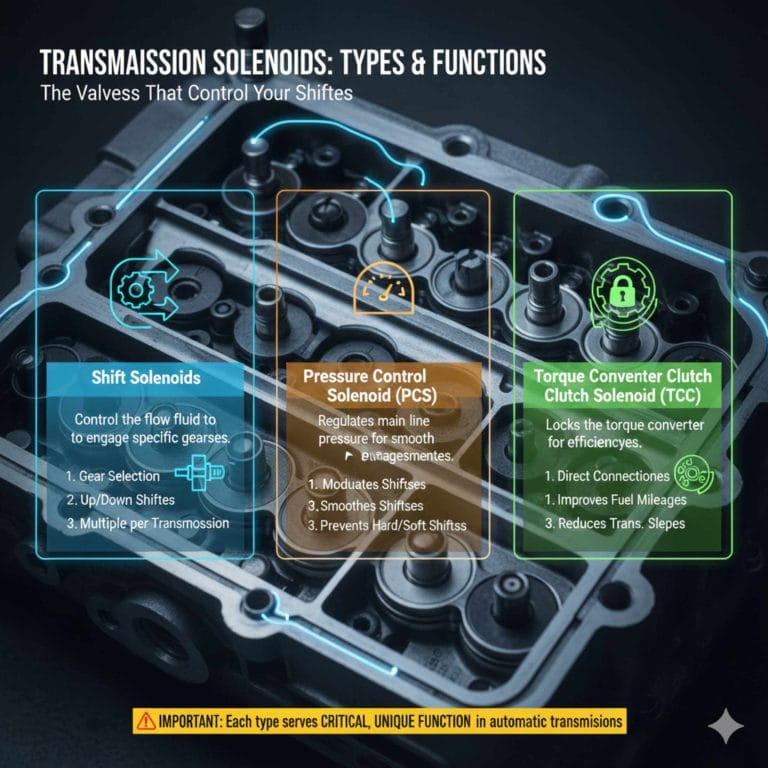
In modern automatic transmissions, solenoids control the flow of fluid to shift gears. Electrical problems, dirt, or worn parts can cause these to fail, leading to slipping or harsh shifts.
6. Computer Or Sensor Issues
Today’s transmissions rely on computers and sensors. A bad sensor or glitch in the transmission control module can send the wrong signals, causing poor shifting or even limp mode (where the car only drives in one gear).
7. Neglected Maintenance
Skipping regular fluid changes or ignoring service schedules shortens your transmission’s life. Many people never service their transmission until it’s too late.
8. Poor Driving Habits
Racing starts, quick shifting in manuals, not stopping fully before shifting from reverse to drive—all these add stress. Over time, bad habits build up damage.
Early Signs Of Transmission Trouble
Spotting problems early can save you from full transmission failure. Here are warning signs most people miss:
- Delayed gear engagement: You shift, but the car hesitates before moving.
- Slipping gears: The car shifts out of gear for no reason, or feels like it loses power.
- Unusual noises: Grinding, whining, or clunking when shifting.
- Burning smell: Overheated or burnt fluid smells sweet or sharp.
- Fluid leaks: Red or brown puddles under the car.
- Warning lights: “Check Engine” or transmission warning light.
Many drivers ignore these signals, hoping they will go away. But most transmission failures start with these small warnings.
How To Prevent Transmission Failure Early On
Prevention is always cheaper than repairs. Here’s how you can avoid transmission problems before they start.
1. Check Transmission Fluid Regularly
Automatic transmissions have a dipstick (like engine oil). Check fluid level and color every month.
- Healthy fluid: Bright red and clear, with a slightly sweet smell.
- Bad fluid: Dark, brown, or smells burnt.
If fluid is low, top it up with the type listed in your owner’s manual. Never overfill. If the fluid is dirty, get it changed right away.
2. Change Fluid And Filter On Schedule
Most manufacturers recommend changing transmission fluid every 30,000 to 60,000 miles (48,000–96,000 km). Some newer cars say their fluid is “lifetime,” but many experts suggest changing it at least every 60,000 miles.
Changing the transmission filter at the same time helps remove old debris.
3. Fix Leaks Immediately
If you see spots under your car, have them checked. Small leaks can quickly become big problems. Most leaks come from the pan gasket, cooler lines, or axle seals.
4. Don’t Overheat The Transmission
Avoid towing heavy loads unless your car is designed for it. Install an auxiliary transmission cooler if you tow often or drive in hot weather.
5. Service The Cooling System
Your car’s radiator often cools both the engine and transmission fluid. If the radiator is clogged or leaking, the transmission can overheat. Flush and refill the cooling system as recommended.
6. Drive Smoothly
Avoid sudden starts or stops. Always come to a full stop before shifting between reverse and drive. In manuals, don’t “ride the clutch” or shift without pressing the clutch fully.
7. Pay Attention To Warning Signs
Never ignore rough shifting, slipping, or warning lights. Early diagnosis can turn a $200 fix into a $2,000 repair if neglected.
8. Get Regular Inspections
Have a mechanic check your transmission and related systems during oil changes or annual services. They can spot small issues before they become big ones.
Data: Common Causes And Transmission Lifespan
To understand what causes most transmission failures, compare the most common problems and their frequency.
| Cause of Failure | Percentage of Failures | Average Repair Cost (USD) |
|---|---|---|
| Overheating | ~90% | $2,000–$4,000 |
| Low/Dirty Fluid | ~60% | $100–$350 (if caught early) |
| Mechanical Wear | ~50% | $1,500–$3,500 |
| Leaks | ~30% | $150–$400 |
| Electronics/Sensors | ~20% | $200–$1,000 |
Most transmissions last 100,000 to 200,000 miles with proper care. Neglect can cut that in half.
Comparing Automatic Vs Manual Transmission Failure
Is one type of transmission more reliable? Here’s a quick comparison:
| Transmission Type | Typical Failure Points | Average Lifespan (miles) | Maintenance Cost |
|---|---|---|---|
| Automatic | Fluid, solenoids, overheating | 120,000–180,000 | Higher |
| Manual | Clutch, synchronizers | 150,000–250,000 | Lower |
Manual transmissions tend to last longer and are cheaper to fix, but need regular clutch replacements. Automatics need more attention to fluid and electronics.
Credit: www.capitalone.com
Non-obvious Ways To Extend Transmission Life
Most guides only mention fluid changes and careful driving. Here are two less-known but effective tips:
- Warm Up Your Car in Cold Weather: In freezing temperatures, let your car idle for 1–2 minutes before driving. Cold fluid is thick and does not flow well, making shifting harder and increasing wear.
- Use the Correct Transmission Fluid: Not all fluids are the same. Using the wrong type—even if it looks similar—can cause slipping, harsh shifting, and early failure. Always check your owner’s manual or ask a trusted mechanic.
Many drivers don’t realize that even small electrical problems, like a weak battery or corroded ground wire, can affect transmission computers. Keeping your electrical system in good shape helps prevent false errors and strange shifting.
Common Myths About Transmission Failure
It’s easy to get wrong advice from friends or the internet. Let’s clear up some common myths:
- “You never need to change automatic transmission fluid.” False. Fluid breaks down over time, even in “sealed” transmissions. Regular service is still needed.
- “Slipping gears mean you need a new transmission.” Not always. Sometimes a simple fluid change or sensor repair can fix the problem.
- “Manual transmissions never fail.” Manuals are more durable but still need maintenance. Clutches and synchronizers wear out.
- “Transmission repair is always too expensive.” Early repairs are often affordable. Waiting makes things worse.
- “All transmission fluids are the same.” Using the wrong fluid can destroy your transmission.
The Role Of Driving Environment
Where and how you drive matters more than you think.
City Vs Highway
Stop-and-go city driving heats up transmissions and wears parts faster. Highway driving is smoother, with less shifting.
Towing And Heavy Loads
Pulling trailers or carrying heavy cargo increases transmission temperature. Vehicles used this way need more frequent fluid changes and should use coolers.
Weather
Hot climates make overheating more likely. Cold weather thickens fluid, making it harder to shift. Both extremes need extra care.
Signs You Need Professional Help
DIY checks are useful, but some problems need a professional.
- Persistent leaks: If you keep adding fluid but the level keeps dropping.
- Metal shavings in fluid: Gritty or shiny particles on the dipstick mean internal damage.
- Transmission stuck in one gear: Usually a computer or sensor issue.
- Repeated warning lights: If the light keeps coming back after resets.
A qualified mechanic has the tools to scan the transmission computer, check pressures, and test the system in ways you can’t do at home.
Credit: www.creechimport.com
Transmission Maintenance Vs Replacement: Cost Comparison
It’s easy to think maintenance is a waste, but numbers tell the real story.
| Service Type | Average Frequency | Cost Per Service (USD) | 10-Year Total Cost |
|---|---|---|---|
| Regular Fluid Changes | Every 40,000 miles | $150 | $450 |
| Clutch Replacement (Manual) | Every 100,000 miles | $1,000 | $1,000 |
| Transmission Replacement | Rare (if failed) | $3,000–$5,000 | $3,000–$5,000 |
Spending a few hundred on maintenance can save thousands in repairs.
Real-world Example: How Prevention Pays Off
Consider two drivers:
- Driver A ignores fluid changes. At 80,000 miles, the transmission starts slipping. Repair costs $2,400.
- Driver B changes fluid every 40,000 miles and gets leaks fixed early. Transmission lasts to 180,000 miles with only $450 in maintenance.
The difference: Driver B saves nearly $2,000 and avoids time without a car.

Credit: brunoautomotive.ca
When To Replace Vs. Repair
Not all transmission problems mean you need a new one. Minor issues like leaks, sensor problems, or dirty fluid are usually repairable. If there is major internal damage, like burned clutches or broken gears, replacement might be the only option.
Signs you may need a replacement:
- Shifting problems do not improve with repairs
- Fluid is full of metal shavings
- High mileage and repeated failures
Always get a second opinion before making a big decision.
Choosing A Transmission Shop: What Matters
Picking the right shop can save money and stress. Look for:
- Experience with your car’s make and model
- Clear warranty on repairs (at least 12 months or 12,000 miles)
- Good reputation (check reviews and ask friends)
- Detailed written estimate before work starts
Avoid shops that push for full replacement without diagnosis, or use high-pressure sales tactics.
For more about how automatic transmissions work, visit the Wikipedia Automatic Transmission page.
Frequently Asked Questions
What Is The Main Cause Of Transmission Failure?
The top cause is overheating, usually from low or old transmission fluid. Heat breaks down fluid, causing internal parts to wear out quickly.
How Often Should I Change My Transmission Fluid?
Most experts recommend every 30,000 to 60,000 miles. Check your owner’s manual, as some cars need it more often, especially if you tow or drive in tough conditions.
Can I Drive With A Slipping Transmission?
Driving with slipping gears is risky. It can leave you stranded, damage the transmission more, and even be dangerous in traffic. Get it checked as soon as possible.
Are Transmission Repairs Always Expensive?
Not always. Small leaks or a fluid change can be affordable. Full rebuilds or replacements are costly, but catching problems early keeps costs down.
Does “lifetime” Transmission Fluid Really Last Forever?
No. “Lifetime” fluid usually means under ideal conditions. Heat, towing, and city driving break fluid down faster. Most experts still recommend changing it by 60,000 miles.
Taking Care Of Your Transmission Doesn’t Have To Be
Products related to this article
Sponsored / affiliate links. As an Amazon Associate I earn from qualifying purchases. I may earn additional commission from eligible campaigns.