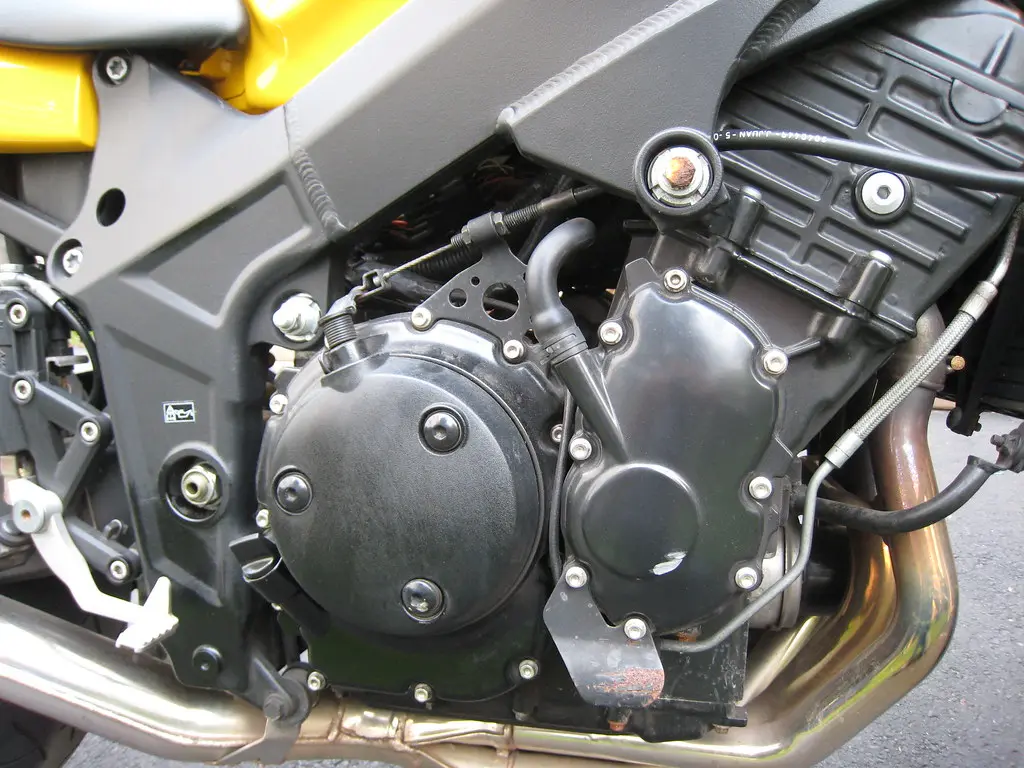
How to Tell If Your Oil Pressure Sensor Is Bad
A bad oil pressure sensor usually shows up as a warning that changes when you move the wiring, reads implausibly high or low on the dash, or disagrees with a mechanical gauge; if a mechanical test confirms low pressure, the engine has a real lubrication problem. Wrong diagnosis burns time and parts, and it can let true low oil pressure damage bearings and cam surfaces. This guide gives you a driveway decision tree that checks oil level, wiring, sensor, gauge, and actual pressure in that order.
How to tell if your oil pressure sensor is bad


Start with oil level, engine sound, connector condition, and the warning pattern itself. A true sensor, switch, or sending unit fault often creates a warning that changes with heat, bumps, or a wiggle at the connector, while a real pressure problem usually tracks engine behavior more closely.
What you’ll need
- Engine oil level dipstick and paper towels
- OBD-II scanner
- Mechanical oil pressure gauge
- Basic hand tools and a flashlight
How to tell if your oil pressure sensor is bad: driveway checklist
- Park on level ground, shut the engine off, and check the dipstick before anything else.
- Listen for ticking, knocking, or lifter noise when the engine is running.
- Inspect the sensor connector, wiring, and ground for oil intrusion, corrosion, broken locks, and loose pins.
- Wiggle the connector gently while watching the gauge or warning lamp.
- Pull OBD-II codes and note whether you have P0520, P0521, P0522, P0523, or P0524.
- Compare the dash reading with a mechanical oil pressure gauge before replacing parts.
Why sensor, switch, and sending unit wording varies
Oil pressure sensor, oil pressure switch, and oil pressure sending unit are often used interchangeably, but vehicles do not all use the same design. Some parts only switch the light on or off, while others send a variable signal to a numeric gauge. The sensor’s job is to send information to the dashboard gauge or warning light.
📊 The article lists oil pressure codes P0520 through P0524. Source: 8 Symptoms of a Bad Oil Pressure Sensor: How to Tell It’s Not Your….
What you’ll need
Gather the test tools before you start chasing a warning light. That keeps the order clean: check oil level, inspect the circuit, read codes, then verify pressure with a mechanical gauge if the dash still looks wrong.
Required tools and supplies
- Dipstick and clean paper towels
- OBD-II scanner that can read stored and pending codes
- Mechanical oil pressure gauge with the correct adapters
- Flashlight
- Basic hand tools for connector access
Step 1: Check the oil level first
Read the dipstick with the engine off and on level ground. Low oil can mimic a sensor fault, and dirty or diluted oil can make pressure behavior less predictable. Full oil level does not rule out a pressure problem, but low oil level changes the diagnosis immediately.
What to look for on the dipstick
If the level is low, correct that before condemning any sensor. If the oil smells strongly of fuel, looks milky, or is far beyond its service interval, note that too, because those clues can affect pressure and sensor behavior. Do not skip this step.
Is the warning light acting like a sensor fault or a real pressure problem?

Warning behavior matters. A blinking oil pressure light is a common sign of a bad sensor, while a steady light paired with ticking or knocking deserves far more caution. A hot-idle warning, a flicker over bumps, or a warning that changes with electrical movement points more toward wiring or sender trouble.
Read the engine sound before you touch the light
If the light flickers only after a long idle in traffic and the engine stays quiet, that can fit a sender, switch, or wiring issue. If the light comes on with a loud knock at idle and stays on, stop driving until pressure is verified.
Stop-driving threshold
If the engine is knocking or ticking loudly, it may be best to shut it down and check for possible oil starvation. Low oil pressure can destroy an engine in minutes. If the oil level is normal, the engine sounds normal, and the warning is intermittent, a short trip to a shop may be reasonable only to reach a mechanical pressure test.
Step 2: Inspect the connector and wiring
Unplug the sensor connector and check for corrosion, oil intrusion, bent pins, broken tabs, and loose terminals. Oil pressure sensors often sit near the oil filter, where heat and grime attack the connector. A bad connection can mimic a bad sender or create a false warning on the dash.
Do a gentle wiggle test
Reconnect the plug, start the engine, and move the wiring lightly. If the light flickers, the gauge jumps, or the reading changes with movement, the fault may be in the connector, wiring, or ground rather than the sensor body itself. That is repeatable evidence, not guesswork.
Could the gauge or cluster be the problem?
Yes. A dashboard oil pressure gauge that reads zero while the engine runs fine, pegs high, or jumps around can be a sender problem, a wiring fault, or a cluster issue. A bad oil pressure sending unit can produce erratic readings, but a damaged dash circuit can look the same.
Gauge patterns that point to electrical trouble
| Dash behavior | Likely direction | Next check |
|---|---|---|
| Zero reading, engine runs normally | Sender, wiring, or cluster fault | Compare with mechanical gauge |
| Pegged at maximum | Electrical short inside the sensor | Inspect connector and verify pressure |
| Erratic or jumping needle | Sensor or wiring fault | Wiggle test and code scan |
| Warning only over bumps or when hot | Intermittent connector or sender issue | Check wiring, grounds, and heat damage |
Step 3: Pull OBD-II codes and compare them with symptoms
Read stored and pending codes before replacing anything. P0520 through P0524 help separate circuit faults from pressure-range concerns. A circuit code points more toward sensor, wiring, or connector trouble; pressure-range codes raise the odds of a real lubrication problem that needs mechanical confirmation.
How to use the codes
P0520 is a general oil pressure sensor or switch circuit problem. P0521, P0522, P0523, and P0524 can point to range or performance issues, including readings that do not match expected pressure behavior. Do not treat the code alone as proof. Match it to the light pattern, the engine sound, and the connector check.
Step 4: Confirm with a mechanical oil pressure gauge
A mechanical oil pressure gauge is often treated as the most direct way to check oil pressure. Install it at the sender port, run the engine, and compare actual pressure against the dashboard signal. If the mechanical gauge reads normally while the dash misbehaves, the sensor, wiring, or cluster may be at fault. If both show low pressure, it is generally wise to stop driving.
If that didn’t work, try this next
- Replace the sensor only after the mechanical gauge and wiring checks disagree with the dash.
- Repair damaged connector terminals or wire sections before installing a new sender.
- Check the instrument cluster circuit if the sender tests normally but the gauge still lies.
- Tow the vehicle for engine diagnosis if the mechanical gauge confirms low pressure.
Symptom-to-test matrix and stop-driving threshold
This matrix keeps the order straight. Start with the symptom, then move through the next best test. It helps separate a bad sensor, switch, or sending unit from a wiring fault, a dash issue, or a real low-pressure engine problem.
| Symptom | First test | What it suggests |
|---|---|---|
| Blinking oil light | Check oil level, then connector | Common bad-sensor pattern, but not proof |
| Light or gauge changes over bumps | Wiggle test at the connector | Loose pin, broken wire, or sender fault |
| Zero on the dash with smooth engine operation | Read codes and compare with mechanical gauge | Sensor, wiring, or cluster problem |
| Pegged-high gauge | Inspect for shorted wiring and confirm pressure | Short inside sensor or wire fault |
| Steady light with knock or tick | Shut engine off and verify pressure only if safe | Possible real low pressure |
| Oil leaking from the sender body | Inspect the part and seal | Sender leak can exist with normal pressure |
Stop-driving threshold: if the engine knocks, the oil level is low and you cannot correct it immediately, or the mechanical gauge shows low pressure, shut it down. If the engine sounds normal and only the dash signal is wrong, a short drive to diagnosis may be acceptable.
Common mistakes
The biggest mistake is replacing the sensor before checking oil level and mechanical pressure. Another is ignoring a leaking sensor body, which can drip oil even when pressure is normal. A third is assuming every zero reading means a dead sender when the cluster or wiring may be at fault.
How to avoid wasted parts
- Check the dipstick first.
- Inspect the connector for oil and corrosion.
- Use the wiggle test.
- Read the codes.
- Confirm with a mechanical gauge before replacement.
Prevention: keep the connector clean and secure, and fix oil leaks near the sensor quickly so oil does not wick into the plug and corrupt the signal.
Frequently asked questions
how to check if your oil pressure sensor is bad
Check oil level, inspect the connector, scan for P0520 through P0524, and compare the dash signal with a mechanical oil pressure gauge. If the mechanical reading is normal while the dash still flickers, pegs, or drops out, the sensor, wiring, or cluster is the likely fault.
how to tell if your oil pressure gauge is bad
A gauge is suspect if it reads zero with a smooth-running engine, jumps around over bumps, or pegs at maximum without matching engine noise. Verify the sender circuit first, then compare the dash reading with a mechanical gauge to separate a gauge problem from a sensor problem.
how to tell if your oil pressure switch is bad
A switch usually controls the warning lamp rather than a numeric gauge, so the clue is often an incorrect light pattern. Check the connector, look for oil intrusion, and wiggle the wiring. If the lamp changes while the engine stays quiet and pressure tests normal, the switch is likely at fault.
how to tell if your oil pressure sending unit is bad
A bad sending unit often causes erratic, zero, or pegged readings on the dash. Compare those readings with a mechanical gauge and scan for pressure-circuit codes. If actual pressure is normal but the signal is unstable, the sender or its wiring is the most likely cause.
what happens if your oil pressure sensor is bad
The dash may lie. You can get a blinking light, a false zero, or a pegged-high gauge even when engine pressure is normal. That can lead to unnecessary repairs, but the more important risk is missing a real lubrication failure that needs immediate shutdown.
what happens when the oil pressure sensor goes bad
The sensor can fail electrically, send a wrong signal, or leak oil at the body or seal. If the leak is only at the sensor, engine pressure may still be normal. If the reading is wrong, confirm actual pressure with a mechanical gauge before replacing more parts.
Products related to this article
Sponsored / affiliate links. As an Amazon Associate I earn from qualifying purchases. I may earn additional commission from eligible campaigns.