Why Don’T We Use Airless Tires Yet? Here’S the Truth
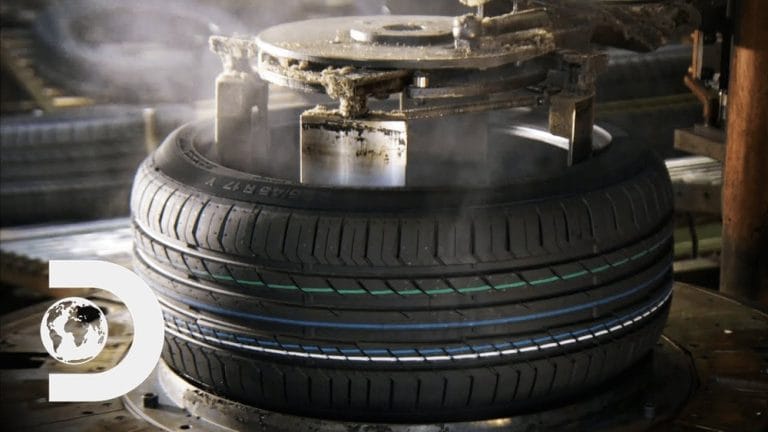
Airless tires are regularly touted as the future of mobility, promising a world where flat tires are obsolete and roads are safer. Yet, despite decades of research, the vast majority of cars, trucks, and even bicycles still rely on traditional pneumatic tires. This paradox raises a pressing question: Why don’t we use airless tires yet? The answer is more complex than simply technological inertia. It involves a nuanced blend of engineering challenges, user expectations, manufacturing realities, and market dynamics—all of which have kept airless tires from becoming mainstream.
As global tire manufacturers invest billions in R&D, the promise of airless tires remains tantalizingly out of reach for everyday drivers. We see prototype vehicles, military applications, and even lawnmowers using airless designs, but the leap to mass adoption, especially for passenger cars, hasn’t happened.
This article delves into the real reasons behind this delay, exploring the science, economics, and practical challenges that have shaped the evolution of tire technology. Whether you’re an automotive enthusiast or simply someone frustrated by flat tires, understanding the truth behind airless tires is essential for grasping the future of transportation.
Key Takeaways
- Airless tires solve the problem of flat tires but face significant engineering hurdles for mass adoption.
- Ride quality, safety, and durability are major concerns compared to pneumatic tires.
- Manufacturing complexity and cost remain high, slowing commercial rollout.
- Real-world examples show airless tires excel in niche markets but struggle in mainstream automotive use.
- Regulatory, environmental, and consumer factors influence adoption rates.
- Ongoing innovations may overcome some challenges, but pneumatic tires remain dominant for now.

Credit: www.youtube.com
The Evolution Of Tire Technology
Early Tire Designs And Limitations
The journey from solid rubber wheels to today’s pneumatic tires traces back to the 19th century. Early vehicles ran on solid wheels, which provided durability but little comfort. The invention of the pneumatic tire in 1887 by John Boyd Dunlop revolutionized ride quality, enabling vehicles to absorb shocks and traverse uneven surfaces with ease. This invention quickly became the industry standard due to its balance of performance, comfort, and manufacturability.
The limitations of solid tires were apparent in both comfort and traction. Roads in the late 1800s and early 1900s were rarely smooth, and solid rubber or steel wheels transferred every bump and jolt directly to the vehicle chassis and occupants.
The transition to pneumatic tires, filled with air, represented not just an improvement in comfort but a significant leap in speed, handling, and safety. As cars grew more powerful and faster, the need for better shock absorption and consistent contact with the road surface became paramount—needs that only pneumatic tires could fulfill at the time.
The Rise Of Airless Tire Concepts
Interest in airless tires began as soon as pneumatic tires became widespread. Engineers recognized that eliminating air would solve issues like punctures and pressure maintenance. The earliest airless designs—solid rubber and foam-filled tires—addressed some durability concerns but sacrificed ride quality and efficiency. In the 21st century, technological advances have enabled more sophisticated airless designs, including Michelin’s Tweel, Bridgestone’s Air Free Concept, and Goodyear’s non-pneumatic tires.
These modern airless concepts are distinct from their predecessors, using engineered structures that mimic the shock-absorbing behavior of air without relying on internal pressure. For example, the Tweel’s unique polyurethane spokes deform to absorb impacts, while Bridgestone’s Air Free Concept employs thermoplastic resin for both flexibility and strength.
While these innovations represent significant progress, they are not a simple plug-and-play replacement for pneumatic tires; each has required years of research, refinement, and real-world testing.
Key Milestones In Airless Tire Development
- 2005: Michelin unveils the Tweel, a hybrid tire/wheel system for specialty vehicles.
- 2011: Bridgestone demonstrates its Air Free Concept with advanced resin spokes.
- 2019: Goodyear showcases a prototype airless tire for passenger cars.
- 2026: General Motors and Michelin announce plans to test the Uptis airless tire on Chevrolet Bolt EVs.
These milestones mark the progress toward viable alternatives but also highlight the slow pace of mainstream adoption. Each major unveiling is typically followed by years of field testing in real-world conditions to assess longevity, performance, and safety—underscoring the complexity involved in matching the mature technology of pneumatic tires.
Credit: www.theautopian.com
Engineering Challenges Of Airless Tires
Ride Quality And Comfort
One of the primary reasons airless tires haven’t replaced pneumatic tires is ride quality. Air acts as a natural shock absorber, smoothing out bumps and vibrations. Airless designs often rely on rigid materials or intricate spoke structures, which can transmit more vibration to the vehicle and passengers.
- Research by Michelin shows that Tweel-equipped vehicles experience higher vibration levels, especially at highway speeds.
- Consumer tests indicate ride comfort is noticeably harsher compared to traditional tires.
In urban environments with relatively smooth roads, this difference may be less noticeable, but on rough or uneven surfaces, the lack of air cushioning becomes pronounced. Manufacturers have tried to address this by engineering flexible spokes or honeycomb structures that flex under load, but they have yet to achieve the same level of damping as pressurized air.
For long-distance travel or luxury vehicles, where comfort is paramount, this shortcoming is especially significant.
Moreover, airless tires can amplify road imperfections and surface irregularities, which can result in increased noise and vibrations inside the cabin. This effect is not just a matter of comfort but can also accelerate wear and tear on suspension components, potentially increasing maintenance costs over the vehicle’s lifespan.
Handling And Performance
Pneumatic tires excel at providing dynamic handling, especially during high-speed cornering and emergency maneuvers. Airless tires, with their fixed structural designs, can struggle to match this performance.
- Cornering grip is often lower due to less deformation capability.
- Heat buildup can be problematic, as airless structures don’t dissipate heat as efficiently.
When a pneumatic tire enters a turn, the pressurized air inside allows the tire to flex and maintain a larger contact patch with the road, which is critical for grip and stability. Airless tires, constrained by their internal structure, cannot deform in the same way, leading to a smaller or inconsistent contact patch during aggressive maneuvers.
Additionally, during high-speed operation, the repetitive flexing of spokes or honeycomb elements in airless tires can generate significant heat. Unlike air, which can help disperse this heat throughout the tire, solid or semi-solid materials retain heat, which can compromise both performance and safety.
Manufacturers are exploring advanced materials and vented designs to mitigate this, but achieving parity with pneumatic tires remains elusive.
Durability And Longevity
While airless tires are immune to punctures, their longevity is affected by other factors:
- Material fatigue: Spoke or honeycomb structures can crack or deform over time.
- Wear patterns: Uniformity is harder to achieve, leading to uneven tread wear.
- Load capacity: Airless tires can have lower load ratings, limiting their use in heavy vehicles.
Traditional pneumatic tires have a well-understood wear profile, and their internal pressure helps maintain shape and performance even as the tread wears down. Airless tires, however, rely on materials that must flex repeatedly without failing. Over thousands of miles, this repeated flexing can lead to micro-cracks or permanent deformation, especially in harsh climates or with heavy loads.
Wear patterns can also be irregular, as the structural elements within airless tires may not distribute force as evenly as pressurized air does. This can result in certain areas wearing faster than others, potentially shortening the tire’s usable life and affecting performance.
Furthermore, because airless tires are engineered to withstand specific loads, their scalability for larger vehicles is limited by the strength of materials and the complexity of their internal design. Trucks and buses, which demand high load ratings and resilience to heavy use, present additional engineering challenges that have yet to be fully addressed.
Manufacturing Complexity And Cost
Airless tire production involves advanced composites, precision molding, and intricate assembly. This results in:
- Higher manufacturing costs compared to mass-produced pneumatic tires.
- Limited economies of scale due to lower production volumes.
- Challenges in recycling and environmental sustainability.
Creating an airless tire is a far more involved process than assembling a standard tire. Each spoke, web, or honeycomb must be molded to exacting standards to ensure structural integrity and consistent performance. Even slight variations can lead to imbalances, increased noise, or premature failure.
While automation and 3D printing are helping to reduce some costs, the intricate nature of airless designs makes them inherently more expensive to manufacture, particularly at the low volumes seen today.
Moreover, the materials used—such as high-strength polymers and composite resins—are often more expensive and harder to source than conventional rubber and steel. These factors combine to keep airless tires out of reach for most consumers and limit their availability to niche or specialty markets.
| Feature | Pneumatic Tires | Airless Tires |
|---|---|---|
| Ride Comfort | Excellent | Moderate to Poor |
| Durability | Good (but vulnerable to flats) | High (no flats) |
| Handling | Superior | Variable |
| Cost | Low (mass production) | High (limited scale) |
| Maintenance | Frequent (pressure checks, repairs) | Minimal (no pressure) |
Noise And Vibration
Airless designs often generate more road noise due to the absence of air cushioning. For passenger vehicles, this is a key comfort factor, as increased noise can cause driver fatigue and reduce perceived quality.
The design of airless tires means that road vibrations and impacts are transferred more directly to the wheel and the vehicle body. While manufacturers can tune the geometry of internal structures to absorb some vibrations, the lack of a continuously flexible air chamber makes it difficult to eliminate high-frequency vibrations that cause noise.
This is particularly problematic for electric and luxury vehicles, where quiet operation is a major selling point. Additionally, increased vibration and noise can also affect sensitive electronics and components in modern vehicles, potentially leading to more frequent repairs.
Real-world Examples And Case Studies
Military And Off-road Applications
The US military has adopted airless tires for certain vehicles, valuing the ability to withstand punctures and maintain mobility in combat zones. For example, Humvees equipped with Michelin’s Tweel can continue operating even after sustaining damage that would disable traditional tires.
- Benefits: No flat tires, increased reliability in harsh environments.
- Drawbacks: Reduced speed and handling, higher initial costs.
Military vehicles often operate in environments where sharp debris, shrapnel, or even small arms fire can quickly disable a pneumatic tire. In these scenarios, the ability to keep moving can be the difference between mission success and failure. Airless tires eliminate the risk of flats, allowing vehicles to maintain mobility even in the face of significant damage.
However, the stiffer ride and lower top speeds of airless designs are acceptable trade-offs in combat or off-road situations, where reliability and survivability take precedence over comfort.
Commercial Lawn Equipment
Lawn mowers and construction equipment frequently use airless tires. These machines face constant puncture risks from debris and operate at low speeds, making durability more important than comfort.
- Example: John Deere ZTrak mowers utilize Tweel tires, resulting in fewer maintenance calls and lower downtime.
- Data: Service records show a 30% reduction in tire-related issues.
For commercial landscaping companies, downtime due to flat tires means lost productivity and increased costs. Airless tires offer a compelling value proposition in these markets by virtually eliminating tire-related downtime and minimizing maintenance needs. The trade-off in ride comfort is negligible at the low speeds typical of these machines, making airless tires an ideal solution for this niche.
Bicycle And Scooter Markets
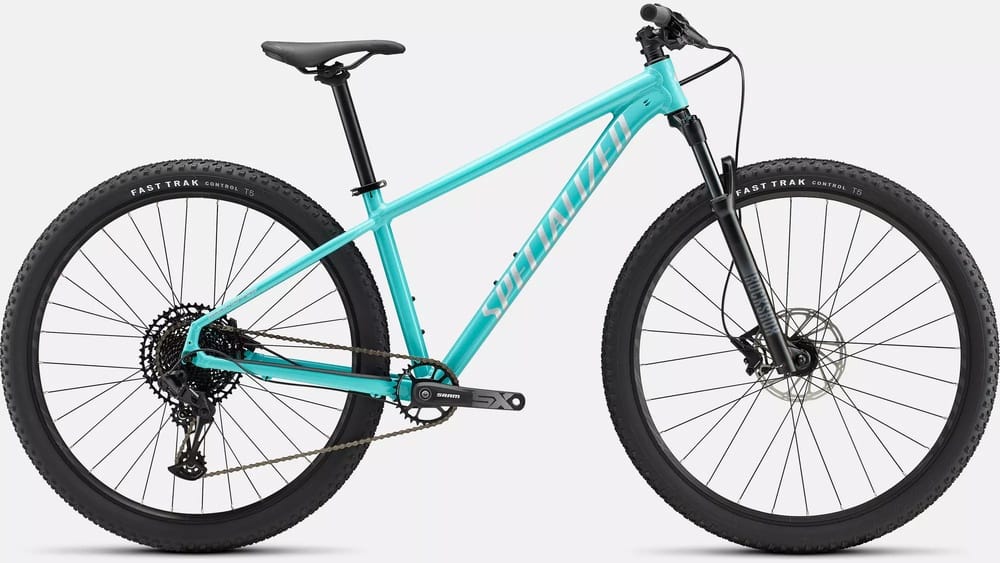
Airless tires have gained traction in urban mobility solutions, such as bicycles and electric scooters. Companies like Tannus and Bridgestone offer puncture-proof tires for city commuters.
- Pros: No flats, consistent performance.
- Cons: Stiffer ride, limited grip on wet surfaces.
In dense urban areas, cyclists and scooter riders often face hazards like broken glass, nails, and uneven pavement. Airless tires eliminate the frustration and inconvenience of flats, which is a major selling point for daily commuters. However, the firmer ride and potentially reduced grip—especially in wet conditions—mean that performance-oriented riders and those in regions with frequent rain may still prefer pneumatic options.
Automotive Prototypes
Recent high-profile partnerships—such as Michelin Uptis with General Motors—demonstrate potential for passenger cars. Testing on Chevrolet Bolt EVs aims to validate durability and ride quality.
- Results: Early prototypes show promise but highlight trade-offs in comfort and handling.
Automotive prototypes are often subject to rigorous testing, including thousands of miles of real-world driving, exposure to extreme temperatures, and performance under sudden maneuvers. While early results have been encouraging, most tests have revealed that further refinement is needed to close the gap in ride quality and performance compared to pneumatic tires.
The Uptis project, in particular, is closely watched as it represents one of the first serious attempts to bring airless tires to mainstream passenger vehicles.
| Application | Airless Tire Model | Outcome |
|---|---|---|
| Military Humvee | Michelin Tweel | Enhanced reliability, reduced flats |
| John Deere ZTrak | Michelin Tweel | Lower maintenance, stiffer ride |
| Bicycles | Tannus Airless | No flats, less comfort |
| Chevrolet Bolt EV (Prototype) | Michelin Uptis | Testing ongoing, mixed comfort |

Credit: mountainoffroad.com
Consumer Expectations And Market Dynamics
Comfort And Familiarity
Drivers expect a smooth, quiet ride—a benchmark set by pneumatic tires. The transition to airless designs would require consumers to accept a trade-off in comfort, which many are reluctant to make.
- Surveys by AAA show 72% of drivers cite ride comfort as a top priority.
- Airless tires are perceived as “experimental” and not yet proven for everyday use.
In addition, there is psychological resistance to new technology. Many consumers view their vehicles as significant investments and are wary of adopting unfamiliar components that may affect safety or resale value. Traditional tires have over a century of proven performance, and the established familiarity with their maintenance and repair processes provides peace of mind to most drivers.
Cost Sensitivity
Pneumatic tires benefit from mass production, resulting in lower prices. Airless tires, currently made in smaller batches, are significantly more expensive.
- Michelin Tweel tires can cost 2–3 times more than comparable pneumatic models.
- Fleet operators weigh upfront costs against long-term savings from reduced maintenance.
While commercial operators may be able to justify the higher initial expense due to reduced downtime and lower long-term maintenance costs, most consumers focus on the upfront cost. The tire market is highly price-sensitive, and even modest price increases can push buyers to competing brands or technologies.
Until airless tires can be produced at a similar scale and cost as pneumatic tires, they will remain a premium, niche offering.
Maintenance And Reliability
While airless tires require less maintenance, consumers value the option to repair or replace pneumatic tires easily. Airless tires, once damaged, often need full replacement.
- Puncture repair kits and roadside assistance are widely available for pneumatic tires.
- Airless designs lack established repair infrastructure.
The ability to quickly patch or replace a pneumatic tire is a major advantage, especially for drivers who travel long distances or live in areas without convenient access to specialized repair facilities. In contrast, a damaged airless tire may require ordering a new unit and professional installation, leading to longer downtime and higher costs.
Regulatory And Insurance Considerations
Government regulations and insurance standards are tailored to pneumatic tire performance. Airless tires must demonstrate equivalent safety, durability, and performance before approval for widespread use.
- DOT testing protocols remain focused on traditional tire metrics.
- Insurance rates may be higher for vehicles with unproven tire technology.
Manufacturers must conduct extensive testing to ensure that airless tires meet or exceed the performance of pneumatic models. This includes tests for braking distance, wet and dry handling, tread wear, and safety under various loads and speeds. Until regulatory agencies are satisfied, airless tires will remain largely confined to experimental or specialized markets.
Environmental Impact
Both tire types have environmental considerations. Pneumatic tires are easier to recycle due to established processes, whereas airless designs often use complex composites.
- Michelin’s Uptis aims for improved recyclability but faces material challenges.
- Studies from the EPA show tire waste is a growing concern, pushing manufacturers to innovate.
The environmental impact of tires goes beyond end-of-life disposal. The energy and resources required to manufacture airless tires—especially those using advanced polymers or composites—can be significant. However, if airless tires last longer and reduce the frequency of replacements, their overall environmental footprint may be lower.
Manufacturers are working to develop more sustainable materials and closed-loop recycling processes, but these innovations are still in the early stages.
Innovations Driving Airless Tire Development
Advanced Materials And Manufacturing
Recent advances in materials science have enabled more flexible, durable polymers for airless tires. Brands like Bridgestone and Michelin are experimenting with thermoplastic resins and high-strength composites.
- 3D printing allows for custom spoke designs that improve comfort.
- New manufacturing methods reduce waste and energy consumption.
The use of 3D printing and additive manufacturing is particularly promising. It allows for the creation of complex internal structures that are tailored to specific performance requirements, such as enhanced shock absorption or optimized weight distribution. This level of customization was previously impossible with traditional manufacturing techniques and could help address many of the ride quality and durability concerns associated with airless tires.
Smart Tire Technologies
Airless tires can integrate sensors and electronics for real-time monitoring. These smart features provide data on tread wear, load, and temperature, enhancing safety.
- Goodyear’s intelligent tire program incorporates sensors for performance feedback.
- Predictive maintenance reduces downtime for commercial fleets.
By embedding sensors directly into the tire structure, manufacturers can offer predictive analytics to fleet operators and consumers alike. These systems can detect signs of fatigue, unusual wear patterns, or structural anomalies before they lead to failure. In the future, this technology could even enable remote diagnostics and automated maintenance scheduling, further reducing the burden on drivers and fleet managers.
Sustainability Initiatives
Manufacturers are exploring bio-based materials and circular economy models to reduce environmental impact. Michelin, for example, uses recycled plastics in some airless tire prototypes.
- Reduced waste from tire punctures and blowouts.
- Potential for longer-lasting products that require fewer replacements.
Sustainability is a key driver for innovation across the automotive industry. By using renewable or recycled materials in airless tires, manufacturers can reduce their reliance on petroleum-based products and decrease the overall carbon footprint of tire production. Some airless tire designs are also being engineered for easy disassembly and material recovery at the end of their life cycle, facilitating a circular economy approach.
Collaboration And Testing
Major automakers partner with tire companies to test airless designs in real-world conditions. These collaborations are essential for validating performance and safety.
- General Motors and Michelin are conducting pilot programs in urban environments.
- Feedback from early adopters informs future product development.
Pilot programs not only provide valuable data on how airless tires perform under a variety of conditions but also help manufacturers identify and address potential issues before full-scale rollout. These partnerships accelerate the pace of innovation and help build consumer confidence by demonstrating a commitment to safety and reliability.
| Innovation | Manufacturer | Impact |
|---|---|---|
| Advanced Polymers | Bridgestone, Michelin | Improved durability, flexibility |
| Smart Sensors | Goodyear | Enhanced safety, data insights |
| Bio-based Materials | Michelin | Sustainability, reduced waste |
| Pilot Programs | GM & Michelin | Real-world validation |
Barriers To Mass Adoption
Technical Limitations
Despite progress, airless tires face hurdles in ride comfort, handling, and heat management. These issues are amplified at highway speeds, making them less suitable for mainstream passenger vehicles.
- Vibration and noise remain concerns for urban and highway driving.
- Load balancing is more complex, affecting vehicle stability.
For applications such as high-performance sports cars or luxury sedans, even minor compromises in comfort or handling are unacceptable. The challenge of dissipating heat generated during prolonged high-speed driving also poses a significant engineering obstacle. Without air to help distribute and shed heat, airless tires must rely on innovative materials and clever structural design to prevent overheating and maintain consistent performance.
Economic Factors
The cost of materials, manufacturing, and distribution is significantly higher for airless tires. Until production scales up, prices will remain prohibitive for most consumers.
- Limited supply chain for specialty components.
- Investment risk for manufacturers unwilling to shift away from proven pneumatic models.
The tire industry operates on razor-thin margins, and the risk of investing in new, unproven technologies is substantial. For airless tires to achieve cost parity with pneumatic models, manufacturers must overcome both technical and economic barriers, including supply chain development, workforce training, and capital investment in new manufacturing equipment.
Infrastructure And Integration
Transitioning to airless tires requires changes in repair shops, dealerships, and training. The lack of established repair processes and supply chains slows adoption.
- Mechanic training programs must adapt to new technologies.
- Distribution networks are not optimized for airless tire delivery.
The current tire service industry is built around the needs of pneumatic tires. Introducing airless designs would require retraining technicians, updating repair protocols, and establishing new distribution and support networks. This represents a significant logistical challenge, particularly for independent garages and small businesses.
Consumer Perception And Trust
Adopting new technology demands trust. Consumers need assurance that airless tires are as safe and reliable as traditional models.
- Brand reputation influences buying decisions.
- Early adopters face uncertainty about product longevity and support.
Building consumer trust takes time and successful real-world results. Negative reviews or high-profile failures can set back adoption by years, if not decades. Tire manufacturers must therefore invest heavily in marketing, customer education, and transparent performance data to overcome skepticism.
Regulatory Approval
Airless tires must meet stringent safety standards before widespread use. Regulatory bodies are cautious, requiring extensive testing and validation.
- DOT and NHTSA set performance benchmarks that airless tires must match or exceed.
- Approval processes can take years, delaying market entry.
Since tires are a critical safety component, regulatory agencies are justifiably cautious when evaluating new technologies. Airless tires must undergo extensive laboratory and real-world testing to assess their performance under a variety of conditions, including extreme heat, cold, and wet weather.
The approval process can be long and costly, further slowing the path to market.
The Future Outlook For Airless Tires
Ongoing Research And Prototypes
Research continues at leading universities and tire manufacturers to solve remaining challenges. Innovations in materials science, engineering, and testing are gradually improving airless tire viability.
- MIT and Stanford conduct studies on new composite structures.
- Prototypes are tested in diverse climates and road conditions.
Academic and private sector collaboration is essential for overcoming technical barriers. Research teams are experimenting with self-healing materials, new lattice geometries, and hybrid designs that combine the best features of airless and pneumatic tires. These efforts are supported by computational modeling and advanced simulation tools, which allow engineers to optimize designs before building physical prototypes.
Potential For Mass Adoption
Experts predict that airless tires will first gain traction in commercial fleets, autonomous vehicles, and urban mobility. As ride quality improves and costs decrease, broader adoption is possible.
- Fleet operators value reliability over comfort.
- Autonomous vehicles benefit from reduced maintenance.
Commercial and shared mobility sectors are likely to be early adopters, as they place a premium on reliability and uptime. Autonomous vehicles, which require minimal human intervention, benefit from tires that don’t need regular pressure checks or repairs. If airless tires can prove themselves in these demanding environments, consumer adoption will become more likely.
Industry Predictions
According to the Global Airless Tire Market Report 2026, the sector could reach $1.5 billion in annual revenue by 2030. Growth will depend on overcoming technical, economic, and regulatory barriers.
- Market share may reach 10% in specialty applications.
- Passenger cars may see limited adoption until 2035 or beyond.
Industry analysts are cautiously optimistic about the future of airless tires, noting that incremental improvements and strategic partnerships will be critical to gaining market traction. The most likely scenario is a phased rollout, beginning with specialty vehicles and gradually expanding to consumer markets as technology matures.
Environmental Benefits
Airless tires may reduce landfill waste and emissions from tire production, provided recycling processes are improved. The shift toward sustainable materials could further enhance their environmental profile.
- Reduced tire waste from punctures and blowouts.
- Lower emissions from manufacturing advances.
As environmental regulations tighten and consumer awareness grows, the demand for sustainable tire solutions will only increase. Airless tires have the potential to play a significant role in this transition, especially if manufacturers can develop effective recycling and material recovery programs.
Frequently Asked Questions
Why Are Airless Tires Not Used On Passenger Cars Yet?
Airless tires face engineering challenges such as ride comfort, handling, and heat dissipation. Additionally, high manufacturing costs and limited scalability have prevented widespread adoption in passenger cars. Regulatory approval and consumer trust are also significant hurdles.
Are Airless Tires Better For The Environment?
Potentially, yes. Airless tires may reduce waste from punctured tires and offer longer lifespans. However, their manufacturing process can involve complex composites that are harder to recycle. Ongoing innovations aim to use more sustainable materials and improve recyclability. For further reading, see the Wikipedia page on airless tires.
Can Airless Tires Handle High-speed Driving?
Currently, airless tires struggle with heat buildup, vibration, and handling at high speeds. While prototypes are improving, they are not yet suitable for regular highway driving. Manufacturers continue to test and refine these designs for better performance.
What Industries Are Using Airless Tires Today?
Airless tires are commonly used in military vehicles, lawn equipment, bicycles, and construction machinery. These applications value durability and reliability over ride comfort, making airless designs ideal for puncture-prone environments. For more examples, see Michelin’s official site.
When Might Airless Tires Become Mainstream?
Industry analysts predict that airless tires could see mainstream adoption in commercial fleets, urban mobility, and autonomous vehicles within the next decade. Passenger cars may follow as technology improves and costs decrease. More insights are available from the Global Airless Tire Market Report.
Airless tires hold enormous promise for the future of transportation, but the road to mainstream adoption is paved with complex challenges. Engineering limitations, manufacturing costs, consumer expectations, and regulatory hurdles have kept pneumatic tires dominant for over a century. Real-world examples show that airless designs excel in specific niches but still lag in passenger car applications. As research continues and innovations emerge, airless tires may gradually become more common—especially in commercial and urban sectors. For now, the truth is that pneumatic tires remain the best all-around solution for most drivers, but the tire industry’s evolution is far from over. For more details on current developments, visit Bridgestone’s Air Free Concept page, Goodyear’s innovation site, and EPA tire recycling resources.
Products related to this article
Sponsored / affiliate links. As an Amazon Associate I earn from qualifying purchases. I may earn additional commission from eligible campaigns.