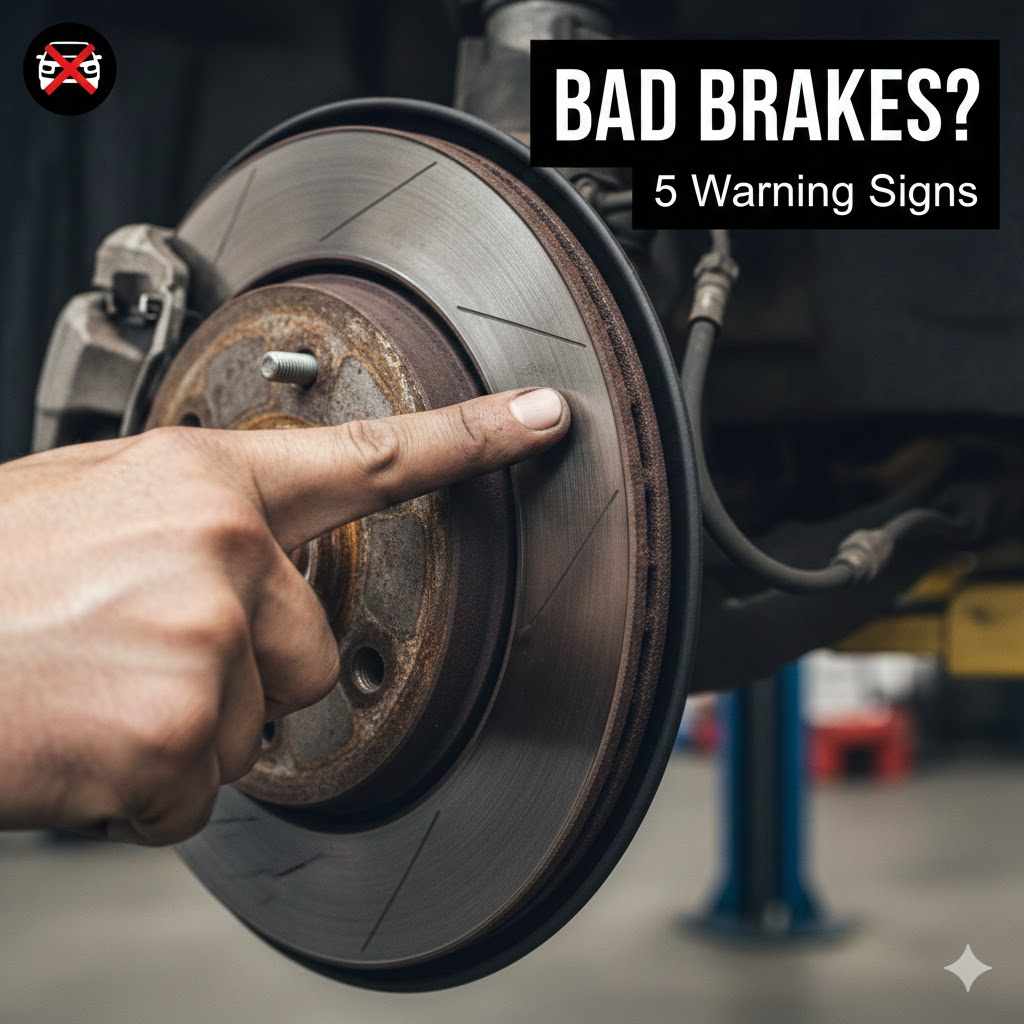
How to Know If Car Brakes Are Bad
Many car owners worry about their brakes. It’s hard to tell when they need fixing, especially if you’re new to cars. You might hear strange noises or feel something different when you stop.
Don’t worry though! Figuring out if your brakes are acting up is simpler than you think. This guide will walk you through it step-by-step.
We’ll cover the common signs your car’s brakes need attention so you can stay safe on the road.
Signs Your Car Brakes Are Failing
This section covers the most common ways to tell if your car brakes are going bad. We’ll look at what you hear, what you feel, and what you see. Knowing these signs can help you avoid bigger problems and keep you and others safe.

Luojiedejinbiao
064-8057-00 Brake Cable Fit for Bad Boy…
- Brake Cable Part Number: 064-8057-00
- Type: Mower Brake Cable. Fit Model: Bad Boy MZ / MZ Magnum Mower
- Brake cable for Bad Boy MZ / MZ Magnum made of durable material, it is not easy to deteriorate, providing you with a long service…
As an Amazon Associate I earn from qualifying purchases.
Your brakes are super important for stopping your car. If they aren’t working right, it’s a big deal.
Strange Noises When Braking
One of the first things people notice is a change in sound. When your brakes are in good shape, stopping is usually quiet. If you start hearing new sounds, it’s time to pay attention.
These sounds can be squealing, grinding, or clicking. Each type of noise can mean something different about what’s going on with your brake system.
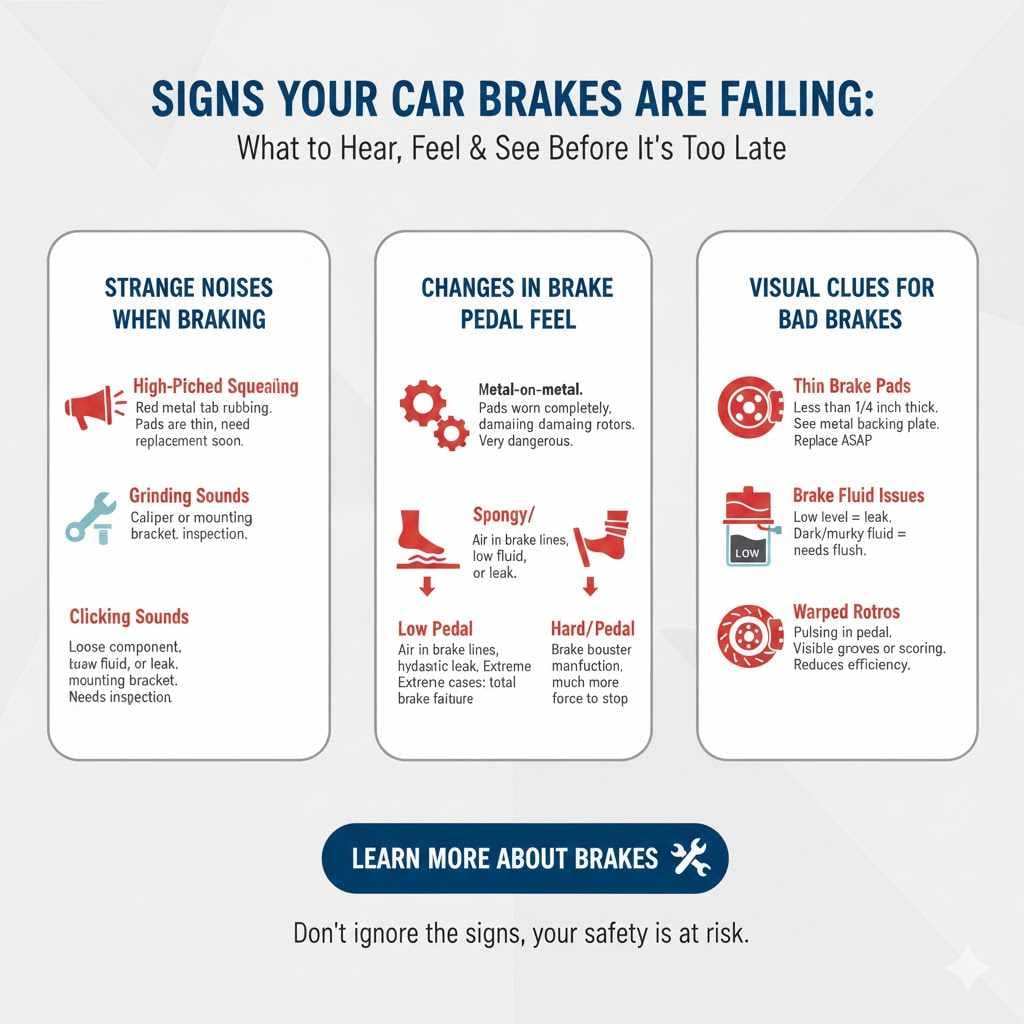
- High-pitched squealing: This is often caused by the wear indicators on your brake pads. Brake pads have small metal tabs that rub against the rotor when the pad material gets thin. This is a warning sound to tell you it’s time to replace your brake pads soon. Ignoring this sound can lead to more expensive damage to your rotors.
- Grinding sounds: A deep grinding noise, like metal scraping metal, is a more serious sign. This usually means your brake pads have worn down completely. The metal backing plate of the brake pad is now grinding against the metal brake rotor. This can quickly damage your rotors and potentially the brake calipers. Driving with grinding brakes is very dangerous because stopping power is greatly reduced.
- Clicking sounds: Sometimes, you might hear a clicking sound when you first apply the brakes or when you release them. This could indicate that a brake component is loose. It might be a brake caliper, a brake shoe, or even a mounting bracket. A loose part can affect how your brakes work and needs to be checked by a mechanic.
Changes in Brake Pedal Feel
Your brake pedal is your direct connection to your car’s braking system. If its feel changes, it’s a clear signal something is wrong. The pedal might feel soft, spongy, or it might go closer to the floor than usual.
These sensations are important clues that your brakes need a check-up.
- Spongy or soft pedal: If pressing the brake pedal feels like pushing on a sponge and it’s not firm, it often means there’s air in the brake lines. Air in the hydraulic system prevents the brakes from working as effectively. This can happen if the brake fluid level is low or if there’s a leak in the brake lines. A spongy pedal means your stopping distance will be longer.
- Low pedal: If the brake pedal sinks closer to the floor before the brakes engage, it’s another serious concern. This could mean your brake pads are worn down very thin, or there might be a leak in the hydraulic system. In extreme cases, the pedal could go all the way to the floor, meaning your brakes might not work at all.
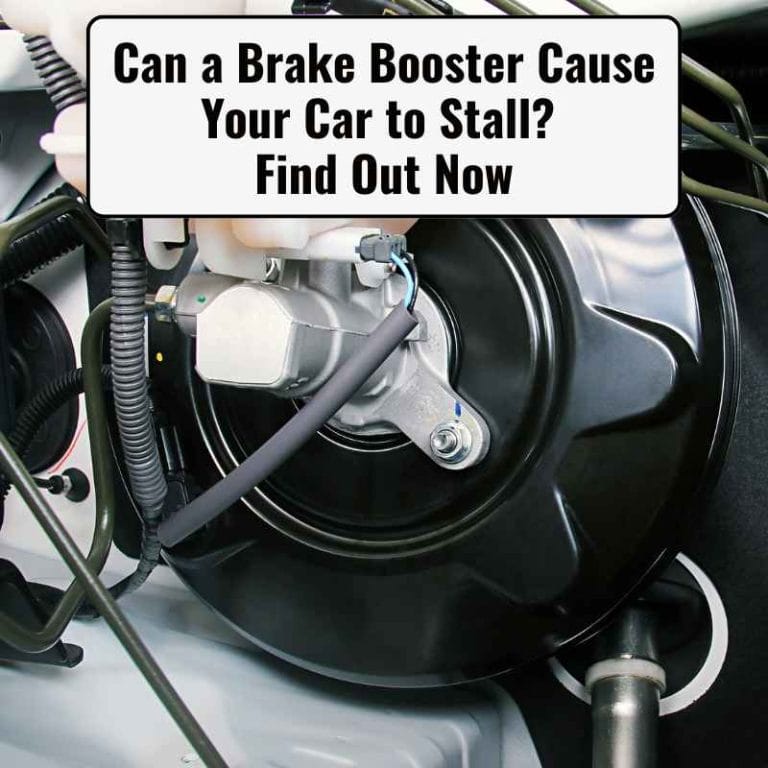
- Hard or stiff pedal: If the brake pedal feels very stiff and requires a lot of force to push down, it might point to a problem with the brake booster. The brake booster is a part that uses vacuum to help you apply less force to the pedal. If it’s not working correctly, braking becomes much harder.
Visual Clues for Bad Brakes
Sometimes, you can see signs of trouble with your brakes just by looking. Checking your brake pads and looking at your brake fluid can give you a good idea of their condition. These visual checks are easy to do and can save you from unexpected brake failure.
- Thin brake pads: Brake pads are made of a friction material that wears down over time. If you can see the brake pads through your wheels, check their thickness. Most brake pads have a minimum thickness recommended by the manufacturer. If they look very thin, especially if you can see the metal backing plate, they need to be replaced soon. A common rule of thumb is if they are thinner than a quarter of an inch, it’s time for new pads.
- Brake fluid issues: Brake fluid is essential for your brakes to work. Check the brake fluid reservoir under the hood. If the fluid level is low, it could indicate a leak in the brake system. Also, look at the color of the fluid. It should be clear or slightly amber. If it looks dark, murky, or has debris in it, the fluid may need to be flushed and replaced.
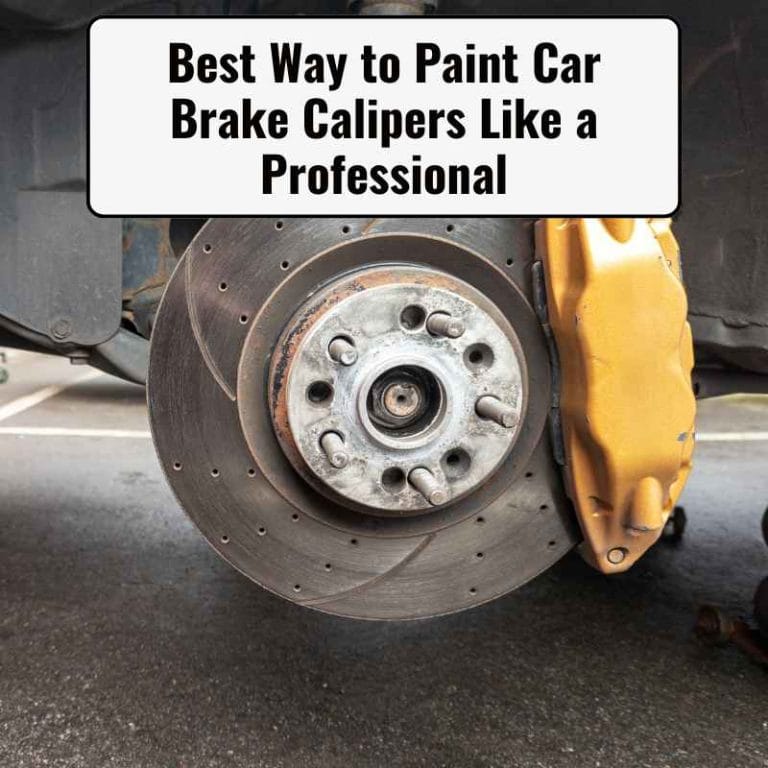
- Warped rotors: Brake rotors are the metal discs that your brake pads clamp onto. If the rotors become warped, you might feel a pulsing sensation in the brake pedal when you apply the brakes. You might also see visible grooves or scoring on the surface of the rotor. Warped rotors reduce braking efficiency and need to be replaced or resurfaced.
Common Causes of Brake Wear
Brakes wear out over time. This is normal. But some things can make them wear out faster.
Understanding these causes can help you drive in a way that makes your brakes last longer. It’s not just about miles driven, but how you drive those miles.
Driving Habits
The way you drive has a big impact on how quickly your brakes wear out. Aggressive driving puts more stress on your brake system. This means they will need replacing sooner.
Smooth driving is much easier on your brakes.
- Hard braking: Constantly slamming on your brakes wears them down much faster. When you brake hard, a lot of friction is generated, which heats up and erodes the brake pad material quickly. This also puts more stress on your rotors.
- Riding the brakes: This means keeping your foot on the brake pedal longer than necessary, especially when going downhill. Even a light touch on the brake pedal creates friction. If you do this for a long time, the constant friction generates heat and wears down the pads and can even overheat the rotors.
- Speeding: Driving at higher speeds means you need to stop from a greater velocity. This requires more force and duration from your brakes to slow down. The increased energy that needs to be dissipated as heat leads to faster wear.
Environmental Factors
Where you drive and the conditions you drive in can also affect your brakes. Rough weather and road conditions can make your brakes work harder and wear out faster.
- Driving in wet or dirty conditions: Water, salt, and dirt can get into your brake system. Water can temporarily reduce braking effectiveness and cause rust to form on rotors. Salt, especially in winter, can accelerate corrosion on brake components. Dirt and debris can get lodged between the pads and rotors, causing premature wear and noise.
- Hilly or mountainous terrain: Driving in areas with steep inclines and declines puts a lot of strain on your brakes. You’ll be using your brakes more often and for longer periods to control your speed, leading to increased wear and potential overheating. This is why many drivers in these areas opt for brake upgrades.
- Towing or carrying heavy loads: When you tow a trailer or carry a lot of weight in your vehicle, your brakes have to work harder to stop the combined mass. This extra strain accelerates the wear on brake pads and rotors, and can also generate more heat.
Component Quality and Maintenance
The quality of the parts you use and how well you maintain your car also play a role. Cheap parts might not last as long. Not getting regular checks can mean small problems become big ones.
- Using low-quality brake parts: Cheaper brake pads and rotors might be made with less durable materials. These can wear out faster, perform less effectively, and potentially damage other brake system components. Always consider the long-term cost, not just the initial price.
- Infrequent brake inspections: Your brakes need regular checks. If you don’t have them inspected periodically, small issues like a slightly worn pad or a minor fluid leak can go unnoticed. These small problems can escalate into major repairs if not addressed early.
- Not flushing brake fluid: Brake fluid absorbs moisture over time. This moisture lowers the boiling point of the fluid, meaning it can turn to vapor under heavy braking, reducing your stopping power. Old fluid can also become corrosive to brake system parts. Most manufacturers recommend flushing brake fluid every two to three years.
How to Know If Car Brakes Are Bad A Step-by-Step Guide
Knowing how to know if car brakes are bad involves a few simple checks you can do yourself. This guide breaks it down into easy steps. You don’t need to be a mechanic to spot the common signs.
Following these steps will help you catch problems early.
Step 1 Listen Carefully
When you’re driving, especially in quiet areas, pay attention to the sounds your car makes when you brake.
- Make a mental note of any new noises. Are they high-pitched squeals, deep grinds, or clicking sounds?
- Try to identify when the sound occurs. Does it happen every time you brake, only when braking hard, or when you first start driving?
Step 2 Feel the Pedal
The way your brake pedal feels is a very important indicator.
- Gently apply the brakes while driving at a slow speed. Does the pedal feel firm and responsive?
- Notice if the pedal feels soft, spongy, or if it sinks closer to the floor than usual.
- Feel for any vibrations or pulsing through the pedal when you brake.
Step 3 Look at Your Wheels and Under the Hood
Visual checks can reveal a lot about your brake system’s health.
- If possible, look through your wheel spokes at your brake pads. Estimate their thickness.
- Check the brake fluid level in the reservoir. It should be between the minimum and maximum marks. Note its color.
- Inspect the rotors for any deep grooves or signs of uneven wear.
Step 4 Note Any Changes in Performance
Sometimes, the way your car behaves when braking is the clearest sign.
- Does the car pull to one side when you brake? This can indicate uneven brake wear or a problem with a brake caliper.
- Has your stopping distance increased? If it takes longer to stop your car than it used to, your brakes are likely worn.
Step 5 Consult a Professional
If you notice any of these signs, it’s best to have your brakes checked by a qualified mechanic. They have the tools and expertise to diagnose the exact problem and recommend the right repairs. Don’t delay, as brake issues can quickly become dangerous.
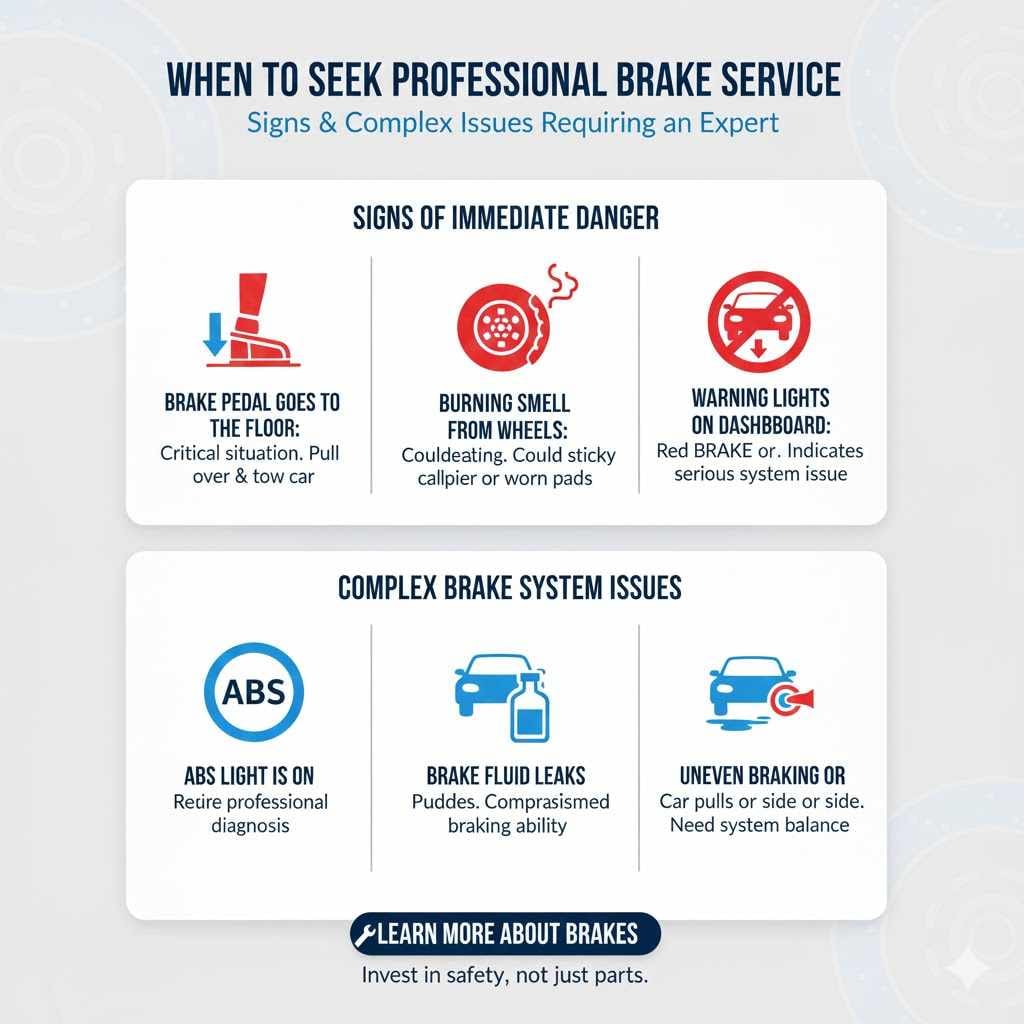
When to Seek Professional Brake Service
While these DIY checks are helpful, there are times when you absolutely need to call in the experts. Some brake problems require specialized knowledge and tools. Knowing when to hand over the reins to a professional can save you from potential accidents and more costly repairs down the line.
Signs of Immediate Danger
Some brake issues are emergencies. They mean your brakes might fail at any moment.
- Brake pedal goes to the floor: If your brake pedal sinks all the way to the floor when you press it, and your car doesn’t stop effectively, this is a critical situation. You should pull over safely immediately and have your car towed to a mechanic. Driving with a pedal that goes to the floor is extremely dangerous.
- Burning smell from wheels: A strong burning smell, especially when you haven’t been braking hard, can indicate that your brakes are overheating. This could be due to a sticking caliper or severely worn brake pads. Overheated brakes can lose their effectiveness quickly.
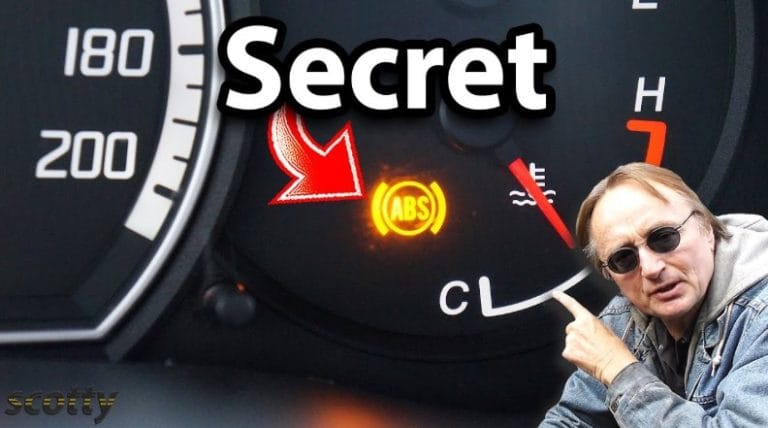
- Warning lights on the dashboard: Most cars have a brake warning light. If this light comes on and stays on, it’s a signal that there’s a problem with your brake system. This could be a low fluid level, an issue with the anti-lock braking system (ABS), or a more serious component failure.
Complex Brake System Issues
Some brake problems are not as obvious and require a mechanic’s diagnostic skills.
- ABS light is on: The Anti-lock Braking System (ABS) prevents your wheels from locking up during hard braking, allowing you to steer. If the ABS warning light is illuminated, it indicates a malfunction in the ABS system. This requires professional diagnosis and repair to ensure proper braking in emergencies.
- Brake fluid leaks: If you notice puddles of fluid under your car, especially near the wheels, it could be a brake fluid leak. A leak in the brake lines, calipers, or master cylinder will compromise your braking ability. Mechanics can identify the source of the leak and repair it.
- Uneven braking or pulling: If your car consistently pulls to one side when you apply the brakes, it means one side is braking harder than the other. This can be caused by a seized caliper, a blockage in a brake line, or uneven wear. A mechanic can balance the braking system.
Preventative Maintenance and Major Repairs
Regular maintenance is key to preventing major issues. Mechanics are best equipped for these tasks.
- Brake fluid flush: As mentioned before, brake fluid absorbs moisture and degrades over time. A professional can safely flush out the old fluid and
- Rotor resurfacing or replacement: If your rotors are warped or have significant scoring, they may need to be resurfaced (machined smooth) or replaced entirely. Mechanics have the specialized equipment to perform these tasks accurately.
- Caliber replacement: Calipers house the brake pads and hydraulic mechanism. If a caliper is sticking or leaking, it needs to be replaced. This is a more involved repair that requires expertise.
Frequently Asked Questions
Question: How often should I get my brakes checked
Answer: It is a good idea to have your brakes checked during every oil change or at least once a year. If you drive in severe conditions like mountains or heavy city traffic, more frequent checks might be needed.
Question: Can I ignore a squealing brake sound
Answer: No, you should not ignore a squealing brake sound. It is usually a warning that your brake pads are thin and need to be replaced soon to avoid damage to your rotors.
Question: What does it mean if my brake pedal feels spongy
Answer: A spongy brake pedal typically means there is air in your brake lines or a low brake fluid level. This reduces your braking power and needs to be checked by a mechanic.
Question: How can I tell if my brake rotors are bad
Answer: You can tell if your rotors are bad if you feel a pulsing in the brake pedal when you stop, hear grinding noises, or see deep grooves on the rotor surface. They may also appear warped.
Question: Is it safe to drive with bad brakes
Answer: No, it is not safe to drive with bad brakes. Your stopping distance will be increased, and your brakes could fail completely, leading to a dangerous situation.
Summary
You now know how to know if car brakes are bad. Listen for squeals or grinds. Feel for a soft or low pedal.
Look for thin pads or leaky fluid. Note any pulling or longer stopping distances. These signs tell you it’s time for a mechanic.
Taking care of your brakes keeps you safe.
Related pick: Check today's price on Amazon