How To Reprogram A Transmission Control Module The Right Way
Reprogramming a Transmission Control Module (TCM) involves updating its software. This is done to fix shifting issues, improve performance, or after component replacements. It requires specialized tools and knowledge to ensure correct calibration and vehicle compatibility. Done properly, it restores proper transmission function.
What is a Transmission Control Module (TCM)?
Think of your car’s transmission as its gear-shifter. It helps your engine power reach the wheels. This system needs a brain to work right.
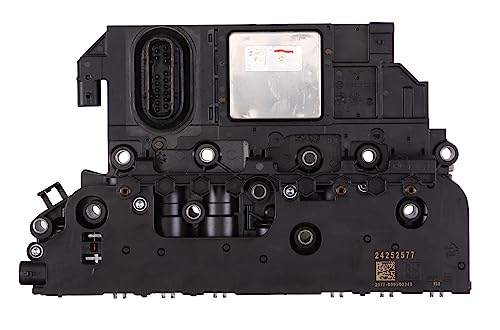
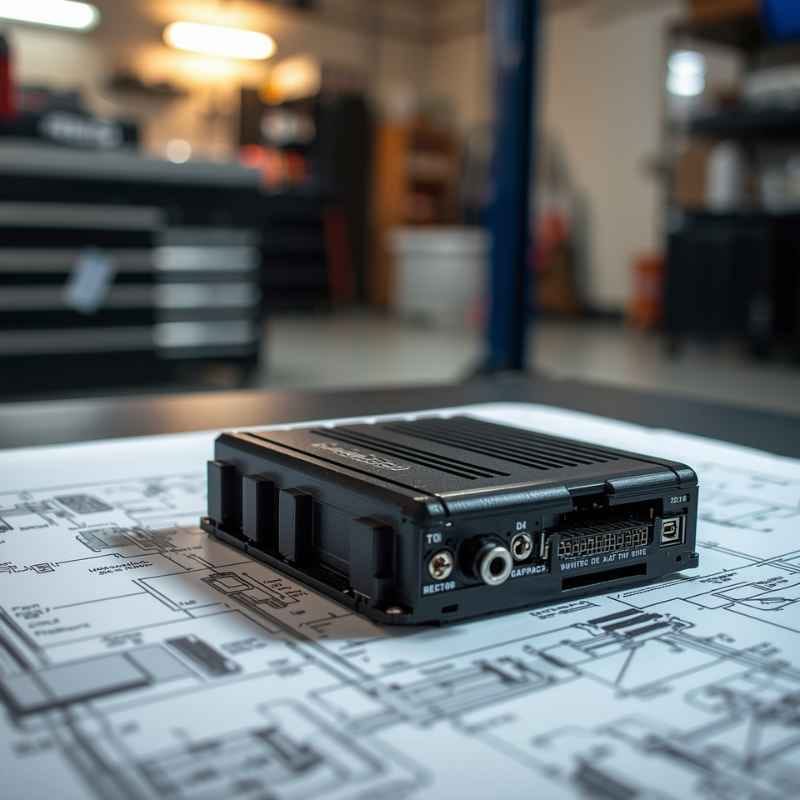
That brain is the Transmission Control Module, or TCM. It’s a small computer. It lives somewhere inside or near your car’s transmission.
Its main job is to manage how the transmission shifts gears. It does this by getting info from many sensors. These sensors tell the TCM about things like engine speed.
They also report on how hard you’re pressing the gas pedal. They track the vehicle’s speed too. The TCM uses all this data.
It then tells the transmission when to shift. It decides which gear is best for the current driving situation.
This is super important. The right gear means smooth driving. It also means good gas mileage.
It keeps your engine running well. Without a working TCM, your transmission might not shift at all. Or, it might shift very roughly.
It could even shift at the wrong times. This can cause a rough ride and damage your transmission over time.
Why Does a TCM Need Reprogramming?
So, why would this computer brain need an update? Think about your smartphone. It gets software updates.
These updates add new features. They also fix bugs and make it run better. A TCM works in a similar way.
Your car’s manufacturer releases updates for the TCM software. These are like little tune-ups for the car’s brain.
One common reason for reprogramming is shifting problems. Maybe your car jerks when it changes gears. Or it feels sluggish.
Perhaps it hesitates to downshift when you need more power. These issues can happen because the original software isn’t perfect. Driving conditions change over time.
Manufacturers find better ways to make the transmission shift. They release new software versions to fix these problems.
Another big reason is replacing parts. If a mechanic
Sometimes, reprogramming is needed after a major repair. Like if the entire transmission was rebuilt or replaced. The new or rebuilt unit might have slightly different specs.
The TCM needs to be updated to match. It’s about making sure the car’s computer systems talk to each other correctly. This is key for overall vehicle health and performance.
Common TCM Reprogramming Triggers
Shifting Issues:
- Rough gear changes
- Hesitation during shifts
- Slipping gears
- Delayed downshifts or upshifts
Component Replacement:
- New sensors installed
- Transmission solenoid replacement
- Mechatronic unit update
Major Repairs:
- Transmission rebuild
- Transmission replacement
The Risks of Incorrect TCM Reprogramming
Reprogramming a TCM sounds like a simple software update. But it’s not quite like updating your phone. This is a critical part of your car’s engine and transmission system.
If it’s done the wrong way, bad things can happen. This is where the frustration can really start.
One of the biggest risks is that the transmission might stop working altogether. Imagine you’re driving. Suddenly, your car won’t shift gears.
Or it gets stuck in one gear. This can happen if the new software is not compatible. It could be the wrong version for your car’s specific make and model.
Or maybe the update process was interrupted. This can leave the TCM in a broken state. That’s an expensive tow truck ride.
Another serious risk is damage to the transmission itself. The TCM controls the precise timing and pressure of the gear shifts. If the reprogramming is off, the shifts can be too hard or too soft.
Too-hard shifts can break gears. Too-soft shifts can cause parts to slip. Over time, this can lead to major transmission wear and tear.
This means costly repairs or even a full transmission replacement down the line. It can also affect fuel efficiency. Your car might start drinking more gas.
You also risk issues with other car systems. Modern cars have many computers talking to each other. The TCM communicates with the engine control module (ECM).
It also talks to the anti-lock braking system (ABS). If the TCM reprogramming is done incorrectly, it can throw off these other systems too. You might see warning lights on your dashboard.
These lights could be for the check engine light, ABS, or traction control.
Finally, there’s the possibility of voiding your warranty. If you try to reprogram the TCM yourself without the right tools and knowledge, and something goes wrong, your car manufacturer might refuse to cover the repairs. This can be a huge financial hit.
It’s why many people are so hesitant about this process.
What Can Go Wrong?
- Transmission Failure: Car won’t shift or gets stuck in a gear.
- Transmission Damage: Hard shifts break gears, soft shifts cause slipping.
- Poor Performance: Rough driving, reduced fuel economy.
- Warning Lights: Check engine, ABS, or traction control lights illuminate.
- Voided Warranty: Manufacturer may deny claims if done incorrectly.
The Right Way: What’s Involved in TCM Reprogramming?
Doing this the right way involves more than just plugging in a USB drive. It requires specific tools and a certain level of expertise. It’s not usually a DIY job for the average car owner.
However, understanding the process helps you talk to your mechanic. It also helps you know what to expect.
First, you need the right equipment. This usually means a high-quality diagnostic scan tool. This tool needs to be able to communicate with your car’s TCM.
It also needs to be capable of uploading new software. These tools are often expensive. They are used by professional mechanics.
They also need access to the correct software files from the car manufacturer. These files are specific to your car’s year, make, model, and sometimes even its VIN (Vehicle Identification Number).
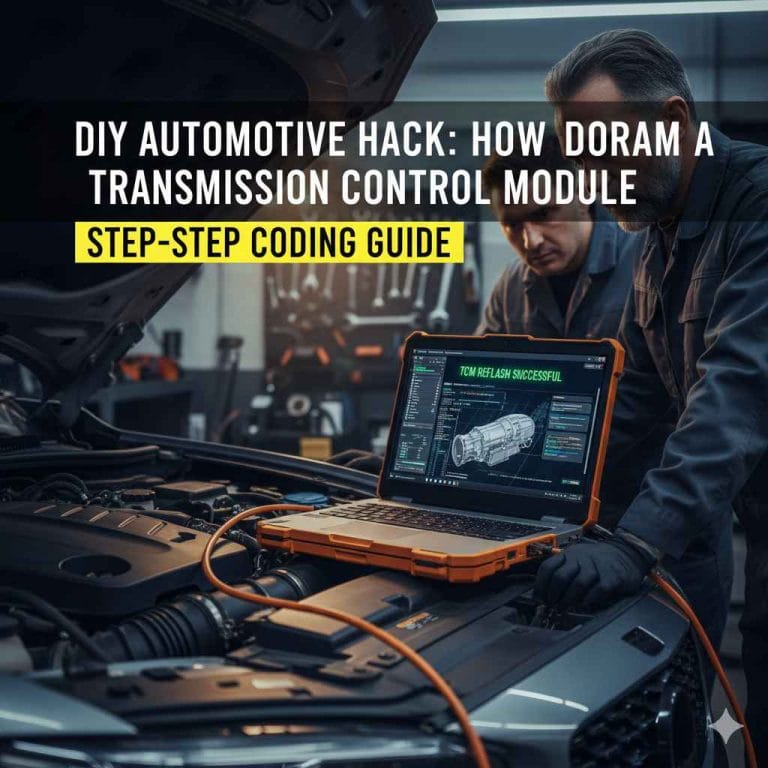
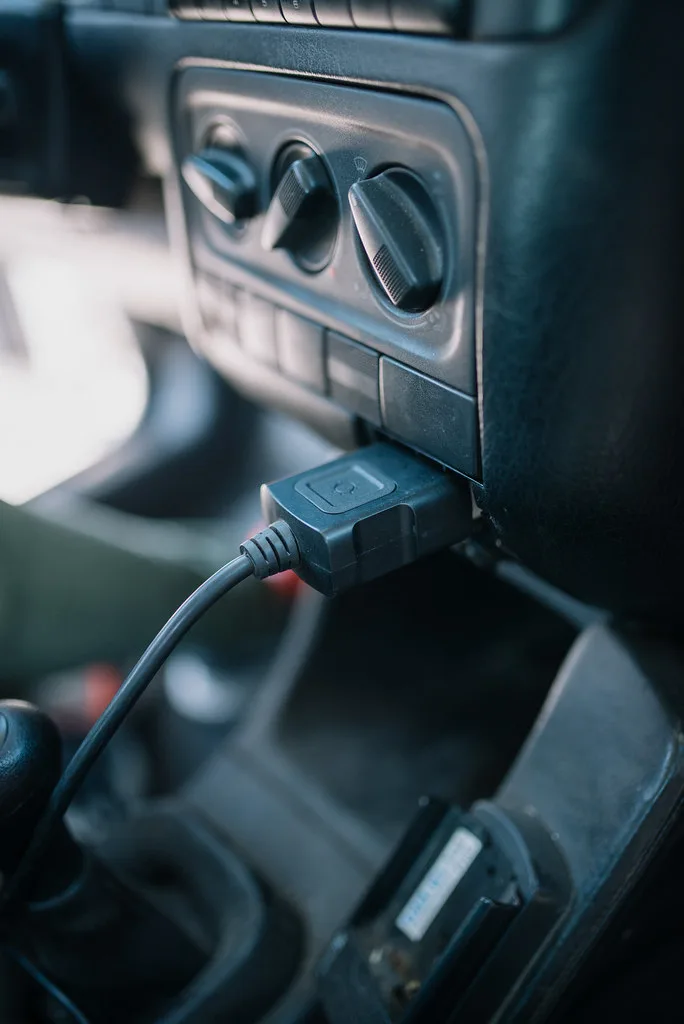
The process itself usually involves connecting the scan tool to your car’s OBD-II port. This port is typically found under the dashboard. Once connected, the mechanic will access the TCM through the scan tool.
They will then load the appropriate software update. This update is carefully chosen based on your car’s exact specifications.
During the reprogramming, it’s crucial that the car’s power supply is stable. A sudden loss of power can corrupt the software. This can leave the TCM in a non-functional state.
Mechanics often use a voltage stabilizer or a battery charger to ensure a constant power flow. The engine is usually kept running during this process. This helps maintain stable voltage.
After the software is loaded, the TCM needs to be calibrated. This step is often called “learning” or “adaptation.” The car’s computer relearns the transmission’s behavior. It adjusts settings based on the new software and current conditions.
This often involves a series of specific driving steps. The mechanic will usually guide the car through these steps. This might include driving at certain speeds or shifting through all gears.
The whole process can take anywhere from 30 minutes to a couple of hours. It depends on the car model and the specific update. It’s a careful, step-by-step procedure.
It needs to be followed exactly.
Key Steps in Proper TCM Reprogramming
1. Connect Diagnostic Tool
Use a specialized scan tool to access the TCM.
2. Select Correct Software
Choose the exact update file for your vehicle.
3. Upload Update
Transfer the new software to the TCM.
4. Ensure Stable Power
Use a voltage stabilizer or charger.
Follow-up:
- Calibration: TCM learns new parameters.
- Testing: Drive the vehicle through all gears.
When You Might Need to Reprogram Your TCM
Let’s talk about the specific signs you might notice. These are signals that your car’s transmission might need a TCM reprogramming. It’s easy to ignore these things at first.
You might just think your car is having an off day. But these can be early warnings.
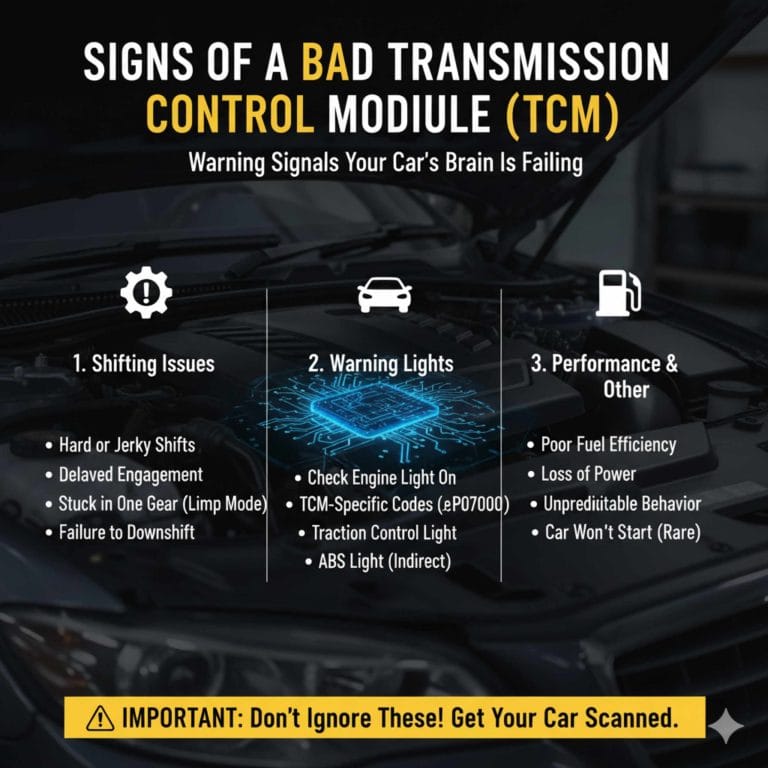
One of the most common signs is that your car is not shifting gears smoothly. This can feel like a jolt or a strong push when the car changes from one gear to another. Sometimes, it’s like the car is hesitant.
It takes a moment before it shifts. This can happen when you’re trying to speed up. Or when you’re slowing down.
Another sign is when your transmission slips. This means the engine revs up, but the car doesn’t speed up as much as it should. It feels like the engine is working hard but not getting the power to the wheels.
This is a very serious symptom. It can mean your transmission is failing. Reprogramming might help if it’s a software issue.
But it could also mean there’s a mechanical problem.
You might also notice that your car’s engine is running rough. Or it’s getting worse gas mileage. This is because the TCM isn’t telling the transmission to use the best gear.
The engine might be working harder than it needs to. This wastes fuel. It can also cause extra wear on the engine and transmission parts.
Warning lights on your dashboard are a big clue. If your check engine light comes on, it could be related to the transmission. Sometimes, the transmission warning light itself will illuminate.
These lights are your car’s way of telling you something is wrong. Don’t ignore them.
If you recently had a major repair done on your transmission or related components, that’s another reason to think about reprogramming. Even if things seem okay at first, the new parts might behave slightly differently. The TCM might need an update to work with them perfectly.
Finally, sometimes manufacturers release recalls or technical service bulletins (TSBs). These are official notices about known problems. They often suggest a TCM update as a fix for a widespread issue.
Always check with your dealership or a trusted mechanic if you suspect your car is part of a recall.
Signs Your TCM Might Need Reprogramming
- Rough Shifting: Jerking or jolting during gear changes.
- Hesitation: Delays in upshifts or downshifts.
- Transmission Slipping: Engine revs up, but car doesn’t gain speed.
- Poor Fuel Economy: Car uses more gas than usual.
- Rough Engine Performance: Engine runs unevenly.
- Dashboard Warning Lights: Check engine light or transmission warning light.
- After Major Repairs: Especially transmission component replacements.
Experience: When My Car’s Transmission Went Haywire
I remember one particularly stressful afternoon. I was driving my older sedan. It had about 120,000 miles on it.
I was heading to a client meeting. Traffic was pretty heavy. Suddenly, the car felt… off.
It was like it was struggling to decide which gear to be in. Every time it tried to shift up, there was this awful shudder. It felt like the car was trying to cough.
I could hear the engine revving strangely. Then it would just sort of lurch forward. The check engine light popped on.
My stomach dropped. I was already running late.
I managed to limp the car to a trusted local mechanic. He hooked up his scanner. The codes pointed towards the transmission control module.
He explained that the software was probably outdated. It wasn’t communicating properly with the newer sensors. The transmission was essentially confused.
He told me the fix was likely a TCM reprogram. I was relieved it wasn’t something worse. But I was also worried.
This was a new procedure for me. He assured me it was common. He had all the right tools.
He plugged in his fancy computer. He said he needed to download the latest software from the manufacturer. It took about an hour.
He then took the car for a test drive. He explained he had to let the computer “relearn” how the transmission worked. When I got the car back, it was like night and day.
The shifting was smooth again. The engine noise was normal. The relief was immense.
That experience taught me how important that little computer brain really is.
TCM Reprogramming vs. Other Transmission Fixes
It’s important to understand that TCM reprogramming isn’t always the answer. Sometimes, the problem is more serious. It’s like knowing when to call a plumber versus when to just tighten a faucet.
Reprogramming is a software fix. It tells the transmission’s computer how to do its job better. But it can’t fix physical damage.
If your transmission has internal mechanical problems, reprogramming won’t help. This could be worn-out gears, damaged clutch packs, or a failing torque converter. These parts wear out over time.
Or they can break from heavy use or impact. In these cases, you’ll need to have the transmission repaired or replaced. This is a much bigger job than just updating software.
Sometimes, the issue might be with specific sensors or actuators. These are the parts that physically move things within the transmission. If a sensor is sending wrong signals, the TCM might misinterpret them.
Even with the correct software, the TCM can’t work right if it’s getting bad information. In these cases, the faulty sensor or actuator needs to be replaced first. Then, a TCM reprogram might be needed to make sure the new part works perfectly.
Fluid issues can also cause transmission problems. Low transmission fluid, old or dirty fluid, or the wrong type of fluid can all lead to poor performance. This can mimic symptoms that look like a TCM issue.
Before jumping to reprogramming, it’s always a good idea to check the transmission fluid. Make sure it’s at the right level and looks clean. Sometimes, simply flushing and refilling the transmission fluid can solve the problem.
The key difference is this: TCM reprogramming addresses the brain’s instructions. Mechanical repairs address the physical components. Sensor/actuator replacement addresses the communication lines.
Fluid maintenance addresses the lubrication and cooling system. A good mechanic will diagnose the problem thoroughly. They will figure out if it’s a software, hardware, or fluid issue before recommending a fix.
TCM Reprogramming vs. Other Fixes: A Quick Look
| Issue Type | Typical Solution | TCM Reprogramming Involved? |
|---|---|---|
| Outdated Software | TCM Reprogramming | Yes (The Fix) |
| Worn Gears/Clutches | Transmission Repair/Replacement | Possibly (After Repair) |
| Faulty Sensor/Actuator | Component Replacement | Often (To Calibrate New Part) |
| Low/Dirty Fluid | Fluid Flush & Fill | Rarely (Unless Linked to Other Issues) |
Can I Reprogram My Own TCM?
This is the million-dollar question for many car owners. The short answer is: it’s very difficult and generally not recommended for most people. While the idea of a simple software update sounds doable, the reality is much more complex.
First, you need the specialized tools. As mentioned before, these are not your average car tools. You need a high-end diagnostic scanner.
This scanner must be able to communicate with your specific car’s computer system. It also needs to be able to flash new software onto the TCM. These tools can cost hundreds or even thousands of dollars.
They also often require annual software subscriptions to stay updated with the latest vehicle information.
Second, you need access to the correct software. Car manufacturers keep these software updates proprietary. They are not usually available to the public.
Mechanics and dealerships pay for access to these databases. Without the exact, correct software file for your car’s year, make, model, and trim level, you risk loading the wrong update. This can cause serious problems.
Third, there’s the risk of power interruption. If the power supply to the car drops during the reprogramming process, the TCM can become corrupted. This is called “bricking” the module.
You would then need to replace the entire TCM. This is an expensive part. Trying to fix it yourself could end up costing much more than having a professional do it.
Finally, the calibration process is crucial. After the software is uploaded, the TCM needs to learn how the transmission operates. This often involves specific driving procedures.
These procedures can be tricky to perform correctly. Doing them wrong means the transmission won’t shift properly, even with the new software.
While there are some DIY tools that claim to do basic module resets, true reprogramming usually requires dealership-level or professional aftermarket equipment. If you’re not a professional mechanic with access to these resources, it’s best to leave TCM reprogramming to the experts. It saves you money and headaches in the long run.
Why DIY TCM Reprogramming is Risky
- Specialized Tools: Requires expensive diagnostic scanners.
- Software Access: Manufacturers control software downloads.
- Power Interruption Risk: Can “brick” the module, causing costly damage.
- Complex Calibration: Needs specific driving tests to learn properly.
- Warranty Concerns: Incorrect attempts can void vehicle warranty.
What to Expect When Visiting a Mechanic
When you take your car to a mechanic for potential TCM reprogramming, here’s what you should expect. A good mechanic will always start with a thorough diagnosis. They won’t just jump straight to reprogramming.
First, they’ll listen to your concerns. They’ll ask about the symptoms you’re experiencing. When did they start?
What were you doing when they happened? This information is very helpful.
Next, they’ll likely connect a diagnostic scan tool. This tool reads fault codes from the car’s computer system. These codes are like error messages.
They give the mechanic clues about what might be wrong. They will check for transmission-related codes. They will also check for any codes related to other systems that might be affected.
Based on the codes and symptoms, they’ll perform further checks. This might include checking transmission fluid levels and condition. They might also test specific sensors and actuators related to the transmission.
This helps rule out other issues before focusing on the TCM.
If the diagnosis points to a software issue, they’ll then discuss reprogramming. They will explain why they think it’s necessary. They will tell you what the process involves.
They should also give you an estimate of the cost. This cost usually includes the diagnostic time and the reprogramming service itself.
The actual reprogramming will be done using their professional tools. They will ensure they have the correct software version for your car. They will make sure the car has a stable power supply throughout the update.
They will then perform the necessary calibration steps.
After the reprogramming and calibration, they will take the car for a test drive. This is to ensure the transmission is shifting correctly. They will also check to see if the warning lights have gone away.
They should explain what they did and confirm the issue is resolved.
Don’t be afraid to ask questions. A good mechanic will be happy to explain the process. They should be able to tell you what the codes mean.
They should also explain why reprogramming is the best solution for your specific problem. You’re paying for their expertise, so use it!
Mechanic Visit Checklist
1. Listen to Your Concerns
Mechanic asks about symptoms.
2. Diagnostic Scan
Reads fault codes from car’s computer.
3. Further Checks
Inspects fluid, sensors, etc.
4. Explain Diagnosis
Discusses why reprogramming is needed.
During Reprogramming:
- Use of professional tools and software.
- Stable power supply maintained.
- Calibration performed.
After Reprogramming:
- Test drive to confirm fix.
- Check for resolved warning lights.
- Clear explanation of work done.
Cost of TCM Reprogramming
The cost of reprogramming a TCM can vary quite a bit. It depends on several factors. The most significant factor is the type of shop you go to.
It also depends on the complexity of the reprogramming process for your specific vehicle.
At a dealership, you can expect to pay more. Dealerships have direct access to all manufacturer-specific software. They also have the specialized tools designed for your car brand.
For a dealership visit, you might be looking at anywhere from $150 to $400 or even more. This usually covers the diagnostic time, the software update, and the calibration process.
Independent repair shops can often do this work for less. Many of them invest in high-quality aftermarket diagnostic tools. These tools can program a wide range of vehicles.
The cost at an independent shop might range from $100 to $300. However, make sure the shop you choose is reputable. Ask if they have experience with TCM reprogramming.
Confirm they have the right equipment.
Some specialized transmission shops might also offer this service. Their prices could be similar to independent shops. They often have deep expertise in transmission systems.
This can be a good option if your transmission is the main concern.
It’s important to remember that this price is just for the reprogramming. If the diagnosis reveals that you also need new sensors or other parts replaced, those costs will be additional. The reprogramming is a software fix.
It doesn’t fix broken hardware.
Always get an estimate before authorizing any work. Ask the mechanic to break down the costs. Understand what you are paying for.
This way, there are no surprises. The peace of mind knowing your transmission is working correctly is often worth the cost.
Typical TCM Reprogramming Costs (Estimate)
- Dealership: $150 – $400+
- Independent Repair Shop: $100 – $300
- Specialty Transmission Shop: $100 – $300
Note: These costs do not include the replacement of any faulty hardware components.
Preventing Future Transmission Issues
While you can’t always prevent every transmission problem, there are steps you can take. These actions can help keep your transmission running smoothly. They can also reduce the chances of needing a TCM reprogramming later on.
The most important thing is regular maintenance. This means following your car’s recommended service schedule. Pay close attention to the transmission fluid.
This fluid is like the blood of your transmission. It lubricates parts. It also cools them down.
It helps with shifting. Check your owner’s manual. It will tell you when and how often to check and change the transmission fluid.
Don’t ignore warning signs. If you notice any strange noises, rough shifting, or warning lights, get it checked out right away. Small problems can become big, expensive ones if left unaddressed. Early detection is key.
Drive smoothly. Avoid aggressive driving habits. This includes hard acceleration and sudden braking. These actions put extra stress on your transmission.
Gentle acceleration and braking can help extend its life.
Avoid overloading your vehicle. Towing beyond your car’s capacity or carrying excessively heavy loads can strain the transmission. Make sure you know your vehicle’s towing and payload limits. Stick to them.
Use the correct fluids. Always use the type and amount of transmission fluid recommended by the manufacturer. Using the wrong fluid can cause damage. If you’re unsure, ask a mechanic.
Park correctly. When parking on a hill, set your parking brake firmly before shifting into park. This takes the load off the transmission. It prevents strain when you leave the vehicle.
By taking these simple steps, you can help ensure your transmission stays in good shape. This can save you from costly repairs and the headache of complex fixes like TCM reprogramming.
Tips for Transmission Health
- Regular Maintenance: Follow service schedule, check/change fluid.
- Address Issues Early: Don’t ignore warning lights or strange noises.
- Smooth Driving: Avoid hard acceleration and braking.
- Avoid Overloading: Respect towing and payload limits.
- Use Correct Fluids: Always use manufacturer-recommended fluids.
- Proper Parking: Use parking brake on hills.
Frequently Asked Questions About TCM Reprogramming
What does TCM stand for?
TCM stands for Transmission Control Module. It’s a computer that manages your car’s transmission.
Can a bad TCM cause a car not to start?
Usually, a bad TCM won’t prevent a car from starting. It primarily affects how the transmission shifts gears. However, in some complex systems, a critical TCM failure might indirectly impact starting.
But it’s not the most common symptom.
How long does TCM reprogramming take?
TCM reprogramming typically takes about 1 to 2 hours. This includes the diagnostic time, the software update process, and the necessary calibration steps afterward.
Will reprogramming a TCM improve gas mileage?
Yes, a TCM reprogramming can often improve gas mileage. This happens when the new software optimizes gear shifts. It helps the engine operate more efficiently at different speeds.
What is the difference between a TCM and an ECM?
The ECM (Engine Control Module) manages the engine. The TCM (Transmission Control Module) manages the transmission. They are separate computers, though they communicate with each other.
Can I just reset my TCM instead of reprogramming?
Some very basic issues might be resolved by a simple module reset. This is often done by disconnecting the car battery for a period. However, a true reprogramming involves updating the software.
A reset only clears temporary memory. It doesn’t install new instructions.
Conclusion
Understanding TCM reprogramming is key to navigating modern car repairs. It’s a critical process. It ensures your transmission works right.
Done correctly, it fixes shifting issues. It improves performance. It can even boost fuel economy.
But it requires special tools and knowledge. Always trust this job to qualified professionals. This helps avoid costly mistakes.
See also transmission control valve vs valve body what’s different .
Products related to this article
Sponsored / affiliate links. As an Amazon Associate I earn from qualifying purchases. I may earn additional commission from eligible campaigns.