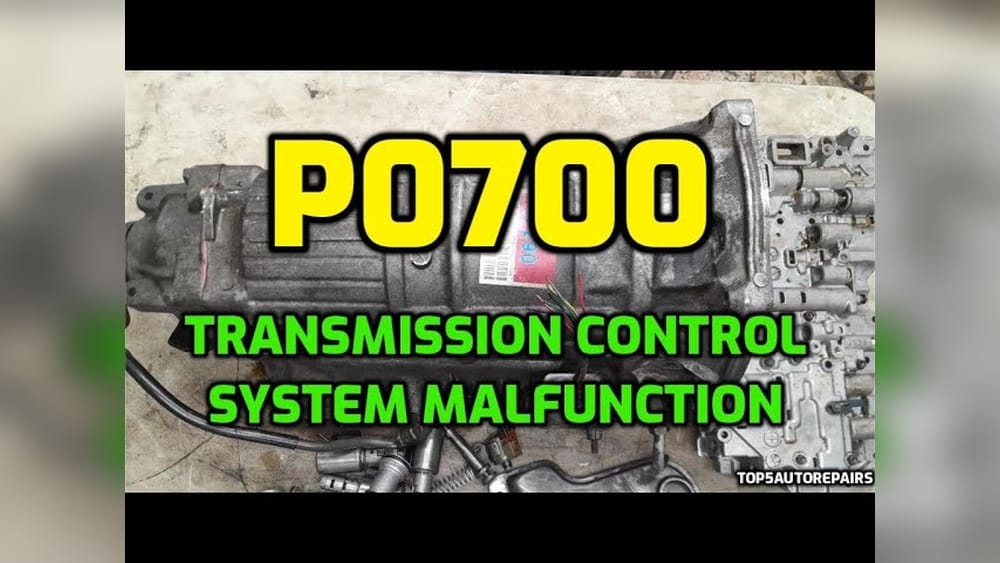
What Does Transmission Control System Malfunction Mean? Explained
If you’re driving and see a warning on your dashboard about the transmission control system malfunction, you may feel worried or even confused. You’re not alone. Many drivers don’t know what this warning means or what they should do next. Understanding your car’s transmission control system and why it can malfunction is essential to keeping your vehicle safe and reliable.
In this article, we’ll explain what a transmission control system malfunction is, why it happens, what symptoms to watch for, and how you can fix or prevent it. We’ll also share practical advice, common mistakes, and answer the most frequent questions people have about this problem.
What Is A Transmission Control System?
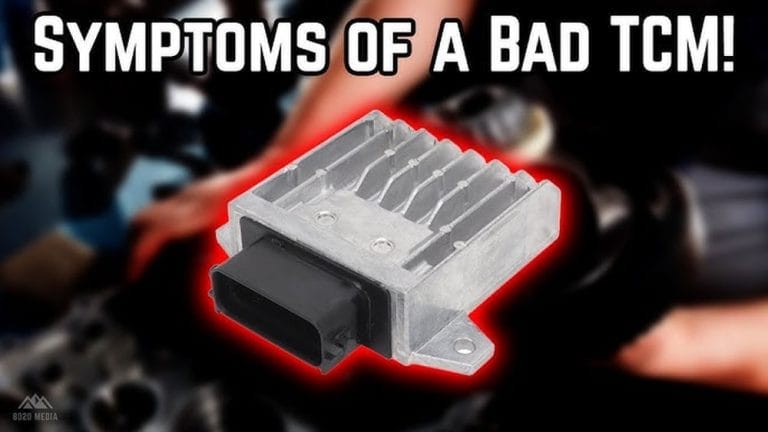
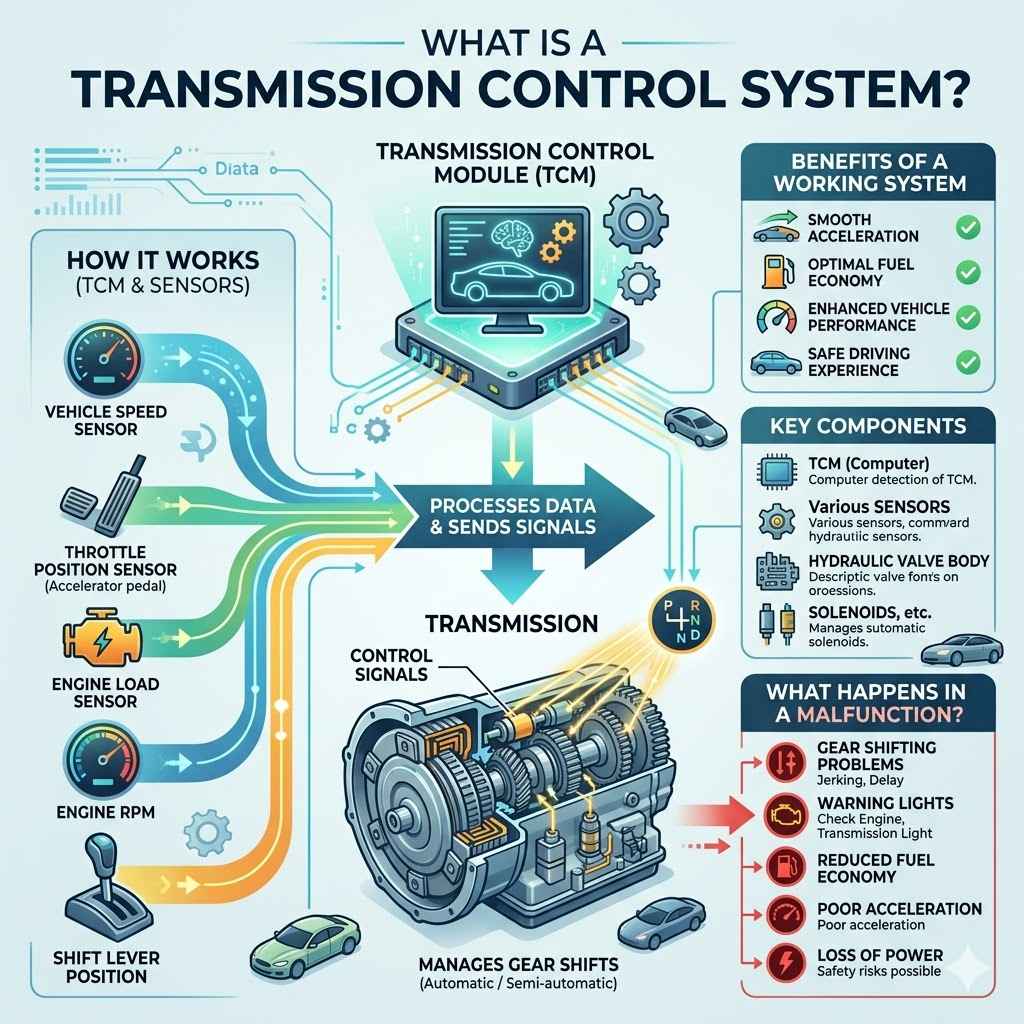
The transmission control system is an important part of modern cars. It manages how your car shifts gears, whether you have an automatic or semi-automatic transmission. In older cars, gear shifting was mechanical. Today, most vehicles use a transmission control module (TCM), which is a small computer that works with sensors and electronic controls.
This system ensures that your car’s transmission shifts at the right time, giving you smooth acceleration, good fuel economy, and a safe driving experience. The TCM receives information from different sensors, such as vehicle speed, throttle position, and engine load.
It then sends signals to the transmission to change gears as needed.
A malfunction in this system means the TCM or related components are not working as they should. This can lead to gear shifting problems, warning lights, and sometimes serious safety risks.
What Does Transmission Control System Malfunction Mean?
When your car shows a transmission control system malfunction warning, it means the system has detected a problem that affects how your transmission operates. The TCM may not be getting the right information, or it may not be able to control the transmission correctly.
This can happen for several reasons:
- Faulty sensors (for example, speed or temperature sensors)
- Damaged wiring or connectors
- Software problems in the TCM
- Low or dirty transmission fluid
- Mechanical issues inside the transmission
The malfunction can be temporary or permanent. Sometimes, it’s a simple glitch that goes away after restarting your car. Other times, it signals a serious failure that needs immediate attention.
It’s important not to ignore this warning. Driving with a malfunctioning transmission control system can cause more damage, lead to expensive repairs, or even put you and others at risk.
Main Components Involved In Transmission Control
To understand malfunctions, it helps to know the main parts involved in the transmission control system:
- Transmission Control Module (TCM): The “brain” that processes data and controls shifting.
- Sensors: These measure things like speed, throttle, temperature, and gear position.
- Actuators: Devices that move or control parts inside the transmission.
- Wiring and Connectors: Carry signals between sensors, TCM, and the transmission.
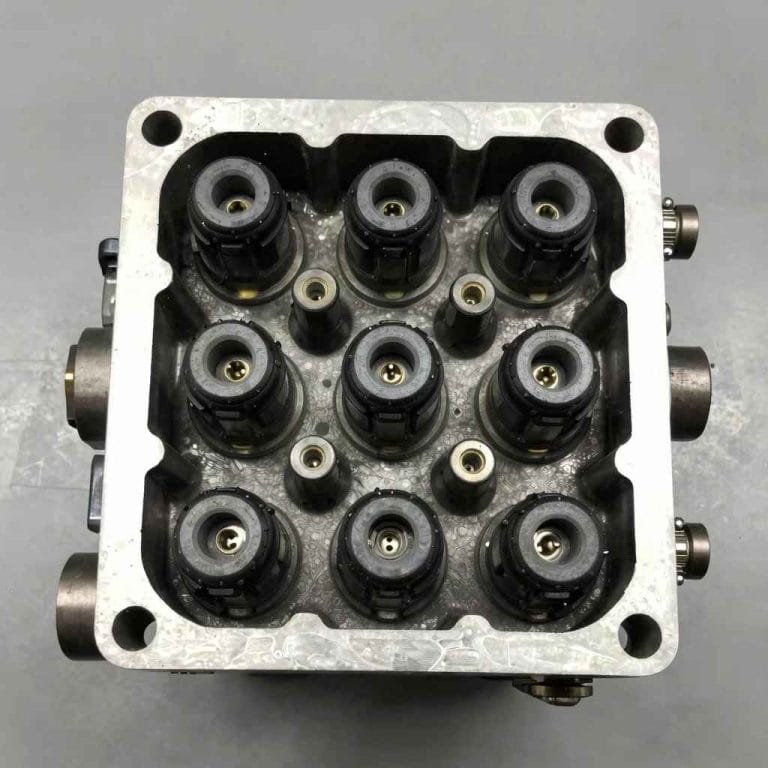
- Valve Body (for automatics): Directs hydraulic fluid to change gears.
If any of these parts fail or send wrong signals, the system may not work properly.
Common Symptoms Of Transmission Control System Malfunction
If your transmission control system is not working right, you might notice some clear signs. Here are the most common symptoms:
1. Warning Lights
The check engine light or a specific transmission warning light often turns on. Some cars display a message such as “Transmission Malfunction” or “Transmission Service Required.”
2. Hard Or Delayed Gear Shifts
You may feel the transmission jerk or take too long to shift. Sometimes, it may skip gears or get “stuck” in one gear.
3. Transmission Stuck In Limp Mode
Modern cars may enter a limp mode or “safe mode.” This limits the car to one gear (often 2nd or 3rd) to prevent damage. You’ll notice reduced power and speed.
4. Unusual Noises
Strange clunking, grinding, or whining noises when shifting can signal transmission problems.
5. Poor Fuel Economy
A malfunctioning TCM can cause the transmission to shift at the wrong times, which uses more fuel.
6. Difficulty Starting Or Moving
Sometimes, the car won’t move when you shift into drive, or it may not start at all.
7. Dashboard Messages
Modern vehicles can display detailed error messages related to the transmission or control system.
Non-obvious Symptom: Intermittent Problems
Some drivers notice that the symptoms come and go. For example, the problem might only happen when the car is hot, or after driving for a long time. Ignoring these early signs is a common mistake.
What Causes Transmission Control System Malfunction?
The causes can be simple or complex. Here are the most common ones:
Faulty Sensors
Sensors like the vehicle speed sensor or transmission temperature sensor are critical. If they fail or send incorrect data, the TCM may shift gears at the wrong time.
Damaged Wiring Or Connectors
Wiring harnesses can wear out, get wet, or suffer from corrosion. Even a small loose connection can cause the system to malfunction.
Low Or Dirty Transmission Fluid
Transmission fluid cools and lubricates the system. If it’s low or dirty, it can cause overheating or poor shifting. Many people forget to check or change their transmission fluid, which is an easy way to prevent problems.
Software Issues
The TCM uses software to control shifting. Sometimes, a software bug or outdated firmware can cause the system to behave strangely. Manufacturers often release updates to fix these issues.
Mechanical Problems
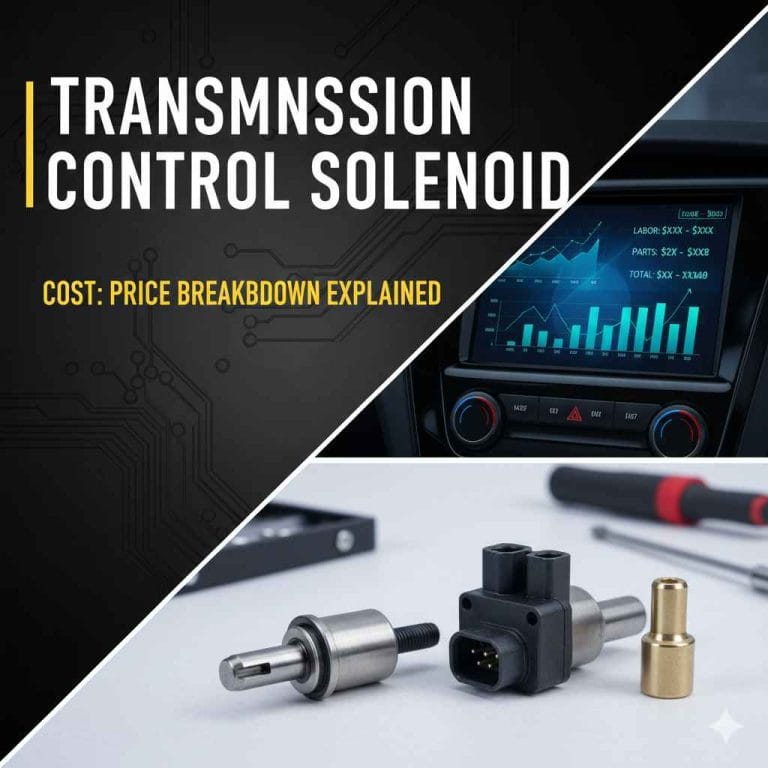
Internal problems such as worn-out solenoids, a broken valve body, or damaged gears can confuse the TCM and trigger a malfunction warning.
Failed Tcm
The TCM itself can fail due to age, electrical surges, or manufacturing defects.
Aftermarket Modifications
Adding non-factory electronics or changing the transmission system can interfere with the TCM’s function.
Battery Or Alternator Issues
Weak voltage or electrical problems can cause the TCM to act unpredictably.
Overlooked Cause: Water Intrusion
Water entering the wiring or TCM housing is a less obvious but serious cause, especially after heavy rain or driving through water.
How Mechanics Diagnose Transmission Control System Problems
Fixing a transmission control system malfunction starts with a careful diagnosis. Here’s how professionals usually approach the problem:
1. Scan For Diagnostic Trouble Codes (dtcs)
Mechanics use a scan tool to read codes from your car’s computer. These codes point to the specific sensor or part that’s not working.
2. Check Fluid Condition And Level
Dirty or low fluid can cause many shifting problems. Mechanics check the fluid’s color and smell and look for signs of burning or contamination.
3. Inspect Wiring And Connectors
They check for loose, corroded, or damaged wires around the transmission and TCM.
4. Test Sensors And Actuators
Using specialized tools, mechanics test whether sensors are sending the right signals and actuators are responding.
5. Software Scan And Update
If hardware is fine, they check if the TCM software needs updating or “reflashing. ”
6. Check Mechanical Components
If everything else checks out, they may inspect the valve body, solenoids, or other internal parts.
Pro Tip: Second Opinions Matter
Many shops replace expensive parts first. If you’re not sure about the diagnosis, get a second opinion before spending money.
Possible Fixes For Transmission Control System Malfunction
The right repair depends on what’s wrong. Here are common solutions, from simple to complex:
- Replace Faulty Sensors: Swapping a bad speed or temperature sensor is often quick and affordable.
- Repair or Replace Wiring: Fixing broken or corroded wires can solve many issues.
- Change Transmission Fluid: If fluid is dirty or low, a full fluid exchange and filter change may restore normal shifting.
- Update TCM Software: A dealer or specialist can update the TCM’s software to fix bugs.
- Replace TCM: If the module itself has failed, it may need replacement. This can be costly and may require programming.
- Fix Mechanical Problems: Internal repairs, such as replacing solenoids or the valve body, may be needed for severe issues.
Cost Range For Repairs
Costs vary widely. Here’s a general comparison:
| Repair Type | Estimated Cost (USD) | Time Required |
|---|---|---|
| Sensor Replacement | $100 – $300 | 1-2 hours |
| Wiring Repair | $50 – $400 | 1-3 hours |
| Fluid Change | $120 – $250 | 1 hour |
| TCM Software Update | $80 – $150 | 1 hour |
| TCM Replacement | $500 – $1,100 | 2-4 hours |
| Valve Body/Solenoids | $400 – $900 | 3-6 hours |
Can You Drive With A Transmission Control System Malfunction?
It’s tempting to keep driving when you see a warning. But is it safe? The answer depends on the severity of the problem.
- If your car is in limp mode, you’ll notice reduced power and speed. This is designed to protect your transmission. You should drive to a repair shop as soon as possible, but avoid highways or long trips.
- If the problem is minor (such as a loose sensor wire), you might be able to drive for a short distance. However, the risk is that the problem gets worse and causes more damage.
- If the car won’t shift or makes loud noises, stop and call for help. Driving with a serious transmission problem can ruin your transmission and put you in danger.
Real-world Example
A 2017 Ford Focus owner ignored the transmission malfunction warning for two weeks. Eventually, the transmission stopped shifting completely, leading to a $3,000 repair. Early diagnosis could have prevented this.
How To Prevent Transmission Control System Malfunctions
Preventing a transmission control system malfunction is easier and cheaper than repairing one. Here’s what you can do:
1. Regular Maintenance
Check your owner’s manual and follow the recommended transmission fluid change schedule. This usually means every 30,000 to 60,000 miles.
2. Inspect Wiring And Connectors
If you live in a humid or rainy area, check for signs of corrosion or damage around the transmission wiring.
3. Software Updates
Ask your dealer if your car’s TCM software has any updates. Many problems are solved with a simple update.
4. Avoid Overloading
Don’t tow heavy loads unless your car is designed for it. Overloading puts extra strain on the transmission.
5. Fix Small Problems Early
If you notice even minor shifting issues or warning lights, get them checked quickly.
Non-obvious Tip: Watch For Water Leaks
A small leak inside your car or engine bay can reach the TCM or wiring. Early signs include condensation on windows or musty smells.
Comparing Manual Vs. Automatic Transmission Control Systems
Both manual and automatic transmissions have control systems, but they work differently. Here’s a comparison:
| Feature | Manual Transmission | Automatic Transmission |
|---|---|---|
| Control Type | Driver-controlled | Computer-controlled (TCM) |
| Common Issues | Clutch wear, linkage issues | Sensor, TCM, fluid, valve body |
| Warning Signs | Hard shifting, grinding | Warning lights, limp mode |
| Average Repair Cost | Lower | Higher |
| Diagnosis Method | Physical inspection | Computer scan and inspection |
Common Mistakes When Dealing With Transmission Control System Warnings
Many car owners make mistakes when they see a transmission control system malfunction. Here’s what to avoid:
- Ignoring the Warning: Hoping the problem will go away often leads to bigger issues.
- Adding the Wrong Fluid: Using the wrong type of transmission fluid can damage your system.
- Delaying Repairs: Minor problems can quickly turn into major repairs.
- DIY Fixes Without Knowledge: Modern transmissions are complex. Incorrect repairs can cause more harm.
- Forgetting Software Updates: Many people forget that TCMs need updates like any computer.
When To Seek Professional Help
If you see a transmission control system malfunction warning, it’s best to visit a professional mechanic or dealership with experience in your car’s make and model. They have the tools and knowledge to diagnose and fix the problem correctly. DIY fixes are not recommended unless you have experience and the right equipment.
How To Choose The Right Repair Shop
Not all repair shops are equal. Here are a few tips:
- Look for shops that specialize in transmissions or your specific car brand.
- Ask about diagnostic fees and what they include.
- Read reviews and ask for recommendations.
- Check if the shop uses original or high-quality replacement parts.
Long-term Effects Of Ignoring A Transmission Control System Malfunction
Ignoring a malfunction can have serious long-term effects:
- Increased repair costs: Small problems can damage expensive parts.
- Reduced fuel efficiency: Incorrect shifting wastes fuel.
- Reduced safety: Sudden loss of power can be dangerous.
- Shorter vehicle lifespan: The transmission is one of the most expensive parts to replace.
Technology Advancements And Future Trends
Modern cars are becoming more connected and “smart.” Manufacturers are working on self-diagnosing transmission systems that can even send alerts to your phone. Future TCMs may use artificial intelligence to predict failures before they happen. For now, staying informed and taking care of your car is the best way to avoid trouble.
For more technical details, you can visit the Wikipedia page on Transmission Control Units.

Frequently Asked Questions
What Should I Do If I See A Transmission Control System Malfunction Warning?
Stop the car in a safe place and turn off the engine. Wait a few minutes and restart. If the warning stays, avoid driving long distances and visit a repair shop as soon as possible. Do not ignore the warning, as it can lead to bigger problems.
How Much Does It Cost To Fix A Transmission Control System Malfunction?
Costs vary depending on the cause. Simple sensor or fluid issues may cost $100–$300, but a failed TCM or internal repair can be $500–$1,100 or more. Always get a clear estimate before agreeing to repairs.
Can I Reset The Transmission Control Module Myself?
You can sometimes reset the TCM by disconnecting the battery for a few minutes or using a diagnostic tool. However, this is not a permanent fix if there is a real problem. Only do this if you understand the risks, as it may erase important settings.
Is It Safe To Drive In Limp Mode?
Limp mode is designed to protect your transmission, but it limits power and speed. You should only drive to the nearest repair shop and avoid highways or heavy traffic. Driving long distances in limp mode can cause further damage.
How Often Should I Check My Transmission Fluid?
Check your transmission fluid at least once every few months, or as recommended in your owner’s manual. If you notice unusual smells, colors, or shifting problems, check it sooner. Regular checks help prevent many common issues.
—
Understanding what a transmission control system malfunction means can save you time, money, and stress. Early action, regular maintenance, and knowing when to seek help are the best ways to keep your car running smoothly. Stay alert for warning signs, and don’t hesitate to address issues before they grow into expensive repairs. Safe driving starts with a healthy transmission. See also what controls transmission shifting in modern vehicles .