Can Professional Carpet Cleaners Actually Remove Mold?
Mold in carpets is a nightmare for many homeowners and renters. The musty smell, the ugly stains, and—most important—the health risks make it a serious problem. If you discover mold in your carpet, you might wonder: can professional carpet cleaners actually remove mold, or is replacement the only option? This article explores what happens when mold meets professional cleaning, how the process works, what results you can expect, and when it’s time to call in other experts. You’ll also learn about the risks, costs, and key facts that most people overlook. If you’re facing a moldy carpet, this guide will help you decide your best next step.
Understanding Mold In Carpets
Before you can solve a mold problem, it’s important to know how mold grows and why carpets are especially vulnerable. Mold is a type of fungus that spreads through tiny spores. These spores are everywhere, but they only grow into visible mold when they find the right environment: moisture, warmth, and organic material.
Carpets often provide all three. A spilled drink, a pet accident, a leaky pipe, or even high humidity can supply enough moisture. The fibers and backing of the carpet offer food. Most indoor environments are warm enough for mold growth, especially in summer.
Mold does not just stay on the surface. It can grow deep within the carpet fibers, the padding underneath, and even the subfloor. That’s why visible mold on the surface may be only part of the real problem.
Signs Of Mold In Carpets
Not all mold is immediately visible. Some signs to look for include:
- Musty odor: A damp, earthy smell is one of the first clues.
- Discoloration: Green, black, or white patches on the carpet surface.
- Allergy symptoms: Sneezing, coughing, or itchy eyes when in the room.
- Dampness: Persistent wet spots or a soggy feeling underfoot.
- Warping or bubbling: Changes in the carpet shape due to moisture.
Some of these symptoms can have other causes, but if you notice them, it’s smart to check for mold—especially after a spill or flood.
Health Risks Of Carpet Mold
Mold in carpets is not just an aesthetic issue. It can cause significant health problems, especially for sensitive people such as children, seniors, or those with asthma or allergies.
Common Health Effects
Mold releases tiny spores and chemicals called mycotoxins. When these are inhaled, they may cause:
- Allergic reactions: Sneezing, runny nose, red eyes, or skin rashes.
- Asthma attacks: Mold can trigger asthma symptoms or worsen existing asthma.
- Respiratory infections: People with weakened immune systems may get lung infections.
- Headaches and fatigue: Some people report feeling tired or unwell in moldy environments.
The risk depends on the type of mold, the amount, and individual sensitivity. For most healthy adults, small amounts of mold are usually not dangerous, but long-term exposure increases risk.
Data On Mold And Health
The Centers for Disease Control and Prevention (CDC) reports that indoor mold can worsen asthma and allergies and recommends removing mold as soon as possible. Studies show that children exposed to indoor mold are more likely to develop respiratory problems.
How Mold Grows In Carpet: The Science
Understanding how mold grows helps you see why carpets are so susceptible and why removal is challenging.
- Moisture is the key. Mold spores are almost always present indoors, but they don’t grow without moisture. Carpets can trap water from spills, leaks, or humidity.
- Within 24-48 hours, mold can start growing in a damp carpet.
- Growth continues as long as moisture is present. Even if the surface dries, the padding or subfloor may stay wet.
A common mistake is thinking that quick surface cleaning is enough. If moisture remains below, mold can return quickly.
Mold Growth Timeline
Here’s a breakdown of how fast mold can develop in a wet carpet:
| Time Since Wetting | Mold Activity |
|---|---|
| 0–24 hours | Moisture soaks in, spores may settle |
| 24–48 hours | Mold starts to grow (not always visible) |
| 48–72 hours | Growth speeds up, possible musty odor |
| 3–7 days | Visible mold, possible health symptoms |
This timeline shows why quick action is critical.
Professional Carpet Cleaning: What’s Involved?
Professional carpet cleaning is more than just vacuuming. Companies use special equipment, chemicals, and processes to clean deep into the carpet. But does this process actually remove mold?
Common Cleaning Methods
1. Hot Water Extraction (steam Cleaning)
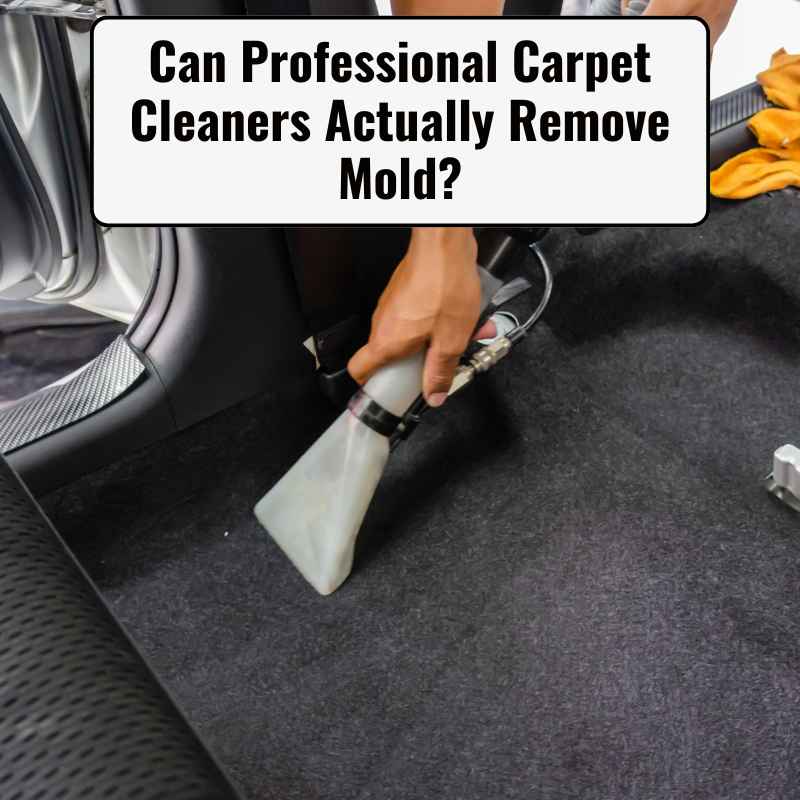
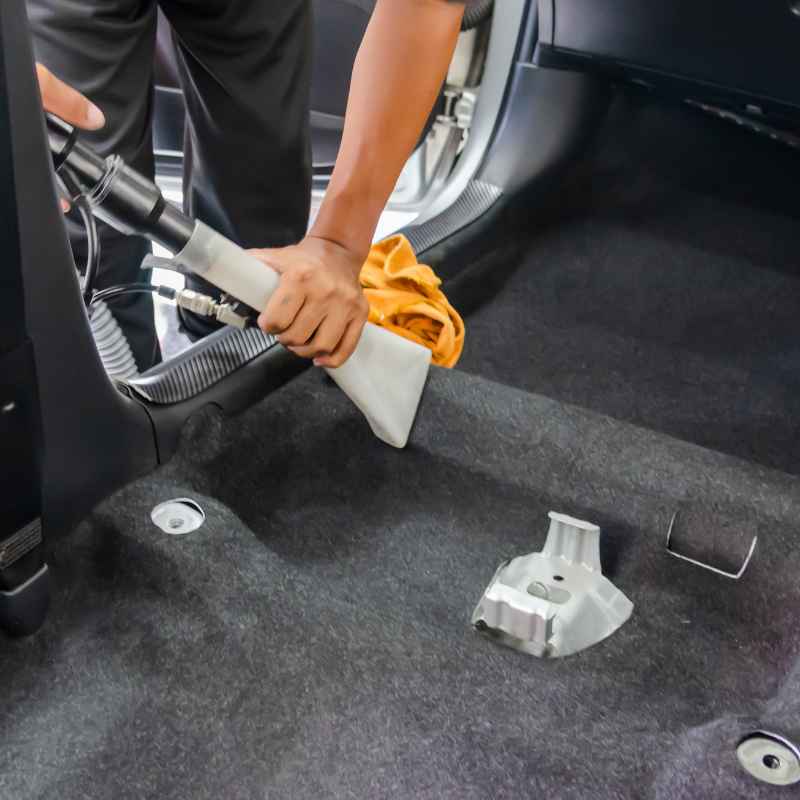
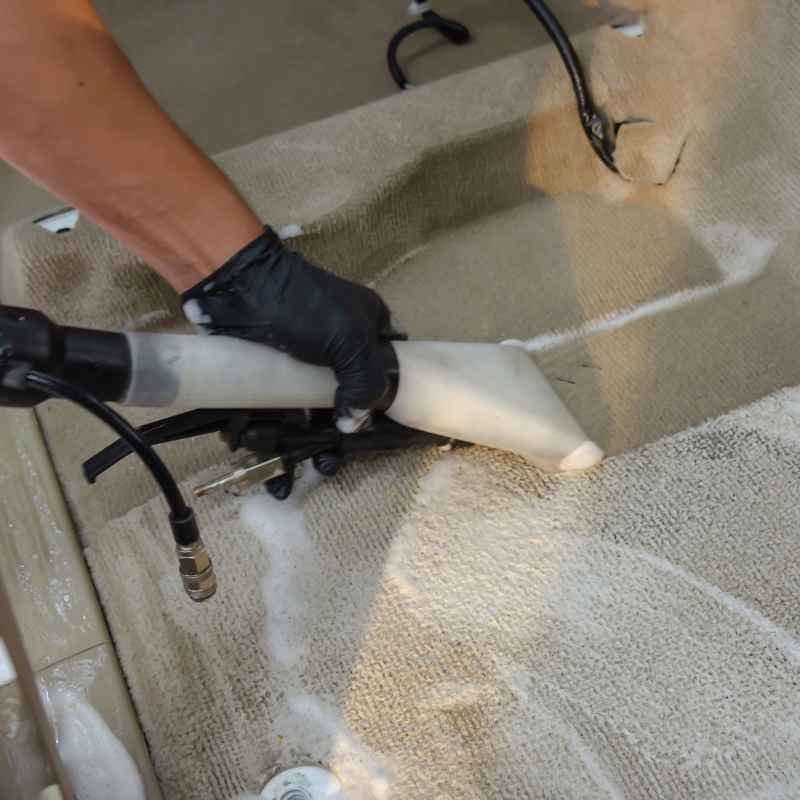
This is the most common professional method. Hot water and detergent are injected into the carpet and immediately vacuumed out. The heat helps kill some germs, and the suction removes dirt and moisture.
2. Dry Cleaning
Special powders or low-moisture solutions are spread on the carpet, scrubbed in, and then vacuumed. This method uses less water, so it’s often chosen for moisture-sensitive areas.
3. Shampooing
A foamy chemical shampoo is worked into the carpet with a machine, then vacuumed out. It’s good for surface dirt but may leave residues.
4. Encapsulation
This modern method uses polymers that “encapsulate” dirt and mold, which are then removed by vacuuming.
Each method has strengths and weaknesses. Not all are equally effective for mold.
Can These Methods Remove Mold?
- Surface mold: Most professional methods can remove visible mold on the surface of the carpet.
- Deep mold: If mold has grown into the padding or subfloor, cleaning the carpet alone will not remove it. Mold will regrow if moisture is still present.
Professional cleaners can often improve the appearance and smell of a moldy carpet, but complete removal depends on how deep the mold goes.
Limitations Of Professional Cleaning For Mold
Many people expect professional cleaning to be a complete cure for mold. In reality, there are important limits.
What Professional Cleaning Can Do
- Remove surface mold and spores from carpet fibers.
- Kill some types of mold with special chemicals (antimicrobials or fungicides).
- Reduce musty odors.
- Extract a large amount of moisture, which helps stop further growth.
What It Cannot Do
- Remove mold from the carpet padding or subfloor. These layers are not reached by most cleaning machines.
- Solve ongoing moisture problems. If leaks or humidity continue, mold will return.
- Clean extremely contaminated carpets. If the carpet is black with mold, or very old, cleaning may not be enough.
When Cleaning Is Not Enough
If more than a small area (over 10 square feet) is affected, or if you see mold on the padding or subfloor, the Environmental Protection Agency (EPA) recommends carpet removal. Mold can quickly spread and release more spores, making the problem worse.
The Professional Mold Removal Process
Some carpet cleaners are also trained in mold remediation. This is a different service from regular cleaning. Mold remediation focuses on safely removing all mold, not just cleaning.
Steps In Mold Remediation
1. Assessment
Experts inspect the area to find out how deep the mold goes. They may lift the carpet and check the padding and subfloor.
2. Containment
The affected area is sealed off with plastic to prevent mold spores from spreading.
3. Air Filtration
Machines called HEPA filters run to catch airborne spores.
4. Removal Of Contaminated Materials
Severely affected carpet and padding are removed and safely disposed of.
5. Cleaning And Disinfection
All surfaces are cleaned with special solutions that kill mold. This includes walls and floors.
6. Drying
High-power fans and dehumidifiers dry the area to prevent mold regrowth.
7. Replacement
New padding and carpet are installed if needed.
How It Differs From Standard Cleaning
Regular cleaning focuses on looks and smell. Mold remediation is about safety and complete removal. Remediation is needed for large or deep mold problems, and it’s more expensive.
How Effective Are Professional Cleaners At Removing Mold?
Results depend on several factors:
- Size of mold problem: Small, surface mold can often be removed.
- Depth of mold: If it has reached the padding, cleaning is less effective.
- Moisture source: If leaks or high humidity are not fixed, mold will return.
- Type of cleaning method: Hot water extraction is most effective for deep cleaning, but only if the area can be dried quickly.
Data And Case Studies
According to the Institute of Inspection, Cleaning and Restoration Certification (IICRC), professional cleaning can remove up to 90% of surface mold in carpets, but only if the problem is caught early. If the padding is infected, cleaning alone is successful in less than 30% of cases.
A study by the University of Florida found that carpets cleaned within 48 hours of water damage had a much lower rate of mold regrowth compared to those left wet longer.
Key Factors That Affect Mold Removal Success
Several practical factors determine whether professional cleaning will actually solve your mold problem.
1. Time Since Mold Started
The sooner you act, the better. Mold that’s been growing for days or weeks is harder to remove.
2. Carpet Age And Material
Older carpets with natural fibers (like wool) are more prone to deep mold than synthetic ones (like nylon). Tightly woven carpets may resist mold better than loose, plush ones.
3. Humidity And Ventilation
High indoor humidity (above 60%) makes it hard to fully remove mold. Good airflow and dehumidifiers help.
4. Cleaning Method Used
Some methods, like steam cleaning, can actually make things worse if the carpet is not dried quickly, as leftover moisture encourages more mold.
5. Extent Of Contamination
Professional cleaning is most effective for small areas (under 10 square feet). Larger outbreaks require remediation.
Comparison Of Carpet Types And Mold Susceptibility
| Carpet Material | Mold Susceptibility | Cleaning Effectiveness |
|---|---|---|
| Nylon (synthetic) | Low to Moderate | High |
| Polyester (synthetic) | Low | High |
| Wool (natural) | High | Moderate |
| Olefin (synthetic) | Moderate | High |
| Blends | Moderate to High | Variable |
Synthetic carpets are generally easier to clean and less mold-prone than natural fibers.
Costs And Value: Cleaning Vs. Replacement
Mold removal costs depend on the size of the problem, carpet material, and local labor rates. Sometimes, replacing the carpet is a better investment.
Typical Costs
- Professional cleaning: $150–$500 for an average room.
- Mold remediation: $500–$2,000 or more, depending on the size of the affected area.
- Carpet replacement: $800–$2,500 for a typical room, including new padding and installation.
When To Replace Instead Of Clean
- Mold covers a large area (more than 10 square feet).
- Mold is visible on both sides of the carpet and padding.
- The carpet is old, worn, or smells musty even after cleaning.
- Health risks are a concern, especially for sensitive people.
Cost Comparison Table
| Option | Average Cost | Best For |
|---|---|---|
| Professional Cleaning | $150–$500 | Small, surface mold |
| Mold Remediation | $500–$2,000+ | Deep or large mold areas |
| Carpet Replacement | $800–$2,500 | Severe contamination |
Cleaning is much cheaper, but only effective for minor mold.
Steps Professional Cleaners Take To Remove Mold
If you hire a reputable company, here’s what you can expect:
1. Inspection
They will check the carpet, padding, and subfloor for mold and moisture.
2. Moisture Control
The source of moisture must be fixed before cleaning.
3. Deep Cleaning
Hot water extraction or another deep-cleaning method is used, often with a fungicide.
4. Drying
Industrial fans and dehumidifiers dry the carpet quickly.
5. Follow-up
Some companies test for mold or check moisture levels after cleaning.
Professional cleaners may also give advice on keeping the area dry and preventing future mold.
Special Treatments
Some services offer antimicrobial sprays or encapsulation treatments after cleaning to help prevent mold from returning. These add to the cost but can be effective in high-risk areas.
Common Mistakes And Misconceptions
Many people make errors when dealing with moldy carpets. Avoid these pitfalls:
1. Waiting Too Long
Delaying cleaning allows mold to grow deeper and become harder to remove.
2. Diy Cleaning With Bleach
Bleach does not work well on carpets. It can damage fibers and does not reach the padding.
3. Ignoring The Padding
Cleaning only the surface carpet leaves mold in the padding, which will spread back up.
4. Not Fixing The Moisture Source
If you don’t solve leaks or high humidity, mold will return no matter how well you clean.
5. Using Wrong Cleaning Methods
Some cleaning methods (like shampooing) leave too much moisture behind, making mold worse.
6. Assuming All Mold Is Gone
A carpet that smells fresh after cleaning can still hide mold in lower layers.
Prevention: Keeping Mold From Coming Back
The best way to avoid mold is prevention. Here’s how to keep your carpets mold-free:
- Fix leaks and spills immediately. Dry wet areas within 24–48 hours.
- Use dehumidifiers in damp climates or basements.
- Improve airflow with fans and open windows.
- Vacuum regularly to remove dirt and spores.
- Choose synthetic carpets in high-risk areas (like basements).
- Don’t install carpet in bathrooms or other humid locations.
If you live in a flood-prone area, consider waterproof padding and regular professional cleaning.
Extra Tip: Use A Moisture Meter
A moisture meter is a small tool that checks for hidden dampness in carpets and floors. Many professionals use these, but you can buy one yourself for $20–$50. This helps catch problems early.
Professional Carpet Cleaners Vs. Mold Remediation Specialists
Many carpet cleaners advertise mold removal, but not all are trained for serious mold problems.
- Carpet cleaners focus on cleaning and appearance. They may use antifungal chemicals, but are not always trained to handle deep or dangerous mold.
- Mold remediation specialists are trained to handle large outbreaks, protect your health, and remove contaminated materials safely.
If you are unsure, ask what certifications and experience the company has. Look for certifications like IICRC or NORMI for mold remediation.
Real-world Examples
Case 1: Small Leak, Quick Cleaning
A homeowner in Florida noticed a small wet spot after a leak. They called professional cleaners within 24 hours. The cleaners used hot water extraction and industrial fans. The mold did not return, and the carpet was saved.
Case 2: Basement Flood, Delayed Action
A family in New Jersey had a basement flood but waited five days to address it. By then, mold was growing on and under the carpet. Professional cleaning removed surface mold, but the padding and subfloor had to be replaced.
The total cost was much higher.
Case 3: Musty Smell, No Visible Mold
A tenant in Texas noticed a musty smell but saw no mold. Professional cleaners found mold in the padding. The property owner chose to replace the carpet to avoid health risks.
These examples show how timing and the depth of the mold make a big difference.
When To Call A Professional
You should consider professional help if:
- The affected area is larger than a dinner plate.
- You see mold on both sides of the carpet.
- There is a musty smell that does not go away after surface cleaning.
- Family members have health symptoms linked to the room.
- You cannot find or fix the source of moisture.
If you rent, report mold problems to your landlord right away, as laws may require them to act.
Environmental And Insurance Considerations
Disposal
Moldy carpet must be disposed of properly. Most cities allow carpet in regular trash, but some require special handling for hazardous materials.
Insurance
Homeowners insurance may cover mold removal if it results from a covered event (like a burst pipe) but usually not from long-term neglect or humidity. Always check your policy and document damage with photos.
Environment
Some cleaning chemicals can be harsh. Ask about eco-friendly options if you have pets, children, or allergies.
Professional Vs. Diy Mold Removal
Is It Ever Safe To Clean Moldy Carpet Yourself?
- Small, recent spills: You can often clean these with a wet/dry vacuum, fans, and a mild cleaning solution.
- Large or deep mold: Always call professionals. Mold spores can be dangerous to your health, and DIY cleaning often misses hidden mold.
If you do try DIY cleaning, wear gloves, a mask, and work in a well-ventilated area. Never mix cleaning products.
Non-obvious Insights Most People Miss
- Padding is usually the weak link. Even if the carpet looks clean, the padding underneath may hide mold and keep spreading spores.
- Moisture meters can save you money. Detecting hidden dampness early prevents costly damage.
- Some carpet warranties require professional cleaning for water or mold damage to keep coverage.
- Not all “mold killers” are safe for carpets. Some chemicals can bleach or damage fibers.
- Odor removal does not equal mold removal. Neutralizing smells may just mask the problem.
External Resource
For more on mold in homes, see the EPA Mold Cleanup Guide.
Frequently Asked Questions
Can Professional Carpet Cleaners Remove All Types Of Mold?
Professional cleaners can remove most surface mold in carpets using hot water extraction and special chemicals. However, they cannot remove mold that has penetrated deeply into the padding or subfloor. For large or deep infestations, mold remediation or carpet replacement is usually needed.
How Long Does It Take For Mold To Come Back After Cleaning?
If moisture remains, mold can return within days or weeks after cleaning. If the source of moisture is fixed and the carpet is dried thoroughly, mold is less likely to come back. Monitoring with a moisture meter can help catch early signs.
Is It Safe To Stay In A Room With A Moldy Carpet?
Staying in a room with moldy carpet can be unsafe, especially for children, elderly people, or those with allergies or asthma. Mold releases spores and toxins that can cause health problems. It’s best to avoid the area until the mold is removed.
What Should I Do If My Insurance Won’t Cover Mold Removal?
If insurance does not cover mold, focus on fixing the moisture source and cleaning or removing the carpet as soon as possible. Compare costs of professional cleaning versus replacement, and keep records for possible future claims.
Are There Any Long-term Solutions To Prevent Carpet Mold?
Yes. The most important steps are controlling moisture (fix leaks, use dehumidifiers), improving ventilation, and choosing synthetic carpet materials in high-risk areas. Regular professional cleaning and prompt attention to spills also help prevent mold growth.
When it comes to mold in carpets, professional carpet cleaners play an important role—but their effectiveness depends on the size and depth of the problem. Small, surface mold can often be removed with the right methods, but deep or widespread contamination usually requires more specialized help or even carpet replacement.
The key to success is fast action, moisture control, and knowing when to call in experts. With the information in this guide, you can make confident decisions to keep your home safe and your carpets clean.
Products related to this article
Sponsored / affiliate links. As an Amazon Associate I earn from qualifying purchases. I may earn additional commission from eligible campaigns.