How To Make Car Brakes Stop Squeaking For Good
Car brakes squeak often due to vibration. This vibration can happen for many reasons. It might be worn brake pads, dirt, moisture, or issues with the brake system itself.
Simple checks can sometimes solve it. Other times, it needs a mechanic’s touch. Understanding the cause helps fix the noise permanently.
Understanding Why Your Car Brakes Squeak
Brake squeal is a common problem. It usually means something is vibrating. This vibration happens when the brake pads rub against the rotor.
Think of it like a violin bow on a string. The friction makes the sound. This sound can range from a light chirp to a loud shriek.
It’s often worse when it’s cold or wet outside. This happens because moisture can cause a temporary film. This film affects how the brake pad meets the rotor.
There are different types of brake noises. A light squeak might be normal. A deep grinding sound is usually a more serious issue.
It often means your brake pads are completely worn down. You might even be hearing metal on metal. That’s not good.
It can damage your rotors. It also means your stopping power is reduced. We want to avoid that at all costs.
The material of your brake pads plays a role too. Some brake pads are made with harder materials. These can be noisier.
They often last longer. But they might squeak more. Others are softer.
They offer quieter braking. But they might wear out faster. Your car’s manufacturer chooses a balance.
They aim for good stopping power and reasonable noise levels.
So, what exactly causes that annoying noise? Let’s break it down. It’s usually one of these main culprits.
Or sometimes, it’s a mix of things. We need to look at each part of the braking system. This includes the pads, the rotors, and even the small clips and hardware.
Even simple things like dust and dirt can make a big difference.
My Own Brake Squeal Story
I remember one time, years ago, I bought a used car. It was a great deal. I loved it.
But after a few weeks, the squeaking started. It was awful. Every time I stopped at a light, it sounded like a dying animal.
I was so embarrassed. I thought I had made a huge mistake buying it.
At first, I ignored it. Maybe it was just an old car thing, I told myself. But it got louder.
My neighbor, who is a mechanic, heard it one day. He just smiled and said, “Sounds like your brakes need a little attention.” He told me it was probably just dust. He said brake dust can build up.
It gets between the pad and the rotor. This creates tiny rough spots. These spots make the noise.
He showed me how to clean them. It was surprisingly easy. We took off the wheels.
Then, we used a brake cleaner spray. We sprayed the pads and rotors. We brushed away the dust.
It took about 30 minutes. When I drove the car afterward, it was silent. It felt like a brand-new car.
That experience taught me a lot. Sometimes, the fix is simpler than you think.
Common Causes of Brake Squeal
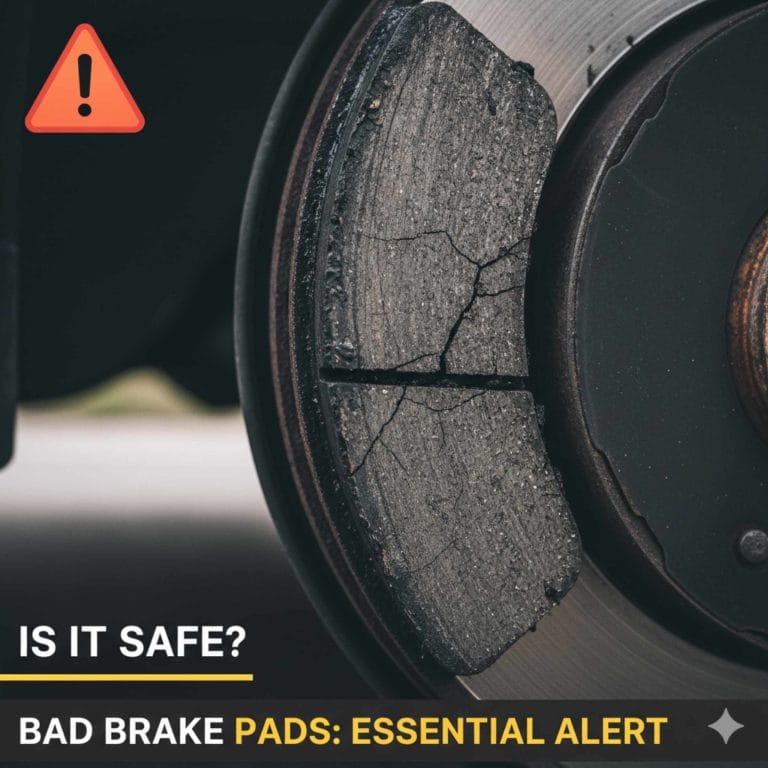
Worn Brake Pads: This is the most frequent reason. Pads have a metal indicator. When they wear down, this indicator rubs the rotor, causing a squeak.
You might also feel a vibration.
Glazed Rotors: Rotors can become smooth and shiny. This is called glazing. It happens from heat and friction.
Glazed rotors don’t grip well. They can also squeak.
Dirt and Debris: Road dust, dirt, and small stones can get stuck. They get lodged between the pad and rotor. This causes friction and noise.
Moisture: Especially after rain or car washes, a thin layer of rust can form. This rust layer causes squeaking until it’s worn off.
Improper Installation: If brake parts weren’t installed correctly, they can vibrate and squeak. This includes missing anti-squeal shims.
The Role of Brake Pads and Rotors
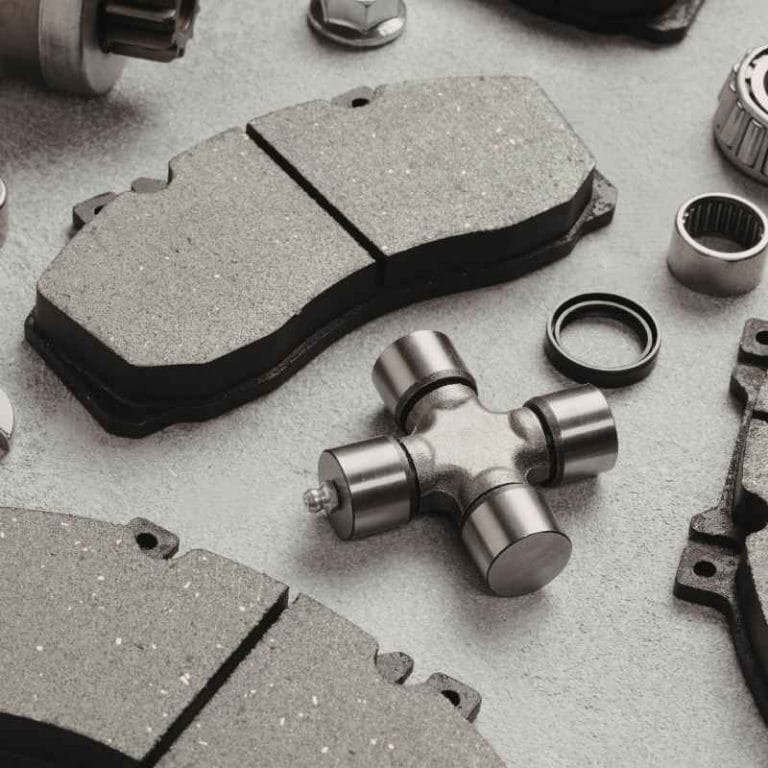
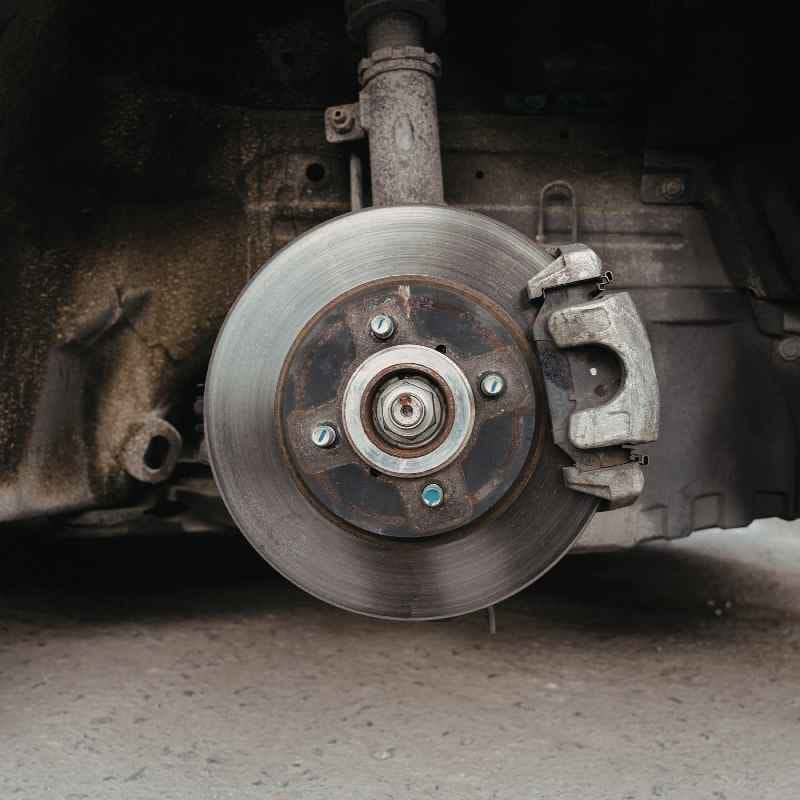
Your brakes are made of a few key parts. The brake pads are like the grippers. They are pushed against the rotors.
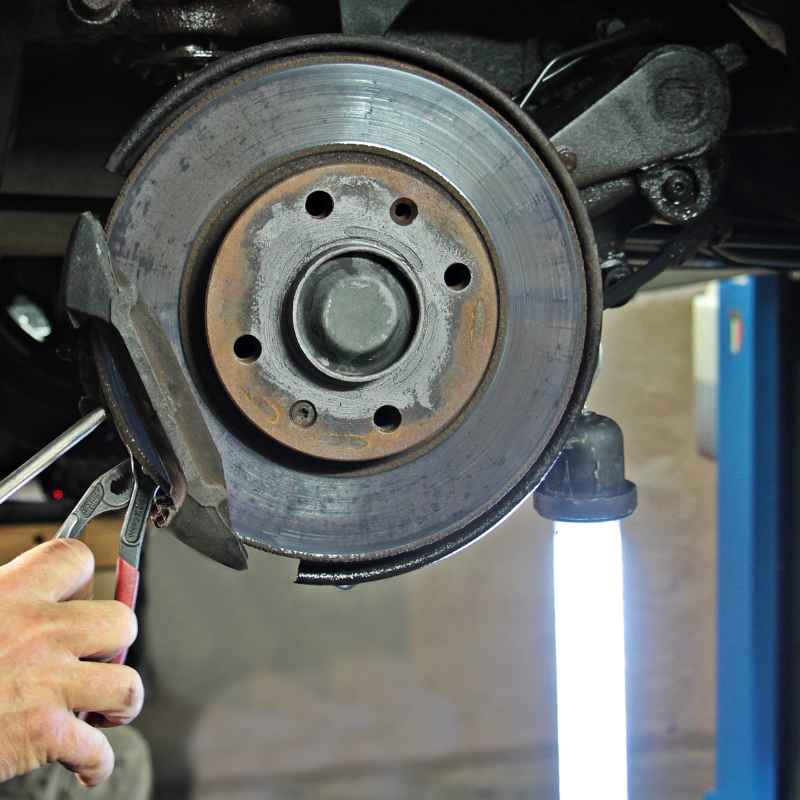
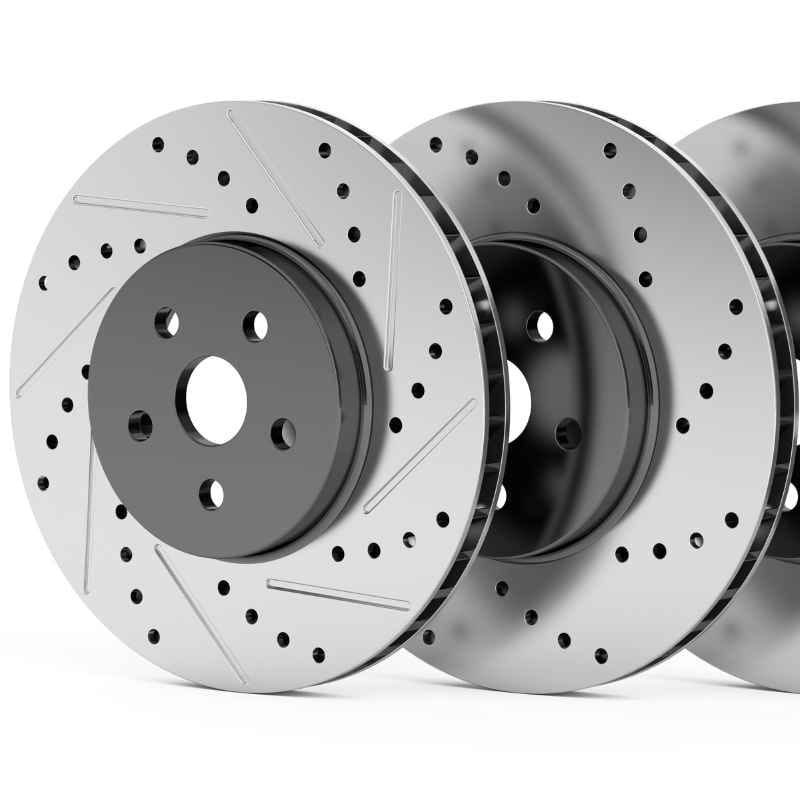
Rotors are metal discs attached to your wheels. When you press the brake pedal, the pads clamp down on the rotors. This friction slows and stops your car.
It’s a simple idea. But many things can go wrong.
Brake pads are made of different materials. Some are organic. They are softer.
They are usually quieter. But they wear out faster. Others are semi-metallic.
They contain metal fibers. These pads are stronger. They handle heat better.
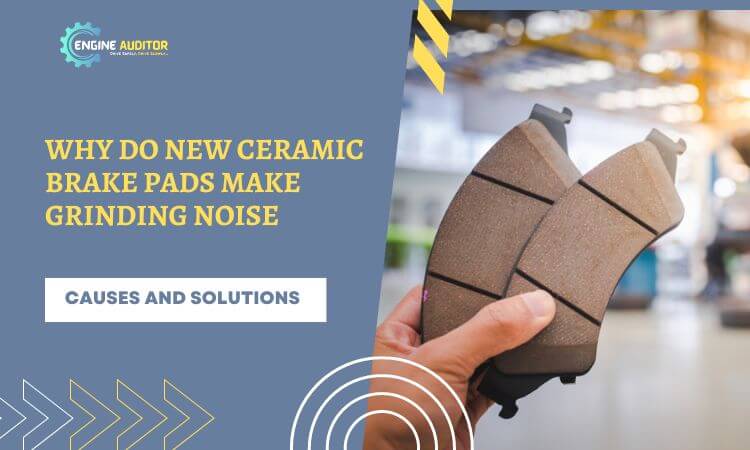
They last longer. But they can be noisier. Ceramic pads are another option.
They are known for being quiet and clean. But they can be more expensive.
Rotors are equally important. They need to be smooth and flat. If they are warped or grooved, they can cause problems.
Warped rotors can lead to shaking when you brake. Grooved rotors mean the pads don’t have a flat surface to grip. This can cause noise and reduce braking effectiveness.
We often resurface rotors. This means grinding them smooth again. If they are too thin or damaged, they need to be replaced.
The way the pads and rotors interact is crucial. A perfect surface contact is best. Any imperfection can lead to vibration.
This vibration is what we hear as squeaking. It’s a constant battle between friction and smooth movement. When that balance is off, the noise starts.
Checking Your Brake Pads for Wear
One of the first things to check is your brake pads. Are they worn out? Most pads have a small metal tab.
This is a wear indicator. When the pad material gets thin, this tab touches the rotor. It makes a high-pitched squeal.
This is a warning sound. It means it’s time to replace the pads soon.
You can often see the brake pads without taking off the wheel. Look through the spokes of your wheels. You should see the brake caliper.
The caliper holds the brake pads. You need to see the pad material between the rotor and the caliper. If the pad looks very thin, like a sliver, it’s time for new ones.
Most people need about 1/4 inch of pad material to be safe.
If you can’t see them well, you might need to remove the tire. This is not very hard. You’ll need a jack and a lug wrench.
Make sure you know how to use them safely. Always use jack stands. Never rely on just the jack.
Once the wheel is off, you can see the pads clearly. You can even measure them if you have a ruler.
If your pads are worn, replacing them is the best solution. It’s not a job for everyone. But if you’re handy, it can save you money.
There are many videos online showing how to do it. If you’re not comfortable, a mechanic can do it quickly. It’s a vital safety check.
Don’t put it off if you suspect worn pads.
When to Replace Brake Pads
- Pad Thickness: Less than 3-4mm (about 1/8 inch)
- Wear Indicator: Squealing noise when braking
- Brake Pedal Feel: Spongy or pulsating pedal
- Visual Check: Pad material looks very thin
Addressing Glazed Rotors and Surface Issues
Rotors can also cause squeaking. Over time, heat and pressure can make the rotor surface very smooth. This is called glazing.
A glazed rotor feels slick. It doesn’t provide good friction. It can also make a squeaking sound.
It’s like trying to grip a shiny, wet surface. It just doesn’t work as well.
Another rotor issue is grooving. As brake pads wear, they can leave grooves in the rotor surface. These grooves disrupt the smooth contact.
They can cause vibrations and noise. You can often see these grooves if you look closely at the rotor.
What can you do about glazed or grooved rotors? Sometimes, a mechanic can resurface them. This means grinding them down.
They make the surface flat and smooth again. This is cheaper than buying new rotors. But rotors have a minimum thickness.
If they are too thin, they must be replaced.
If you replace your brake pads, it’s often a good idea to inspect your rotors. If they look glazed or grooved, consider resurfacing or replacing them. Putting new pads on old, damaged rotors isn’t ideal.
It can cause the new pads to wear out faster. It might also not solve the noise problem completely.
Sometimes, just cleaning the rotors can help. Brake cleaner spray can remove brake dust and some surface grime. This might quiet things down temporarily.
But for lasting results, addressing the underlying rotor issue is key.
Rotor Health Check
- Surface: Should be smooth, not shiny or glazed.
- Grooves: Minor grooves might be okay, deep ones are bad.
- Warping: No pulsing when you brake.
- Thickness: Must be above the minimum line stamped on the rotor.
The Impact of Dirt, Dust, and Moisture
Our roads are dirty. Brake systems are constantly exposed to the elements. Dust from the road, brake pad material, and even grit can get into the braking system.
This debris can get caught between the brake pad and the rotor. It acts like sandpaper. It causes friction.
This friction is a major source of squeaking.
Brake dust itself is a sticky substance. It’s made up of particles from the brake pads and rotors. It can build up on the caliper, pads, and rotors.
This buildup can affect how the pads make contact. It can also create uneven surfaces that vibrate.
Moisture is another common factor. After it rains, or after you wash your car, water can get on the rotors. A thin layer of rust can form very quickly.
This rust layer is abrasive. It will cause a squeaking sound for a short time. Usually, a few brake applications will wear this rust off.
Then the noise stops.
However, persistent moisture can sometimes lead to more serious corrosion. If you live in an area with a lot of salt on the roads in winter, this is a bigger concern. Salt can accelerate rust and damage brake components.
This can lead to premature wear and noise.
Keeping your brakes clean can help. Regularly washing your car, including rinsing the wheels and brakes, is a good idea. For more stubborn dust, a brake cleaner spray can be very effective.
Just be sure to follow the product instructions. You’ll want to do this when the brakes are cool. Never spray brake cleaner on hot components.
Simple Cleaning Steps
Gather Supplies: Brake cleaner spray, wire brush, rags, gloves.
Safety First: Ensure the car is cool. Work in a well-ventilated area. Wear gloves and eye protection.
Clean Rotors: Spray rotors thoroughly with brake cleaner. Wipe with a rag.
Clean Calipers: Spray calipers. Use a wire brush to remove stubborn dust.
Final Wipe: Wipe everything down. Let it dry before driving.
The Importance of Anti-Squeal Shims
Have you ever noticed small, thin metal or rubber pieces on your new brake pads? These are called anti-squeal shims. They are a vital part of the brake system.
They are designed to absorb vibration. This vibration is what causes the squeaking sound.
Shims are placed between the brake pad and the caliper. They act as a buffer. They prevent the metal parts from directly contacting each other.
This reduces the transfer of noise and vibration. Most quality brake pads come with these shims. They are often pre-attached or included in the box.
Sometimes, during brake
If your current pads don’t have them, or if they’re damaged, it’s worth getting new ones. You can usually buy them separately. Make sure they are the correct ones for your car model.
Installing new shims can make a big difference. It’s a small fix that can solve a big noise problem.
It’s also important that the shims are installed correctly. They need to be on the right side of the pad. The correct orientation ensures they work as intended.
Always refer to your car’s service manual or a reliable guide for proper installation.
Shim Facts
- Purpose: Reduce vibration and noise.
- Location: Between the brake pad and the caliper.
- Material: Metal or rubber-like compounds.
- Importance: Crucial for quiet braking.
- Replacement: Often needed when replacing pads.
When It’s Normal to Hear Squeaks
While most squeaks signal a problem, there are times when a little bit of noise is normal. It’s important to know the difference. A faint squeak that goes away after a few stops is usually not a cause for alarm.
Morning Squeak: After your car sits overnight, especially in humid or cold weather, you might hear a light squeak. This is often due to a thin layer of condensation or rust on the rotors. As you brake a few times, this layer wears off, and the noise disappears.
New Brake Pads: Sometimes, brand-new brake pads can be a bit noisy for the first 50-100 miles. This is called the “bedding-in” period. The pads and rotors are conforming to each other.
They are creating a perfect mating surface. A little squeak during this time is common and should go away on its own. Follow the manufacturer’s bedding-in procedure if provided.
Hard Braking: If you’ve recently done some hard braking, like in an emergency stop, the rotors and pads get very hot. They can sometimes squeak for a bit afterward as they cool down. This is usually temporary.
Certain Pad Materials: As mentioned before, some performance brake pads are made with harder materials. These are designed for better stopping power under extreme conditions. They can sometimes be inherently noisier.
This is a trade-off for enhanced performance.
The key is consistency. If the squeak is constant, gets louder, or happens every time you brake, it’s likely not normal. It’s a sign you need to investigate further.
Don’t ignore persistent noises. They can lead to bigger, more expensive problems down the road.
When to Seek Professional Help
You’ve tried some of the simpler checks. You’ve cleaned your brakes. You’ve inspected the pads.
Yet, the squeaking continues. Or perhaps the noise isn’t just a squeak. It’s a grinding, scraping, or thumping sound.
These louder, more alarming noises are definite signs that something is wrong. Grinding often means the brake pads are completely gone. The metal backing plate is rubbing against the rotor.
This can quickly damage the rotor, leading to more costly repairs.
A pulsating brake pedal is another red flag. This usually means your rotors are warped. They are no longer flat.
This causes the pedal to vibrate under your foot when you brake. This significantly reduces your stopping effectiveness.
If you’re not comfortable working on your car’s brakes, it’s always best to let a professional handle it. Brakes are a critical safety system. You don’t want to guess when it comes to your stopping power.
A qualified mechanic has the tools and expertise to diagnose the problem correctly.
They can inspect all components: pads, rotors, calipers, brake lines, and fluid. They can identify issues you might miss. They can also perform repairs safely and correctly.
If you’re unsure, take it to a trusted auto shop. It’s an investment in your safety and peace of mind.
Signs You Need a Mechanic
- Loud Grinding: Metal on metal is a serious issue.
- Pulsating Pedal: Indicates warped rotors.
- Car Pulls to One Side: Might be a stuck caliper or uneven wear.
- Brake Warning Light: On the dashboard, needs immediate attention.
- Spongy Pedal: Could be air in the brake lines or low fluid.
- Persistent Squeaking: If simple checks don’t work.
Long-Term Solutions for Quiet Brakes
Making your car’s brakes quiet for good is about more than just a quick fix. It’s about proper maintenance. It’s about using the right parts.
And it’s about listening to your car.
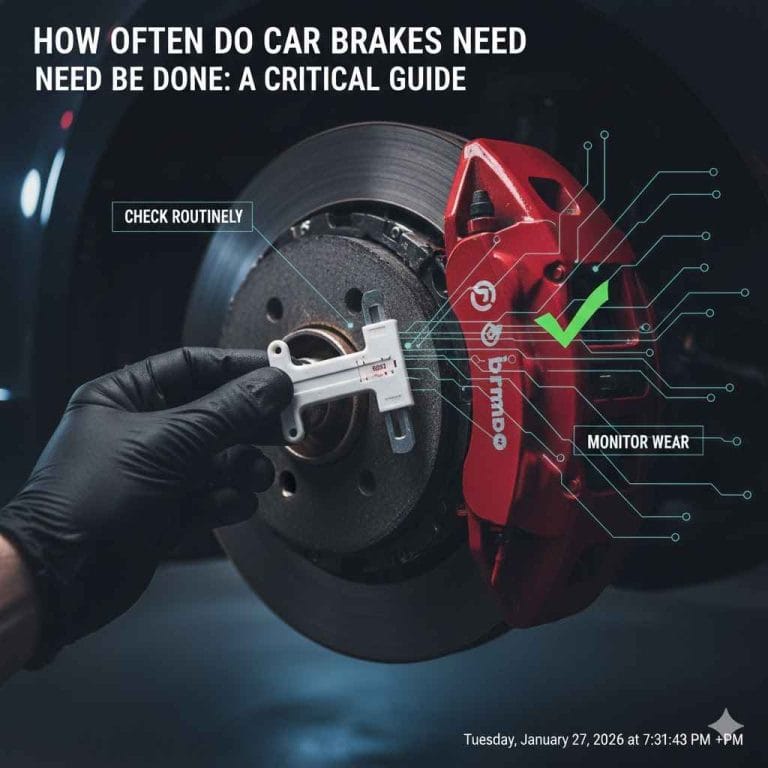
Regular Inspections: Have your brakes checked regularly. Many auto shops offer free brake inspections. This can help catch problems early.
A visual check during tire rotations is also a good idea.
Use Quality Parts: When it’s time to replace brake pads or rotors, choose quality parts. Cheap parts might seem like a good deal. But they often wear out faster.
They can also be noisier. Stick to reputable brands or OEM (Original Equipment Manufacturer) parts.
Proper Bedding-In: If you install new pads and rotors, follow the manufacturer’s instructions for bedding them in. This process ensures the pads and rotors mate correctly. It helps them perform optimally and quietly.
Keep it Clean: Regularly clean your wheels and brakes. This removes abrasive dust and debris. A clean brake system is a quieter brake system.
Lubricate Moving Parts: Sometimes, the squeak comes from the caliper pins or slider bolts not moving freely. A mechanic can lubricate these parts. This ensures smooth operation.
It can prevent noise.
By following these tips, you can enjoy quiet, reliable braking. It makes driving much more pleasant. And most importantly, it keeps you safe on the road.
Pay attention to your brakes. They are one of your car’s most important safety features.
Frequently Asked Questions About Brake Squeaking
Why do my brakes squeak when it’s cold?
Brakes often squeak when cold due to moisture. A thin layer of rust can form on the rotors overnight. This rust causes friction and noise until it’s worn off by braking.
Can I just ignore brake squeaking?
If the squeaking is constant or loud, it’s best not to ignore it. It usually means something needs attention. Ignoring it can lead to more damage and expensive repairs.
How often should I get my brakes checked?
It’s a good idea to have your brakes checked at least once a year. Or, check them every 10,000-15,000 miles. Also, have them inspected whenever you get your tires rotated.
Are noisy brakes dangerous?
A light squeak that goes away might not be dangerous. But a loud squeal, grinding, or pulsating pedal can be. These noises often indicate worn parts or system failures that reduce stopping power.
How long do brake pads typically last?
Brake pad life varies greatly. It depends on driving habits, material, and conditions. Most last between 25,000 to 65,000 miles.
Some performance pads last longer, while city driving wears them faster.
Is it safe to drive with squeaking brakes?
Driving with a light squeak that disappears quickly is generally safe. However, if the squeak is constant, loud, or accompanied by other symptoms like grinding or a pulsing pedal, it’s best to stop driving. Get them checked immediately.
Final Thoughts on Silent Braking
That squeaking sound doesn’t have to be a mystery. By understanding the causes, you can tackle the problem. From simple cleaning to replacing worn parts, there are solutions.
Listening to your car is key. Don’t let brake noise cause stress. Enjoy quiet, confident drives again.
Your brakes are important. Take care of them.
See also how much do brakes cost at firestone 2026 price guide.
Products related to this article
Sponsored / affiliate links. As an Amazon Associate I earn from qualifying purchases. I may earn additional commission from eligible campaigns.