How To Make Car Brakes More Sensitive (Safe & Easy Ways)
Making car brakes more sensitive often involves checking and maintaining key components like brake fluid, pads, and rotors. Ensuring proper brake fluid levels and condition is crucial, as is inspecting for wear on brake pads and rotors. Sometimes, a simple adjustment or a flush of the brake system can significantly improve pedal feel and responsiveness.
Understanding Your Car’s Brakes
Your car’s brakes are a marvel of engineering. They use a system to create friction. This friction slows down your spinning wheels.

As an Amazon Associate I earn from qualifying purchases.
It then brings your car to a stop. This process relies on several key parts working together perfectly. When any part isn’t quite right, you might feel a difference in how the pedal responds.
It’s not just about stopping. It’s about stopping safely and predictably every single time.
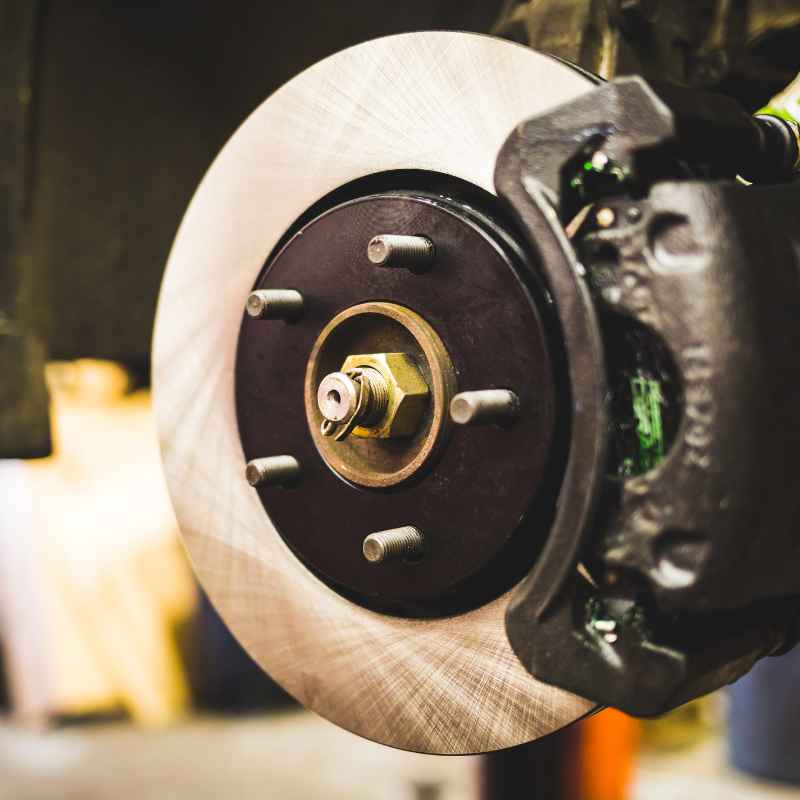
The main components are the brake pedal, master cylinder, brake lines, brake fluid, and the braking mechanism at each wheel. These are usually either disc brakes or drum brakes. Disc brakes have a rotor that spins with the wheel.
A caliper squeezes brake pads against this rotor. Drum brakes have a drum that spins with the wheel. Brake shoes press outward against the inside of this drum.
All these parts need to be in good shape for your brakes to feel just right.
The brake pedal is your direct connection. When you push it, it tells the rest of the system what to do. A spongy or soft pedal can mean air in the lines.
A pedal that goes too far down might suggest worn pads. Or maybe the brake fluid is low. Understanding these basic connections helps us figure out why a pedal might feel less sensitive than we’d like.
Why Do Brakes Sometimes Feel Less Sensitive?
Several things can happen over time to make your brakes feel less sensitive. Think of them like parts of your body. If you don’t get enough sleep, you might feel sluggish.
Your brakes can feel sluggish too. This is usually due to wear and tear. Or it could be a small issue with the fluid or air getting into the system.
It’s rarely one single thing. It’s usually a combination of factors.
One common culprit is old or contaminated brake fluid. Brake fluid absorbs moisture from the air. This lowers its boiling point.
When brakes heat up, the fluid can boil. This creates air bubbles. Air is compressible.
Unlike fluid, it squishes. When you press the pedal, you’re just compressing air. This makes the pedal feel soft or spongy.
It’s like trying to push a marshmallow. The pedal goes down more than it should before the brakes engage.
Another major reason is worn brake pads or shoes. Brake pads are the material that rubs against the rotor or drum. They are designed to wear down.
This is how they create friction. When they get too thin, they can’t grip as effectively. This means you need to push the pedal harder.
Or the pedal travels further. This reduces the sensitive feel you’re looking for.
Also, consider the condition of your rotors or drums. These are the metal parts the pads or shoes press against. If they are warped, grooved, or worn too thin, they won’t provide a smooth or strong surface for braking.
This can lead to vibrations or a less direct feeling when you brake. The surface needs to be smooth and true for optimal contact.
Air in the brake lines is a big one. As mentioned, air makes the pedal feel soft. This air can get in through leaks.
Or it can be introduced during brake work if not bled properly. Air prevents the hydraulic pressure from being fully transferred to the brake calipers or wheel cylinders. This directly impacts how quickly and firmly the brakes engage.
Sometimes, a less sensitive pedal can be due to issues with the master cylinder. This is the part that converts your pedal press into hydraulic pressure. If its seals are worn, it can lose pressure.
This means less force reaches the wheels. Finally, the brake booster can also play a role. It uses vacuum from the engine to multiply your force on the pedal.
If it’s not working well, you’ll need to push much harder.
Brake Fluid Basics
What it is: Brake fluid is a special liquid. It transfers force from the pedal to the brakes. It needs to handle high heat and pressure.
Why it matters: It’s the lifeblood of your brakes. If it’s old or dirty, your brakes won’t work right.
What to look for: Dark or murky fluid is a bad sign. It means it needs changing.
Checking Your Brake Fluid
Your brake fluid is one of the easiest things to check. It’s also one of the most important. The brake fluid reservoir is usually a translucent plastic tank.
You can find it under the hood. Often it’s near the firewall. It typically has “MIN” and “MAX” lines marked on it.
First, make sure your car is on a level surface. Open the hood. Locate the brake fluid reservoir.
Take a look at the fluid level. Is it between the MIN and MAX lines? If it’s low, that’s a sign.
It could mean a leak. Or it could mean your brake pads are very worn. As pads wear, the caliper pistons extend further.
This uses up more fluid. So, a low level can indicate normal wear. But it can also mean a serious problem.
The color of the fluid is also important. New brake fluid is usually clear or slightly yellowish. Over time, it can darken.
It might turn brownish or even black. This dark color means it’s absorbed a lot of moisture. Or it has picked up debris.
Contaminated fluid boils at a lower temperature. This leads to that spongy pedal feel. It also reduces its lubricating properties.
If the fluid is low, do NOT just top it off with any fluid. You need to know what type of brake fluid your car uses. Common types are DOT 3, DOT 4, and DOT 5.
They are not all compatible. Using the wrong type can damage your brake system. Check your car’s owner’s manual.
It will tell you the correct type. It will also tell you where the reservoir is.
If you see a significant drop in fluid level, or if it’s very dark, it’s time for a brake inspection. A mechanic can check for leaks. They can also perform a brake fluid flush.
This involves draining the old fluid. Then refilling the system with fresh fluid. This is a critical maintenance step.
It helps ensure your brakes work properly and feel responsive.
When checking, be careful not to spill brake fluid. It can damage car paint. If you do spill some, wipe it up immediately.
Then rinse the area with water. Fresh brake fluid is key to a firm pedal. It’s a simple check you can do yourself.
It gives you peace of mind.
Quick Brake Fluid Check
- Park on a level surface.
- Open the hood and locate the reservoir.
- Check the fluid level against MIN/MAX lines.
- Note the fluid color (clear/yellow is good, dark is bad).
- Consult your owner’s manual for the correct fluid type.
- Low or dark fluid needs professional attention.
Inspecting Brake Pads and Rotors
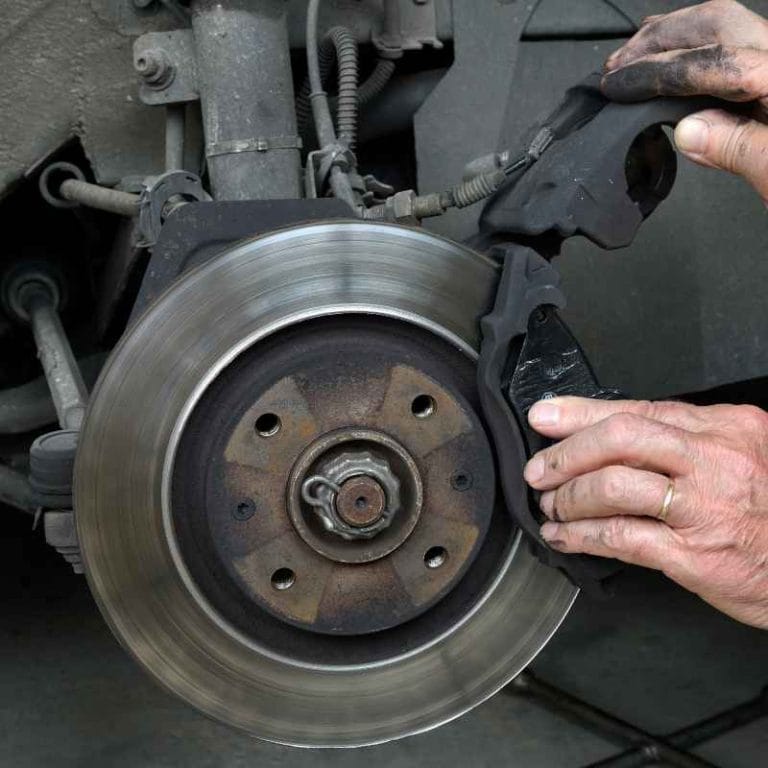
Worn brake pads are a very common reason for a less sensitive pedal. They are designed to be sacrificial. They wear down to protect the rotors.
When they get thin, the braking force is reduced. This makes the pedal feel softer. It might also make a squealing noise.
You can often inspect your brake pads without taking much apart. You’ll need a flashlight. Look through the spokes of your wheels.
You should be able to see the brake caliper. The brake pads are inside the caliper. They press against the rotor.
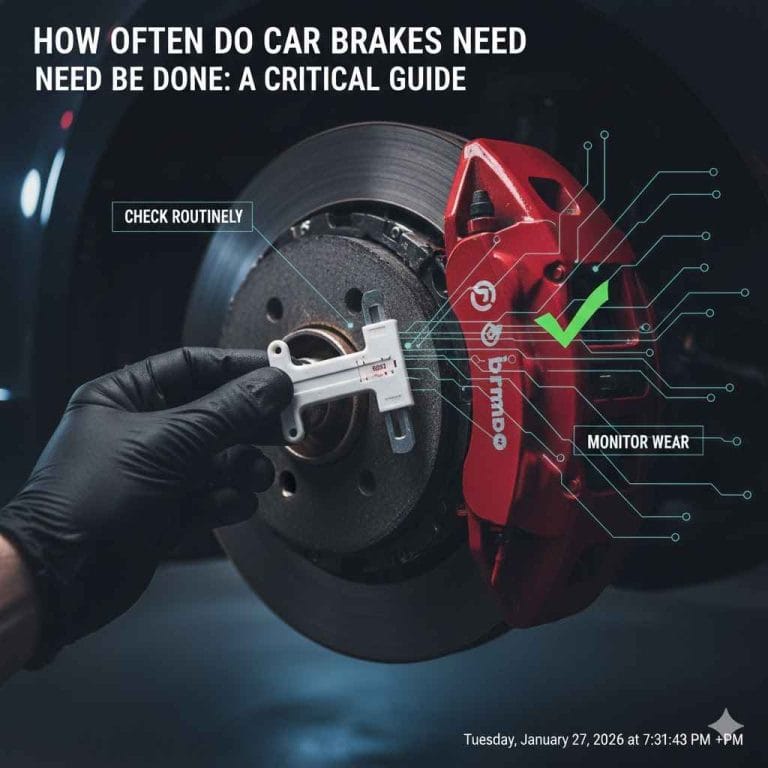
You’re looking for the thickness of the friction material. This is the part that wears down. Most pads have a minimum thickness recommendation.
It’s usually around 3 millimeters. If you see less than that, they need replacing.
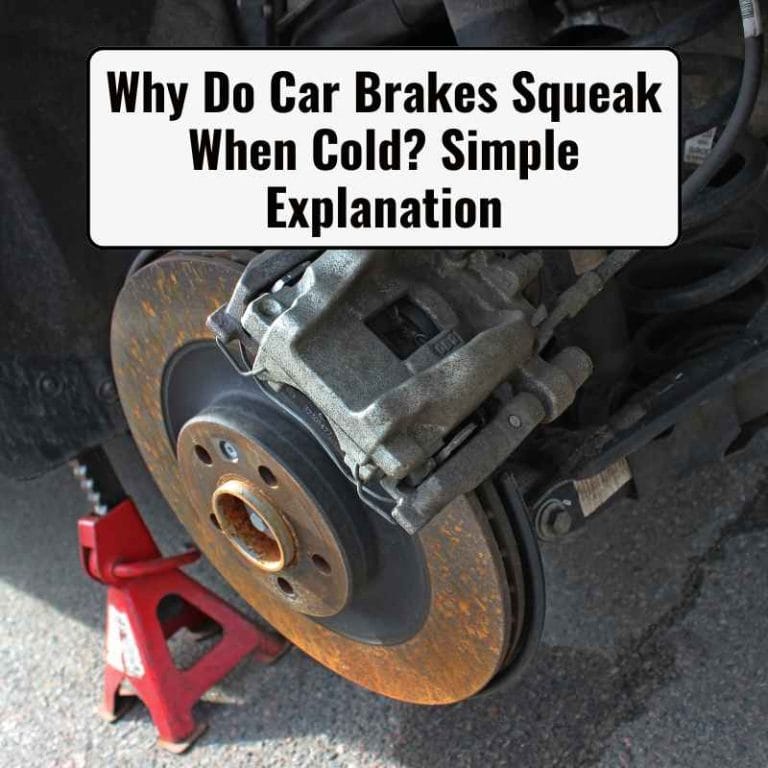
Some pads have a small metal tab. This is a wear indicator. When the pad wears down to a certain point, this tab will scrape against the rotor.
This causes a high-pitched squealing sound. This is a warning that your pads are worn out. You should not ignore this sound.
It means immediate attention is needed.
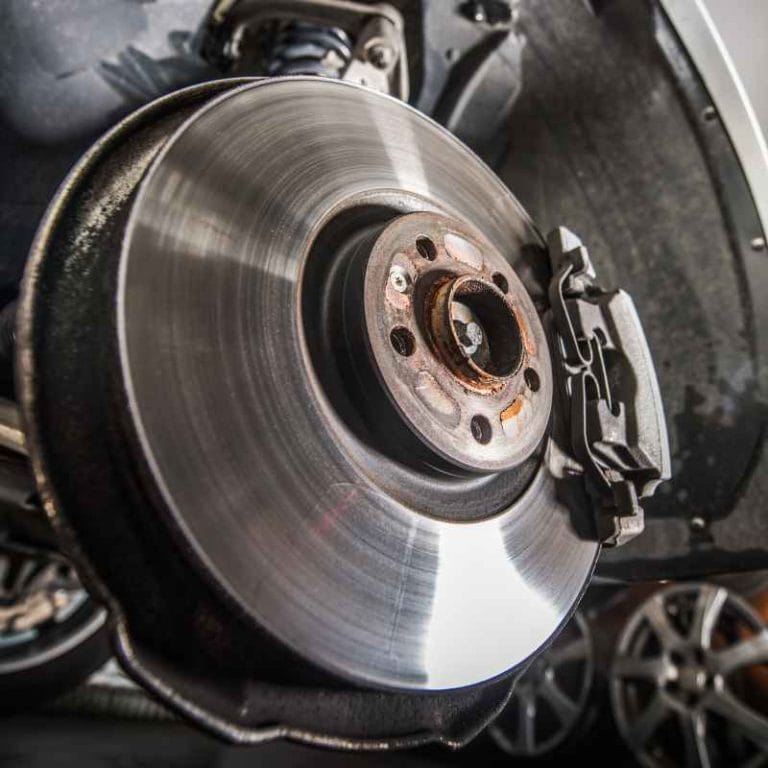
Rotors are the metal discs your pads clamp onto. They can also wear out. Over time, they can develop grooves.
Or they can become warped. Warped rotors can cause a pulsing feeling in the brake pedal. Grooves reduce the contact area.
This means less friction. They can also make noise. If your rotors are heavily grooved or warped, they may need to be replaced.
Sometimes, they can be “turned” or resurfaced. This removes a thin layer to create a fresh, flat surface.
When replacing pads, it’s often recommended to replace or resurface the rotors at the same time. This ensures optimal braking performance. If you only replace the pads on worn or damaged rotors, you won’t get the full benefit.
The new pads won’t bed in properly. And the braking will still be compromised. This is an area where you might want a mechanic’s help.
A mechanic can also check the brake calipers. They need to move freely. If a caliper is sticking, it can cause uneven braking.
Or it can make the pedal feel off. The rotors should have a smooth surface. No deep grooves or scoring.
You can often feel slight grooves with your fingernail.
Brake Pad Thickness Guide
New Pads: 8-12 mm thick (including backing plate)
Replace By: 3-4 mm thick (or when wear indicator squeals)
What to watch for: Even wear on both sides of the rotor. No scoring or glazing.
Addressing Air in the Brake Lines
Air in the brake lines is a definite cause of a soft or spongy brake pedal. It happens because air is compressible. When you press the pedal, you’re compressing the air instead of pushing fluid.
This makes the pedal feel weak. It takes longer for the brakes to engage. This is dangerous.
It needs to be fixed.
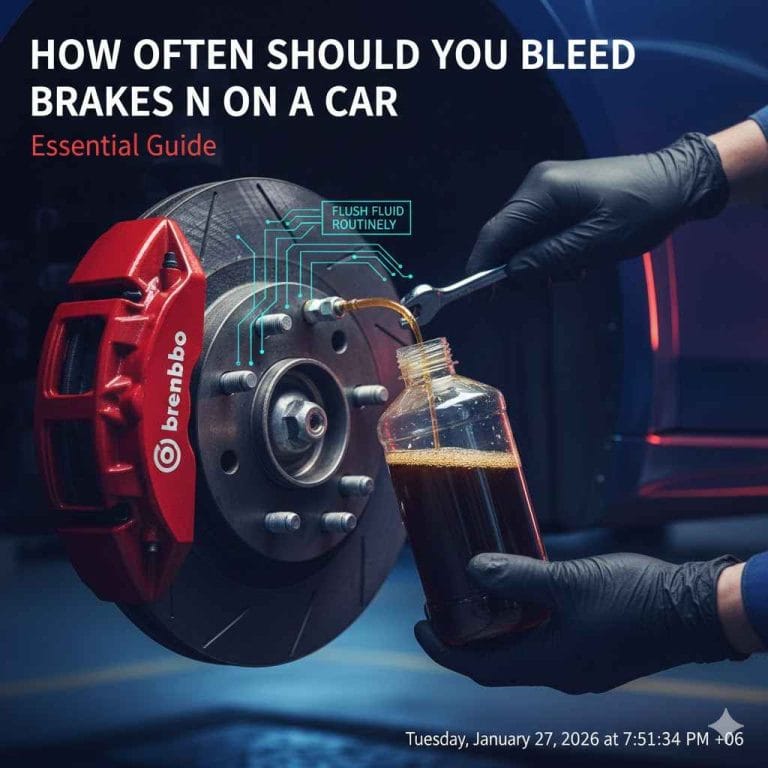
The process of removing air from the brake lines is called “bleeding” the brakes. This is usually a job for a mechanic. But it can be done at home with the right tools and knowledge.
It involves opening a bleed screw on each caliper or wheel cylinder. Then, someone presses the brake pedal. This pushes fluid and air out.
The system is then refilled with fresh brake fluid. This process needs to be done in a specific order. Usually starting with the wheel furthest from the master cylinder.
Why does air get into the lines? It can happen if the brake fluid level gets too low. The master cylinder can then suck in air.
It can also happen if a brake line has a leak. Or during brake repairs. If you’ve recently had brake work done, and the pedal feels soft, it’s possible there’s still air in the system.
The mechanic may not have bled it thoroughly.
Bleeding brakes is crucial after any brake repair. It ensures the system is full of fluid. And free of air.
If you’re not comfortable doing it yourself, take it to a shop. It’s a relatively inexpensive procedure. But the safety benefits are huge.
A firm pedal means you can brake confidently. You know that your input is directly translated to stopping power.
When you press the pedal, you want it to feel firm. You want it to engage the brakes quickly. If it feels mushy, spongy, or goes too far down, air is a likely suspect.
Think of it like this: you want a solid column of fluid. Not a bubbly mix. A good brake bleed removes all those bubbles.
It restores that solid, responsive feel. It makes the brakes feel much more sensitive.
Brake Bleeding – The Quick View
Purpose: Remove air from brake lines.
Why: Air makes the pedal feel spongy and weak.
How it works: Press pedal to push fluid and air out through bleed screws.
Best done: By a qualified mechanic if you’re unsure.
Considering Brake Adjustments and Caliper Function
The sensitivity of your brakes also depends on how well the components move. Especially the brake calipers. These house the brake pads.
They need to move smoothly to clamp the pads onto the rotor. If a caliper sticks, it can cause problems. The brake might not engage fully.
Or it might drag. This can make the pedal feel less responsive.
Inside the caliper are one or more pistons. These pistons are pushed out by hydraulic pressure. They then push the brake pads against the rotor.
If these pistons get corroded or dirty, they can stick. This means they don’t move as freely. They might not retract fully either.
This can lead to uneven braking. Or a pedal that doesn’t feel right.
A mechanic can inspect the calipers. They can check for sticking pistons. They can also clean and lubricate the caliper slides.
These allow the caliper to move slightly. This ensures even pressure on the pads. If a caliper is severely damaged or corroded, it may need to be replaced.
This is a more significant repair, but it’s essential for safe braking.
For drum brakes, there are adjustment mechanisms. These ensure the brake shoes are close enough to the drum. So they can grab quickly.
Over time, these can become out of adjustment. This leads to a longer pedal travel. And a less sensitive feel.
Most modern cars have self-adjusting drum brakes. But they can sometimes get stuck or out of sync.
The brake booster also plays a role in pedal feel. It uses engine vacuum. This helps you apply more force to the brakes with less effort.
If the brake booster is failing, you’ll have to push the pedal much harder. This makes the brakes feel less sensitive. You might also hear a hissing sound.
This indicates a vacuum leak. If you have to push really hard to brake, the booster is a possible issue.
A car’s braking system is a delicate balance. Every part has a job. And they all work together.
A sticky caliper. A worn booster. Or an out-of-adjustment drum brake can all impact that sensitive feel.
It’s not just about the pads and fluid. It’s about the entire hydraulic and mechanical system.
Calipers and Pistons – The Essentials
What they do: Calipers hold the brake pads. Pistons push the pads onto the rotor.
Smooth movement is key: Sticking pistons or slides mean poor braking.
Signs of trouble: Uneven braking, grinding noises, or a pedal that feels off.
Maintenance: Cleaning and lubricating caliper slides can help. Replacement is needed for severe damage.
When is it Normal to Feel Less Sensitivity?
It’s important to know that some variation in brake pedal feel is normal. Your brakes are designed to work under different conditions. For example, after the car has been sitting for a while, especially in humid weather, you might notice a slightly different initial feel.
This is usually temporary. Once you apply the brakes a few times, the normal feel should return.
If you’ve driven through a deep puddle, water can temporarily get onto the brake components. This can reduce their effectiveness for a short time. As they dry out, they’ll return to normal.
This is why it’s good practice to gently apply the brakes a few times after driving through deep water. This helps dry them out and restore their power.
Another factor is temperature. Brakes get very hot during use. On a long downhill drive, or during heavy braking, the heat can build up.
This can sometimes lead to a slight change in pedal feel. This is often called “brake fade.” Modern brake systems are designed to handle this heat. But extreme conditions can still affect performance.
This is why using your gears to slow down on steep descents is so important.
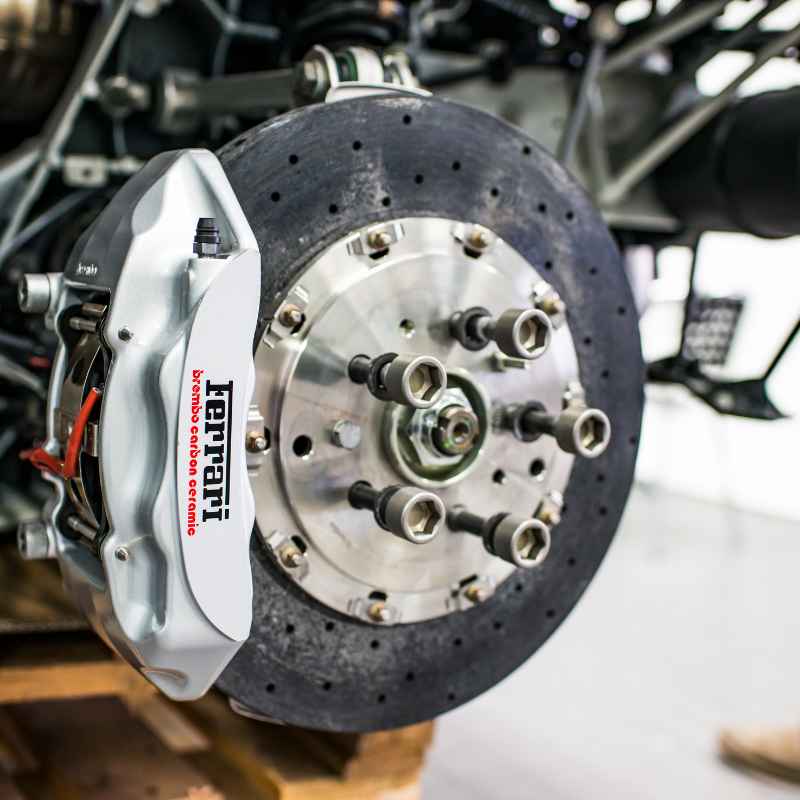
The design of the car also plays a role. Some performance cars have brakes that are designed to be very firm and sensitive from the factory. They might feel grabby to some drivers.
Luxury cars might have brakes tuned for a smoother, softer feel. So, what feels “less sensitive” to you might be perfectly normal for that specific vehicle. It’s helpful to compare your car’s feel to its original condition, if you remember it.
Or to similar models.
If you’ve noticed a change over time, that’s a different story. If the pedal used to feel firm and responsive, and now it doesn’t, then something has likely changed. This indicates a need for inspection.
The key is to understand if the change is a normal part of driving. Or if it’s a sign of a component that is wearing out or failing.
Also, consider if you’ve had any recent work done on your car. Sometimes, new brake pads need a “bedding-in” period. During this time, they transfer a layer of material to the rotor.
This improves grip. While bedding in, the pedal feel might be slightly different. It usually firms up after a few hundred miles.
Normal Brake Feel Variations
- After Sitting: Slight initial difference, returns to normal quickly.
- After Water: Temporary reduced effectiveness, dries out.
- Heavy Braking/Heat: Possible temporary fade, use gears to help.
- Car Design: Different cars have different factory pedal feels.
- New Pads: Bedding-in period required.
DIY Checks to Improve Sensitivity
You can do a few simple things yourself to check your brakes. And potentially improve their sensitivity. These are not major repairs.
They are checks and basic maintenance steps.
First, as we discussed, check your brake fluid level and condition. Ensure it’s between the MIN and MAX lines. If it’s low, top it up with the correct type of fluid.
Make a note of how much you added. If you add a lot, it might point to worn pads. If the fluid looks dark, consider getting it flushed.
This is a key step for sensitivity.
Next, try to visually inspect your brake pads. Look through the wheel spokes. See how much friction material is left.
If they look very thin, you know what needs to be done. Replacing worn pads is one of the most effective ways to restore sensitive braking. It’s a job many DIYers can tackle.
Just be sure to research the process for your specific car. And always use quality parts.
Listen for any unusual noises. Squealing often means worn pads. Grinding sounds can indicate metal-on-metal contact.
This means the pads are gone and the rotors are being damaged. These noises are signs that your brakes need immediate attention. Addressing them will restore performance and sensitivity.
Check for any visible leaks around the brake lines or calipers. If you see wet spots or corrosion, it could mean a leak. Leaks lead to air entering the system.
This ruins sensitivity. Any suspected leaks should be addressed by a professional immediately.
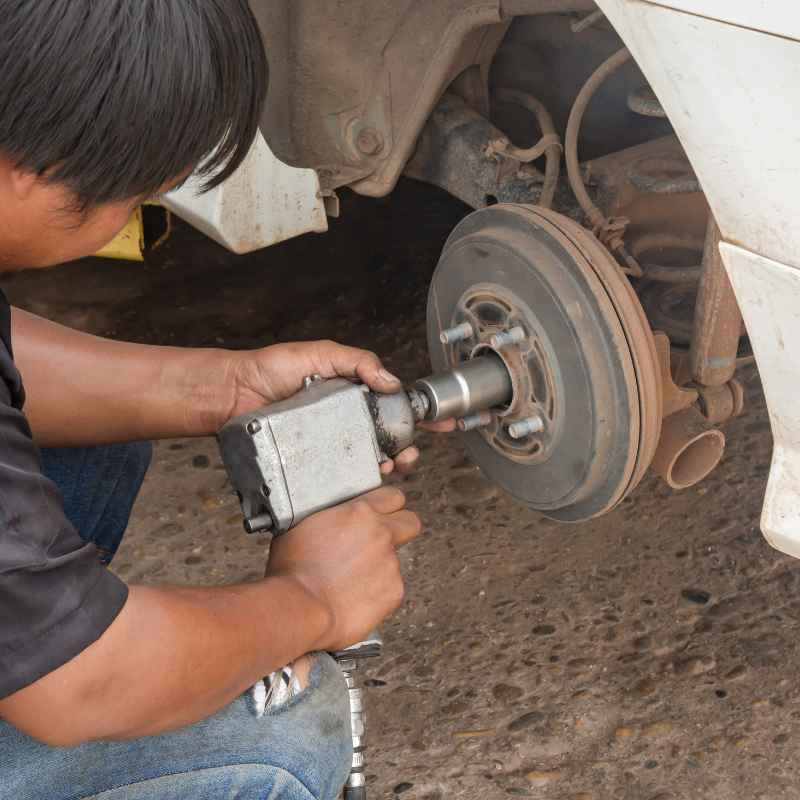
If your car has drum brakes, and you feel a lot of play in the pedal, the drums might need adjusting. This is a more involved DIY task. It often requires removing the wheel.
And sometimes the drum itself. If you’re not comfortable with this, leave it to a mechanic. But if they are adjustable, a proper adjustment can make a big difference.
Finally, think about your driving habits. Do you tend to rest your foot on the brake pedal? This can cause the brakes to heat up unnecessarily.
It can also cause premature wear. Try to keep your foot off the pedal when you’re not actively braking. This small habit can help maintain brake health.
These simple checks can help you understand your brake system better. They can also empower you to take action. Whether it’s topping up fluid or scheduling a pad replacement.
A little proactive care goes a long way in keeping your brakes sensitive and safe.
DIY Brake Sensitivity Checklist
- Fluid Check: Level and color.
- Pad Inspection: Visual check for thickness.
- Listen: For squeals or grinding.
- Look: For any fluid leaks.
- Drum Brakes: Consider adjustment if applicable and you’re comfortable.
- Driving Habits: Avoid resting foot on pedal.
When to Call a Professional
While some brake checks are easy to do yourself, there are times when you absolutely need to bring in a professional. If you’re not experienced with car repair, messing with the brake system can be dangerous. Your brakes are literally your most important safety feature.
If you notice any of the following, it’s time to visit a trusted mechanic:
- Persistent Spongy or Soft Pedal: If topping up fluid or simple checks don’t fix it, there’s likely a deeper issue like air in the lines or a failing master cylinder.
- Brake Warning Light is On: This light means there’s a problem detected by the car’s system. Don’t ignore it.
- Grinding Noises: This is serious. It means your brake pads are gone. And the metal parts are grinding against each other. This can quickly damage your rotors.
- Visible Leaks: If you see brake fluid dripping, it’s a critical issue. The system needs to be sealed immediately.
- Car Pulls to One Side When Braking: This can indicate a sticking caliper or uneven pad wear.
- Pulsing Pedal: This often means warped rotors.
- You Have to Pump the Brakes: If you need to press the pedal multiple times to get firm braking, it’s a sign of serious air or pressure loss.
- Unsure About DIY: If any part of the brake system feels intimidating, it’s best to let a pro handle it.
Mechanics have specialized tools. They also have the knowledge to diagnose complex brake problems. They can perform a thorough brake inspection.
This includes checking all components. They can also perform brake fluid flushes and bleeds correctly. And replace parts like master cylinders, brake lines, or calipers safely.
Don’t take risks with your brakes. If you’re in doubt, always err on the side of caution. A professional inspection can save you from bigger, more dangerous problems down the road.
They can ensure your brakes are not only sensitive but also as safe as they can possibly be. For your peace of mind and the safety of everyone on the road.
Real-World Scenarios
Let’s look at some common situations people face with their brakes. These might sound familiar.
Scenario 1: The “Soft Pedal After a Long Drive”
Sarah was driving home from a long road trip. She had been going down a lot of hills. When she got into town, she noticed her brake pedal felt a bit softer than usual.
It didn’t feel as firm. She remembered reading about brake fade. She decided to let her brakes cool down.
The next morning, the pedal felt normal again. This was likely due to heat. Her car’s brakes performed as expected under stress.
Scenario 2: The “Annoying Squeal”
Mark started hearing a high-pitched squeal every time he applied his brakes. It was constant. He knew this sound meant his brake pads were worn.
He checked them himself. They were indeed very thin. He scheduled an appointment.
Replacing the pads made the squeal disappear. And his braking felt more confident and sensitive again. The sound was a clear indicator of worn parts.
Scenario 3: The “New Car Feel”
Chloe bought a new car. She loved how the brakes felt. They were very responsive.
She could barely touch the pedal, and the car slowed down. She drove it for about six months. Then she noticed the brakes didn’t feel quite as sharp.
They weren’t bad, but the instant, sensitive feel was less pronounced. She decided to check her brake fluid. It was a little low.
She topped it up with the correct fluid. The next day, the brakes felt much closer to that initial sensitive response. The slight wear on the pads had caused the fluid level to drop a bit.
Scenario 4: The “Sudden Sponginess”
David was driving in heavy rain. He hit a large puddle. Immediately after, his brake pedal felt very soft and spongy.
He was worried. He pulled over safely. He gently pumped the brakes a few times.
The pedal firmed up a bit. He continued driving, carefully. He made sure to apply the brakes lightly a few times to dry them out.
By the time he got home, they felt normal. The water had temporarily affected the pads and rotors.
These real-world examples show how different factors affect brake sensitivity. From normal wear and tear to external factors like heat and water. They highlight the importance of listening to your car.
And understanding what the different sensations mean.
Making Your Brakes More Sensitive: Key Takeaways
So, how do you make car brakes more sensitive? It really comes down to good maintenance. And addressing issues promptly.
1. Maintain Brake Fluid: Regularly check your brake fluid level and color. Flush and replace it every few years.
This is vital for a firm pedal. Clean fluid is more resistant to boiling. It transfers pressure effectively.
2. Replace Worn Parts: Keep an eye on your brake pads and rotors. Replace them before they get too thin.
Or too damaged. This is perhaps the most direct way to ensure strong braking. New pads and good rotors provide maximum friction.
3. Bleed the Brakes: If you suspect air in the lines, get them bled. This removes air bubbles.
It restores that solid pedal feel. A proper bleed is essential after any brake work.
4. Inspect Calipers and Boosters: Ensure your calipers move freely. And that your brake booster is working correctly.
These components impact pedal pressure and feel.
5. Listen to Your Car: Pay attention to any new noises. Or changes in pedal feel.
These are warning signs. Addressing them early can prevent bigger problems.
Achieving a more sensitive brake feel isn’t about making drastic changes. It’s about ensuring every part of your braking system is working as it should. It’s about proactive care.
And understanding what your car is telling you. A well-maintained brake system is a safe and responsive one. You’ll feel more confident every time you get behind the wheel.
Frequently Asked Questions
Can I make my brakes more sensitive without spending a lot of money?
Yes, many things that improve brake sensitivity are related to regular maintenance. Checking and topping up brake fluid (if low and correct type) or ensuring your existing pads aren’t worn too thin are low-cost checks. Simply ensuring the brake fluid is fresh and at the correct level can make a noticeable difference.
Listening for noises and inspecting for obvious wear are also free checks.
How often should I change my brake fluid?
It’s generally recommended to flush and replace brake fluid every 2 to 3 years, or every 30,000 to 45,000 miles, whichever comes first. Brake fluid absorbs moisture over time, which lowers its boiling point and can lead to corrosion. This moisture absorption is a primary reason why fluid degrades and affects brake performance and sensitivity.
My brakes feel okay, but the pedal is a bit soft. What should I check first?
The first thing to check is your brake fluid level and condition. If the fluid is low, it could mean your brake pads are significantly worn, or there might be a leak. Also, check the color of the fluid.
If it’s dark or murky, it may be contaminated and need flushing. Air in the brake lines is another common cause of a soft pedal, which might require bleeding.
What’s the difference between a soft pedal and a spongy pedal?
While often used interchangeably, a soft pedal might just feel like it requires a bit more pressure than usual. A spongy pedal, however, feels compressible, like you’re pushing on a sponge or marshmallow. It means there’s likely air in the brake lines or a significant issue with the hydraulic system that’s causing pressure loss before it reaches the brakes effectively.
Can I adjust my brake pedal to be more sensitive?
In most modern cars, the brake pedal itself isn’t directly adjustable for sensitivity in a way that a DIYer can safely alter. The sensitivity is determined by the hydraulic system’s condition, the wear of brake components, and the function of the brake booster. Adjustments are typically made to the brake system components, not the pedal height or travel directly, unless it’s related to the master cylinder pushrod, which requires professional knowledge.
What are the signs that my brake rotors are bad?
Signs of bad brake rotors include a pulsing sensation in the brake pedal when you apply the brakes, audible grinding or scraping noises, visible scoring or deep grooves on the rotor surface, or a noticeable thinning of the rotor. Warped rotors are a common cause of pulsing, while grooving can reduce braking effectiveness and lead to a less sensitive feel.
Conclusion
Feeling confident in your car’s brakes is crucial. A sensitive, responsive pedal means you have control. By understanding how your brakes work and what can affect their performance, you can take steps to ensure they are always ready.
Regular checks and timely maintenance are your best tools. They keep your brakes working optimally and safely. Keep these tips in mind, and enjoy a more secure ride.
Related pick: Check today's price on Amazon
Products related to this article
Sponsored / affiliate links. As an Amazon Associate I earn from qualifying purchases. I may earn additional commission from eligible campaigns.