How to Fix a Soft Brake Pedal After Maintenance
If the pedal firms up after 2–3 slow pumps, air is likely trapped in the system or the bleed may have left the reservoir low. If it stays soft or sinks at stop, stop driving and inspect for leaks or a failed master cylinder. Ignoring it can mean longer stopping distances and a sudden loss of braking. This guide helps you sort a simple re-bleed from a real component fault.
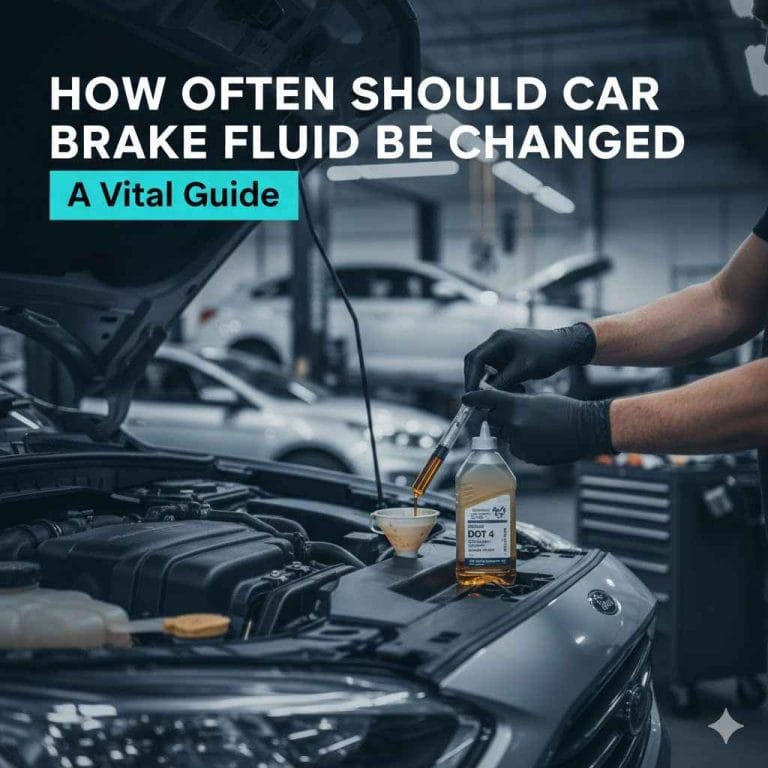
A soft brake pedal after maintenance usually comes from one of three places: air left in the lines, fluid loss, or a part that cannot hold pressure. Brake fluid is the hydraulic medium in the system, and common service fluids include DOT 3, DOT 4, and DOT 5.1. Brake fluid absorbs moisture over time, so a flush is part of maintenance planning.
Do not confuse a soft pedal with long pedal travel. Pad knockback, caliper piston retraction, and normal pad bedding after a brake job can move the pedal lower without creating a true spongy feel. A soft pedal feels compressible. A long-travel pedal still feels firm at the end.
Soft brake pedal symptoms


Soft pedal versus long travel
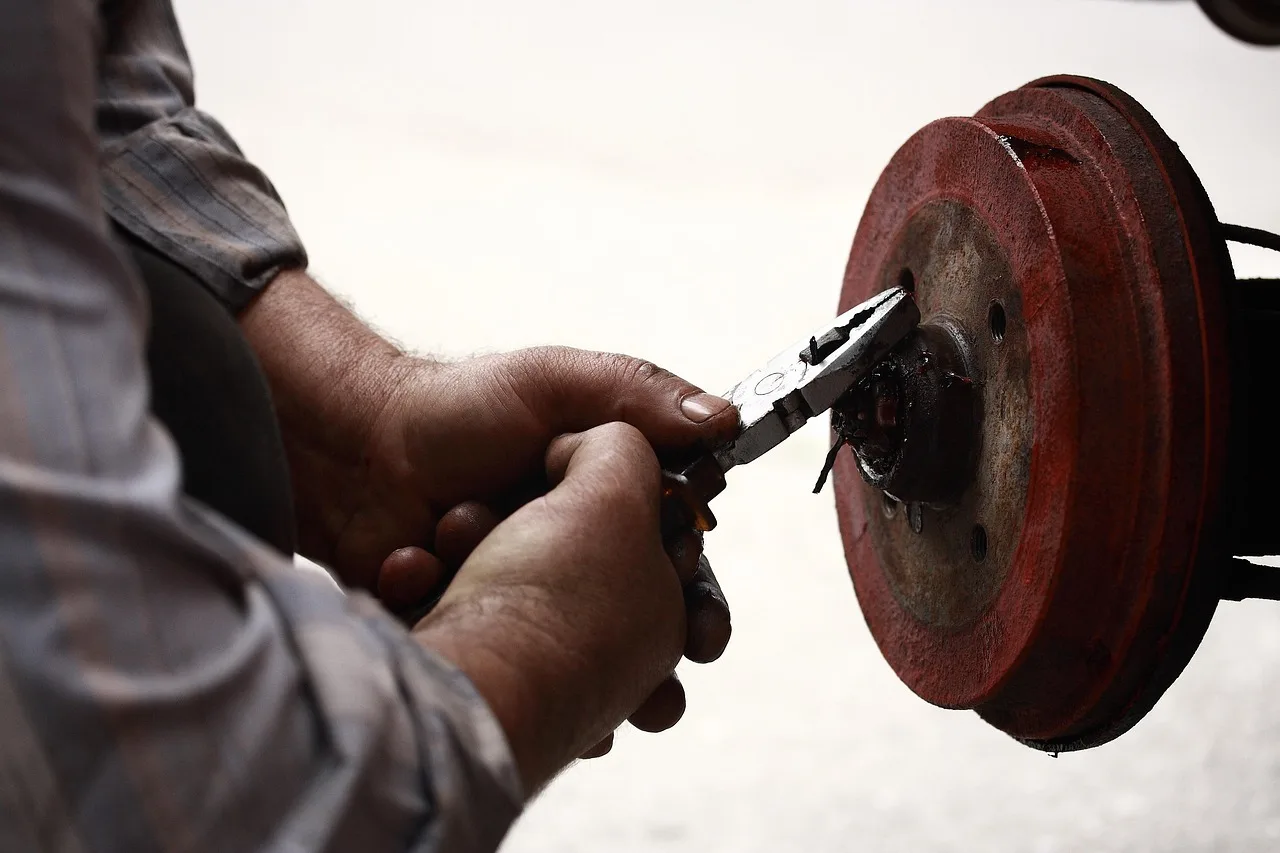
A soft pedal feels springy, mushy, or slow to build resistance. Long travel means the pedal moves farther than expected before it gets firm. If the pedal firms up after a couple of pumps, that can point toward trapped air or a bleed issue. If it sinks while held steady, pressure is escaping internally.
Say your front pads were replaced and the pedal now sits lower, but it firms up on the second pump. That pattern points more to air or a low reservoir than to a failed master cylinder. If the pedal keeps dropping while your foot holds it still, the diagnosis shifts fast.
When the feel changed after service
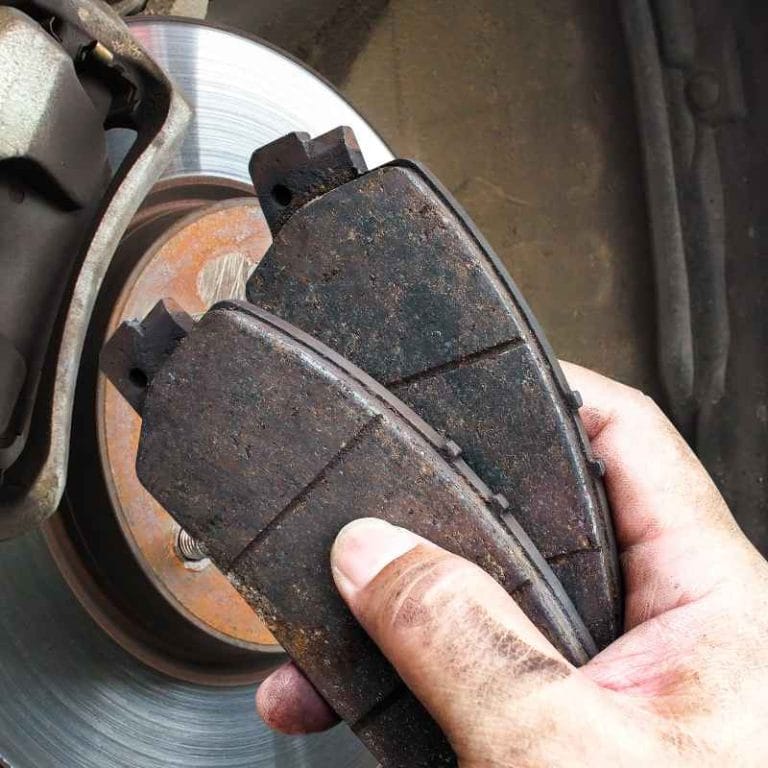
If the symptom started right after brake work, begin with the cheapest path first: a re-bleed and a reservoir check. Repairing a soft brake pedal can run from modest fluid-service costs to much higher component-replacement costs, so a cheap check matters.
Soft pedal after new brakes does not automatically mean bad parts. It often means air was introduced during hose, caliper, or fluid service. Modern ABS systems can add another layer if air reaches the hydraulic control unit.
Brake fault decision table
| Symptom pattern | Likely cause | Quick at-home check | Is a re-bleed enough? | Escalation cost range |
|---|---|---|---|---|
| Pedal firms after 2–3 pumps, no visible leak | Air in brake lines after service | Check reservoir level, then do a slow pump test | Usually yes | $90 to $180 for flush/bleed |
| Pedal feels soft and fluid is dark or low | Low or contaminated brake fluid | Inspect fluid color and level at the reservoir | Often yes, with flush | $90 to $180 for flush/bleed |
| Pedal slowly sinks during a 30 to 60 second hold | Master cylinder internal bypass | Hold steady pressure for 30 to 60 seconds | No | $250 to $700+ for master cylinder service |
| Soft feel during hard stops or ABS events only | Brake hose swelling | Look for bulges, cracks, and poor routing | No, if hose is failing | $150 to $400+ depending on hose count |
| Wet caliper, pad contamination, pulling to one side | Caliper leak or seal failure | Inspect the caliper body and inside wheel | No | $200 to $600+ for caliper and bleed |
| Soft pedal after ABS work, ABS lamp on | ABS air trap in hydraulic control unit | Check dash light and service history | Sometimes, but scan-tool bleed may be needed | $150 to $500+ for ABS bleed; more if HCU faults |
This table is the fastest way to sort a harmless re-bleed from a real part failure. Start with the cheapest path, then move up only if the symptom pattern points away from trapped air.
Is air still in the lines?
Air in the brake lines is common after brake hardware work. Air compresses under pressure, while brake fluid does not, so the pedal feels spongy or soft instead of firm. If the pedal improves after pumping and there is no sign of leakage, bleed the system first.
Brake bleeding can be manual, pressure, gravity, or vacuum. Pressure bleeding works well for removing air in many service situations, but the reservoir must not run dry during any method. Vacuum bleeding can pull in false bubbles around fittings and confuse the diagnosis.
-
Check the reservoir first.
Open the master cylinder reservoir and confirm the level is between the minimum and maximum marks. If it drops below the minimum fill line, air can enter the master cylinder and make the pedal feel worse.
-
Bleed in the right order.
Follow the vehicle manufacturer’s recommended bleed sequence. Many vehicles start with the wheel farthest from the master cylinder, but some require a different order, and some ABS systems need a scan-tool procedure.
-
Test the pedal again.
After bleeding, pump the pedal slowly and then hold it. If it firms up and stays high, the problem was likely trapped air or a bleed that needed another pass.
A common first-timer mistake is letting the reservoir run nearly dry during a bleed. That mistake adds more air than it removes. The pedal may feel worse after the job, even though the calipers and pads are fine.
Can old fluid cause this?
Yes. Brake fluid absorbs moisture over time, and contaminated fluid can lower the boiling point under heat. If the fluid is dark, overdue, or unknown, a flush is often the first fix because it is cheaper than replacing parts and may solve the complaint on its own.
DOT 3, DOT 4, and DOT 5.1 are common service fluids, but they are not all mixed carelessly in every system. Use the type listed for the vehicle, then flush the system if the fluid looks old or the maintenance interval is past the recommended service interval.
-
Inspect fluid condition.
Check the reservoir color and level. Dark fluid, visible debris, or a low level points to maintenance needs before you chase harder failures.
-
Compare cost with symptoms.
If the pedal firms after pumping and there are no leaks, a brake flush can be a cost-effective first diagnostic step.
-
Flush before parts.
Have the system flushed if the fluid is old and the pedal complaint is mild. If the pedal still sinks or the fluid level keeps dropping, move to leak and master-cylinder checks.
When the master cylinder is the problem
A soft pedal becomes a master cylinder concern when it slowly sinks during a steady hold. The usual check is a 30 to 60 second pressure test with your foot on the pedal. If the pedal drops during that hold and there are no external leaks, internal bypass may be the cause.
That failure path is different from trapped air. A master cylinder can pass fluid internally instead of holding pressure, so pumping may help only briefly. Replacement often requires bench bleed and a full system bleed afterward.
-
Perform the hold test.
With the engine off, press the pedal with steady force for 30 to 60 seconds. Vacuum assist can change pedal feel with the engine running and make this test harder to interpret. A pedal that gradually sinks points to internal bypass, not just air in the lines.
-
Check for external leaks.
Look under the master cylinder, along the booster face, and at the brake lines. If fluid is present, the diagnosis may involve a leak rather than an internal bypass.
-
Plan for full bleeding.
If the master cylinder is replaced, the new unit usually needs a bench bleed before installation and a system bleed after installation. Skipping either step can leave the pedal soft again.
ABS air trap and scan-tool bleeding
ABS hydraulic control units can trap air inside internal channels. That is more likely on vehicles with ABS service work, module replacement, or a brake job that opened the system far enough to let air move into the control unit. An ABS warning light often changes the diagnosis, because the issue may need a scan-tool bleed procedure.
Older non-ABS vehicles usually use standard manual, gravity, pressure, or vacuum bleeding. Modern ABS-equipped vehicles may need a scan tool to cycle the valves and help release trapped air from the hydraulic control unit. A simple wheel bleed may not clear it.
Brake hose problems belong in this section too. A hose can swell internally under pressure, especially during ABS activation or a panic stop, and the pedal may feel soft only under harder braking. Inspect routing, bulges, cracks, and any hose that rubs nearby parts.
What to check before you call the shop
Check four things first: reservoir level, visible leaks, pedal response during a steady hold, and whether the symptom appears during ABS activation. If the pedal still feels soft after those checks, a shop visit is the right next move. Treat the car as unsafe to drive until the cause is confirmed.
Suppose the pedal firms after two pumps, the reservoir is full, and there are no leaks. That is a strong sign that a re-bleed is the right next step. Suppose the pedal stays soft on the first press and sinks during the hold test. That points toward master cylinder bypass or a leak, not a simple air pocket.
-
Inspect for wet spots.
Look at each caliper, brake line, hose end, and the floor under the vehicle. A caliper leak can contaminate pads and usually calls for repair or replacement plus a bleed.
-
Check hose condition.
Follow each rubber hose and look for bulges, cracks, or bad routing near suspension parts. Internal swelling is not always visible, so any hose that behaves oddly under hard braking deserves attention.
-
Recheck pedal feel.
Press the pedal slowly several times, then hold it for 30 to 60 seconds. If the pedal still sinks, stop using the vehicle and arrange a proper diagnosis.
Frequently asked questions
What causes a soft brake pedal
The most common cause after maintenance is air in the brake lines. Old or contaminated fluid can also contribute. Less common causes include master cylinder bypass, hose swelling, caliper leaks, and ABS air trapped inside the hydraulic control unit.
Why is my brake pedal soft after new brakes?
New brake parts often mean the system was opened, which lets air into the lines. It can also mean the reservoir dropped too low during service. If the pedal improves after bleeding, the fix is usually complete. If it does not, check for leaks or a bad component.
Why is my brake pedal soft after bleeding brakes?
That usually means air is still trapped, the reservoir ran low, or vacuum bleeding created false bubbles. Re-bleed with the correct manufacturer sequence and keep the reservoir above the minimum fill line. If the pedal still sinks, stop assuming it is only air.
Is it safe to drive with a soft brake pedal?
No. Treat it as unsafe until the cause is known. A soft pedal can mean longer stopping distances now and sudden brake loss later. If the pedal sinks under steady pressure or fluid is leaking, do not keep driving to “see if it gets better.”
Products related to this article
Sponsored / affiliate links. As an Amazon Associate I earn from qualifying purchases. I may earn additional commission from eligible campaigns.