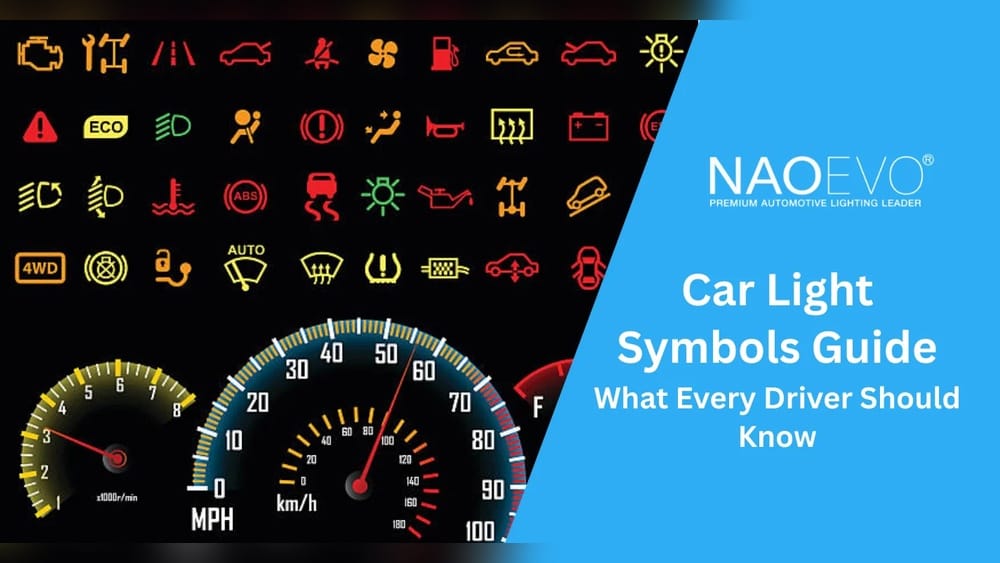
What Do Car Light Symbols Mean? Every Icon Explained
Every driver has experienced that moment: you’re cruising down the road when suddenly, a mysterious symbol lights up on your dashboard. Panic sets in, confusion follows, and you wonder, do I need to pull over immediately, or is this just a friendly reminder from my car? Dashboard light symbols are the universal language of vehicles, conveying everything from routine notifications to urgent warnings. Yet, despite being crucial to safe and efficient driving, many car owners are unfamiliar with what these icons mean.
Understanding car light symbols is not just about preventing breakdowns or avoiding fines. It’s about ensuring your safety, maximizing your vehicle’s lifespan, and driving with confidence. Whether you’re a seasoned car enthusiast or a new driver, being able to interpret every dashboard icon is an essential skill in modern motoring.
This comprehensive guide decodes the most common, and the most confusing, car light symbols, offering clear explanations, practical advice, and real-world insights to keep you informed and in control behind the wheel.
Key Takeaways
- Dashboard light symbols communicate important information about your vehicle’s status and health.
- Ignoring warning lights can lead to serious mechanical issues and costly repairs.
- Some icons indicate routine checks, while others require immediate attention.
- Familiarity with these symbols can enhance both safety and vehicle longevity.
- Consult your owner’s manual for model-specific information and always seek professional help for critical warnings.

Credit: www.caranddriver.com
The Language Of Car Dashboard Symbols
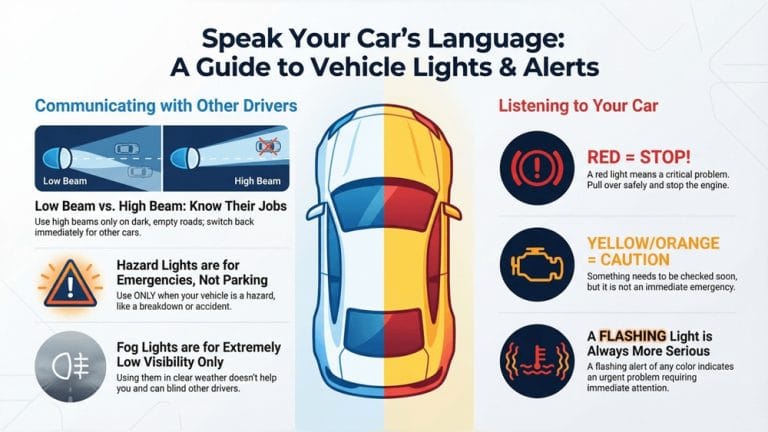
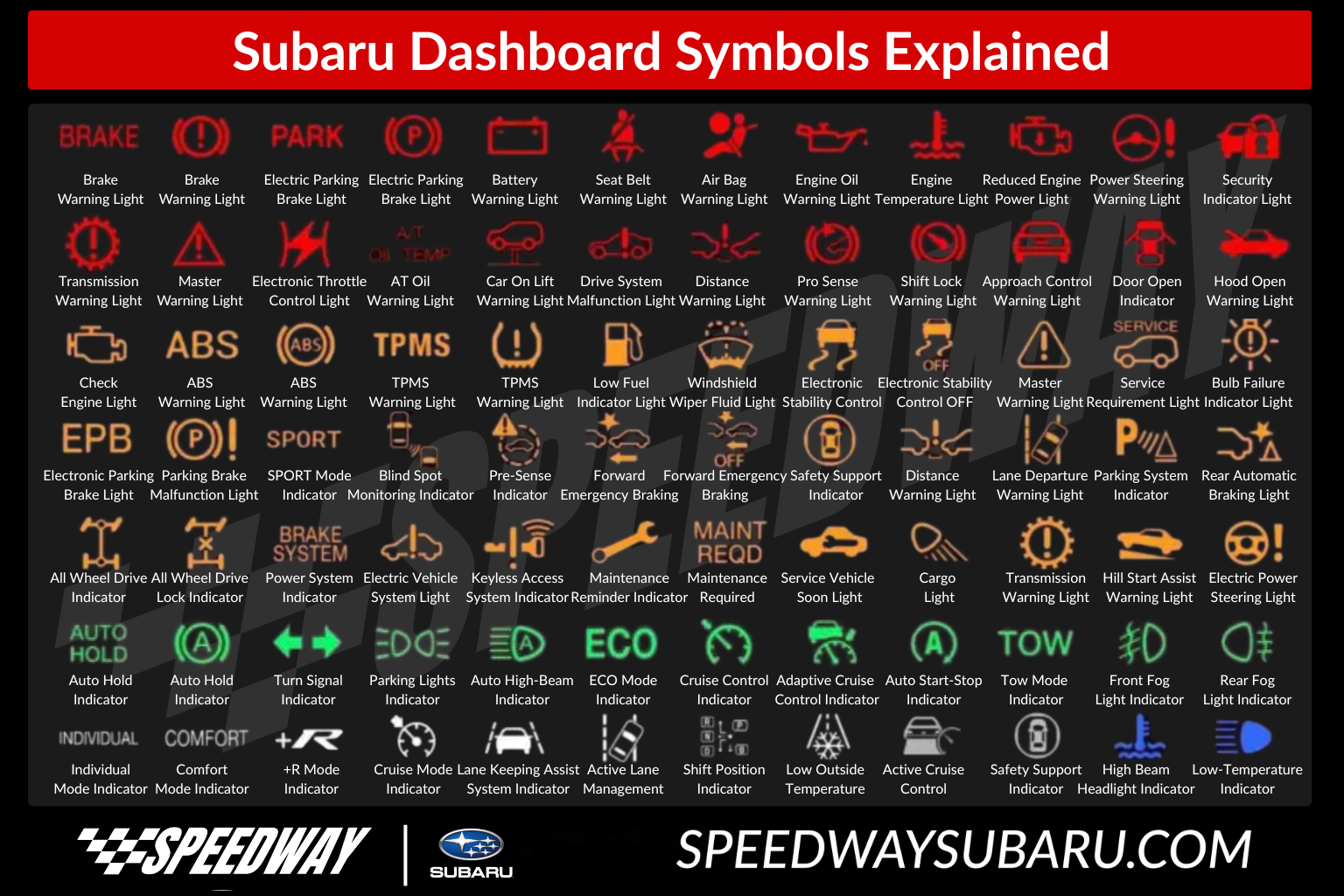
Cars have evolved into sophisticated machines packed with sensors and electronics. Each dashboard symbol is designed to alert you to a specific situation, but their meanings can differ by make and model. Broadly, these symbols are color-coded for urgency: red means immediate attention, yellow/orange signals caution, and green/blue typically indicates normal system activation.
Color Coding: What Do The Colors Mean?
- Red symbols: Critical warnings (e.g., brake system failure, engine overheating).
- Yellow/Orange symbols: Advisories or non-urgent issues (e.g., low tire pressure, check engine).
- Green/Blue symbols: Informational or system status (e.g., headlights on, cruise control active).
Universal Vs. Manufacturer-specific Symbols
Most dashboard lights are standardized, but some automakers use unique icons for proprietary systems. It’s essential to cross-reference any unfamiliar symbols with your car’s owner’s manual. According to the National Highway Traffic Safety Administration (NHTSA), a lack of standardization is a common source of driver confusion.
Why You Should Never Ignore A Warning Light
Ignoring dashboard warnings can have serious consequences. For example, continuing to drive with a lit oil pressure warning can result in catastrophic engine failure. Data from AAA indicate that ignoring dashboard warnings is a factor in nearly 20% of roadside breakdowns annually.
Prompt action not only safeguards your car but can also prevent hazardous situations on the road.
Example: Immediate Vs. Delayed Response
- Immediate: Red “Engine Temperature” light, stop the car to prevent overheating.
- Delayed: Yellow “Washer Fluid” light, top up at your earliest convenience.
Essential Warning Lights Explained
Understanding the most common warning lights can help you decide when to seek professional assistance or perform simple maintenance yourself. Here are the critical icons every driver should recognize.
Engine Warning Light (check Engine)
The check engine light is arguably the most feared symbol on any dashboard. This icon, often depicted as an engine block, signals a range of issues from minor sensor malfunctions to severe engine trouble. Causes include:
- Faulty oxygen sensor
- Loose fuel cap
- Misfiring spark plugs
Pro Tip: If the light is flashing, it indicates a severe problem requiring immediate attention. A steady light usually means you can drive to a service center safely.
Oil Pressure Warning Light
This symbol looks like an old-fashioned oil can and illuminates when oil pressure drops below a safe level. Causes may include:
- Low oil level
- Oil pump failure
- Worn engine bearings
Driving with this light on can result in permanent engine damage. Always check your oil level first, but consult a mechanic if the light remains.
Battery Charge Warning Light
Shaped like a battery, this icon warns of issues with your vehicle’s charging system. Common reasons include:
- Failing alternator
- Broken serpentine belt
- Corroded battery terminals
If this light comes on while driving, you may have limited time before your car loses power completely.
Brake System Warning Light
Usually depicted as an exclamation mark inside a circle or the word “BRAKE,” this symbol appears for:
- Low brake fluid
- Malfunctioning anti-lock braking system (ABS)
- Engaged parking brake
Take this warning seriously, brake failures are a leading cause of accidents, according to NHTSA.
Engine Temperature Warning Light
This icon, resembling a thermometer dipping into water, warns of overheating. Causes include:
- Low coolant
- Broken radiator fan
- Faulty thermostat
Stop your vehicle safely and allow the engine to cool before checking coolant levels.
Airbag Warning Light
Depicted as a figure with a circle in front of them, this icon warns of faults in the airbag system. Airbags may not deploy properly in a crash if this light is on. Immediate service is required.
Tire Pressure Monitoring System (tpms) Light
This symbol looks like a horseshoe with an exclamation mark. It indicates low tire pressure, which can impair handling and fuel efficiency.
| Symbol | Warning Type | Required Action |
|---|---|---|
| Check Engine | Engine/System Fault | Diagnose ASAP |
| Oil Pressure | Critical Engine Issue | Stop Immediately |
| Battery | Electrical System Fault | Test Charging System |
| Brake | Safety Critical | Check Brakes/Fluid |
| TPMS | Low Tire Pressure | Inflate Tires |
Credit: www.speedwaysubaru.com
Informational And Reminder Lights
Not all dashboard symbols signal danger. Many provide information about active features or remind you of routine maintenance.
Seat Belt Reminder
This icon, showing a person with a seatbelt, reminds occupants to buckle up. It’s often accompanied by a chime until all belts are fastened.
Door Ajar Warning
Displayed as a car with open doors, this light stays on until all doors, including the trunk, are securely closed.
Washer Fluid Level Indicator
A windshield symbol with fluid spraying means your washer fluid is low. Refill at your next opportunity.
Maintenance/service Reminder
This light, sometimes displayed as a wrench or “SERVICE,” alerts you to scheduled maintenance like oil changes or filter replacements.
Cruise Control Active Indicator
Usually a speedometer icon, this light confirms that cruise control is engaged.
Example: Routine Light In Action
A late-model sedan’s maintenance reminder light typically appears after 5,000 miles, prompting a timely oil change that prevents engine sludge and maintains smooth performance.

Credit: ackodrive.com
Advanced System And Safety Lights
Modern vehicles are equipped with a suite of driver-assist technologies and safety systems. Their corresponding dashboard symbols are essential to understand, especially as cars become more automated.
Anti-lock Braking System (abs) Light
The ABS light illuminates if the anti-lock braking system detects a fault. ABS improves stopping control during hard braking; if disabled, your brakes will still work, but without anti-lock assistance.
Electronic Stability Control (esc) Light
This icon, often a car with wavy skid marks, activates when the system is engaged or if there’s a fault. ESC helps prevent skidding by automatically applying brakes to individual wheels.
Traction Control System (tcs) Light
A similar symbol to ESC, TCS prevents wheel spin during acceleration. If the light stays on, the system may be disabled, increasing the risk of loss of control in slippery conditions.
Lane Departure Warning Light
Newer vehicles feature a lane marking symbol, indicating the lane departure system is active or malfunctioning.
Blind Spot Monitoring Indicator
A car with radar waves or an illuminated side mirror icon alerts you when a vehicle is detected in your blind spot.
Adaptive Cruise Control (acc) Light
Depicted as a speedometer with a car and lines, this symbol shows adaptive cruise control is monitoring and adjusting your following distance.
Forward Collision Warning Light
A car with an exclamation mark or collision lines indicates the system has detected a potential frontal crash risk.
Example: Safety System In Real Life
A driver in a 2026 SUV reported that the ESC light illuminated during a snowstorm. The system quickly corrected a skid, preventing an accident and demonstrating the real-world benefits of electronic stability control.
Less Common And Specialized Symbols
While most drivers are familiar with the basics, modern cars can have dozens of additional dashboard symbols. Here are some less common, but equally important, icons to recognize.
Diesel Particulate Filter (dpf) Warning Light
Found on diesel vehicles, this icon warns of soot buildup in the particulate filter. Prolonged neglect can lead to reduced performance and expensive repairs.
Glow Plug Indicator (diesel Engines)
A coil-shaped symbol, the glow plug light alerts diesel drivers to wait before starting the engine while the plugs warm up.
Automatic Shift Lock/engine Start Indicator
This symbol reminds drivers to press the brake before starting a car with a push-button ignition or shifting out of park.
Key Not Detected Warning
If your vehicle uses keyless entry, this symbol appears when the key fob is not detected inside the car, preventing the engine from starting.
Hybrid/electric Vehicle-specific Icons
EVs and hybrids have unique warnings for battery temperature, charging status, and system faults. For example, a turtle icon on some electric cars signals reduced power mode to preserve battery life.
Example: Ev Dashboard Symbol
A Nissan Leaf owner observed a battery temperature warning light after prolonged fast charging on a hot day. By allowing the battery to cool and reducing charging speed, the risk of battery damage was minimized.
Data-driven Comparison: Dashboard Symbols Across Brands
Dashboard symbols may look slightly different across manufacturers, and the number of unique icons can vary significantly. Here’s a comparison of common warning lights among popular car brands:
| Car Brand | # of Unique Symbols | Standardized Icons | Proprietary Icons |
|---|---|---|---|
| Toyota | 64 | Yes | Some (Hybrid/EV) |
| Ford | 58 | Yes | Few |
| BMW | 72 | Yes | Several (ADAS) |
| Honda | 60 | Yes | Some |
| Tesla | 80+ | Mostly | Many (Autopilot, EV) |
Note: These figures are based on published owner’s manuals and may vary by model and year.
How To Respond To Dashboard Warning Lights
Recognizing a dashboard symbol is only the first step; knowing how to respond can make the difference between a minor inconvenience and a major repair.
Step 1: Identify The Symbol
Check your dashboard and, if needed, consult your owner’s manual or reputable online resources. Many automakers now offer smartphone apps that can help decode warning lights instantly.
Step 2: Assess The Urgency
- Red lights: Pull over safely and address the issue immediately.
- Yellow/orange lights: Check the system soon, but you can usually continue driving short distances.
- Green/blue lights: Typically informational; no immediate action needed.
Step 3: Take Appropriate Action
- For critical warnings (engine, oil, brakes), stop driving and seek professional assistance.
- For advisories (maintenance, low washer fluid), schedule a service appointment or handle it at your convenience.
Step 4: Resetting Warning Lights
Some warning lights reset automatically after the issue is resolved, while others may require a diagnostic scan. Never attempt to reset a warning light without fixing the underlying problem.
Example: Immediate Action Saves The Day
A commuter noticed the oil pressure light moments after merging onto a highway. By pulling over and checking the oil level, they avoided a seized engine and an expensive tow.
Preventive Maintenance And Dashboard Lights
Routine vehicle maintenance is the best way to minimize unexpected dashboard warnings. Proactive care not only reduces the likelihood of breakdowns but also ensures that your vehicle’s sensors and warning systems function correctly.
Scheduled Service And Maintenance Reminders
Many modern vehicles automatically track mileage and engine hours to trigger maintenance reminders. Adhering to these schedules can extend your car’s lifespan and improve resale value.
Importance Of Fluid Checks
Low levels of engine oil, coolant, brake fluid, and washer fluid are among the most common causes of warning lights. Regularly check and top up fluids to prevent issues before they trigger a dashboard icon.
Battery And Charging System
With the increasing number of electronic systems, battery health is more important than ever. A weak battery can cause multiple warning lights to appear simultaneously.
Tire Pressure Monitoring
Underinflated tires are a leading cause of roadside assistance calls. Monthly tire pressure checks can prevent TPMS warnings and improve fuel economy.
Example: Proactive Maintenance Pays Off
Regularly checking fluid levels and tire pressures not only prevents dashboard warnings but also contributes to a smoother, more reliable driving experience across multiple vehicles.
Comparison Table: Action Steps For Major Warning Lights
Here’s a quick-reference table summarizing recommended actions for the most common dashboard warnings:
| Warning Light | Possible Cause | Action Required | Can You Drive? |
|---|---|---|---|
| Check Engine | Emissions, Sensor, Engine Fault | Check Codes, Service Soon | Yes, if steady |
| Oil Pressure | Low Oil/Pressure | Stop, Check Oil, Call for Help | No |
| Brake System | Low Fluid, Brake Fault | Check Fluid, Test Brakes | No |
| Battery | Charging System Fault | Test Battery/Alternator | Short Distance Only |
| TPMS | Low Tire Pressure | Inflate Tires, Inspect for Puncture | Yes, with caution |
Frequently Asked Questions
What Should I Do If A Dashboard Warning Light Comes On While Driving?
If a warning light illuminates while you’re driving, first note its color and symbol. Red lights require you to pull over safely and address the issue immediately, such as checking the oil or brakes. For yellow or orange lights, you can typically drive to a repair shop, but schedule a service visit soon. Ignoring warning lights can result in more severe problems and higher repair bills.
Can Dashboard Warning Lights Be Triggered By Faulty Sensors?
Yes, dashboard warning lights can sometimes be caused by faulty sensors or electrical issues rather than an actual mechanical problem. For example, a failing oxygen sensor may trigger the check engine light even if the engine is running properly. A diagnostic scan at a service center will help pinpoint the exact cause.
Are All Dashboard Symbols The Same Across Different Car Brands?
While many dashboard symbols are standardized by international regulations, some manufacturers use proprietary icons for specific features or systems. Always consult your car’s owner’s manual for model-specific meanings. For a comprehensive list of standardized icons, you can refer to resources like the Wikipedia Dashboard Symbols Guide.
How Do I Reset A Dashboard Warning Light After Fixing The Problem?
Some warning lights, such as the tire pressure or washer fluid indicators, will reset automatically after the issue is fixed. Others, like the check engine light, may require a diagnostic tool to clear the code. If a warning light remains after repairs, visit a certified mechanic to ensure the issue is fully resolved.
Why Do Some Symbols Flash While Others Remain Steady?
A flashing warning light usually signals a more urgent issue than a steady light. For example, a flashing check engine light indicates a severe engine misfire, which can cause damage if not addressed immediately. Steady lights typically indicate a non-urgent problem but still warrant timely attention.
Staying informed about car light symbols is one of the simplest ways to maintain your vehicle’s safety and reliability. With technology advancing rapidly, new symbols may appear in future models, but the fundamentals remain the same: recognize the icon, assess the urgency, and respond appropriately. By mastering this “language,” you’ll not only avoid costly repairs but also drive with greater confidence and peace of mind.
Products related to this article
Sponsored / affiliate links. As an Amazon Associate I earn from qualifying purchases. I may earn additional commission from eligible campaigns.