How to Fix Carburetor Hesitation on Acceleration
If the engine stumbles the instant you open the throttle, check the accelerator pump shot first; a dry or delayed squirt is the most common carburetor cause of off-idle hesitation. Ignoring it can waste fuel, foul plugs, and hide a vacuum leak or float problem that gets worse under load. This guide separates pump, idle, float, choke, vacuum, and secondary-circuit faults.
Hesitation can feel like stumbling, bogging, or lagging when the throttle opens. The key split is where it shows up. Off-idle hesitation happens as the throttle moves. Cruise roll-on bog appears when you press deeper from steady speed. Cold-only hesitation points to a choke or enrichment fault, while a hot stumble after a rebuild often points to setup or wear.
What carburetor hesitation means


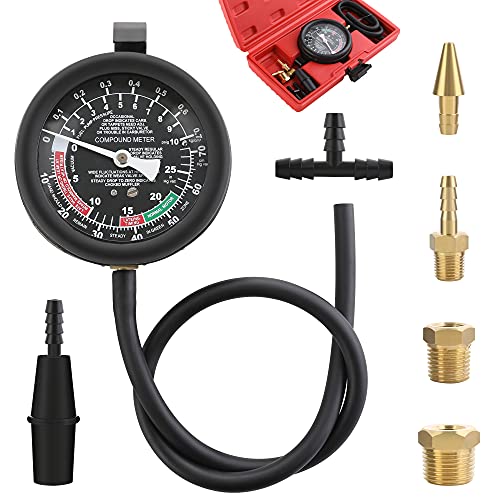
Do not start with adjustments until the basic conditions are right. Check ignition, air, fuel, and vacuum first, then confirm the choke butterfly is fully open on a warm engine. A carburetor cannot be diagnosed well if the bowl is dry, the choke is still on, or a vacuum leak is pulling the mixture lean.
Off-idle bog versus cruise roll-on stumble
An off-idle bog happens during the first crack of throttle, before airflow and fuel signal fully catch up. A cruise roll-on stumble can often show up later, when secondary operation starts to matter on a 4-barrel carburetor. Those are different faults. Treating both as one “hesitation” diagnosis leads to the wrong adjustment.
Say the engine pulls cleanly from a stop when you ease into the throttle, but it falls flat at 40 mph when you ask for more. That pattern can point away from the accelerator pump and toward the secondary circuit, secondary spring tension, or a vacuum advance issue that shows up under light cruise load.
Cold-only hesitation versus hot hesitation
If the engine hesitates only cold, look at choke position and enrichment before anything else. The choke butterfly should be fully open when warm, and it should move freely during warmup. A cold-only complaint usually means the carburetor is not delivering enough fuel for the temperature, not that the pump is dead.
Hot hesitation is different. If the problem appears after the engine reaches operating temperature, a dry bowl, incorrect float level, loose idle setup, or vacuum leak becomes more likely. A warm engine also gives you a valid pump shot test, which a cold engine does not.
When the symptom points away from the carburetor
If the stumble is paired with misfire, dead cylinders, or no change when the throttle is snapped, the carburetor may not be the only fault. Dirty filters, bad plugs, weak fuel delivery, or a faulty advance mechanism can mimic a carburetor problem. Fix the obvious basics first, then return to the carburetor.
What to check first
Start with the simple validation checks. Make sure the choke butterfly is fully open, the fuel bowl actually contains fuel, and the engine is warm enough for a meaningful test. A dry bowl can make a good accelerator pump look failed. That false reading wastes time and sends you toward the wrong part.
Use a vacuum gauge when the complaint is vague or when there are multiple carburetors. It helps identify idle adjustment issues and carb synchronization problems, especially on multi-carb setups. If idle quality is unstable, the gauge can tell you whether the engine is reacting to a setup issue or to a leak.
- Confirm warm operating state. Run the engine to normal temperature and verify the choke butterfly is fully open. The accelerator pump test should be done warm, because a closed choke can skew the result and make a healthy carburetor look wrong.
- Verify fuel in the bowl. Check that the fuel bowl contains fuel before blaming the pump. Modern gasoline can leave the bowl dry before starting, and a dry bowl can mimic a bad accelerator pump on the first throttle snap.
- Check basic engine inputs. Inspect air filter condition, plugs, ignition timing, and vacuum connections before adjusting the carburetor. A vacuum leak or weak spark can create the same lean stumble that a carburetor fault would.
How do you test the accelerator pump?
Test the accelerator pump with the engine warm and the choke fully open. A healthy pump produces a strong squirt from the pump jet as soon as the throttle moves. The exact stream pattern varies by carburetor family, so do not force one universal pattern onto every unit.
A single-barrel carburetor normally shows a single discharge during the pump test, but nozzle arrangement and stream pattern still vary by design. Multi-barrel carburetors may show different patterns as well. What matters is a prompt, even squirt, not a weak dribble or a delay after the throttle starts opening.
- Inspect the pump jet. Look down the carburetor throat with the air cleaner removed and the engine warm. Work the throttle by hand and watch for a healthy squirt from the pump jet as the plates begin to move.
- Compare stream pattern. Note the carburetor family, then compare the discharge to that model’s normal pattern. Do not rely on a one-size-fits-all stream count; use the manufacturer listing for your carburetor if the pattern is unclear.
- Rule out a dry bowl. If the squirt is absent, verify bowl fuel before replacing the pump parts. A dry bowl from vapor loss, storage, or fuel-delivery trouble can create a false failure.
Suppose a four-barrel engine idles fine, but the throttle tip-in falls flat after weeks of sitting. If the bowl is dry, the first few pump strokes may show almost nothing. After the bowl refills, the same carburetor may produce a proper squirt, which means the pump was not the root cause.
Idle circuit and throttle plate setup
Could the idle mixture be causing hesitation off idle? Yes. Idle mixture affects the transition from idle to the first movement of the throttle, and a poor baseline can create a lean stumble even when the accelerator pump is sound. Many carburetors use a starting point near 1.5 to 2 turns out, but others call for a different starting point, limited adjustment, or a procedure specific to the model.
Throttle plate clearance matters too. Idle and transition tuning is often governed by transfer-slot exposure and the carburetor’s own idle-speed specification, not by a universal throttle-plate gap. If the throttle plates are set too far closed or too far open for the model, the transition can become erratic.
Idle mixture screw baseline around 1.5 to 2 turns out
Set both mixture screws to a common starting point only if your carburetor family uses that approach; many do not. Some models begin near 1.5 to 2 turns out, while others call for a different starting position or a more limited adjustment range. Follow the carburetor’s manual rather than forcing one baseline onto every unit.
Use the vacuum gauge for the next step. Turn each screw in small increments and watch for the strongest steady vacuum and the cleanest idle quality. If setting for highest vacuum leaves the throttle plates too far shut, the engine may idle well but stumble as soon as you tip in the throttle.
Throttle plate clearance near 0.020 inch
Inspect throttle plate position before you chase pumps or jets. On some carburetors, transition diagnosis depends on transfer-slot exposure and the idle-speed setting, not on a generic throttle-plate figure. Use the model’s specification or service manual rather than treating one clearance as a universal target.
Adjustment usually means resetting the idle stop and, when needed, returning the idle mixture to a known starting point before rechecking. If the plates are holding the engine up at idle instead of the idle circuit doing the work, the off-idle transition will often feel lazy or harsh.
How transfer-slot exposure affects off-idle response
The transfer slot feeds fuel as the throttle first opens. If the throttle plates are set for the wrong amount of slot exposure, the engine can stumble when you leave idle. If they are too far open, the carburetor can drift into a part of the circuit it was not meant to use at idle.
A common first-timer mistake is setting idle for the highest vacuum and stopping there. That can leave the throttle position out of balance with the transition circuit, which is where a weak tip-in often begins. Reset the plates, then return to the idle mixture and speed adjustment.
What causes cruise roll-on bog?
A bog that appears during cruise roll-on often points to the secondary circuit on a 4-barrel carburetor. The accelerator pump may be fine. Instead, the secondaries may be opening too soon, too fast, or with the wrong spring tension. A vacuum gauge helps here because it can separate an idle setup issue from a load-related one.
Secondary air valve behavior matters on many 4-barrel carbs. If the secondary spring is fatigued or misadjusted after a rebuild, the secondaries may open before airflow can support them. That can create a lean bog during acceleration even though the primary side looks normal.
Secondary air valve behavior on 4-barrel carbs
When the bog shows up only as road speed and throttle load rise, watch the secondary air valve. If it opens too early, the engine gets more air than fuel and falls flat. If it opens too slowly, the carburetor can feel lazy, but that is a different complaint from an early lean bog.
On a rebuilt carburetor, factory specification matters. A worn or weak secondary spring can change the opening point enough to cause a stumble that cleaning will not fix. If the secondary action is outside spec, reset it to the manufacturer’s value or replace the worn hard parts.
When a vacuum gauge points to a setup issue
A vacuum gauge is useful when the engine hesitates under light throttle and the carburetor seems otherwise clean. A steady, healthy reading at idle with a stumble on roll-on often means the problem is in the transition or secondary setup, not the basic idle circuit. On multi-carb setups, it also helps you spot synchronization faults.
If the gauge is unstable at idle, inspect for leaks before turning screws. If it is steady but the engine bogs on cruise acceleration, look at the secondary spring, float level, and timing advance before replacing the accelerator pump.
Carb hesitation decision table
This table separates the common hesitation patterns and the first correction that usually belongs with each one. Use it after the warm-engine checks, because a cold choke or dry bowl can make every row look worse than it is.
| Symptom | Test method | Likely cause | Accelerator pump squirt | Choke open/closed | Fuel bowl presence | Throttle-plate clearance | Next action |
|---|---|---|---|---|---|---|---|
| Hesitation from a stop | Warm engine, snap throttle from idle, watch pump jet | Weak pump shot, idle mixture too lean, or plates set too tight | Fail if delayed or dribbly | Must be open when warm | Must be present for a valid test | Check near 0.020 inch | Reset idle mixture to 1.5 to 2 turns out, verify squirt, then correct throttle plate position |
| Hesitation during cruise roll-on | Hold steady speed, then increase throttle gradually | Secondary air valve opening too soon, weak secondary spring, or timing advance issue | Pass if primary squirt is healthy | Must be open when warm | Must be present for a valid test | Usually not the main fault | Check secondary spring tension and factory specification; verify ignition advance and vacuum gauge behavior |
| Hesitation only when cold | Repeat the complaint after warmup and compare | Choke not closing correctly during cold start or enrichment issue | May pass once warm | Often closed when cold, open when warm | May be present, but cold enrichment can still be wrong | Usually secondary to choke setting | Check choke adjustment and fast-idle behavior before touching the pump |
| Hesitation after recent rebuild | Verify settings against the manual and repeat the warm pump test | Incorrect float setting, secondary spring tension, or transfer-slot exposure | Pass if rebuild was correct | Must be open when warm | Must be present for a valid test | Often set wrong during assembly | Confirm float, idle mixture, and secondary specs before replacing parts |
How do you fix carburetor hesitation on acceleration?
Fix it in order: validate the warm engine, verify the bowl has fuel, test the pump shot, then tune idle mixture and throttle-plate position. If the symptom happens during cruise roll-on, move to the secondary circuit and its spring tension. Replace worn parts only after the adjustment path has been checked.
That sequence keeps you from blaming the accelerator pump when the real issue is fuel level, choke position, or a setup error from a previous rebuild. It also tells you when cleaning is no longer enough. A worn pump cup, weak spring, or tired secondary valve needs parts, not another round of screw turning.
- Start with validation. Make sure the engine is warm, the choke butterfly is fully open, and the fuel bowl contains fuel. Without those conditions, every later test can mislead you.
- Test the pump shot. Snap the throttle and confirm a healthy squirt from the pump jet. If the squirt is weak or delayed, inspect the pump linkage, cup, and fuel supply before touching the idle circuit.
- Reset the idle circuit. Return the idle mixture screws to a model-appropriate starting point, then refine with a vacuum gauge and idle quality. If the plates are too closed for the carburetor’s transfer-slot setup, correct the throttle stop so the transition circuit is not starved.
- Check float and secondaries. If the bog remains under cruise load or after a rebuild, inspect float level, secondary spring tension, and secondary air valve action. Float issues can starve or flood the bowl, and either condition can create a stumble that looks like a pump failure.
What float level problems cause hesitation on acceleration?
Float level problems can cause either starvation or flooding. If the fuel level is too low, the bowl may not refill fast enough during throttle opening and the engine leans out. If the level is too high, fuel can dribble where air should dominate and the engine may stumble or load up.
Check float level with the method the carburetor family uses. Some models use a sight plug, others use a bowl-top measurement, and some call for a clear-tube check or a specific gauge. If the carburetor has a sight plug, the fuel level should be checked against the manual’s guidance, not guessed from appearance alone.
How do vacuum leaks cause a carburetor to stumble on acceleration?
A vacuum leak adds unmetered air, which leans the mixture just when the engine needs enrichment. That lean condition often shows up as a tip-in stumble or a rough idle that gets worse as the throttle opens. A leak near the intake, gasket, or vacuum hose can mimic a bad pump.
Use safer leak checks first. Inspect hoses, gaskets, and fittings visually, then use a smoke test or another approved method with the engine off whenever possible. Avoid spraying around a running carburetor or intake unless the service procedure and fire-safety precautions are explicit in the manual.
Frequently asked questions
What causes hesitation on acceleration in a carbureted engine?
In carburetor terms, hesitation usually comes from a transition problem. The most common causes are a weak accelerator pump shot, incorrect idle mixture, throttle-plate setup that does not match the transfer slots, low float level, a choke that is not fully open when warm, or a vacuum leak. Cruise bog can also come from secondary timing on a 4-barrel carburetor.
How do I test the accelerator pump on a carburetor?
With the engine warm, remove the air cleaner and open the throttle by hand while watching the pump jet. A healthy pump should produce a prompt squirt. Stream count and pattern vary by carburetor design, so use the manufacturer’s listing for your model if you need a pattern reference. A dry bowl can fake a failure, so verify fuel first.
Could the idle mixture be causing hesitation off idle?
Yes. Idle mixture affects the handoff from idle to the first opening of the throttle. If the mixture screws are too far in or the throttle plates are set too tight for the model’s transfer-slot setup, the engine can stumble before the accelerator pump takes over cleanly. Many carburetors use a starting point around 1.5 to 2 turns out, but many others do not.
How do I tell if the bog is from the accelerator pump or the secondary circuit?
If the stumble happens the instant you crack the throttle from a stop, look at the accelerator pump first. If the engine pulls okay at first and then bogs as speed and throttle demand rise, the secondary circuit is more likely. On 4-barrel carbs, weak or mistimed secondary spring tension can open the door too early and create a cruise roll-on bog.
What should I check before adjusting a carburetor for hesitation?
Check the warm-engine basics first: choke butterfly fully open, fuel in the bowl, clean air path, sound plugs, and no obvious vacuum leaks. Then confirm the accelerator pump squirt before touching mixture screws or linkages. If the car was recently rebuilt, compare float, idle, and secondary settings with the manufacturer’s manual before changing anything else.
Products related to this article
Sponsored / affiliate links. As an Amazon Associate I earn from qualifying purchases. I may earn additional commission from eligible campaigns.