Should You Repair or Replace a Bad Transmission Control Module?
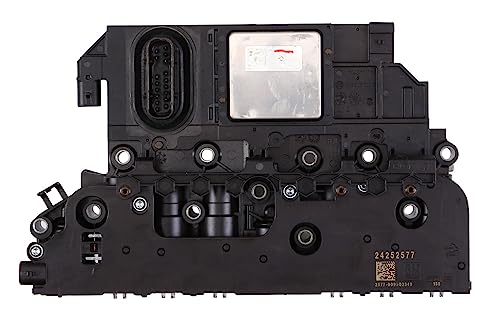
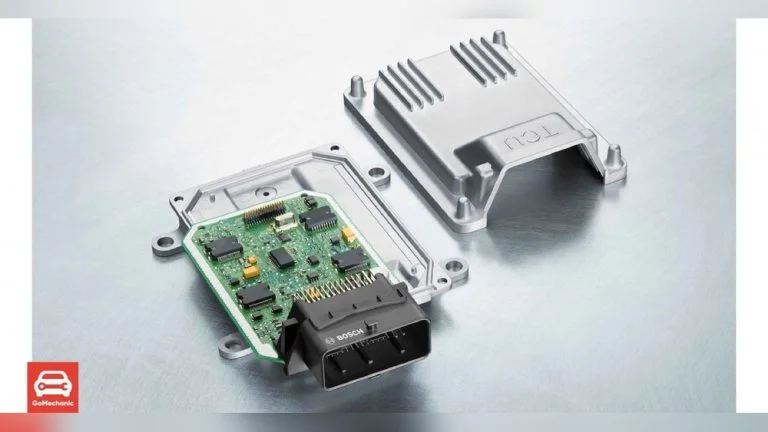
Repair the transmission control module first when the fault is power, ground, wiring, voltage, or calibration; replace it only after it fails validation and transmission-mechanical causes are ruled out. Skip that order and you can spend money on a module that was never bad, while the shift fault stays. This guide walks through the diagnosis tree, common failure points, and when replacement is justified.
Bad TCM symptoms and first checks


A bad Transmission Control Module can cause erratic shifting, stuck-in-gear behavior, slipping, or stalling while shifting. The check engine light can come on when the TCM fails, and some vehicles also light a transmission warning lamp. Before replacing anything, verify codes, battery voltage, grounds, wiring, and fluid condition.
What to verify first
- Scan the vehicle. Use an OBD2 code scanner to read diagnostic trouble codes, then note whether P0613, P0614, P0700, or U0101 are present. Freeze-frame data shows whether the fault appeared during cranking, acceleration, or a shift event.
- Check power supply. Confirm battery voltage and charging-system output before condemning the module. Low voltage can act like a failed TCM, especially if the symptom appears after a weak start or a jump start.
- Inspect grounds and connectors. Look for loose pins, corrosion, water intrusion, damaged terminals, and rubbed-through wiring in the harness and communication circuit. A poor connection can create erratic shifts or a no-communication complaint.
- Review transmission condition. Check fluid level and condition using the method your owner’s manual calls for; many modern transmissions do not have a simple dipstick check. Low fluid, overheating, or burnt fluid can trigger warning lights and symptoms that look electronic.
The transmission and engine work hand-in-hand. Poor gear timing or selection can reduce fuel economy, so a drivability complaint may look like an engine or transmission issue before the TCM is ever suspected.
How the TCM affects shifting
The TCM typically controls shift timing and gear selection in an automatic transmission. It can also command limp mode when it detects a fault that could damage the driveline. That means the same harsh-shift complaint can come from the module, from wiring, or from the transmission itself.
Why the symptom matters
Limp mode is a protective strategy. It limits speed and may keep the car in one gear. The TCM can trigger that response directly, or the ECU can detect a fault and force the system to protect itself.
Picture a car that starts in second gear, shifts hard, and then stays there. That pattern can fit a TCM problem, but it can also fit a transmission pressure issue or a communication fault that makes the module fall back to a default strategy.
Suppose a truck shows a P0700 code and no obvious transmission warning light. The scan tool may still reveal a transmission control system malfunction, but the code alone does not prove the module is bad. It only tells you where to keep testing.
Should you repair or replace it?
Repair the TCM path first when the problem is power, ground, calibration, wiring, voltage, or communication. Replace the module only after it fails validation and the rest of the transmission system checks out. A reset may clear a temporary fault, but it will not fix a dead power feed, a broken wire, or an internal module failure.
Decision table
| Symptom | Likely cause | Quick test | Replacement trigger | Do not replace yet |
|---|---|---|---|---|
| P0613 | TCM-related fault, but not proof of internal failure | Check power, ground, connector condition, and whether the code returns after clearing | Code returns with verified power, ground, and wiring | Do not replace yet if battery voltage is low or the harness has damage |
| P0614 | ECM/TCM compatibility issue | Verify programming, module part match, and communication on the scan tool | Module mismatch is ruled out and compatibility fault remains | Do not replace yet if the module may need programming or relearn |
| P0700 | Transmission control system malfunction | Read the transmission-specific codes inside the TCM, not just the generic engine code | TCM codes and tests point to internal module failure | Do not replace yet if the real fault is fluid, wiring, or a transmission-side code |
| U0101 | Lost communication with the TCM | Check network power, ground, connector pins, and communication circuit continuity | Communication remains absent after wiring and supply checks | Do not replace yet if the scan tool cannot talk to the module because of a circuit fault |
| Limp mode | Protective strategy from module, engine, or transmission fault | Scan codes, verify voltage, and check fluid condition before clearing anything | Limp mode returns with verified module power and confirmed internal failure | Do not replace yet if low fluid, overheating, or a separate transmission fault is present |
| Harsh shifts | Shift control fault, pressure problem, or calibration issue | Confirm whether the symptom changes after a reset and whether related codes return | Harsh shifts persist after electrical and fluid checks | Do not replace yet if the issue appears only with low voltage or old fluid |
| No communication | Power, ground, network, or module failure | Check fuse supply, ground drop, and wiring continuity | Module has verified power and ground but still will not communicate | Do not replace yet if the communication circuit is open or shorted |
What codes point to a bad TCM?
P0613 is listed as a TCM-related trouble code, P0614 is an ECM/TCM compatibility code, P0700 is a transmission control system malfunction code, and U0101 indicates lost communication with the TCM. Those codes support diagnosis, but none of them proves the module is bad by itself.
How to use the scan results
- Read every module. Scan the engine and transmission controllers, not just the check engine light. P0700 often points you to a TCM code stored elsewhere.
- Match code to symptom. A U0101 complaint fits a communication or power problem better than a mechanical slip. A P0614 complaint raises a programming or compatibility question before it raises a replacement order.
- Clear and retest. After repairs to power, ground, or wiring, clear the codes and drive the vehicle under the conditions that set the fault. A code that does not return is different from one that resets immediately.
The scan tool can confirm whether transmission-related codes are present. It cannot, by itself, separate an internal module fault from a bad feed, bad ground, or network issue. That distinction is the whole decision tree.
Could it be wiring, voltage, or fluid?
Yes. Battery voltage, charging-system problems, wiring faults, communication-circuit damage, and transmission fluid issues can all mimic a bad TCM. Low fluid or overheating can trigger warning lights and shifting symptoms, and a weak battery can make a healthy module look dead.
Voltage and wiring checks
- Test battery health. Check resting voltage, cranking voltage, and charging voltage with a meter before replacement decisions. If voltage drops too far during cranking or the charging system is unstable, fix that first.
- Load-test the circuits. Verify power and ground at the TCM connector under load, not only with a visual check. A circuit can look fine unplugged and fail under current draw.
- Inspect the wiring. Flex the wiring near the transmission, battery tray, and body pass-throughs while watching live data or communication status. Intermittent opens often hide in these high-motion areas.
- Review fluid clues. Check for low level, overheating signs, burnt odor, or dark fluid where the service procedure allows inspection. Many modern units need a specific temperature and fill procedure, so follow the manual rather than guessing from a dipstick mark.
How a reset fits
A reset can help only when the module has not failed and the fault was temporary, such as a voltage dip or a stale adaptation after a repair. If the codes return, the reset was not a fix. It was just a temporary clear.
What does TCM repair or replacement cost?
TCM pricing varies by vehicle because the bill often includes diagnosis, module programming, and relearn work. Ask for separate line items. That keeps a wiring repair, a module replacement, and a software update from being lumped together as one vague quote.
Cost context
Some transmission replacement jobs are often discussed in the $1,800 to $3,500 range, while basic transmission repairs may land closer to $1,000 to $2,000. Minor fluid-related fixes can sometimes be much less, even under $100. Those figures are for transmission work, not a TCM by itself, so use them only as comparison points.
Module-related repairs may require software programming after mechanical work. That can change the economics: a used module may save on part cost, but if programming or compatibility work is difficult, an OEM or remanufactured module may be the cleaner choice.
How to compare the options
- Repair the wiring first if the problem is power, ground, or connector damage. That is usually cheaper than a module.
- Choose remanufactured or OEM if the module fails testing or the vehicle needs exact software matching.
- Use a used module carefully only when the vehicle supports it and programming costs do not erase the savings.
Frequently asked questions
Should you repair or replace a bad transmission control module?
Repair first when the fault is power, ground, wiring, voltage, or calibration. Replace only after those checks pass and the module still fails communication or internal validation. That order avoids buying a module to solve a wiring or charging problem.
How do you know if the transmission control module is bad or just needs to be reset?
If the fault clears, does not return, and the vehicle drives normally after voltage and wiring checks, a reset may have been enough. If the same code returns right away, or the module will not communicate, the issue is deeper than a reset.
What codes point to a bad transmission control module?
P0613, P0614, P0700, and U0101 are commonly cited codes to check. They point you toward TCM-related trouble, compatibility, transmission-control malfunction, or lost communication, but each still needs follow-up testing before the module is condemned.
How much does it cost to repair or replace a TCM?
TCM quotes vary by vehicle, programming, and labor. Ask for separate diagnosis, part, programming, and relearn charges. Compare that total against the transmission-level figures above so you do not confuse a module quote with a much larger mechanical repair.
Can a bad TCM cause limp mode or stuck-in-gear problems?
Yes. Limp mode can limit speed and keep the car in one gear, and a faulty TCM can also cause stuck-in-gear behavior. But the same symptoms can come from wiring, low voltage, fluid problems, or a transmission fault, so testing still comes first.
When is a TCM issue actually a transmission problem?
If power, ground, communication, and programming all check out and the problem remains with harsh shifts, slip, or abnormal pressure behavior, the transmission itself becomes the stronger suspect. The module may be reporting the fault correctly rather than creating it.
Can low battery voltage cause transmission control problems?
Yes. Low battery voltage can sometimes mimic a failing TCM, trigger communication faults, and lead to harsh or erratic shifting. Verify battery and charging-system health before replacing the module, especially if the symptoms began after a weak start or jump start.
Products related to this article
Sponsored / affiliate links. As an Amazon Associate I earn from qualifying purchases. I may earn additional commission from eligible campaigns.