How to Clean Cigarette Ashes Out of a Car Interior
Vacuum loose cigarette ash first with a soft brush attachment, then wipe hard surfaces with a lightly damp microfiber cloth and clean fabric with an upholstery cleaner. Dry ash grinds into trim. Too much liquid turns it into paste and leaves odor in vents and fabric. This guide covers safe ash pickup, residue removal, and surface-by-surface steps for plastic, glass, upholstery, leather, carpets, and vents.
What to do first
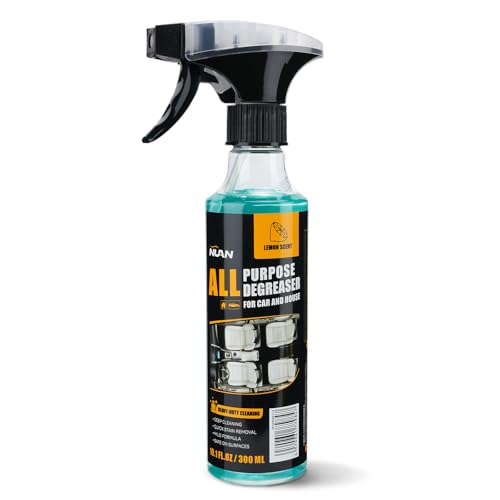

Start by separating loose ash from residue. Loose ash comes off with dry pickup; soot film and nicotine residue usually need a cleaner and a wipe. That order matters because moisture can turn ash into paste, and paste pushes deeper into seams, fabric, and textured plastic.
Work in a shaded, cool place with strong light. Keep the cabin off while you clean. If ash is still floating, open the doors or windows long enough to clear the air, then begin dry pickup.
What you’ll need
- Vacuum with crevice tool and brush attachment
- Microfiber cloths, several clean ones
- Mild interior cleaner for dash, console, and door panels
- Upholstery cleaner for cloth seats and carpet
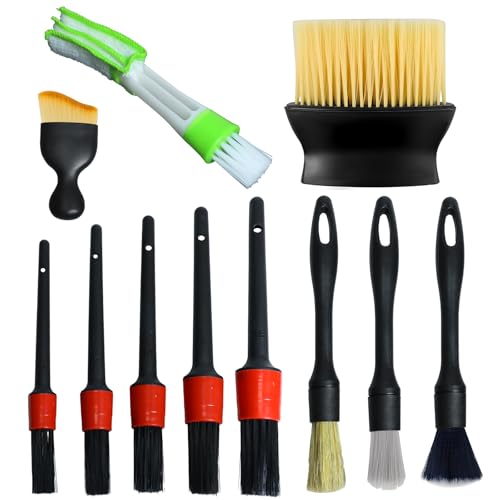
- Soft interior detailing brush
- Ashtray soap and hot water
- Baking soda
- Activated charcoal
- Gloves and a trash bag
- Optional: wet-dry vacuum or upholstery cleaner for fabric areas
Ash cleanup by surface and damage level
| Surface | Safe tool | Safe cleaner | Moisture risk | When to stop and escalate |
|---|---|---|---|---|
| Seats | Vacuum with crevice tool; soft brush | Upholstery cleaner for cloth; material-safe cleaner for leather | High on cloth foam; moderate on leather | Stop if ash has been rubbed into seams, staining remains after one pass, or foam stays damp |
| Carpet | Vacuum with crevice tool | Upholstery cleaner, then dry extraction if needed | Moderate to high | Stop if the carpet backing feels wet, the stain spreads, or odor returns after drying |
| Headliner | Vacuum on low suction; dry microfiber | Very light upholstery cleaner applied to cloth first | Very high | Stop if the liner darkens, sags, or shows texture change |
| Seat belts | Microfiber cloth; soft brush for buckle area | Mild interior cleaner on cloth, not sprayed directly | Moderate | Stop if webbing twists, frays, or stays damp near the retractor |
| Vents | Vacuum with crevice tool; soft detailing brush | Dry or barely damp microfiber on surrounding trim | High near electronics | Stop if liquid reaches screens, switches, or vent motors |
| Glass | Microfiber cloth | Ammonia-free glass cleaner | Low | Stop if streaking persists after a second dry towel pass |
| Hard plastics | Microfiber cloth | Mild interior cleaner | Low to moderate | Stop if residue remains in texture or the finish turns hazy |
What should you clean first?
Remove the ashtray and trash first, then vacuum loose ash from seats, seams, crevices, and under the seats. That dry-first order keeps cigarette ash from turning into paste and keeps residue from spreading onto trim when you start wiping. If the ashtray spills, clean it before the rest of the cabin.
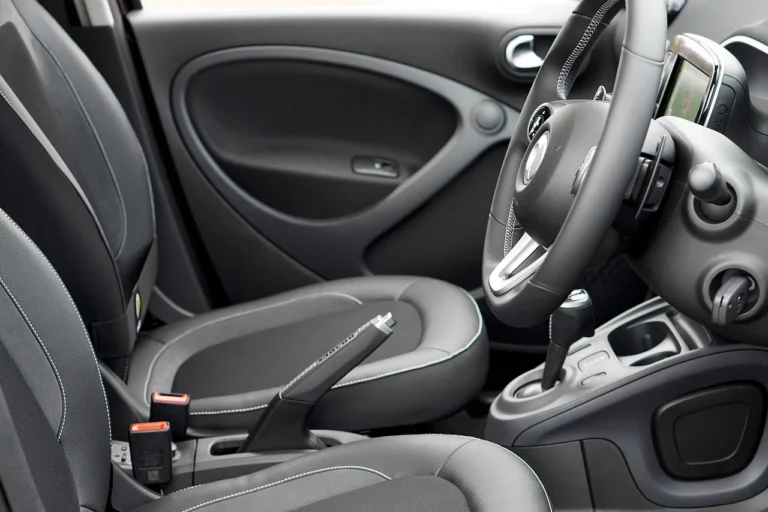
Say your center console has a thin gray dust line around the cup holder and a few crumbs in the seat seam. Vacuum the seam first with the narrow nozzle, then wipe the console. Reversing that order usually pushes ash into the stitching.
- Empty the cabin. Remove trash, loose paper, and the ashtray. Wash the ashtray with dish soap and hot water, then dry it fully before reinstalling.
- Vacuum all dry debris. Use a vacuum with a crevice tool on seats, seams, under seats, and the trunk carpet. Work the nozzle slowly along stitching and joints so ash lifts instead of getting pushed deeper.
- Brush before you wipe. On textured plastic, stitched leather, and carpet edges, use a soft brush to loosen trapped ash, then vacuum again. This reduces rubbing and keeps residue out of fibers.
- Leave wet cleaning for last. After loose ash is gone, move to the hard surfaces and fabric cleaners. That sequence lowers the chance of smearing soot across the cabin.
How do you clean hard surfaces and glass?
Use a microfiber cloth on dashboards, door panels, cup holders, and glass after dry pickup is finished. A mild interior cleaner is the safer choice for trim and plastics, while glass needs an ammonia-free cleaner so you do not damage nearby cabin surfaces. Change cloths often so you do not spread residue from one panel to the next. (Thedrive)
Removing cigarette smoke from car surfaces usually takes two steps: lift the film from contact points, then remove odor from fabric and air paths. A wipe alone will not fix every cabin smell.
- Spray the cloth, not the trim. Apply interior cleaner to the microfiber first when the surface is delicate or textured. Use only enough to dampen the cloth, then wipe the dash, door panels, and console.
- Detail the cup holders. Use a folded microfiber cloth or soft brush for cup holders and button edges. Follow with a dry cloth pass so residue does not settle back into the recesses.
- Clean the glass last. Wipe inside glass with an ammonia-free glass cleaner and a clean microfiber cloth. Finish with a dry cloth to remove streaks, especially near the windshield edge and rear glass.
How do you clean seats, carpet, and the headliner?
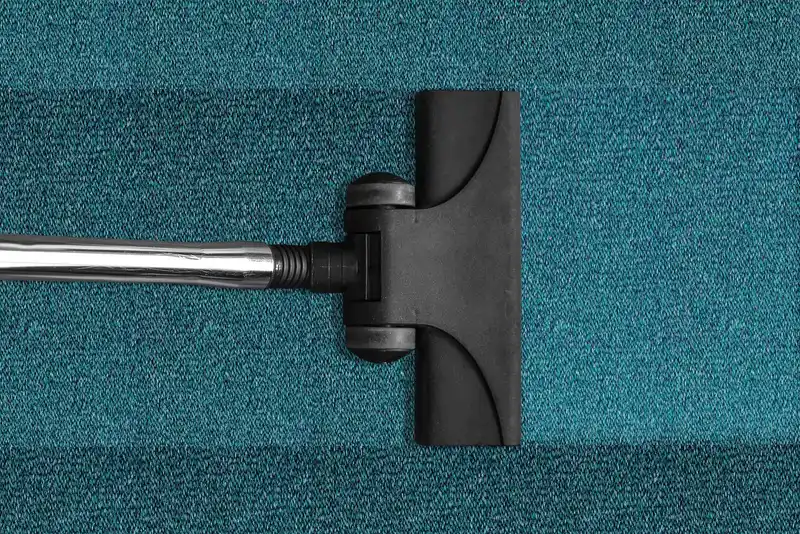
Use the least moisture that still lifts the stain. A wet-dry vacuum or upholstery cleaner helps on seats and carpet, but too much liquid can cause mold problems and leave foam wet for days. The headliner needs even less liquid because it can sag or separate.
How to clean cigarette ashes out of a car interior on cloth surfaces comes down to this rule: vacuum first, then spot-clean only where ash or residue remains. Do not scrub dry ash into the weave.
Cloth seats and carpet
- Vacuum the fibers first. Use the crevice tool on seat seams, bolsters, and carpet edges. This matches the places where smoke particles stick to fabric fibers, foam padding, and carpets.
- Apply upholstery cleaner sparingly. Put the cleaner on a cloth or use the product as directed, then work one small area at a time. Use a wet-dry vacuum if the fabric is heavily soiled, because it pulls out more loosened residue.
- Blot and dry fully. Press with a clean microfiber cloth to lift liquid, then let the area dry completely before using the car again. If the backing stays damp, stop and air it out longer instead of adding more cleaner.
Leather and stitched trim
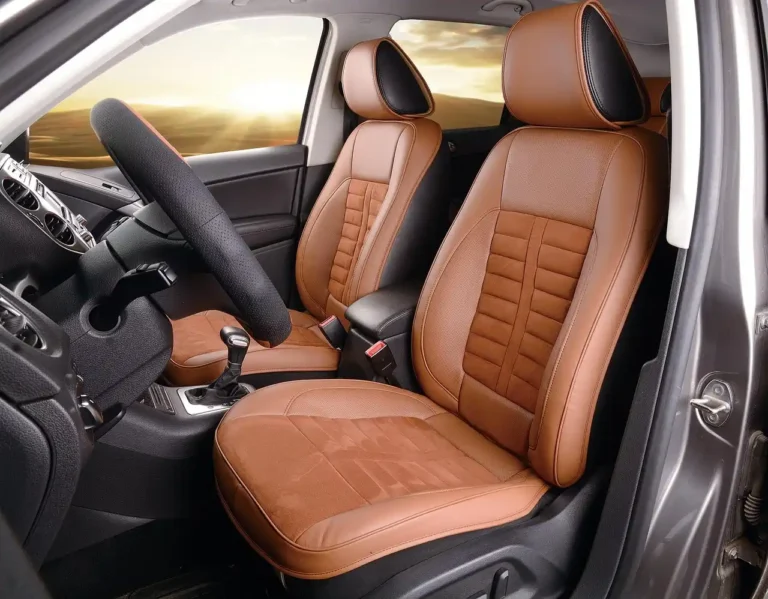
Leather needs a gentler approach than cloth. Vacuum the seams first, then wipe with a microfiber cloth lightly dampened with a material-safe interior cleaner. Keep liquid off stitched edges and perforations, where ash can hide and cleaner can pool.
If residue stays in stitched leather, use a soft brush only on the seam line and wipe immediately afterward. A hard scrub can darken the finish or push soot into the thread channel.
Headliner and seat belts
The headliner often holds odor, and it is sensitive to saturation and scrubbing. Use a dry microfiber cloth or a barely damp cloth with cleaner applied to the cloth first, then dab instead of rub. Seat belts need careful wiping too, because smoke particles can cling to the webbing.
For seat belts, extend the webbing fully, wipe it lengthwise, and let it dry before retraction. Check for twist and fray while you clean. Do not soak the belt or use harsh chemicals.
How do you deal with vents and lingering odor?
Vents can hold ash and odor, and the HVAC system can move that smell into the ductwork when the cabin air is recirculated. Vacuum the vent openings with a crevice tool, then use a soft brush to lift debris from the fins. If the smell comes back when the fan runs, the filter area may also need inspection or replacement.
Activated charcoal and baking soda can help after cleanup, but they do not replace surface cleaning. Baking soda is commonly left on fabric surfaces for about 12-24 hours before vacuuming. Activated charcoal can sit in the cabin as an odor absorber while the car airs out.
- Vacuum the vent openings. Use the narrow nozzle around each vent slot and at the base of the grille. This removes loose ash before you touch the fins with a brush.
- Brush the vent fins. Use a soft detailing brush to move dust and ash toward the vacuum nozzle. Keep liquid away from screens, switches, and electronics near the vents.
- Check the cabin filter area. If your vehicle has a user-serviceable cabin air filter, inspect or replace it according to the owner’s manual. Access varies by model, and some vehicles do not have a filter you can service at home.
- Add odor absorbers next. Sprinkle baking soda on fabric surfaces, leave it overnight or 12-24 hours, then vacuum it off. Place activated charcoal in the cabin after the hard cleaning is done.
Common mistakes
Most failed cleanups happen because the cabin gets wet too early. Moisture turns loose ash into a smear, can drive residue deeper into foam, and can create mold problems in seats, carpets, and headliners.
Another common mistake is using the wrong cleaner on the wrong surface. Glass cleaners containing ammonia can damage plastics and other cabin surfaces, and air fresheners only cover odor rather than remove it.
- Do not scrub dry ash into fabric. Vacuum first.
- Do not soak cloth seats or the headliner. Wet foam takes days to dry.
- Do not spray cleaner into vents or switches.
- Do not ignore seat belts, seams, and under-seat areas.
- Do not expect baking soda or charcoal to fix stained fabric by themselves.
Say a rear seat smells clean after wiping, but the odor returns when the fan is on high. That points to residue in the HVAC path or filter area, not just on the surface. At that stage, repeat vent cleaning and inspect the filter access in the owner’s manual before moving to stronger odor treatment.
How to remove smoke from a car interior
Start with dry pickup, then clean the surfaces that hold film and odor. Smoke particles stick to fabric fibers, foam padding, headliners, seat belts, carpets, and plastic dash surfaces, so the fix has to reach each material without soaking it. A common sequence is trash out, ash out, vacuum, wipe, then odor control.
If the smell remains after cleaning, run the fan on high while using outside air to flush treated air through the system. That helps move fresh air through the ducts after the surfaces are clean.
- Clean the visible residue. Wipe hard surfaces, glass, and fabric contact points until the gray film is gone.
- Treat the odor sources. Use baking soda on fabric, activated charcoal in the cabin, and replace or inspect the cabin air filter if the vehicle allows it.
- Ventilate the cabin. Run the fan on high with outside air selected after cleaning, then repeat only if the odor remains. If smoke odor is still strong after that, the remaining residue may need professional detailing or ozone treatment by a specialist, with the car unoccupied during treatment and fully aired out afterward.
Frequently asked questions
What gets cigarette smoke out of car
Loose ash removal, surface cleaning, and odor absorption work together. Vacuuming removes particles, microfiber cloths lift residue from plastic and glass, baking soda helps on fabric, and activated charcoal can absorb lingering odor. For heavy odor, the HVAC system and cabin filter area may also need attention.
How to remove smoke from a car interior: remove trash and the ashtray
Remove trash and the ashtray, vacuum seams and under-seat areas, then wipe the dash, console, door panels, and glass. Clean seats and carpet with minimal moisture, because too much liquid can create mold problems. If smell persists, run the fan on high with outside air after cleaning.
How to clean a smokers car
Begin with a dry reset of the cabin, then clean each surface with the least risky method. Use a vacuum with a crevice tool on seats, seams, and under seats; a microfiber cloth on hard surfaces and glass; and upholstery cleaner on fabric only when needed. Stop if moisture starts to soak the material.
Products related to this article
Sponsored / affiliate links. As an Amazon Associate I earn from qualifying purchases. I may earn additional commission from eligible campaigns.