Best Cars with Good Visibility: Easier to See Out of
The best cars with good visibility are usually boxier compact SUVs, minivans, and sedans with thin roof pillars, low beltlines, and large windows; if you want easier parking, cleaner lane checks, and fewer curb guesses, put a high seating position and rear-quarter glass at the top of your list. Poor outward visibility makes lane changes, parking, and curb judging harder, which matters most for new drivers and shorter drivers. This guide compares real vehicles and body styles, then shows how to verify visibility on a test drive without leaning on cameras or driver aids.
Which cars are easiest to see out of?
The easiest cars to see out of usually have a short hood, upright windshield, thin A-pillars, a low dash, and broad side windows. That mix helps forward visibility and rear-quarter sightlines at the same time. Boxier small SUVs, minivans, and some sedans with tall glass areas tend to do better than low-slung cars with steep windshields and thick rear pillars.
Body styles that usually help or hurt sightlines
Minivans tend to be the easiest overall because the seating position is high and the side glass is large. Compact SUVs often come next, but their higher beltlines and thicker rear pillars can hide more in over-the-shoulder checks. Sedans can be excellent if the roof pillars stay slim, while pickups often struggle most with front corners and rear-quarter blind spots.
Which drivers benefit most from better outward visibility?
New drivers, best cars for short drivers, and anyone who does a lot of parallel parking or neighborhood driving benefit the most. Better sightlines cut guesswork in lane changes, backing into spaces, and judging curbs or parked cars. If the driver sits low and the hood is tall, visibility matters even more because the front corners are harder to place.
Visibility scorecard for popular vehicles
Use this scorecard as a shopping filter, not a final verdict. The scores below are transparent and comparative: 1 = poor, 3 = average, 5 = excellent. They reflect visibility fundamentals only, using the same criteria for every vehicle: hood length, seat height, A-pillar blockage, rear glass area, mirror usefulness, and how much camera/sensor tech can help without fixing bad geometry.
| Vehicle | Body style | Forward visibility | Rear-quarter visibility | Blind-spot risk | Mirror usefulness | Camera/sensor value | Overall score |
|---|---|---|---|---|---|---|---|
| Honda Odyssey | Minivan | 5 | 5 | 1 | 5 | 4 | 5 |
| Chrysler Pacifica | Minivan | 5 | 5 | 1 | 5 | 4 | 5 |
| Toyota Sienna | Minivan | 4 | 5 | 1 | 5 | 4 | 5 |
| Subaru Forester | Compact SUV | 4 | 4 | 2 | 4 | 4 | 4 |
| Honda CR-V | Compact SUV | 4 | 3 | 3 | 4 | 4 | 4 |
| Toyota RAV4 | Compact SUV | 3 | 3 | 3 | 4 | 4 | 3 |
| Honda Civic Hatchback | Hatchback | 4 | 4 | 2 | 4 | 3 | 4 |
| Toyota Corolla Sedan | Sedan | 4 | 3 | 3 | 4 | 3 | 3 |
| Hyundai Elantra | Sedan | 3 | 3 | 3 | 3 | 3 | 3 |
| Ford Maverick | Pickup truck | 2 | 2 | 4 | 3 | 4 | 2 |
| Chevrolet Silverado 1500 | Pickup truck | 2 | 2 | 4 | 3 | 4 | 2 |
| BMW 3 Series | Low sedan | 2 | 2 | 4 | 3 | 3 | 2 |
How to read the scorecard
Hood length affects how easy it is to place the front corners. Seat height range matters because a higher hip point often clears the dashboard and improves the view through the windshield. A-pillar obstruction and rear window size tell you how much gets hidden in turns and lane changes. Mirror coverage and camera availability matter, but they should support good sightlines rather than replace them.
What improves forward visibility?
Forward visibility improves when the windshield is more upright, the A-pillars are thinner, the hood sits lower, and the dashboard drops away from the glass. A seat that raises enough to clear the cowl and dash helps too. If the driver can see the road edge and front corners without leaning, the car is easier to place in traffic and parking lots.
Windshield rake and A-pillar thickness
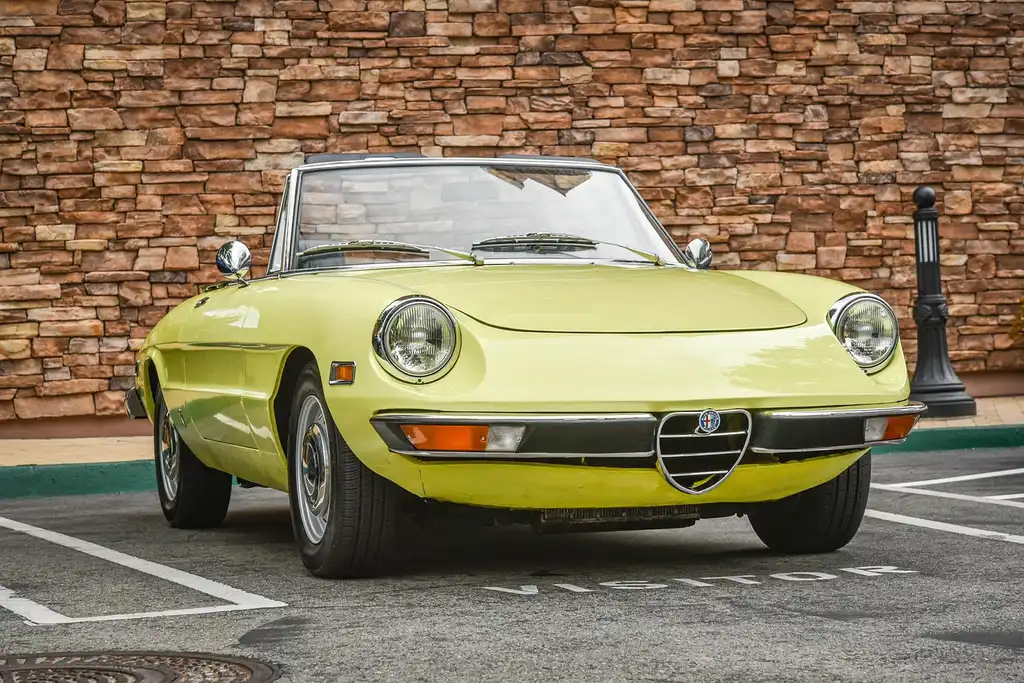
A steeply raked windshield can look sleek, but it often pushes the A-pillars farther into your forward view. Thick A-pillars can hide pedestrians, cyclists, or lane markings at a turn. Thin pillars help, but shape matters as much as thickness; a pillar that splits into two sections can block less than one broad, solid support.
Reputable safety guidance consistently flags this tradeoff: the Insurance Institute for Highway Safety notes that front roof pillars can create visibility problems, and the National Highway Traffic Safety Administration points out that design changes aimed at crash protection can affect what drivers see out of the vehicle. See IIHS vehicle visibility and NHTSA on vehicle design and driver visibility.
Hood height and dashboard sightlines
A taller hood makes it harder to judge where the front edge ends, especially for short drivers. A low dashboard with a clean sightline over the hood lets you see parking lines, curbs, and traffic ahead more clearly. If you cannot see the hood corners without leaning forward, forward visibility is already compromised.
High beltlines, tall hoods, and thicker front structures also increase the amount of vehicle that must be estimated rather than seen. That is why the best visibility scores usually go to vehicles that combine a lower dash with more upright glass and shorter front overhangs.
Seat height adjustment and steering wheel reach
Seat height adjustment is not a luxury feature here. It changes the hip point, which changes what you can see over the dash. Tilt and telescoping steering wheels matter because they let you sit high enough for visibility without forcing the wheel into your chest or your knees.
Say your seat is raised one notch and the wheel is moved slightly out. If the top of the dash drops below your line of sight and the hood corners become visible, that setup is better than a lower seat that leaves you peering over the wheel rim.
How do blind spots change by body style?
Blind spots change with glass area, rear pillar thickness, and how far back the rear corners sit from the driver. Sedans and hatchbacks often give better rear-quarter visibility than tall SUVs with thick pillars. Pickups usually create the hardest rear-quarter checks because the bed and rear cabin structure block more of the diagonal view.
Sedan and hatchback sightlines
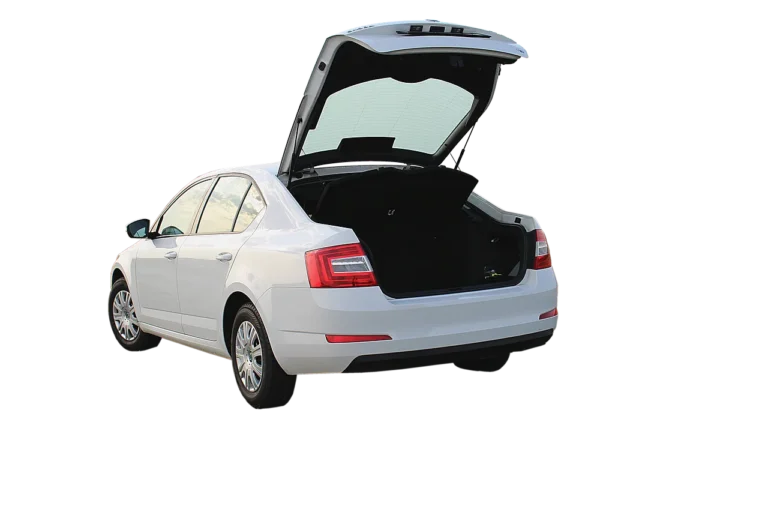
Sedans often do well when the rear window is large and the C-pillars stay slim. Hatchbacks can be even better because the rear glass is usually more upright and the cargo area sits lower behind the driver. The tradeoff is that a high beltline or thick rear pillars can still hide cars in adjacent lanes.
SUV and crossover blind spots
Many SUVs give you a better hip point, but that does not guarantee better visibility. Higher beltlines can shrink side windows, and wider rear pillars can block more during shoulder checks. Compact crossovers often split the difference: decent forward sightlines, but rear-quarter views that vary a lot by shape.
Minivan visibility advantages
Minivans usually win because they combine a high seating position with broad side glass and a large rear opening. The driver can often see more of the rear corners and more of the traffic around the vehicle. That is why minivans often feel easy to place in tight spaces, even without leaning on cameras.
Pickup truck rear-quarter limits
Pickup trucks often suffer from a long hood, a high dash, and a bed that blocks what is behind the rear doors. The rear window can help, but the side mirrors carry more of the job. If the driver is short, the hood and front fenders can also hide nearby objects more easily.
Suppose a 5-foot-2 driver sits in a full-size pickup with the seat low and the wheel tilted upward. The hood can block the near corner of the vehicle, and the rear window may sit too far back to help with lane changes. That is a setup where good mirrors matter, but a better body shape would matter more.
Which features help you see better?
The best visibility features support the driver’s own view instead of replacing it. Bigger mirrors, a clear backup camera, blind-spot monitoring, around-view cameras, and parking sensors can all help. They work best when the seating position and window layout are already decent.
Side mirrors and convex sections
Side mirrors should be large enough to show the lane beside you and the rear quarter of the car. A convex section widens the field of view, which helps reduce blind spots. Accessories can help when the vehicle is already close to usable, but they cannot fully correct poor cabin geometry, thick pillars, or a high beltline that blocks the sightline in the first place.
Mirror design matters because the mirror is only one part of the visibility chain. If the driver cannot properly see the side of the vehicle, the rear quarter, and the adjacent lane, the blind spot problem is more about vehicle shape than accessories. The Insurance Institute for Highway Safety has repeatedly emphasized that visible windows and pillars are core visibility factors, not optional extras.
Backup cameras and night visibility
Backup cameras help most when they show a wide, bright image with usable guidelines and decent night visibility. They are useful for parking support, but they do not fix poor forward visibility or bad shoulder checks. A dim, low-resolution camera can still leave you guessing near a curb or post.
Camera systems also have limits: dirt, glare, rain, snow, and low light can reduce what they show, so they work best as a supplement to direct sight. NHTSA has also warned that driver-assist features should not be treated as substitutes for checking the surrounding area directly before moving.
Blind-spot monitoring and sensor coverage
Blind-spot monitoring uses sensors to watch the lanes beside and behind the vehicle. Good systems cover enough of the rear quarter to catch an overtaking car before a lane change. Look for the alert type as well: some use a light in the mirror, while others add a sound or steering intervention. Availability can change by trim.
Around-view cameras and parking sensors
An around-view camera system combines several cameras into a 360-degree view, which can help with curb detection and tight parking. Parking sensors add close-range warning through beep patterns that increase as you get nearer to an object. Front and rear coverage matter; rear-only sensors help less in crowded lots.
What should you check on a test drive?
Start by setting the seat, wheel, and mirrors before you judge visibility. A car that looks good with the seat too low or the mirrors poorly adjusted is not being evaluated honestly. The goal is to measure what you can see from a realistic driving position, then look for the areas that still disappear.
Set the seat before judging visibility
- Raise or lower the seat until your hips and shoulders feel natural.
- Adjust the backrest so you sit upright, not reclined.
- Set the steering wheel for reach and tilt after the seat is final.
- Only then decide whether the dash, hood, and A-pillars block the view.
Check over-the-shoulder view and mirror alignment
Use the mirrors to cover the lane beside you, then check how much of the rear quarter still needs a shoulder turn. If the mirror shows mostly your own car, it is not adjusted well. If you have to twist hard to see a car in the next lane, the blind spot is too large for comfortable driving.
Look for pillar interference and tall hood issues
Watch the A-pillars as you turn through a lot or at an intersection. If the pillar hides a pedestrian-sized area for a long moment, that is a real failure point. Also judge the hood: if the front edge disappears completely and you cannot place it near a curb, parking will take more effort.
Test parking, lane changes, and curb visibility
Try a tight parking space, a lane change, and a low-speed turn past a curb. Those three moves expose different problems. Parking tests rear visibility, lane changes test mirror coverage and over-the-shoulder checks, and curb turns reveal whether the hood and front corners are easy to place.
Which cars are best for short drivers?
Short drivers usually do best in vehicles with a higher hip point, a low dash, and enough seat height adjustment to lift the sightline over the hood. That combination reduces the need to lean forward. A tall hood with a low seat is the opposite: it blocks the view and makes parking and turns more tiring.
Seat height and hip point
A higher hip point generally helps shorter drivers see farther over the dashboard and easier around the hood. The seat should still allow a clear reach to the pedals and wheel. If the steering wheel cannot telescope far enough, the driver may have to choose between a safe seating position and a usable sightline.
Low dash and manageable hood height
Low dashboards matter because they keep the road and front corners in view. Manageable hood height matters because it reduces the guesswork around curbs, cones, and parked cars. This is why many short drivers prefer compact SUVs or minivans over tall pickups or low sports sedans.
Steering wheel adjustment and reach
Telescoping and tilt adjustment let the wheel move out of the sightline without forcing the driver into an awkward posture. The wheel should not block the gauges or the top of the road view. If the wheel cannot be set low enough or far enough away, the seat position becomes a compromise.
Frequently asked questions
Which cars have the best forward visibility and smallest blind spots?
Minivans usually rank highest, followed by boxy compact SUVs and hatchbacks with large glass areas. Sedans can also be excellent when they have thin roof pillars and a low dash. The best choice depends on the driver’s height, seat position, and whether the rear-quarter glass is easy to use.
Are SUVs or sedans easier to see out of?
It depends on the shape, but sedans often have better outward visibility when they use slim pillars and a low beltline. SUVs can feel better to some drivers because of the higher seating position. A tall seat helps, but thick pillars and smaller rear glass can still hurt visibility.
What features improve visibility in a car besides bigger windows?
Look for a seat that raises enough to improve the hip point, a low dashboard, thin A-pillars, large side mirrors, and a well-placed backup camera. Blind-spot monitoring, around-view cameras, and parking sensors help too. They should support the driver’s view, not replace it.
How do I compare blind spots before buying a car?
Set the seat first, then adjust the mirrors, then do a shoulder check on both sides. Compare how much rear-quarter space disappears behind the pillars and how much of the neighboring lane the mirrors cover. Also test a slow turn, because pillar interference often shows up there.
Which cars are best for short drivers who need a better seating position?
Short drivers usually do best in minivans, boxy compact SUVs, and some hatchbacks with tall seats and low dashes. The key is seat height adjustment, a manageable hood, and enough steering wheel reach adjustment. Avoid models that force the driver to sit low behind a tall dashboard.
Do backup cameras and blind-spot monitoring make up for poor visibility?
They help, but they do not fully make up for bad sightlines. Backup cameras mainly help while reversing, and blind-spot monitoring helps during lane changes. Neither one improves what you see through the windshield, around the A-pillars, or over the hood in day-to-day driving.
What should I look for on a test drive to check visibility?
Check the car from a real driving position, not a showroom pose. Look at hood corners, A-pillar blockage, rear-quarter glass, mirror coverage, and the ease of a shoulder check. Then test parking and a lane change. If any of those feel awkward, the visibility problem is likely real.
Which car body styles usually have the worst visibility?
Pickup trucks often have the toughest sightlines because of the long hood, high dash, and rear-quarter limits. Low sports sedans can also be hard to see out of when the beltline is high and the pillars are thick. Some full-size SUVs have similar issues, especially when the rear glass is small.
Cars checklist
Use this quick checklist in the parking lot and on a short road loop. It helps you compare vehicles the same way every time and keeps you focused on what matters most: what the driver can actually see from the seat.
| Check | What to look for | Pass if… |
|---|---|---|
| Seat position | Hip point, dash clearance, steering reach | You can sit upright and see naturally over the dash |
| Forward view | Hood corners, windshield rake, A-pillars | You can place the front end without leaning forward |
| Side mirrors | Lane coverage, rear-quarter view, blind spots | Mirrors show adjacent lanes without overexposing your own car |
| Rear visibility | Rear window size, headrests, pillars | You can see traffic and obstacles behind you clearly |
| Parking test | Curb, cones, stall lines, tight corners | You can park without heavy guessing or repeated corrections |
| Lane-change test | Shoulder check, mirror use, rear-quarter blind spot | You can confirm the adjacent lane quickly and comfortably |
Products related to this article
Sponsored / affiliate links. As an Amazon Associate I earn from qualifying purchases. I may earn additional commission from eligible campaigns.