How Do You Know If Your Car Has Electrical Problems: Key Signs
If you drive regularly, you know how much you rely on your car to start quickly, run smoothly, and keep you safe. But what happens when your vehicle suddenly refuses to start, the lights dim without warning, or strange noises come from under the hood? Often, these are signs of electrical problems in your car. Electrical issues can be tricky to spot, especially for non-experts. Yet, early detection can prevent breakdowns, expensive repairs, and even accidents.
This article will help you understand how to recognize electrical problems in your car. You’ll learn what to watch for, which warning signs matter most, and how to avoid common mistakes. Even if you’re not a mechanic, you’ll get practical guidance to keep your vehicle in top shape.
By the end, you’ll feel confident knowing when your car’s electrical system needs attention—and what to do next.
What Does Your Car’s Electrical System Do?
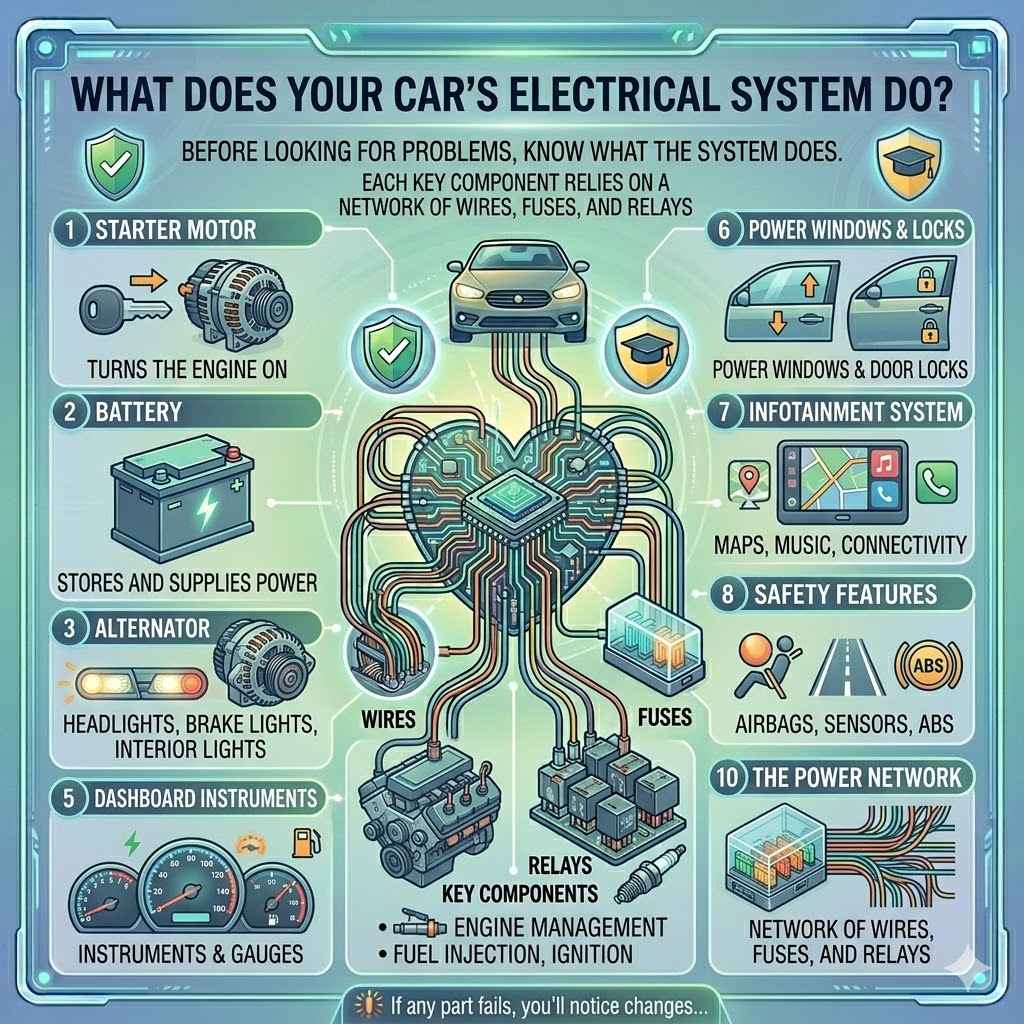
Before looking for problems, it helps to know what the electrical system actually does. In a modern car, the electrical system powers much more than just the radio and headlights. It controls your:

WINAMOO
WINAMOO Automotive Test Light with 3-48V LED…
- 【PRECISE READOUTS & CLEAR DIGITAL DISPLAY】Bright LED display shows highly clear readings in any lighting condition, 0.1V resolutio…
- 【QUICK DETECTION & EXTENSIVE USE】WINAMOO auto circuit tester helps you to quickly test car battery voltage and diagnoses issues in…
- 【SHARP PROBE & ANTI-LOST PROTECTIVE SLEEVE】Sharp stainless steel probe for piercing insulation with ease, also for hard to reach t…
As an Amazon Associate I earn from qualifying purchases.
- Starter motor (turns the engine on)
- Battery (stores and supplies power)
- Alternator (charges the battery as you drive)
- Lights (headlights, brake lights, interior lights)
- Dashboard instruments
- Power windows and locks
- Infotainment system
- Safety features (airbags, sensors, ABS)
- Engine management (fuel injection, ignition)
Each of these parts relies on a network of wires, fuses, and relays. If any part fails, you’ll notice changes in how your car behaves. The signs are often subtle at first, but they get worse over time.
Common Signs Of Electrical Problems
Knowing the early warnings helps you act before small issues become big repairs. Here are the most common signs:
1. Difficulty Starting The Engine
If you hear a clicking noise when turning the key, or the engine turns over slowly, your electrical system could be the culprit. A dead battery is the usual suspect, but it could also be a worn starter or faulty wiring. Sometimes, the dashboard lights will flicker or go dim during starting attempts.
2. Dim Or Flickering Lights
When headlights or dashboard lights are dim, flicker, or pulse, it’s a strong hint that something is wrong. The alternator may not be charging the battery correctly, or there could be a loose connection. Don’t ignore this—poor lighting can be dangerous at night.
3. Electrical Accessories Not Working
If your power windows, locks, or radio stop working or act strangely, this points to a blown fuse, faulty switch, or wiring issue. Sometimes, multiple accessories fail at once, which often means a bigger electrical problem.
4. Burning Smell Or Smoke
A burning plastic smell or visible smoke from under the dashboard or hood is an emergency. This often means wires are overheating or insulation is melting. Shut off your car immediately and seek help. Electrical fires spread quickly.
5. Blown Fuses
Fuses are designed to break the flow of power if something is wrong. If you find yourself replacing the same fuse repeatedly, it’s a sign of a deeper issue—usually a short circuit or faulty component.
6. Battery Warning Light
The battery warning light on your dashboard (a battery icon or “ALT”) warns you about charging system issues. If it comes on while driving, your alternator may not be working, or there could be a loose belt or corroded connection.
7. Strange Noises
Unusual clicking, buzzing, or whining noises from the dashboard or under the hood can mean relays or electrical motors are failing. If noises happen when you use a switch, mention this to your mechanic.
8. Unusual Behavior From Dashboard Instruments
Watch for gauges that jump, warning lights that flash randomly, or displays that go blank. This usually means an electrical problem, especially if it happens while driving on bumpy roads (which can shake loose wires).
9. Rapid Battery Drain
If your battery keeps dying overnight or after only a short period parked, something is draining power when the car is off. This is called a “parasitic drain” and can be hard to find without proper tools.
10. Engine Stalling Or Hesitation
Sometimes, electrical faults can cause your engine to stall, hesitate, or misfire. Modern engines rely on sensors and computers. If they don’t get the right voltage, performance suffers.
Where Electrical Problems Usually Start
Most electrical problems come from a few common places. Knowing these can help you check quickly or explain the issue to a mechanic.
The Battery
The battery is the heart of your car’s electrical system. Most batteries last 3-5 years. Signs of a failing battery include:
- Corroded or loose terminals
- Swollen battery case
- Battery older than 5 years
The Alternator
The alternator charges your battery and powers accessories while you drive. If it fails, you’ll see dim lights, a battery warning light, and maybe a dead battery.
Fuses And Relays
Fuses protect each electrical circuit. Relays are switches that handle high-power items like the starter motor. If either fails, the related part won’t work. Fuse boxes are often under the dashboard or in the engine compartment.
Wiring Harness
The wiring harness is a bundle of wires connecting everything. Over time, wires can:
- Get brittle and break
- Be chewed by rodents (a common, often missed problem)
- Suffer from water damage
Ground Connections
Every electrical part needs a good ground (connection to the car’s metal body). Loose or corroded grounds cause many strange problems. Mechanics often check grounds first.
How To Diagnose Electrical Problems Yourself
You don’t need advanced tools to check for basic issues. Here’s how you can start:
- Check the battery terminals for corrosion or looseness. Clean off white or green deposits with a wire brush.
- Turn on the headlights with the engine off and then on. If they brighten when the engine starts, your alternator is probably working.
- Test each electrical accessory (windows, locks, radio, lights). Note what works and what doesn’t.
- Check the fuse box. Replace any blown fuses with the same rating. If fuses keep blowing, there’s a short circuit.
- Listen for clicks or buzzes from under the hood or dashboard when you turn the key or use switches.
Diy Tools That Help
- Multimeter: Measures voltage at the battery and fuses.
- Test light: Quickly checks for power at fuses and wires.
If you’re unsure, don’t guess. Electrical mistakes can cause fires or damage sensitive electronics.
Table: Common Symptoms And Likely Causes
To help you connect symptoms to possible causes, here’s a quick reference.
| Symptom | Possible Cause |
|---|---|
| Engine won’t start, clicks only | Weak battery, bad starter, poor ground |
| Headlights dim or flicker | Failing alternator, loose connection, bad battery |
| Radio, windows not working | Blown fuse, broken wire, failed relay |
| Burning smell, smoke | Short circuit, melting wire insulation |
| Battery dies quickly | Parasitic drain, old battery, faulty alternator |
How Electrical Problems Affect Safety And Reliability
Some people ignore electrical issues, thinking they’re minor. This is risky. Here’s why:
- Headlights or brake lights that fail can lead to accidents.
- A failing alternator can leave you stranded, even on a busy highway.
- Airbags and ABS may not work if the electrical system is weak.
- Electrical fires, though rare, can destroy your car quickly.
If you notice warning signs, don’t delay. Even small electrical problems can quickly become dangerous.
Not-so-obvious Insights About Car Electrical Problems
Many drivers focus on the battery and alternator, but here are two insights most people miss:
1. Rodents and Wiring: In many cities, rodents (like mice or rats) chew car wires, especially in winter. They’re attracted by the warmth and sometimes by soy-based wire insulation used in newer cars. If your electrical issues started suddenly, especially after parking outside, ask your mechanic to check for chewed wires.
2. Hidden Parasitic Drains: Some aftermarket devices (like dash cams or phone chargers) keep drawing power even when the car is off. Over time, this kills your battery. If your car’s battery keeps dying, unplug all devices and see if the problem stops. Mechanics use an “amp clamp” to track down which circuit is draining power.
Table: Main Electrical Components And Their Lifespans
Here’s a look at how long key parts usually last and when to check them.
| Component | Average Lifespan | When to Inspect |
|---|---|---|
| Battery | 3-5 years | Every oil change; before winter |
| Alternator | 5-8 years | When battery warning light shows |
| Starter motor | 6-10 years | Engine slow to start or clicks |
| Fuses | Varies | When accessories fail |
| Wiring | 10+ years | After accidents, rodent damage, or water leaks |
Why Electrical Problems Are Hard To Diagnose
Electrical issues can seem random. Here’s why they’re often tough to find:
- Intermittent faults: A wire may connect sometimes but not always, especially when the car is hot or cold.
- Many parts are hidden: Wires run under carpets, behind dashboards, and inside doors.
- Modern cars use computers: One bad sensor or ground can confuse the whole system.
- Multiple symptoms: One problem (like a bad ground) can cause several things to fail, making diagnosis harder.
Experienced mechanics use wiring diagrams, test equipment, and logical thinking. For complex problems, professional help saves time and money.
Table: Symptoms That Often Get Misdiagnosed
Some electrical symptoms are often blamed on the wrong part. Here are examples:
| Symptom | Often Blamed On | Actual Cause |
|---|---|---|
| Battery dies overnight | Old battery | Parasitic drain from device |
| Dim headlights | Bad bulbs | Weak alternator or ground |
| Radio not working | Broken radio | Blown fuse, wiring fault |
| Warning lights flicker | Bad sensors | Loose ground wire |
When To See A Professional
You can handle basic checks—like fuses and battery connections—yourself. But see a qualified mechanic if:
- Problems keep coming back after fixing.
- You smell burning or see smoke.
- Warning lights stay on, even after the battery is replaced.
- Multiple electrical items fail at once.
Professionals have diagnostic computers and wiring diagrams that make troubleshooting faster and safer. They also know which recalls or service bulletins may apply to your car.
How To Prevent Electrical Problems
Prevention is always better than repair. Here are smart habits:
- Check your battery every oil change. Clean terminals and replace the battery every 3-5 years.
- Inspect wiring after accidents or rodent activity.
- Keep water out of the engine bay and passenger compartment. Water causes corrosion.
- Use high-quality parts. Cheap fuses, bulbs, or chargers can cause more problems.
- Don’t overload circuits. Too many aftermarket devices (amps, lights) can blow fuses or damage wiring.
- Watch for recalls. Some cars have known electrical faults. Check your VIN online.
Real-world Example: Diagnosing A Sudden Electrical Failure
Imagine you turn the key and nothing happens. Here’s how to approach it:
- First, check if the dashboard lights up. If not, the battery may be dead or disconnected.
- Open the hood and check the battery terminals for corrosion or looseness.
- If the battery is fine but the car still won’t start, try the headlights. If they work, the starter or ignition switch may be the problem.
- If everything is dead, check the main fuse (often a large, square fuse in the engine compartment).
- Still stuck? Call roadside assistance or a mechanic.
This simple, step-by-step method helps you narrow down the issue and avoid replacing the wrong parts.
The Cost Of Ignoring Electrical Problems
Many drivers delay fixing electrical problems to save money. But here’s what can happen:
- A parasitic drain that kills your battery will eventually require a tow and a new battery.
- A failing alternator can damage the battery and leave you stranded.
- Small wiring faults can turn into major repairs if they cause a fire or damage computers.
- Insurance may not cover damage caused by electrical fires due to neglect.
A little attention now saves a lot later.
How Modern Technology Helps With Electrical Diagnostics
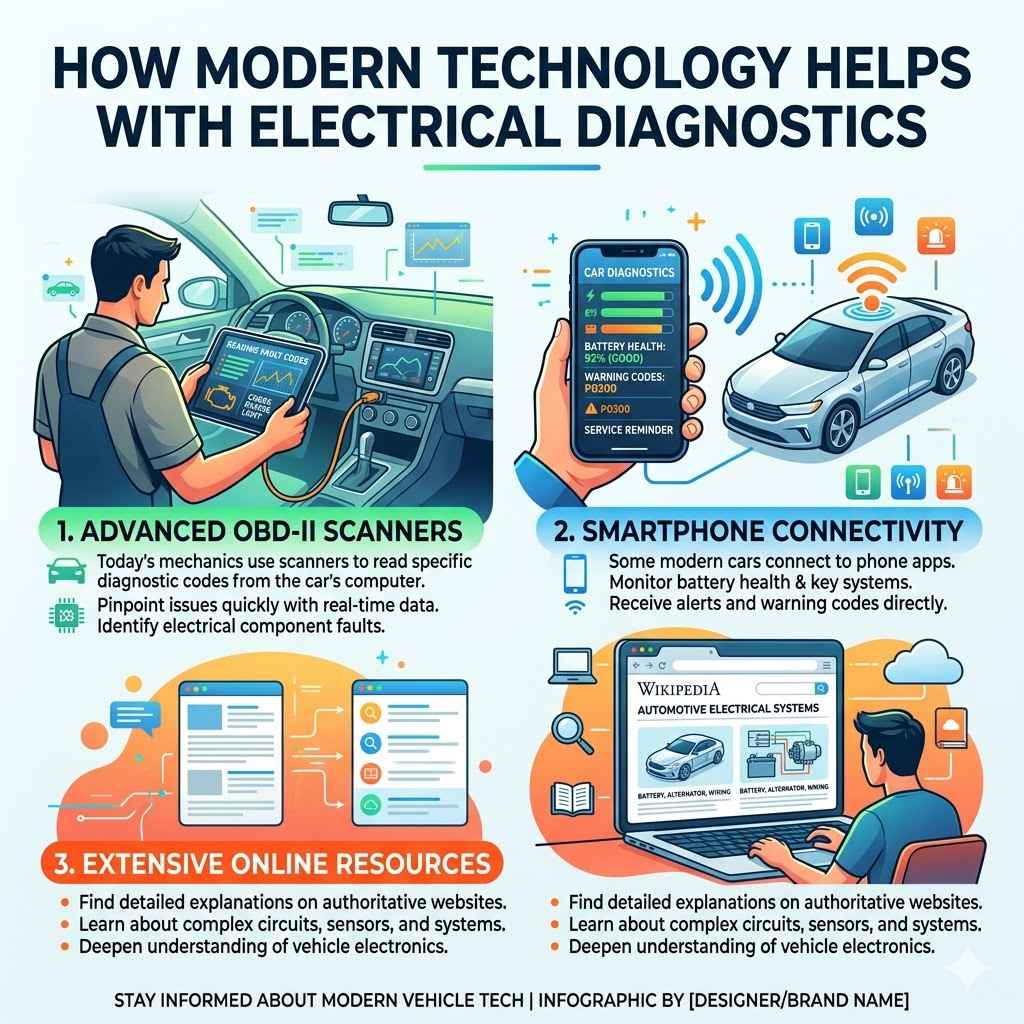
Today’s mechanics use advanced tools like OBD-II scanners to read fault codes from the car’s computer. Some modern cars also connect to apps on your phone, showing you battery health and warning codes. If you’re interested in learning more, you can find detailed explanations of automotive electrical systems on sites like Wikipedia.
Frequently Asked Questions
What Causes Most Electrical Problems In Cars?
The most common causes are old batteries, failing alternators, blown fuses, and wiring issues. Sometimes, corrosion or loose connections lead to problems, especially in older vehicles.
Can A Car Run With A Bad Alternator?
For a short time, yes. The battery will power the car, but once it’s drained, the engine will stop, and you’ll lose all electrical functions. It’s best to replace a bad alternator as soon as possible.
Why Do My Car Fuses Keep Blowing?
Repeatedly blown fuses usually mean a short circuit or a component drawing too much current. Replacing the fuse without fixing the root cause will not solve the problem.
Are Electrical Problems Expensive To Fix?
Costs vary. Simple fixes (like a blown fuse or battery terminal cleaning) are cheap. Complex wiring or computer issues can be expensive, especially if the dashboard must be removed or multiple parts are involved.
How Often Should I Check My Car’s Electrical System?
Check basic items—like the battery and fuses—with every oil change (about every 5,000 miles or 8,000 km). Have a mechanic do a full check-up before long trips or if you notice any warning signs.
A reliable electrical system means a safer, more enjoyable driving experience. Pay attention to early signs, act quickly, and your car will serve you well for years to come.
Related pick: Check today's price on Amazon